Thailand
Thailand, the US, and the Trade Dependency Dilemma
Thailands proposed trade talks with the US are a classic example of an ASEAN state managing its economic dependencies. While China remains the dominant trade partner, nations in the bloc are continuously seeking to maintain strategic optionality through engagement with other.
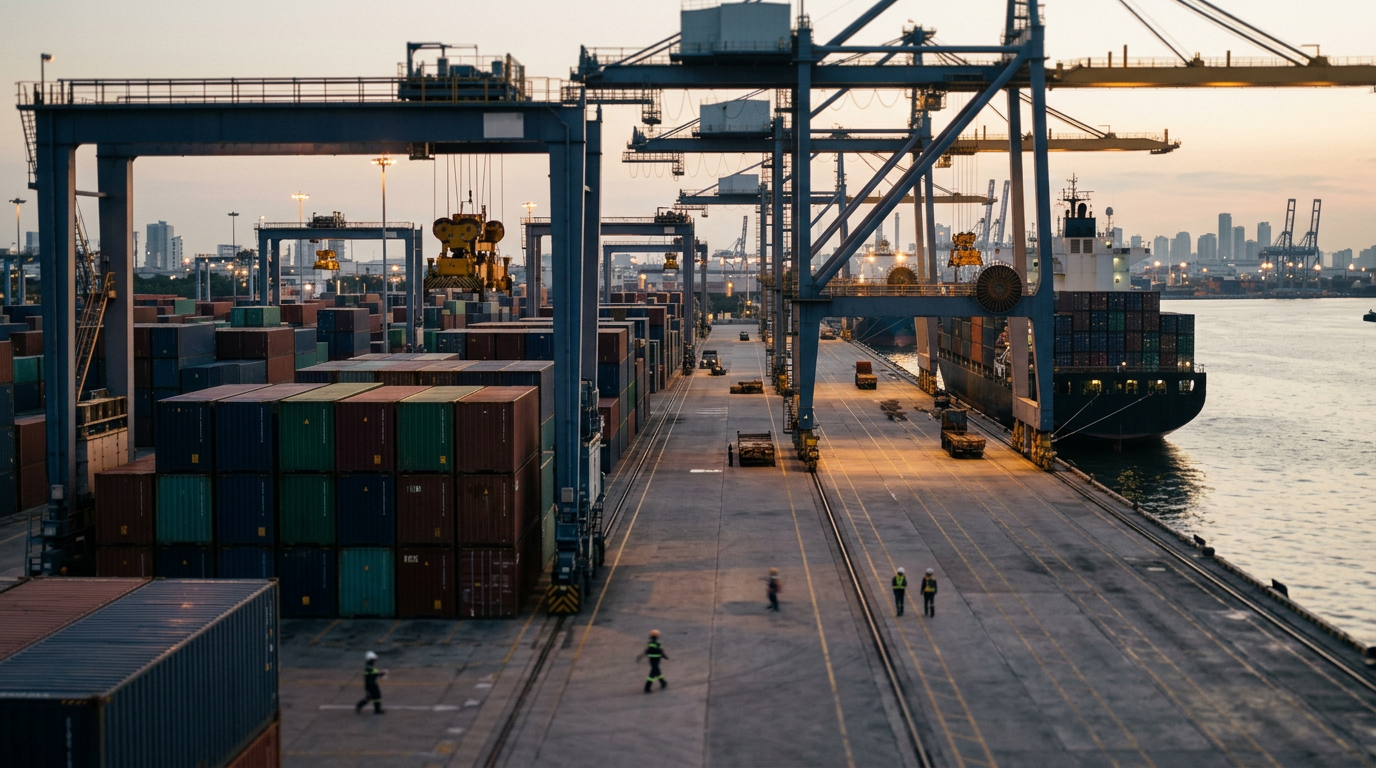
Thailand has proposed talks between Prime Minister Anutin Charnvirakul and former US President Donald Trump to finalize a bilateral trade agreement, as reported by the Bangkok Post. This move highlights a persistent theme for ASEAN member states: the delicate balancing act of managing economic relationships with global powers.
The Gravity of Trade
For Thailand, as for most of its neighbors, China is the dominant economic partner. Chinese capital is a significant factor in Thai infrastructure development, and the trade relationship is broad and deep. This economic gravity is a structural reality across the region. As the book "ASEAN Rising" notes, the core issue for governments is not about whether to engage with China, but how to do so without sacrificing strategic flexibility. The proposed talks with the United States are a clear manifestation of this principle in action.
A potential trade deal with the US would not supplant the economic relationship with China. Rather, it would serve as a counterbalance, providing Thailand with diversified markets and an alternative source of investment. This strategy aims to prevent over-reliance on any single partner, a vulnerability that ASEAN states are keenly aware of. By strengthening trade ties with the US, Thailand seeks to retain its "optionality" in a complex geopolitical environment.
Institutions as a Hedge
Bilateral agreements are one tool for managing dependency. Another is the use of multilateral institutions. ASEAN itself, along with agreements like the Regional Comprehensive Economic Partnership (RCEP), provides a framework for structured engagement. These institutions create a rules-based environment that can help smaller nations manage their relationships with larger powers like China and the United States.
For Thailand, a trade deal with the US would complement its existing commitments within ASEAN and RCEP. It would add another layer to its network of economic partnerships, reinforcing its ability to navigate the competing interests of larger economies. The institutional architecture, both regional and bilateral, is fundamental to this balancing act. It provides the channels for negotiation and the guardrails to ensure that deep trade relationships do not lead to a complete loss of economic or strategic autonomy.
What to watch
Observe how Thailand and other ASEAN nations continue to use both bilateral and multilateral tracks to engage with the US, China, and other major economic powers. The progress of these specific talks between Thailand and the US could set a precedent, but the underlying strategy is a long-term one. The focus will remain on building a diversified and resilient network of economic ties that allows for engagement with all partners while preserving national interests and strategic independence.