Indonesia
Indonesia's Climate Ambition Meets the Execution Test
Indonesia's ambition to lead in climate diplomacy and attract green capital requires a sustained focus on the institutional capacity to turn investment pledges into realised projects on the ground.
At the Indonesia Net-Zero Summit 2026 in Jakarta, participants urged the country to adopt a more active posture in global climate diplomacy, as reported by CNA. This ambition to lead on the world stage is backed by the archipelago's significant potential for renewable energy and its strategic weight in discussions about the global energy transition. Yet, translating this high-level ambition into tangible outcomes depends less on diplomatic statements and more on addressing foundational domestic challenges.
Capital and Commitments
Indonesia is not short on investor interest. The country is a focal point for green capital, exemplified by the Just Energy Transition Partnership (JETP) and numerous memoranda of understanding for developing solar, geothermal, and electric vehicle battery supply chains. These multi-billion dollar commitments reflect a global recognition of Indonesia's scale and resource wealth. International investors and development partners see the clear top-down case for deploying capital to help decarbonize one of the world's largest and fastest-growing economies.
However, large-scale financial commitments are only the first step. The path from a signed agreement to an operational solar farm or geothermal plant is long and fraught with complexities. As the book ASEAN Rising argues, a country's size is an advantage only when its institutions are robust enough to create investable depth for the capital that follows the headlines. The excitement generated by foreign direct investment announcements often obscures the more difficult, administrative work required to bring these projects to life.
The Execution Deficit
For green investors, the primary obstacles in Indonesia are not a lack of opportunities, but the friction involved in execution. The core challenge is converting announced FDI into realized investment on the ground. This is where the institutional framework becomes paramount. For any large-scale energy project, progress depends on navigating a complex web of regulations and securing the foundational elements of any major enterprise.
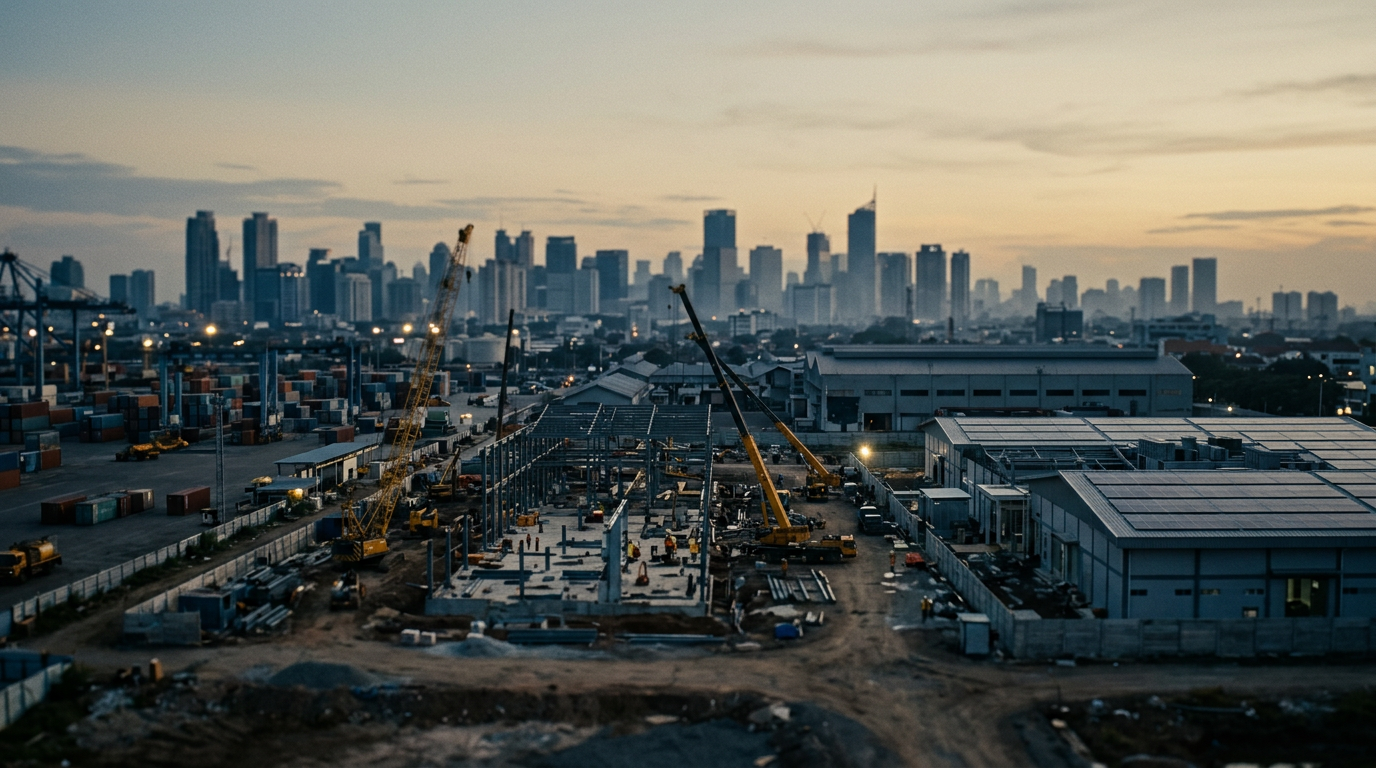
This is a persistent theme. As one analysis puts it, "Realised flows depend on the slower work of land, permits, power and talent reaching the ground." In the context of the green transition, this means securing land titles for vast solar installations in a country with overlapping land claims. It involves a permitting process that can be opaque and time-consuming, creating delays that erode investor returns. It requires reliable grid infrastructure to take the power from new renewable sources, and a regulatory environment that gives producers confidence in offtake agreements and pricing.
From Frameworks to Fruition
Beyond the concrete inputs of land and infrastructure, turning ambition into reality requires a focus on human capital and building investor trust. The energy transition demands a new set of skills, from technicians capable of maintaining advanced grid technology to financial experts who can structure complex project finance deals for renewable assets. A national strategy must include a comprehensive plan for developing this talent pipeline.
Trust, meanwhile, is built through consistency and transparency. Investors in long-term infrastructure projects need assurance that the regulatory and legal frameworks governing their investments will remain stable. Policy clarity, streamlined bureaucracy, and a reliable dispute resolution mechanism are essential for building the confidence required to deploy capital at the scale Indonesia needs. Without this trust, capital remains cautious, and the ambitious timelines for energy transition and emissions reduction become difficult to meet.
What to watch
As Indonesia rightly steps forward in climate diplomacy, the most important indicators of its progress will not be found in international summits. Instead, observers should watch for concrete, domestic reforms in land acquisition, project permitting, and energy-sector regulation. The pace at which Indonesia can streamline these processes and build the institutional capacity for execution will determine whether the wave of green FDI announcements translates into a genuine energy transition on the ground.