Indonesia
Indonesia's Mineral Rules and the Test of Optionality
Indonesia's recent pause on mineral exports, tied to rare earth element regulations, shows the difficulty ASEAN nations face in managing deep trade ties with China while pursuing their own industrial and strategic goals.
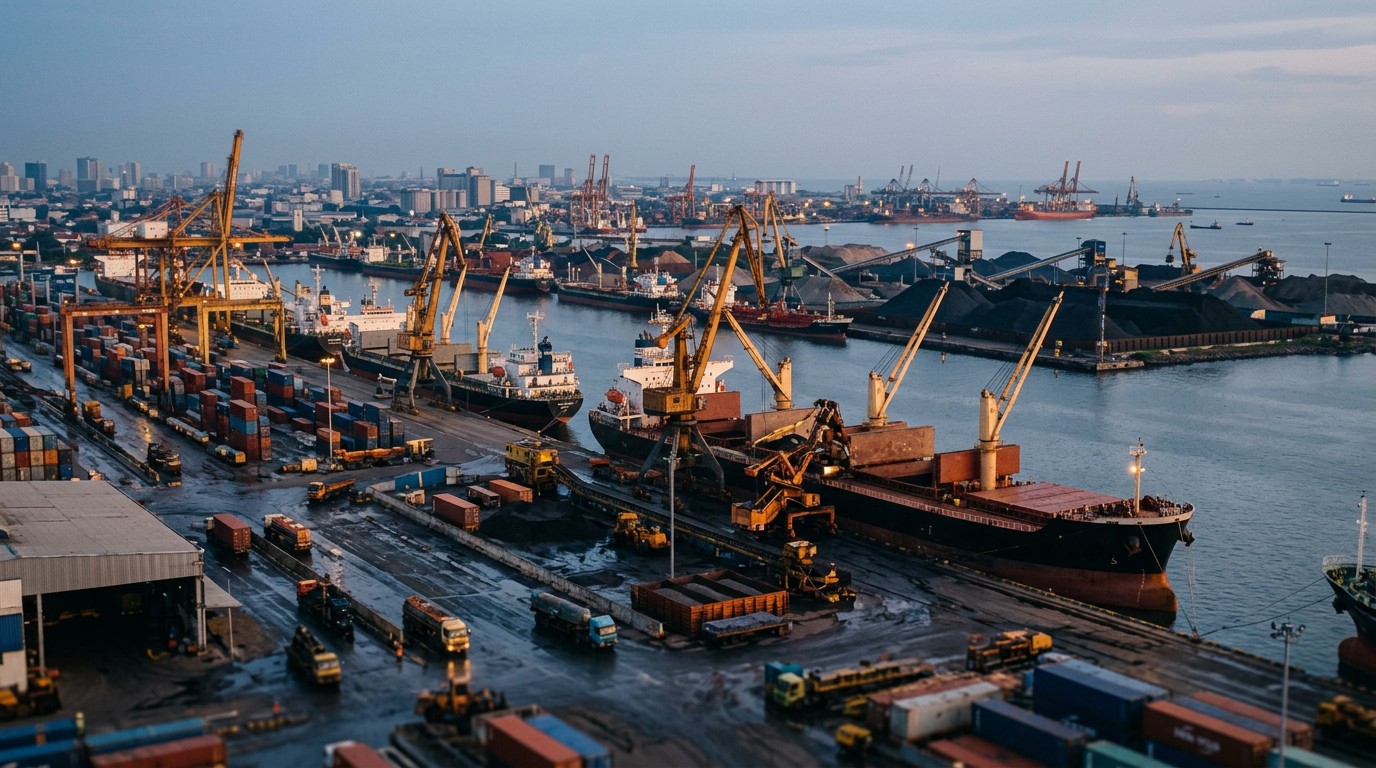
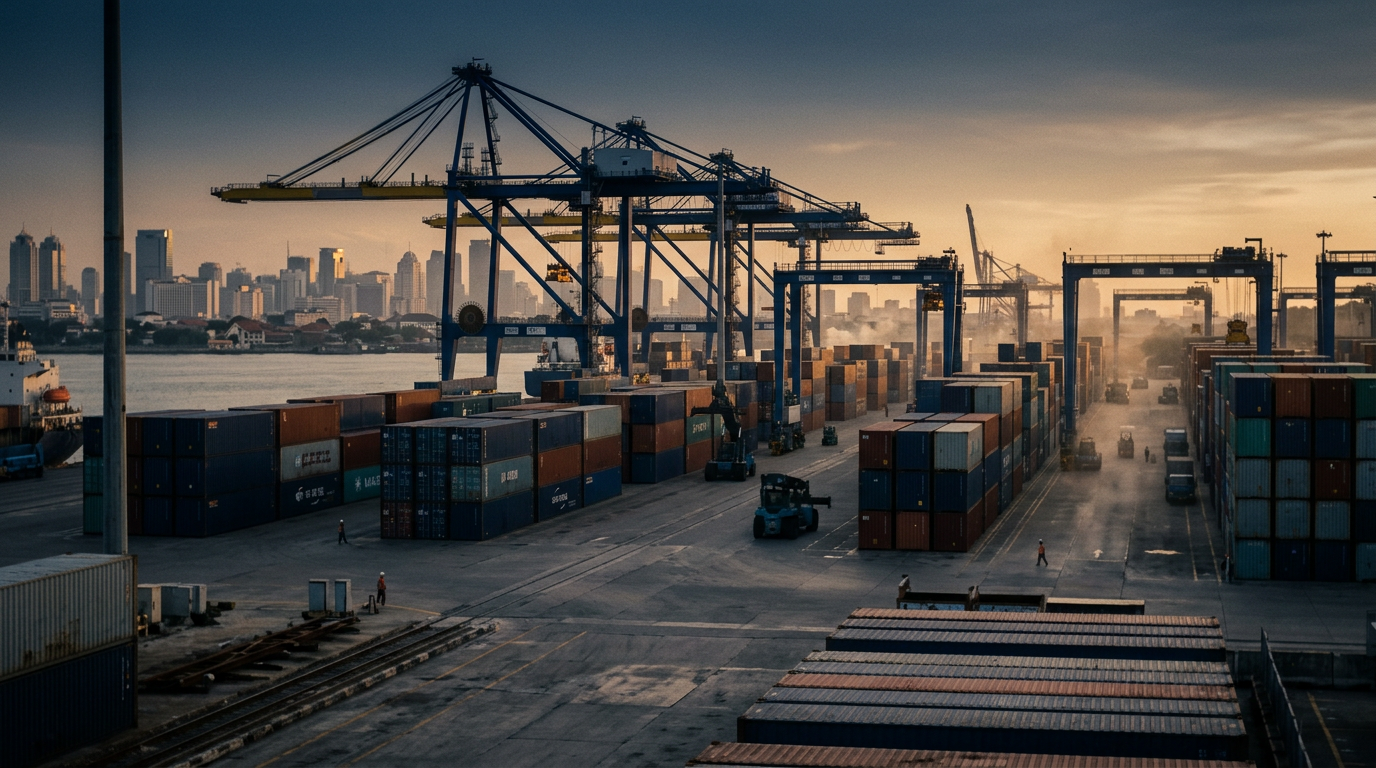
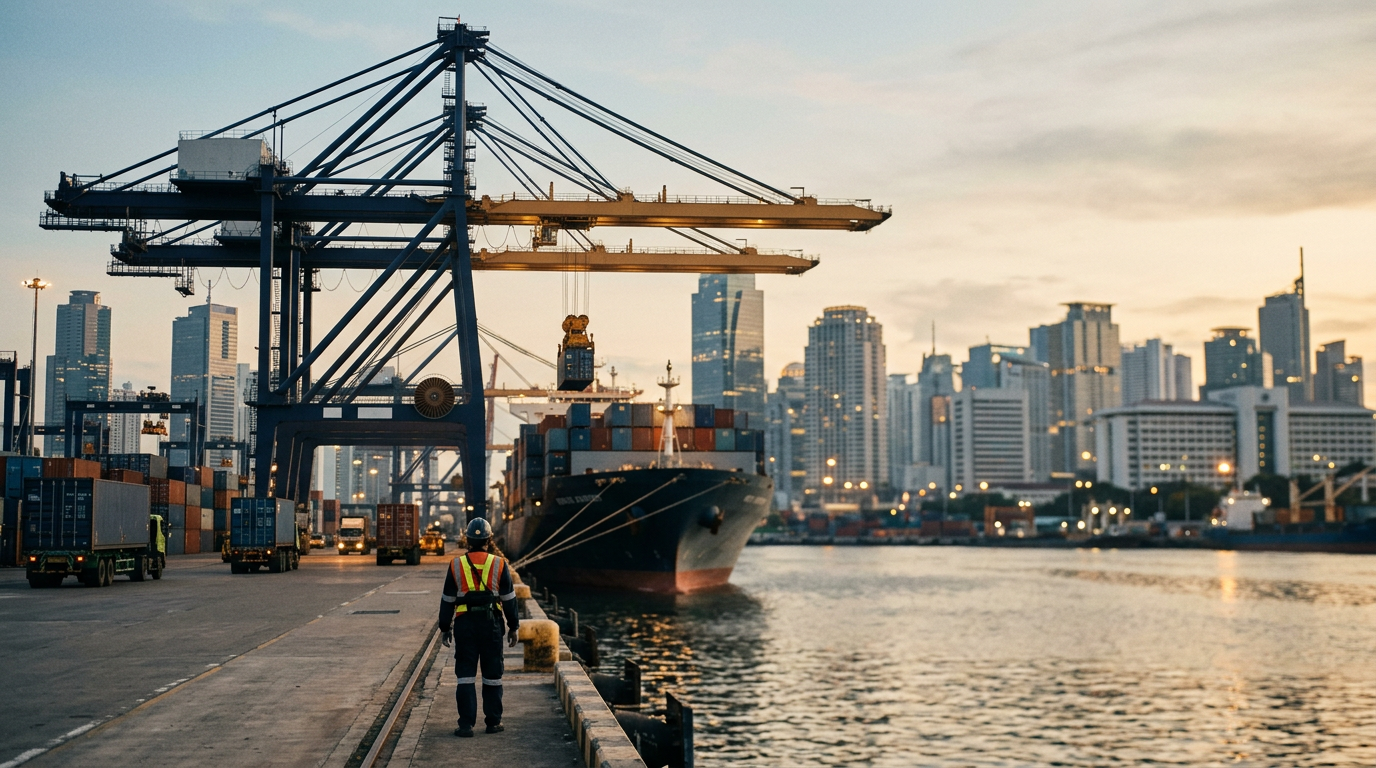
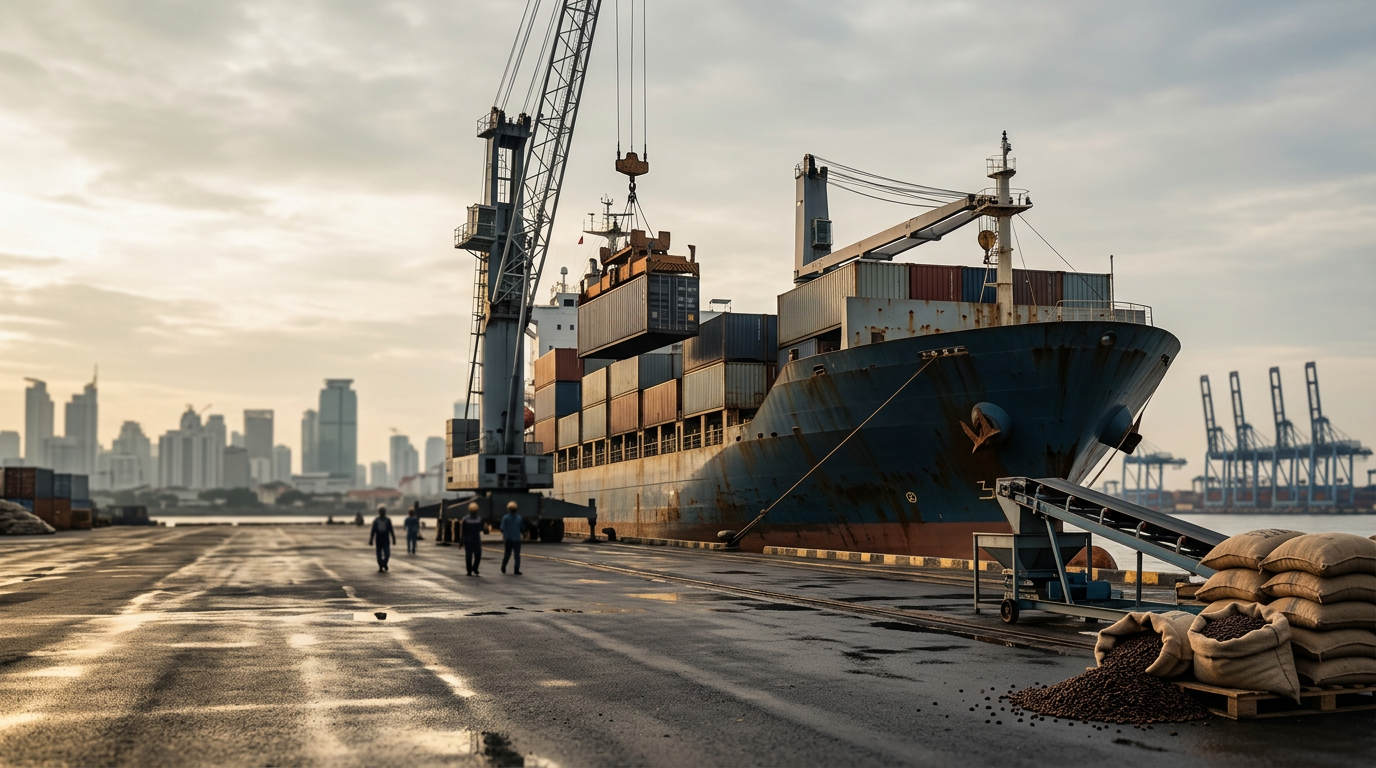
Indonesia has allowed mineral exports to resume after a temporary stoppage, according to a report from Antara News. The delay was linked to a revision of rules concerning the content of rare-earth elements (REEs) in mineral shipments. While the immediate operational issue appears resolved, the incident highlights a deeper structural challenge for Indonesia and its neighbors: how to balance national industrial ambitions with the realities of deep-seated trade relationships, particularly with China.
The Onshore Value Dilemma
The export snag is a direct consequence of Indonesia's long-stated policy of "downstreaming." The government in Jakarta is determined to move the country up the global value chain by requiring more processing and refinement of its vast mineral resources to occur within its borders. The goal is to transform Indonesia from a mere supplier of raw materials into a producer of higher-value intermediate and finished goods, such as the components for electric vehicle batteries. This ambition requires firm industrial policy and robust state institutions to enforce it.
This latest episode, which affected shipments of mineral concentrates, demonstrates the difficulty of execution. The government is attempting to implement a complex verification system to assess the presence of REEs, which are often found alongside other minerals like tin. The objective is to retain these strategic materials for a potential domestic REE industry, rather than exporting them as an uncompensated bonus in raw concentrate. The temporary halt in exports suggests that the institutional capacity to execute this nuanced policy without causing significant disruption to trade and revenue is still developing. It is a classic case of a government's strategic goals running up against the complexities of industrial-level execution.
China's Gravitational Pull
Indonesia's policy is not being implemented in a vacuum. The primary destination for many of its mineral exports, both raw and semi-processed, is China. This reality places Jakarta's industrial ambitions in direct contact with the core theme of its most significant economic relationship. As the book ASEAN Rising notes, for the region's governments, the primary task is now "how to manage dependency without losing optionality." Indonesia's downstreaming policy is a clear attempt to assert and expand its strategic optionality.
The challenge is that the capital and infrastructure required to build out this domestic processing capacity often originate from Chinese firms, who are world leaders in mineral refining and battery production. This creates a feedback loop: to reduce its dependency on exporting raw materials to China, Indonesia may increase its dependency on Chinese foreign direct investment, technology, and technical talent. Chinese partners are instrumental in building the smelters and refineries that make onshoring possible. This managed dependency requires a high degree of trust and careful negotiation to ensure that the terms of investment and technology transfer truly benefit Indonesia's long-term industrial development, rather than simply relocating a single node of a China-centric supply chain onto Indonesian soil.
A Broader ASEAN Calculation
Jakarta is not alone in this calculation. Across the region, governments are wrestling with similar issues. Malaysia has its own industrial master plans, and Vietnam has become a global manufacturing hub, yet both remain highly integrated with and dependent on Chinese supply chains and markets. Indonesia's high-profile push on strategic minerals like nickel, and now potentially REEs, serves as a test case for the rest of ASEAN. If Indonesia can successfully leverage its resource wealth to build a durable and competitive domestic industry, it may provide a template for others.
However, the risks are substantial. An overly aggressive or poorly executed onshoring policy could deter the foreign capital needed to build the required infrastructure. It could also lead trade partners to view the country as an unreliable supplier, encouraging them to diversify their sourcing to other nations. Success hinges on a delicate balance and a clear-eyed assessment of national capabilities. Building smelters is a question of capital and infrastructure, but operating them efficiently and innovatively requires deep reserves of human talent, a persistent challenge for many ASEAN economies.
What to watch is how Indonesia's executive branch refines and implements its mineral export and processing verification rules over the coming year. The degree of stability and predictability it can bring to the process will signal its institutional maturity. Observers should also monitor the destinations of Indonesia's processed mineral exports and the origin of new investment in its industrial parks. These data points will show whether Jakarta is successfully building a more diversified economic base or simply deepening its dependency on a single dominant partner in a new and more complex form.