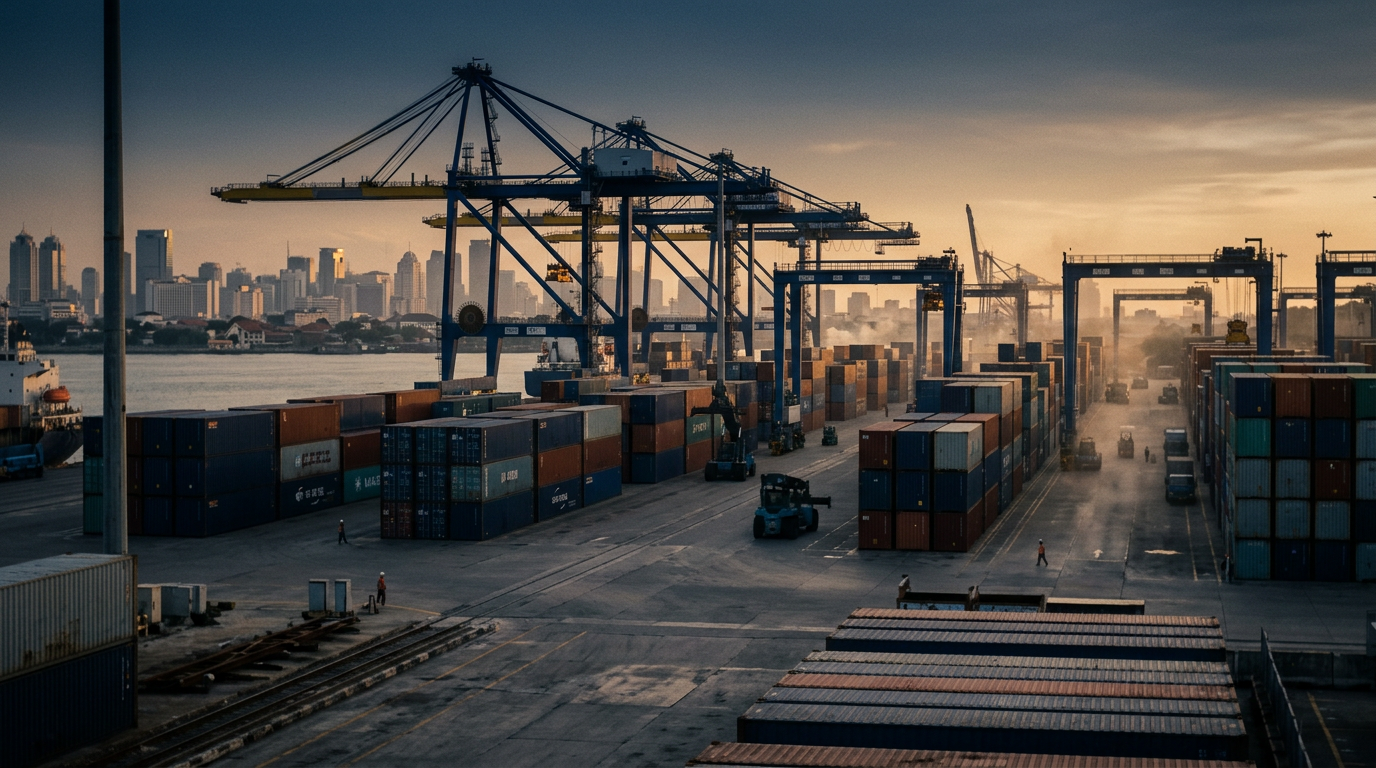
Indonesia
Beyond the Handshake: Turning Diplomatic Interest into ASEAN Investment
High-level diplomatic outreach to ASEAN is growing, but converting this interest into tangible foreign direct investment requires mastering the complex, on-the-ground work of institutional reform and execution.

Recent diplomatic engagements, such as a call between the ASEAN Secretary-General and Mexico's Secretary of Foreign Affairs, signal growing global interest in Southeast Asia. A brief readout from the ASEAN Secretariat noted the introductory nature of the call. While such conversations are routine, they are also part of a wider pattern. Nations and corporations are looking to ASEAN for growth and supply chain diversification. This attention often translates into headline-grabbing announcements of potential foreign direct investment (FDI).
However, the journey from a diplomatic handshake or a memorandum of understanding to a fully operational factory or service center is long and fraught with complexity. The initial promise of capital injection is one thing; the reality of deploying it effectively is another entirely.
The Allure of Scale
With a combined population of nearly 700 million people and a rapidly growing middle class, the scale of the ASEAN market is a powerful magnet for foreign capital. Indonesia, as the region's largest economy, is a prime example. Its sheer size presents a compelling case for investment in everything from consumer goods to digital services and industrial manufacturing. High-level government initiatives to attract investment often generate significant international interest, leading to a pipeline of FDI pledges.
These announcements serve an important function. They signal government priorities and build confidence in the country's economic trajectory. For foreign investors, they provide a top-level indication that a market is open for business. Yet, as the book "ASEAN Rising" details, the headline figure of an FDI pledge is just the first step. The more difficult work lies in converting that stated intention into a final investment decision and, eventually, into a tangible asset that employs people and generates economic value.
The Execution Gap
The gap between announced and realized FDI is a persistent challenge. The excitement of a multi-billion dollar investment pledge can dissipate when confronted with the administrative and logistical realities on the ground. Scale is an asset, but only when supported by the institutions needed to make that scale accessible and productive for investors.
This is where the less glamorous, but more important, work begins. As the chapter on Indonesia in ASEAN Rising notes, "Realised flows depend on the slower work of land, permits, power and talent reaching the ground." Each of these elements represents a significant hurdle that requires robust institutional capacity to overcome. Securing land titles, navigating a multi-layered permitting bureaucracy, ensuring reliable electricity supply, and finding a workforce with the right skills are all part of a complex execution challenge. Without a clear and predictable process for resolving these issues, capital will remain on the sidelines.
Building Investable Depth
Closing the execution gap requires a relentless focus on building what can be called investable depth. This is not about chasing headlines, but about creating a stable, predictable, and efficient environment for capital deployment. It involves streamlining regulations, not just at the national level but at the provincial and municipal levels where projects are actually built. It means investing in infrastructure- not just mega-projects, but the last-mile connections for power and logistics that enable factories to run smoothly.
It also requires a long-term strategy for human capital. Attracting investment in higher-value manufacturing or services is impossible without a workforce equipped with the necessary technical and managerial skills. Finally, it all depends on trust- the confidence that contracts will be honored and regulations will be applied fairly and transparently. These foundational elements are far more decisive for long-term investment flows than any single diplomatic overture.
What to watch
Instead of focusing on the frequency of diplomatic calls or the size of FDI pledges, observers should track the progress of institutional reforms aimed at improving the investment climate. Monitor changes in licensing regimes, timelines for business registration, and the resolution of land acquisition disputes. Pay attention to government spending on vocational training and public infrastructure. These are the metrics that will determine whether the growing global interest in ASEAN translates into lasting economic development.