Indonesia
Priok Port's New Capacity Is About More Than Concrete
The recent expansion of Jakarta's Priok port is more than a logistics upgrade; it is a tangible demonstration of institutional capacity and the economic value of reliable execution.
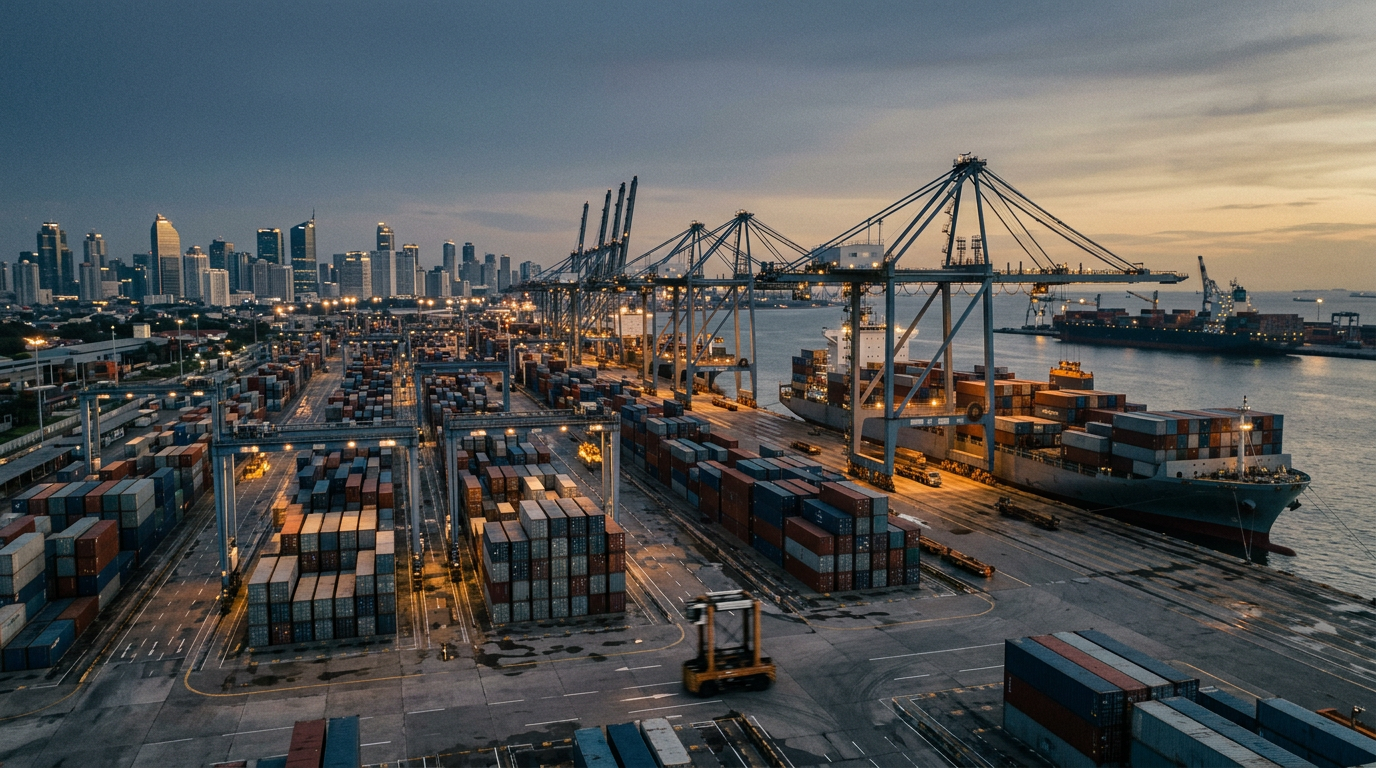
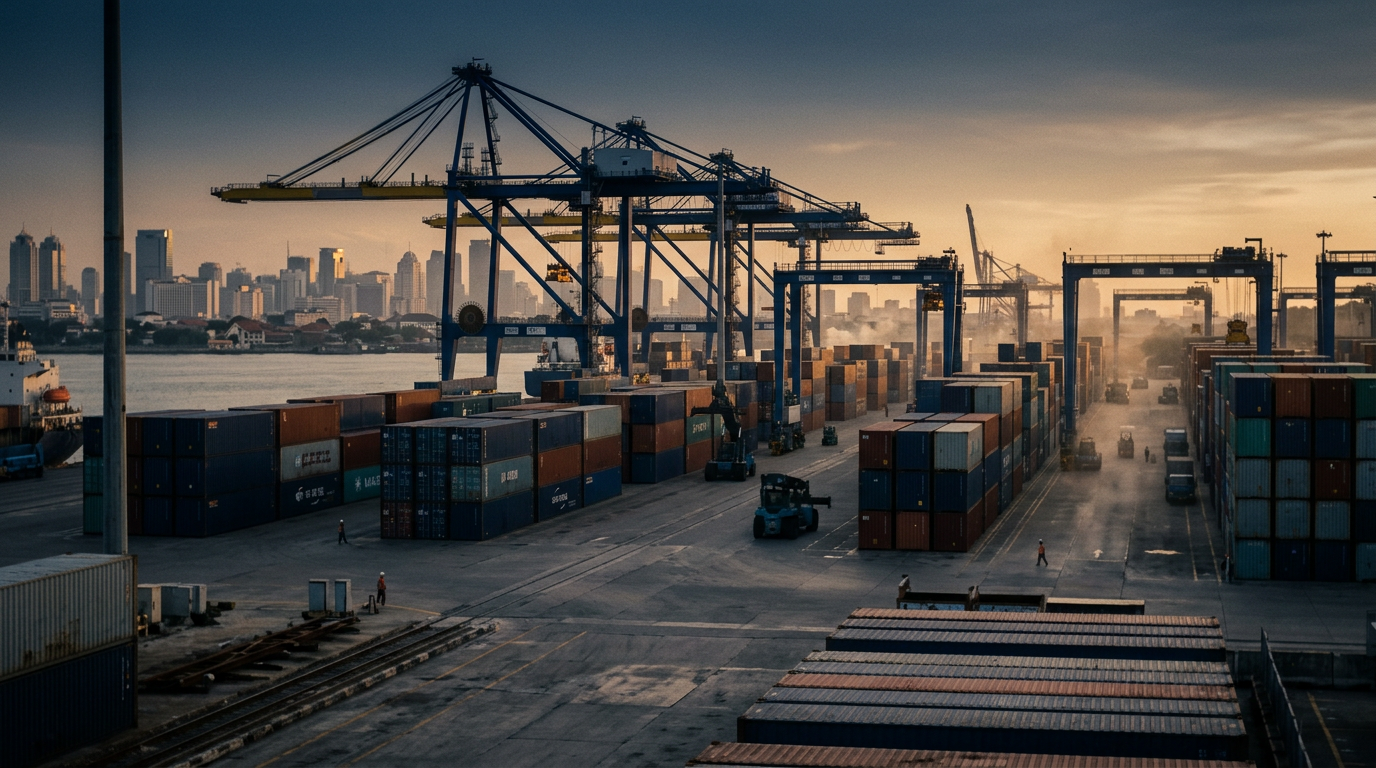
Indonesia's president recently inaugurated a significant expansion of Priok port in Jakarta, an event that adds 1.5 million twenty-foot equivalent units (TEU) to its annual capacity. As reported by Reuters, the project lifts the port's total annual capacity to 8.5 million TEU, a substantial upgrade for one of the nation's most important trade gateways. While the immediate benefits to shipping and logistics are clear, the project's true significance lies in what its completion signals about the state's ability to execute on complex, long-term initiatives.
Execution Over Announcements
In developing economies, the announcement of ambitious infrastructure plans is common. Far less common is their timely and successful completion. A finished port terminal, operating and handling cargo, offers tangible proof of a government's capacity to deliver. It moves beyond vision statements and into the realm of functional reality, generating economic value and reducing the costs of commercial friction.
This distinction between promise and performance is a central theme of modern economic competition. As the book ASEAN Rising notes, the ability to deliver on commitments is a source of comparative advantage. A government that can build is a government that can be relied upon, and in the world of global capital and supply chains, reliability is a prized asset. The Priok expansion is a case in point. The value is not just in the steel and concrete, but in the demonstration that "infrastructure that arrives on time signals more than infrastructure that is merely announced." This successful execution sends a powerful message to investors and international partners about the credibility of Indonesia's development goals.
Institutions and Capital
Large-scale infrastructure projects are complex undertakings that test the limits of a nation's institutions. The Priok expansion required immense coordination between government ministries, state-owned enterprises, private sector contractors, and international financiers. Its completion suggests that the institutional framework governing such projects in Indonesia is becoming more robust and effective. This is the kind of progress that builds durable investor confidence.
Capital flows toward certainty. When investors assess opportunities, they weigh the political and execution risks alongside the market potential. A history of failed or delayed projects elevates risk and deters investment. Conversely, a track record of successful delivery, as seen with Priok, de-risks the environment and makes it easier to attract the foreign and domestic capital needed for future development. It shows that the machinery of the state is usable and capable of translating plans into assets. This builds a foundation of trust that is essential for long-term economic partnerships and sustained growth.
What to watch
The completion of the Priok terminal is a positive indicator, but the work of building institutional capacity is never finished. The next test will be the port's operational efficiency and how well it is integrated into the country's broader logistics ecosystem. Observers should watch whether the government can replicate this success with other major infrastructure projects that are currently planned or underway across the archipelago. The ability to turn blueprints into functioning infrastructure consistently will determine the pace and stability of Indonesia's economic trajectory and its position within ASEAN.