Myanmar
The Usable State: Why Boring is Better for ASEAN-Brazil Ties
A recent ASEAN-Brazil meeting on climate was a textbook case of institutional engagement. For it to translate into material outcomes, ASEAN states must focus on the machinery of government.
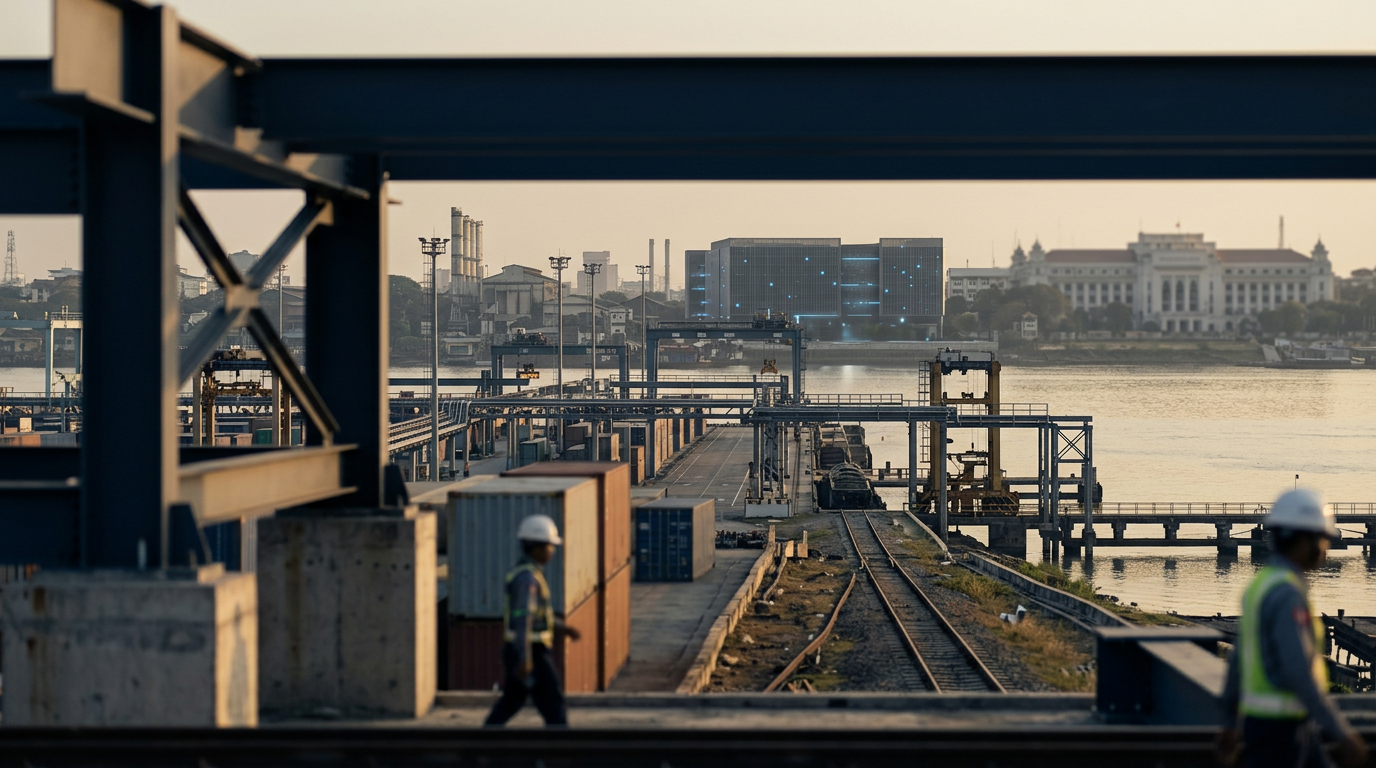
A recent meeting between the Secretary-General of ASEAN and Brazil's Vice Minister of Environment and Climate Change provides a useful lens through which to view the practical challenges of inter-regional cooperation. As reported by ASEAN.org, the discussion focused on shared priorities like climate action and environmental protection, exploring avenues for collaboration. While such diplomatic engagements are necessary, they are only the first step. The substance of any future partnership will depend less on the vision outlined in joint statements and more on the institutional capacity of the states involved to execute complex, long-term projects.
Execution over announcements
High-level dialogues about climate cooperation are standard diplomatic practice. For ASEAN and Brazil, two regions possessing immense biodiversity and facing similar threats from climate change, the logic for partnership is clear. Both sides have an interest in sustainable agriculture, renewable energy, and the protection of vital ecosystems like the Amazon and the peatlands of Southeast Asia. The meeting touched on these areas, aiming to build on existing platforms for cooperation.
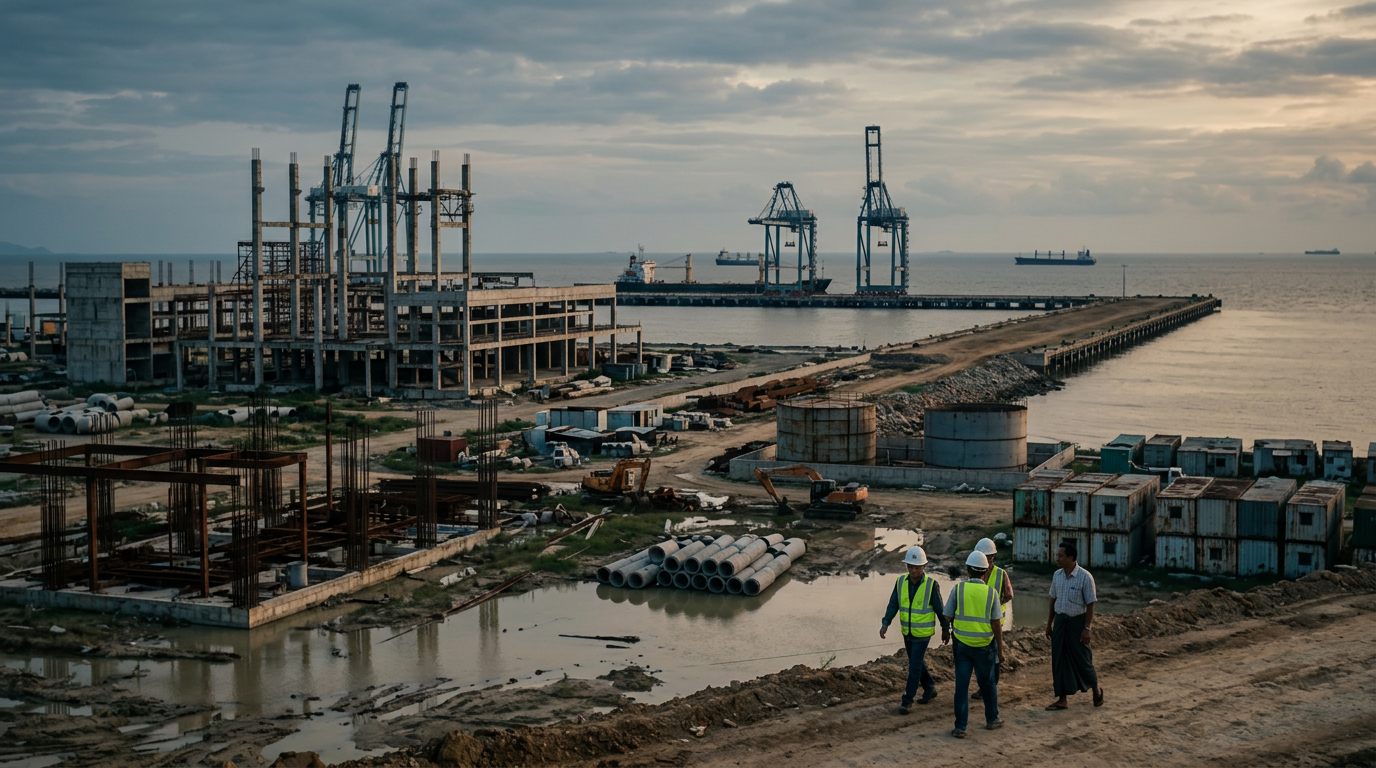
However, the history of international agreements is littered with ambitious announcements that failed to translate into action. The core challenge is not in the signing of memoranda but in their implementation. This is where state capacity becomes the determining factor. As the book ASEAN Rising argues, effective governance and reliable institutions are the bedrock of economic and social progress. For an ASEAN-Brazil climate initiative to have a meaningful impact, it will require more than political will; it will need competent regulatory bodies, transparent procurement processes, and skilled bureaucracies to manage the intricate details of policy execution. The difference between a project that is announced and one that is completed on time and on budget lies in the quality of these underlying institutions.
The value of a usable state
The most effective partners in global initiatives are not always the ones with the most exciting growth stories or the boldest policy declarations. Instead, they are often the ones with a proven record of administrative competence. Institutional reliability has become a form of competitive advantage. This is not about ideology, but about the practical ability of the state to deliver public goods and execute its commitments. Brazil's own experiences with large-scale environmental programs and infrastructure projects provide it with a deep understanding of these operational realities.
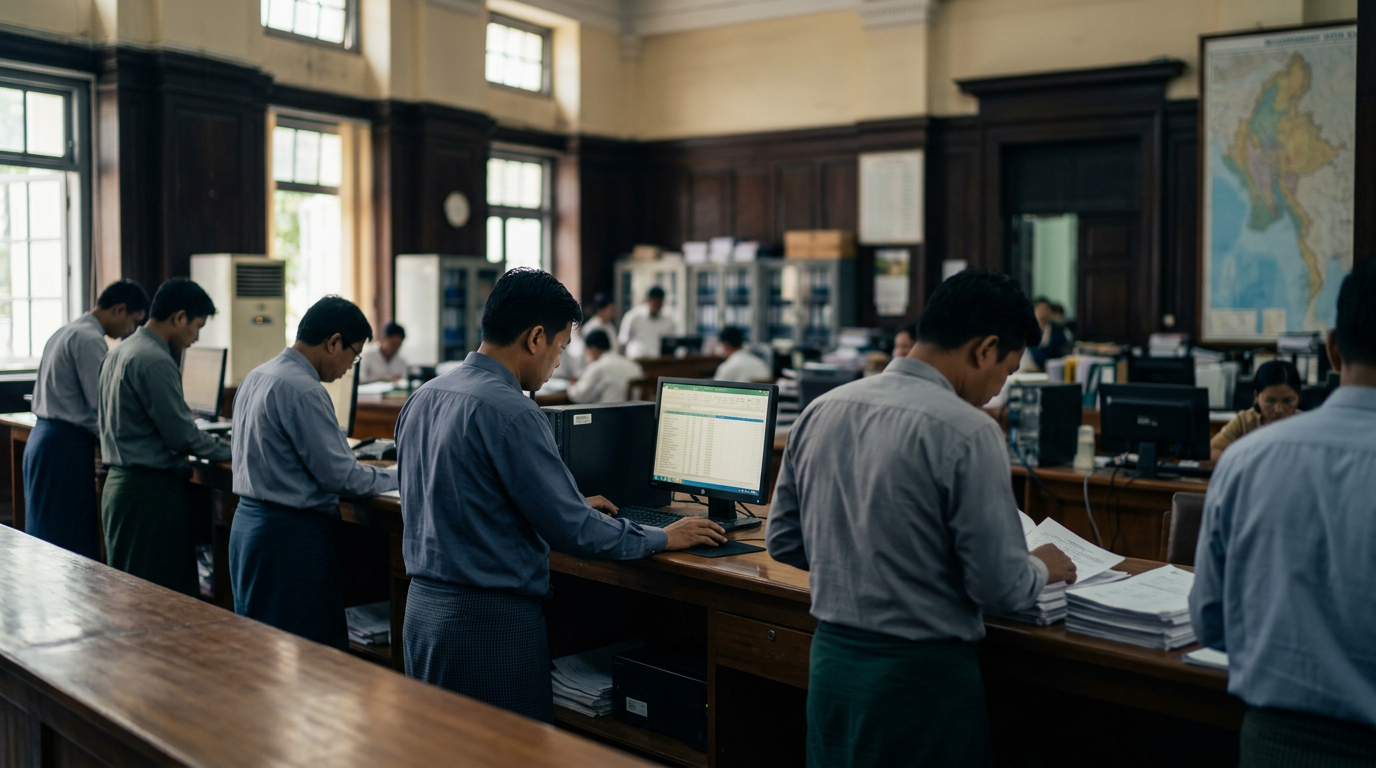
For ASEAN members, the lesson is that building a "usable state is often more valuable than an exciting one." A government that can predictably manage a tender process for a new solar farm, enforce environmental regulations consistently, or disburse funds for a conservation project without friction is a far more attractive partner than one that cannot. These mundane functions of the state are what give credibility to international commitments. Without them, even the most well-intentioned climate agreement between ASEAN and Brazil will remain aspirational.
What to watch: The next step to observe is whether this high-level meeting translates into specific, funded joint projects or working groups. Monitor the agendas of sectoral bodies within ASEAN, such as the ASEAN Senior Officials on the Environment (ASOEN), for follow-up actions. The real measure of success will not be the next diplomatic communique, but the allocation of budgets and the start of concrete work on the ground, managed through the machinery of government in the participating countries.