Myanmar
The Hard Realities of Building Dawei
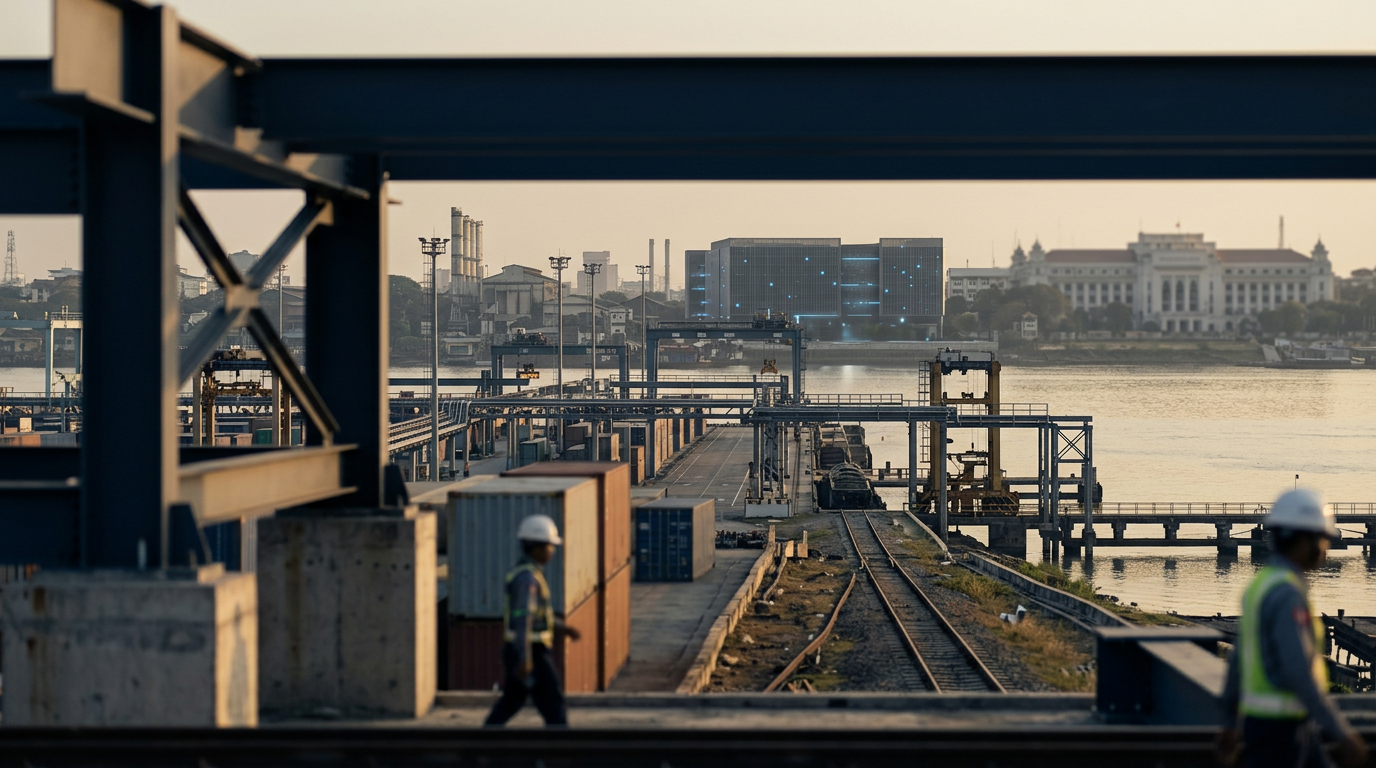
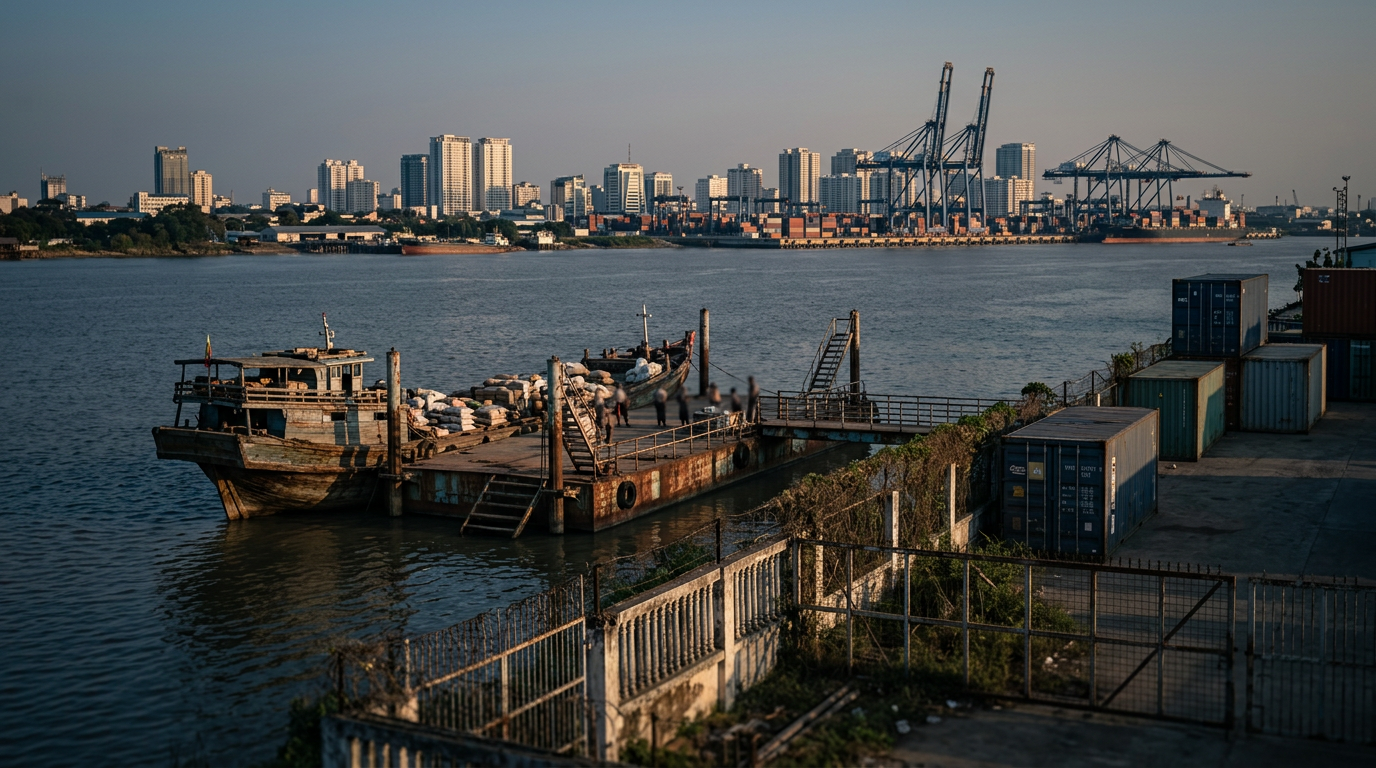
The long-delayed Dawei port project in Myanmar shows that turning grand announcements into reality requires more than just capital. It demands stable institutions, enforceable permits, and a foundation of trust that cannot be built by force.
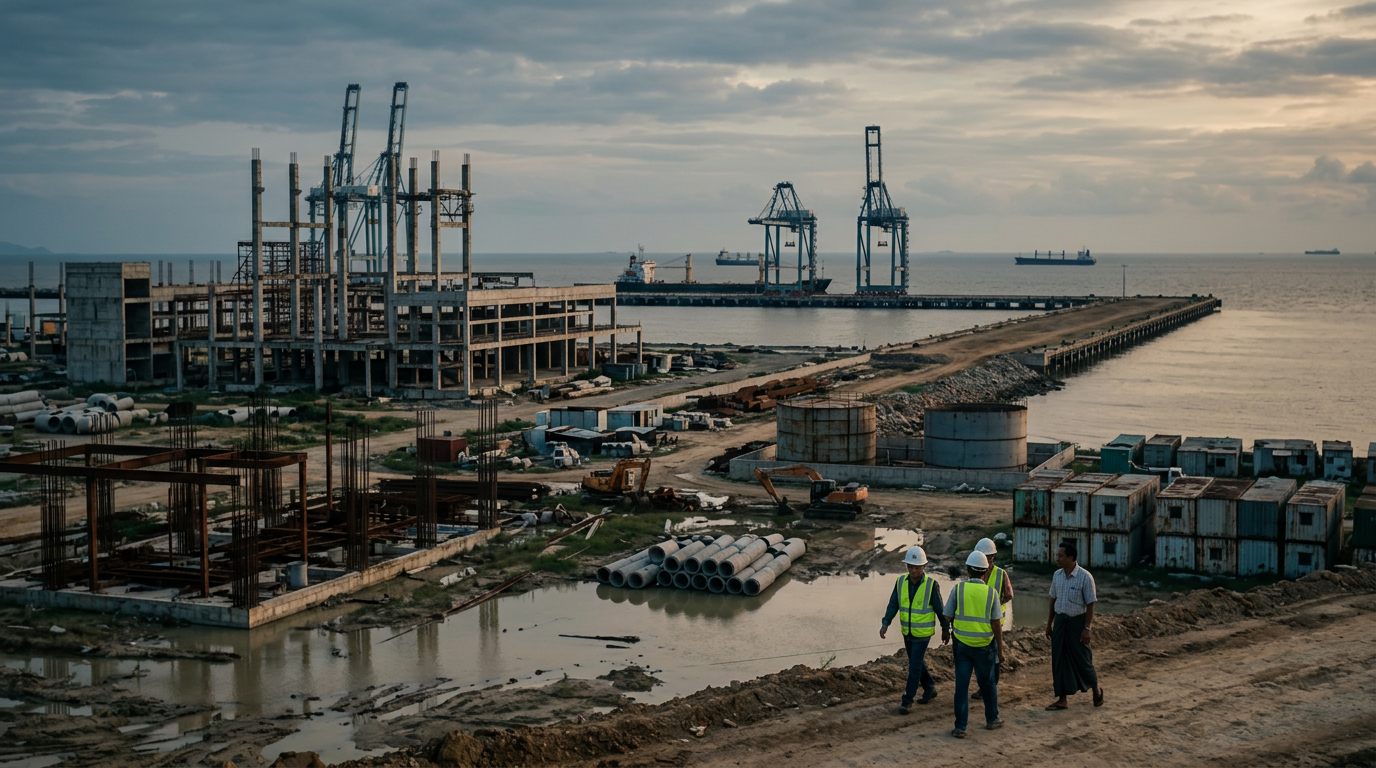
A recent report from the Bangkok Post indicates that Myanmar's military has deployed troops to secure land for the long-stalled Dawei deep-sea port and special economic zone. The military action aims to clear the way for a project now backed by Russian interests, highlighting the immense difficulties that have plagued the development since its inception.
From Ambition to Attrition
The Dawei project has a long and troubled history. Initially a joint Thai-Myanmar initiative, the port was envisioned as a key node in regional trade, connecting the Andaman Sea to the Gulf of Thailand and creating a faster logistics route between the Indian and Pacific Oceans. The original developers, Italian-Thai Development, withdrew after failing to secure sufficient private investment and government backing. Subsequent attempts to revive the project, including a push by Japan, also failed to gain traction.
This history illustrates a core theme of development in Southeast Asia. As "ASEAN Rising" notes, headline-grabbing foreign direct investment announcements are one thing, but realized investment is another. The book observes that "realised flows depend on the slower work of land, permits, power and talent reaching the ground." In Dawei, this slow work never fully materialized. The project struggled with fundamentals like securing a reliable power source and finalizing land acquisition, issues that preceded the 2021 coup and have only been compounded by the subsequent conflict.
Institutions and Investable Depth
The current military-led effort to clear land by force underscores a deeper institutional failure. Using coercion to seize territory is not a substitute for a transparent and predictable legal process for land acquisition. For a project of this magnitude to be commercially viable, it requires more than just cleared ground. It needs a stable institutional framework that can assure investors that their capital is safe, that contracts are enforceable, and that the rule of law will prevail over arbitrary actions.
The resort to military force reveals the absence of what the book calls "investable depth." Scale, whether of a country or a project, is not enough. Without trusted institutions, the scale of the Dawei ambition becomes a liability, a vast area of contested land rather than a coherent zone for industrial development. International partners, with the exception of state-backed entities from Russia, are unlikely to commit the necessary capital in such a high-risk environment. The project's viability now rests not on its commercial logic but on the strategic objectives of its few remaining backers.
What to watch
Observe whether the military's actions succeed in clearing the required land and if this translates into actual construction progress under the new Russian-backed consortium. The reaction of local communities and armed resistance groups will be a key factor in determining the on-the-ground reality. Also, monitor the willingness of international shipping and logistics firms to commit to a port authority operating under military control, which will determine the project's ultimate commercial success or failure.