Myanmar
Myanmar's Power Grid and the Price of Dependency
Myanmar's growing reliance on Chinese-built energy infrastructure highlights a difficult trade-off between solving immediate power shortages and preserving long-term strategic autonomy. The situation underscores how weak state institutions can create vulnerabilities that.
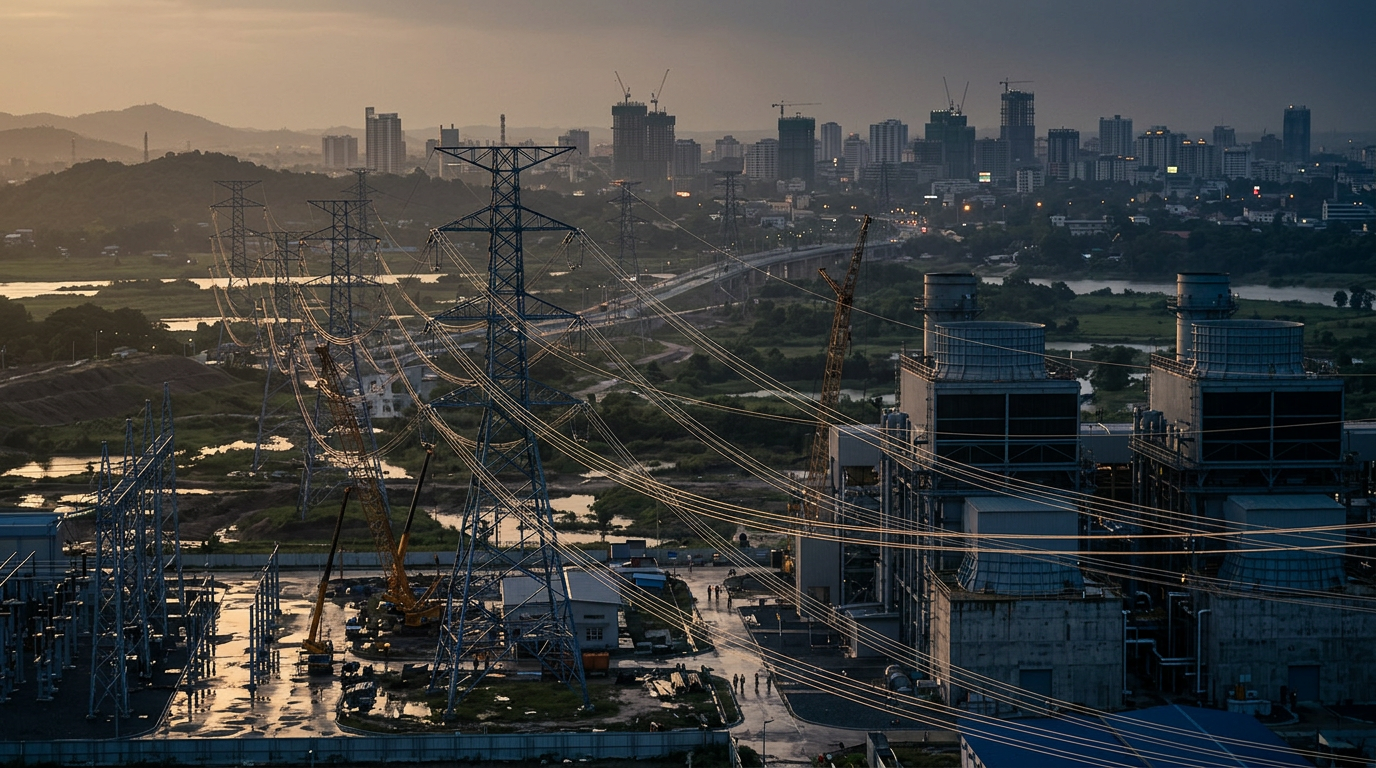
An article from The Irrawaddy details how Myanmar's energy system is becoming increasingly reliant on Chinese infrastructure to solve chronic power shortages, raising questions about the long-term strategic implications of this dependency.
Dependence by Design
The analysis suggests that China's deep involvement in Myanmar's power sector is creating a situation where Naypyidaw's control over its own national grid could be compromised. The term "kill switch" is a stark metaphor for the strategic leverage an external power can gain when it builds and operates a neighbor's essential infrastructure. This is not simply about kilowatts and transmission lines; it is about sovereignty. As Myanmar's domestic generation capacity falters amid political and economic turmoil, the reliance on imported electricity and Chinese-built infrastructure becomes a solution born of necessity, but one with significant costs.
Institutions and the Sovereignty Deficit
The situation in Myanmar is a clear illustration of a core theme from the book ASEAN Rising: weak state capacity creates vulnerabilities. When domestic institutions are unable to plan, finance, and execute large-scale, complex projects, a vacuum is created that external actors with capital and technical ability can fill. This process, while appearing to solve an immediate problem, can erode a nation's autonomy over time. The reliance on external partners becomes a substitute for the difficult, long-term work of building robust domestic institutions. This is a recurring pattern where the promise of quick infrastructure fixes can overshadow the slower work of institutional reform.
The Advantage of Execution
China's success in embedding itself in Myanmar's energy grid stems from its ability to deliver. For a government struggling with instability and a population facing power outages, tangible results matter more than abstract plans. As the book notes, "Infrastructure that arrives on time signals more than infrastructure that is merely announced." China's state-backed firms offer a full package of financing, materials, and construction management that frequently outpaces the capabilities of local ministries. This reliability is a powerful form of soft power that builds dependency. The problem is not the infrastructure itself, but the asymmetry in the relationship and the failure of Myanmar's own state apparatus to provide such a basic public good as reliable electricity.
What to watch
Observers should monitor the pace of Chinese-led grid interconnection projects and the percentage of Myanmar's electricity that is imported from or transmitted through Chinese-built infrastructure. Attention should be paid to any efforts by Myanmar's authorities to either diversify their energy partners or to implement reforms aimed at improving the capacity of their own energy ministry and state-owned enterprises. The terms of the financing for these infrastructure projects will also be a key indicator of the long-term balance of power in the relationship.