
ASEAN Analysis & Commentary
Every analysis published on ASEAN Rising is sourced, datestamped and signed. We're more interested in being right in 12 months than first in 12 minutes.
Foundation pieces
Start here. The three pieces below set out the lens ASEAN Rising uses to read every story.
ASEAN Rising's core lens. Execution Economics is the study of whether countries, companies and institutions can convert obvious potential into delivered outcomes - and which six pillars decide the answer.
The region has capital, demographics, location and policy ambition. None of that has ever been the binding constraint. The next decade is an execution test, not a potential test - and it is already being scored.
Malaysia is the test case for whether ASEAN's middle powers can turn FDI, semiconductors and data centres into compounding domestic capability. Read the live coverage and execution scorecard.
Analysis tagged #trust
 Philippines
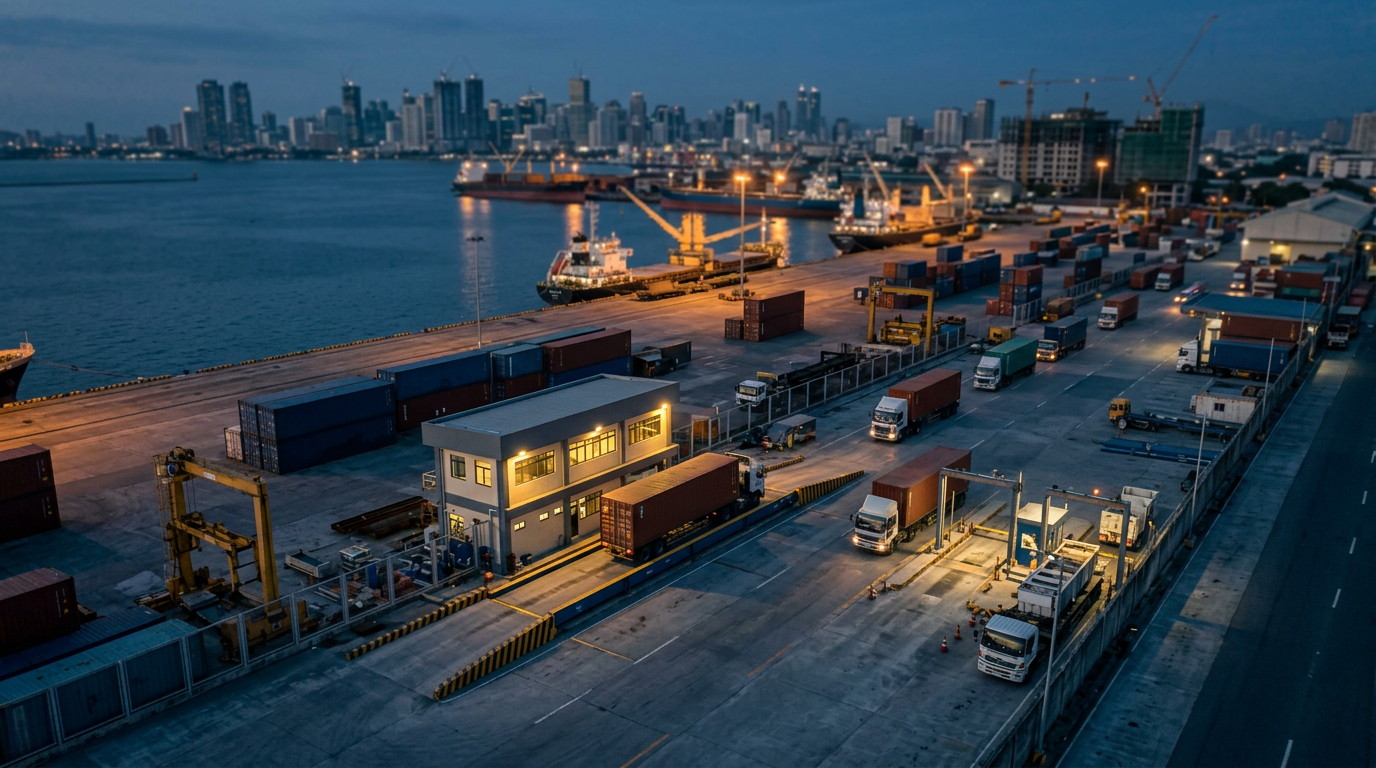
The Quiet Work of ASEAN Integration
The recent regional training on smart weighing systems is a small but telling example of how ASEAN is building the institutional capacity needed for a truly integrated economic community.
 Vietnam
The Hard Work of ASEAN Biodiversity
High-level statements on biodiversity are easy. The execution is not. ASEAN needs more than summits to protect its natural capital.
 Philippines
The Philippines Confronts Digital Scams
Caller ID apps are a private sector solution to a public sector problem, but a sustainable solution requires institutional heft.
 Philippines
Digital Trust in the Philippines: A Matter of Institutions
The "Di Lahat Dinededma" campaign by Whoscall, a caller ID service, is a private-sector response to a public-sector problem: the erosion of trust in digital communication. This is not just about blocking nuisance calls; it is about rebuilding the reliability of basic services.
 Philippines
Digital Trust in the Philippines: More Than Just an App
A campaign by a caller ID app in the Philippines puts a spotlight on the deeper issue of digital trust and institutional reliability in a rapidly growing economy.

 Brunei
The Price of Mistrust: Scams and State Capacity in the Philippines
Digital trust is not a luxury, it is a core component of a modern economy. The government's ability to create a secure digital environment is a test of its capacity to deliver essential services.
 Philippines
The Philippines Confronts Digital Scams
A popular app in the Philippines for identifying unknown callers highlights a growing challenge across ASEAN: building institutional trust in the digital economy.
 Brunei
The Infrastructure of Trust: Digital Security in the Philippines
In the Philippines, a new campaign by caller ID service Whoscall highlights the trust gap in digital communications, a problem that extends to the physical infrastructure challenges across Southeast Asia.
 Brunei
The Digital Trust Deficit: A Test for Philippine Institutions
The rise of digital scams in the Philippines, highlighted by a new public awareness campaign, exposes a critical deficit in institutional trust that extends beyond the digital realm.
 Philippines
The Philippines Confronts Digital Scams
The launch of a new anti-scam campaign by a caller ID application in the Philippines highlights the growing need for digital safety and robust institutions to combat online fraud.
 Brunei
The Quiet Foundation of Trust in the Digital Economy
Digital trust is not a given. It is built on reliable institutions and the capacity of the state to protect its citizens from digital harms like scams and fraud.
 Philippines
The High Cost of Digital Friction
A new campaign against phone scams in the Philippines highlights the economic cost of low-trust digital environments and the need for more reliable institutions.
 Philippines
The Unseen Infrastructure of Trust in the Philippines
Digital trust is a form of infrastructure. For the Philippines, rebuilding it is as important as any physical project.
 Philippines
The Infrastructure of Trust
A caller ID app in the Philippines illustrates the value of institutional reliability in the digital economy. The fight against scams is not only about consumer protection but also about building a usable state that can underpin commerce and deliver services efficiently.
 Brunei
The Infrastructure of Trust
In the digital economy, institutional reliability is a source of comparative advantage. A usable state is often more valuable than an exciting one.
 Philippines
Whoscall and the Price of Digital Mistrust in the Philippines
A popular caller ID app in the Philippines shows how private firms are filling the institutional gaps left by the state, creating commercial solutions to the high cost of digital friction.
 Philippines
Digital Trust as National Infrastructure
The Philippines is trying to fight a rising tide of digital scams. But individual solutions can only go so far without institutional support. What happens when trust in communications breaks down?
 Brunei
Digital Trust and State Capacity in the Philippines
Digital tools like caller ID are not just conveniences. They are becoming part of the institutional and state capacity that underpins a modern digital economy, reflecting a broader ASEAN trend.
 Philippines
The Infrastructure of Trust: Lessons From a Caller ID App in the Philippines
A popular caller ID app in the Philippines shows how institutions, both public and private, can build the trust that underpins a modern digital economy.
 Thailand
 Signals State Capacity With Industrial Reuse
In a competitive region, a usable state is often more valuable than an exciting one. The ability to execute on infrastructure projects builds trust and signals comparative advantage.
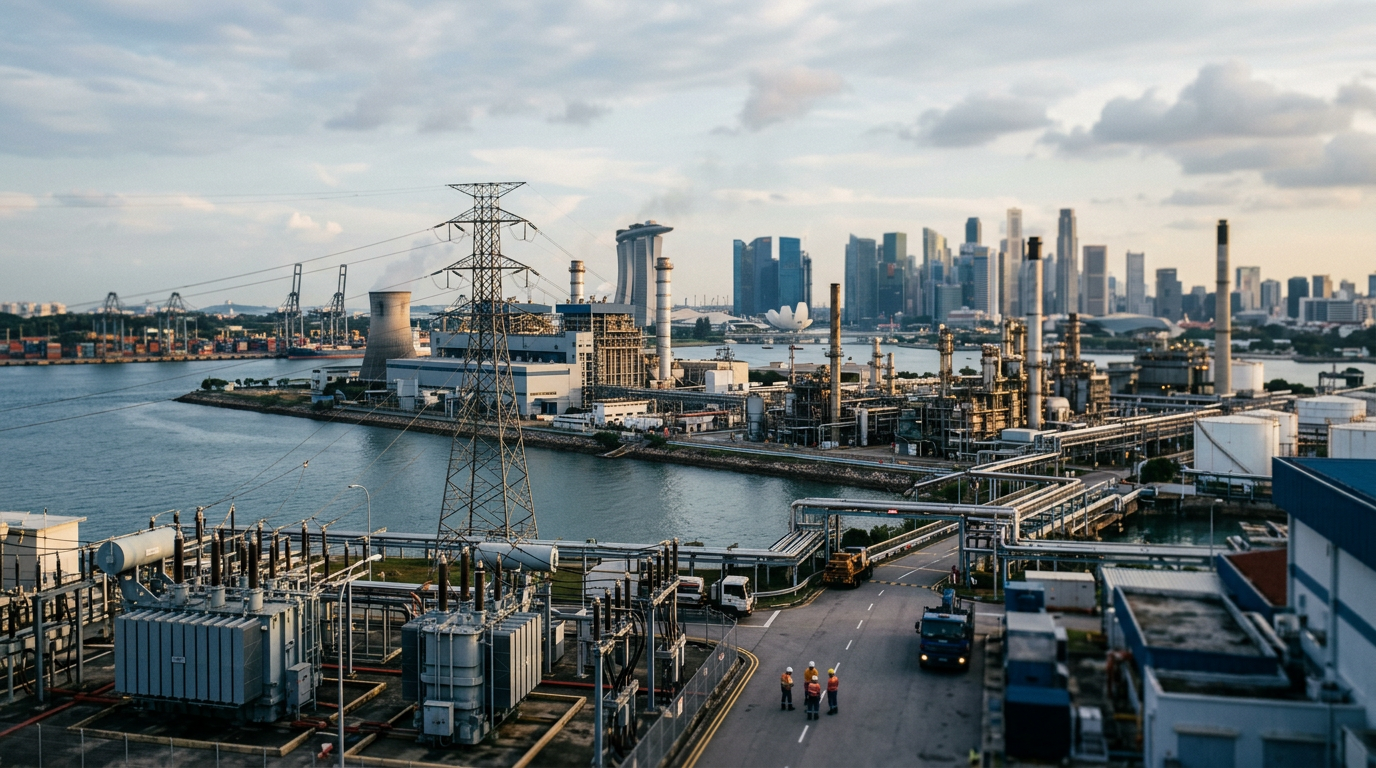
 Singapore
's Power Market Signals Institutional Strength
Recent volatility in Singapore's electricity market highlights the value of strong institutions and a reliable state, which provide a crucial comparative advantage in a turbulent world.
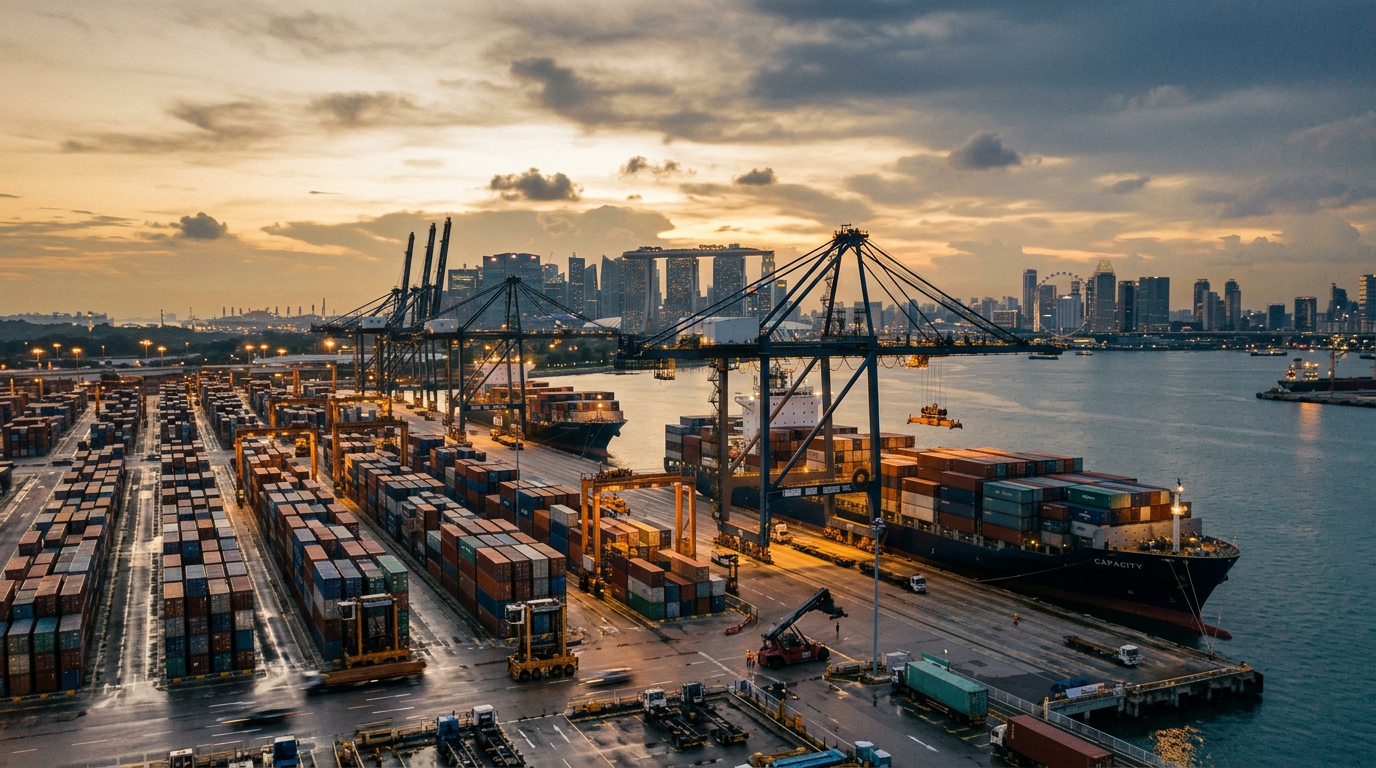 Singapore
State Capacity is a Utility
A usable state is often more valuable than an exciting one.
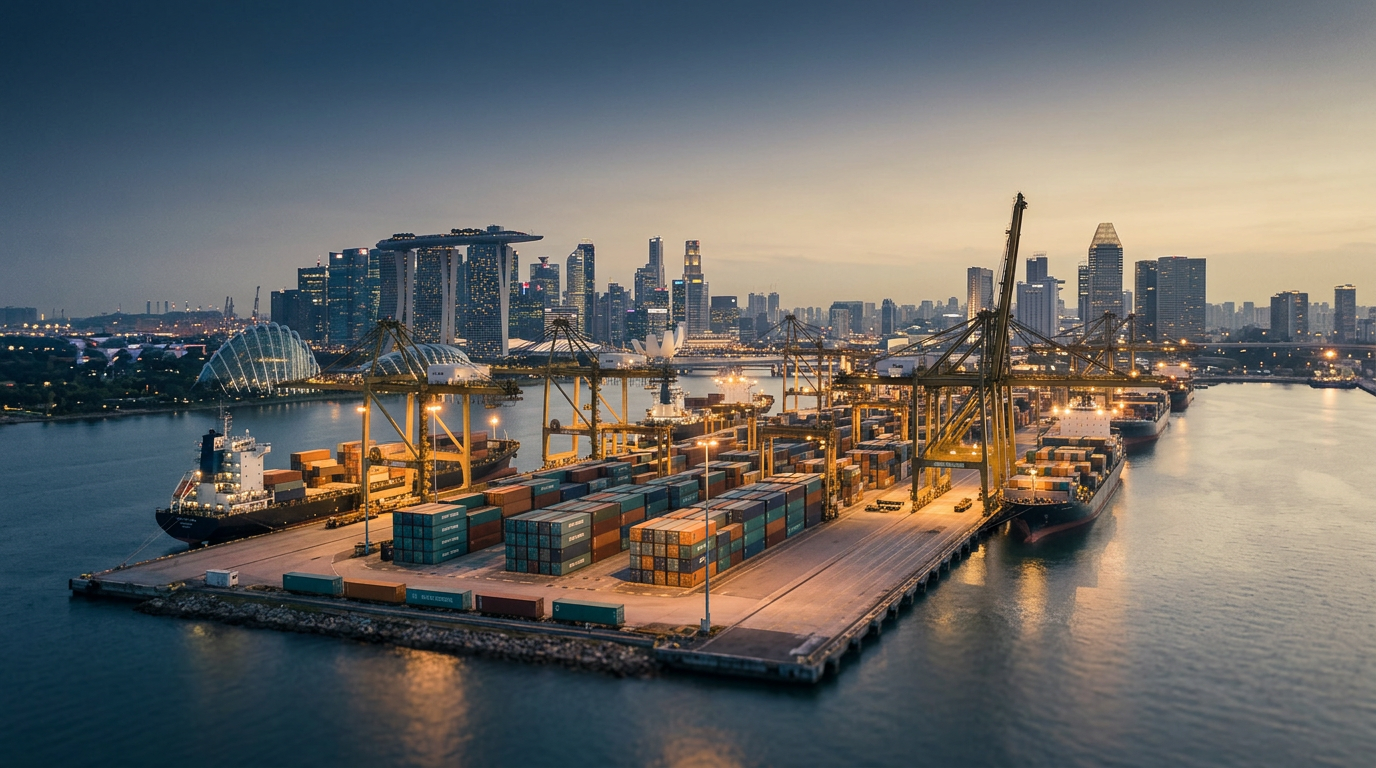 Singapore
State Capacity is a Competitive Edge in Energy Markets
Reliable infrastructure and predictable regulation are a form of competitive advantage in a volatile world.
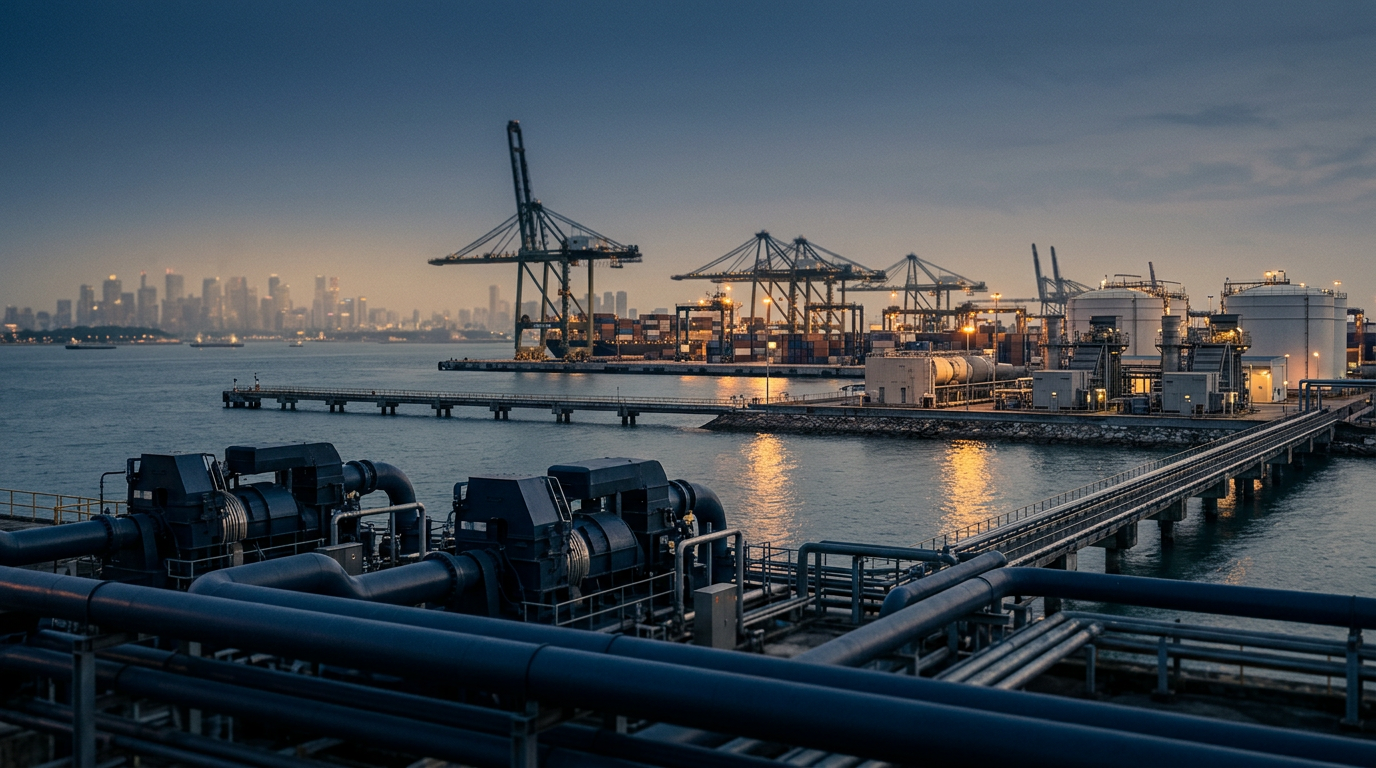 Singapore
Reliability as a National Asset in Singapore's Energy Market
Recent volatility in Singapore's electricity market provides a case study in the value of institutional reliability. While many systems can deliver under ideal conditions, the true test of a state's capacity is its ability to provide certainty in turbulent times.
ThailandThailand's Floods and the Infrastructure of Trust
The social media response to Bangkok's recent floods highlights a deeper issue: the growing gap between digital self-help and the reliability of public infrastructure.
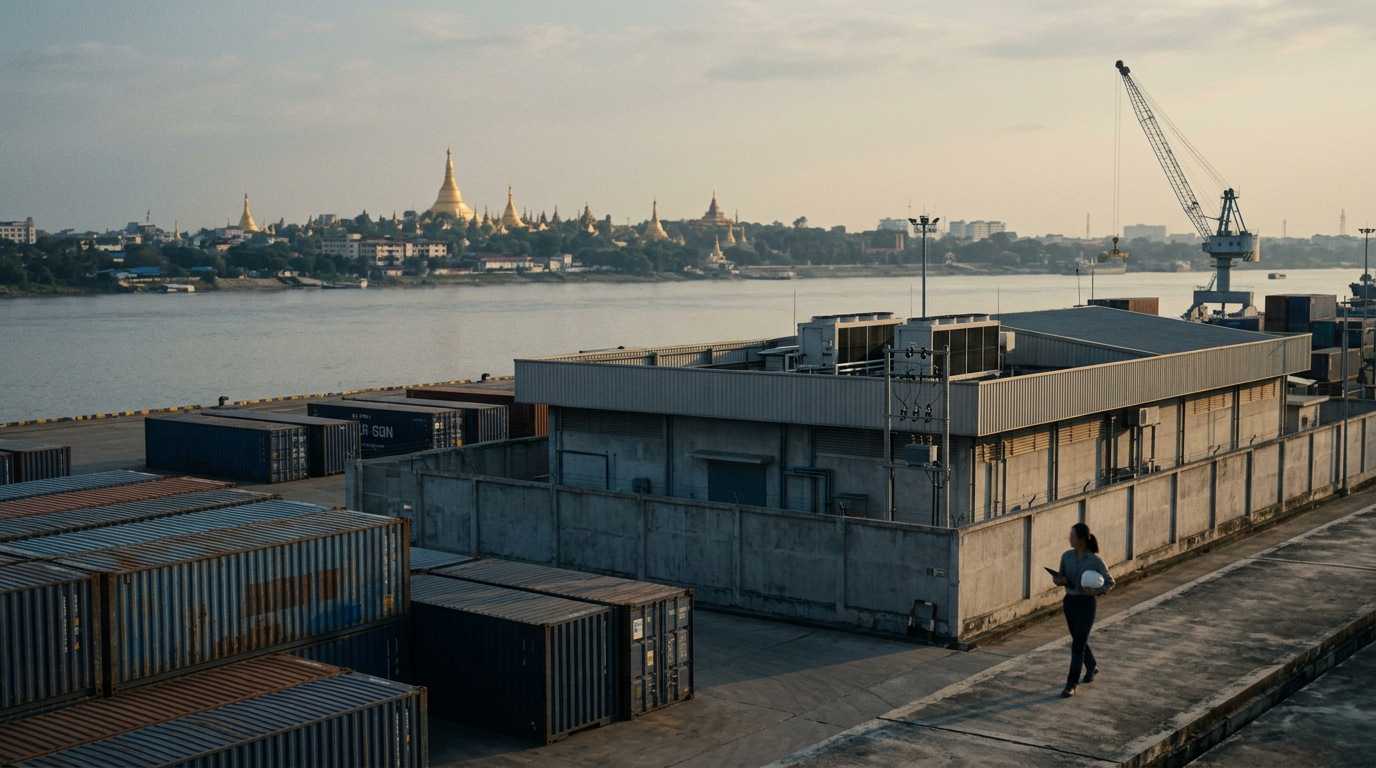
 Myanmar
State Capacity and the Future of ASEAN Data Centers
As global technology firms deepen their investment in ASEAN data center infrastructure, the region's long-term competitive advantage will be determined by state capacity and institutional reliability, not just by announcements of new projects.
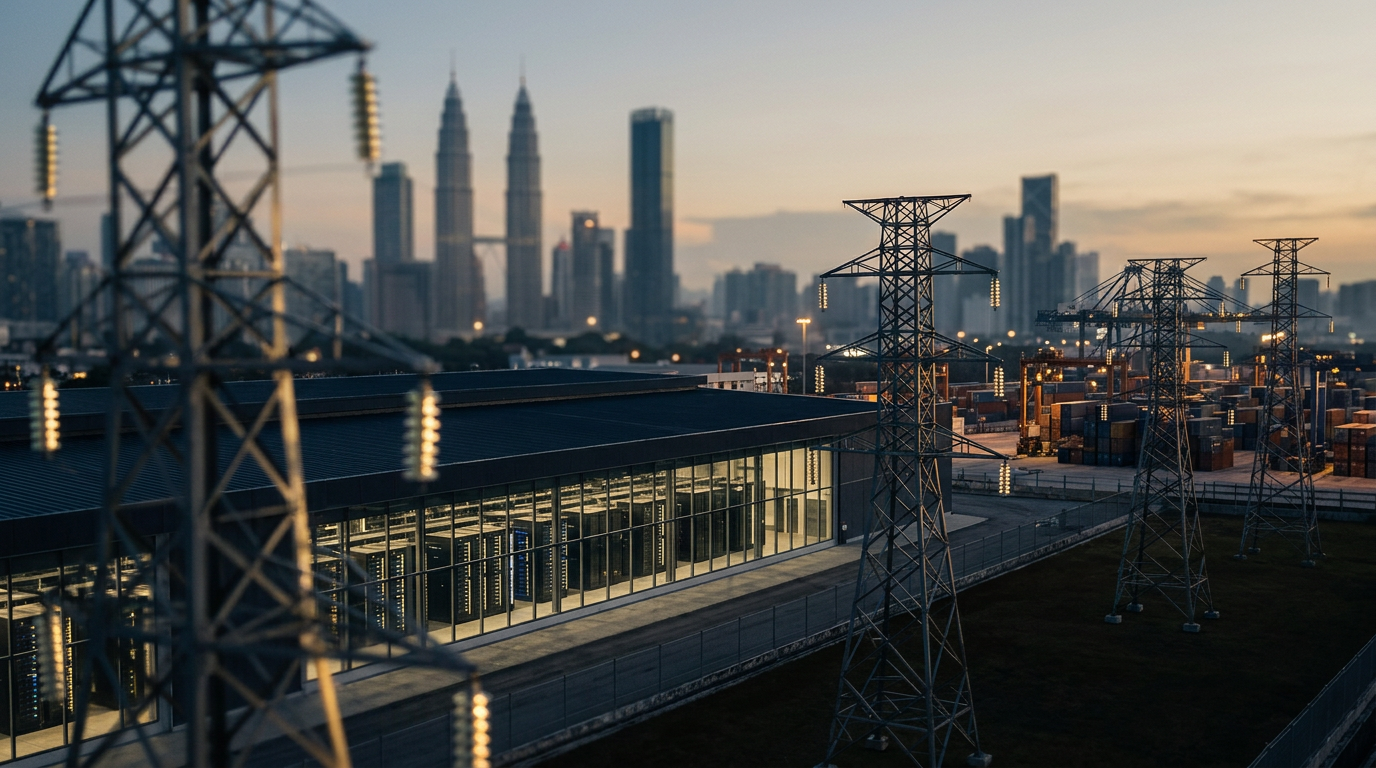
 Malaysia
's Electricity Market: A Test of Institutional Reliability
Malaysia's energy reforms are testing its state capacity. Recent electricity price spikes show that well-designed institutions are more valuable than ambitious announcements, a core theme of ASEAN Rising.
 Cambodia
 Tackles Online Scams as a Test of Institutional Capacity
The recent International Conference on Combating Online Scams in Phnom Penh signals a growing recognition that digital infrastructure requires the same institutional reliability as physical infrastructure.
 Philippines
The Quiet Execution of Philippine Infrastructure
Ayala Land's reinforcement of water infrastructure in its Lio Estate is a small but telling signal of a larger trend. Infrastructure that arrives on time signals more than infrastructure that is merely announced.
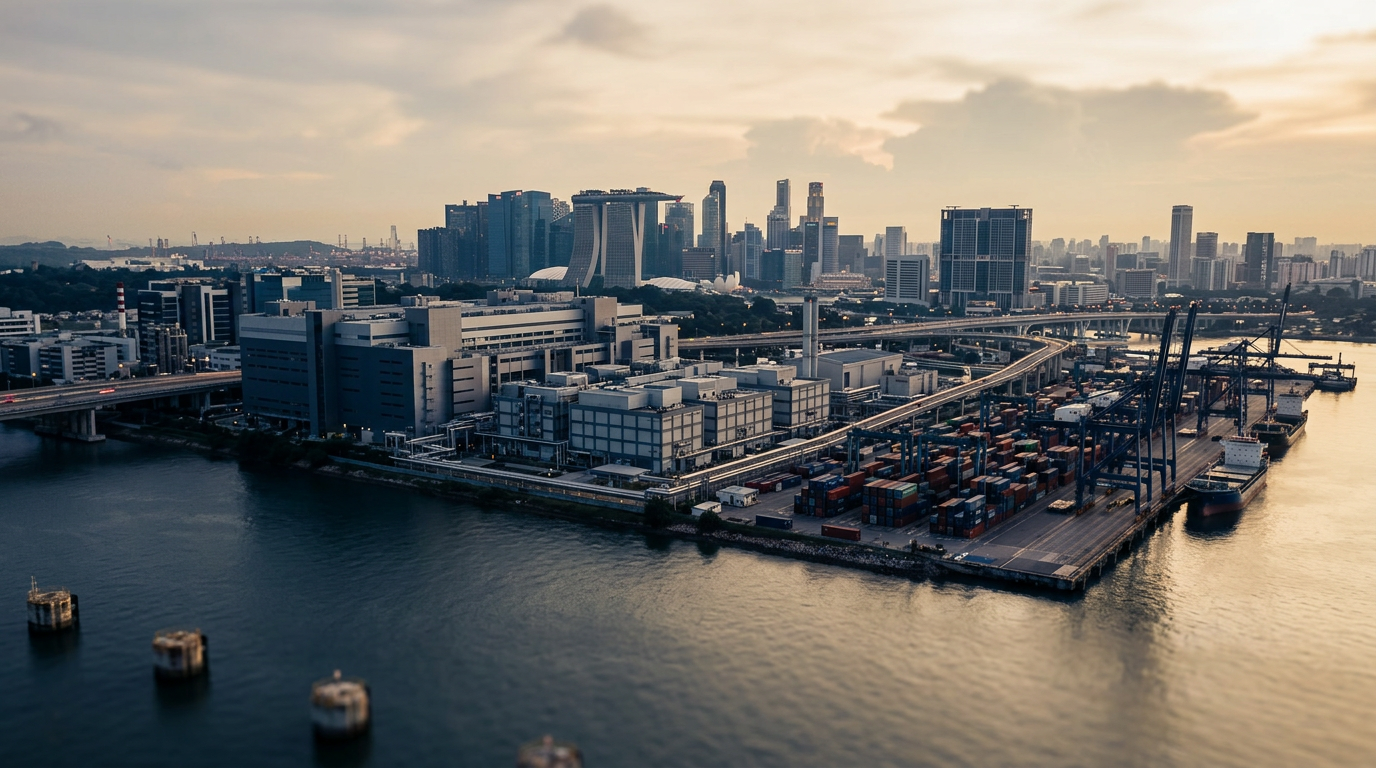 Singapore
, UMC, and the Value of a Usable State
UMC's $6.4 billion semiconductor fabrication plant in Singapore is a testament to the country's institutional reliability and its ability to deliver on infrastructure promises, which are key to attracting high-value, long-term investments.
 Malaysia
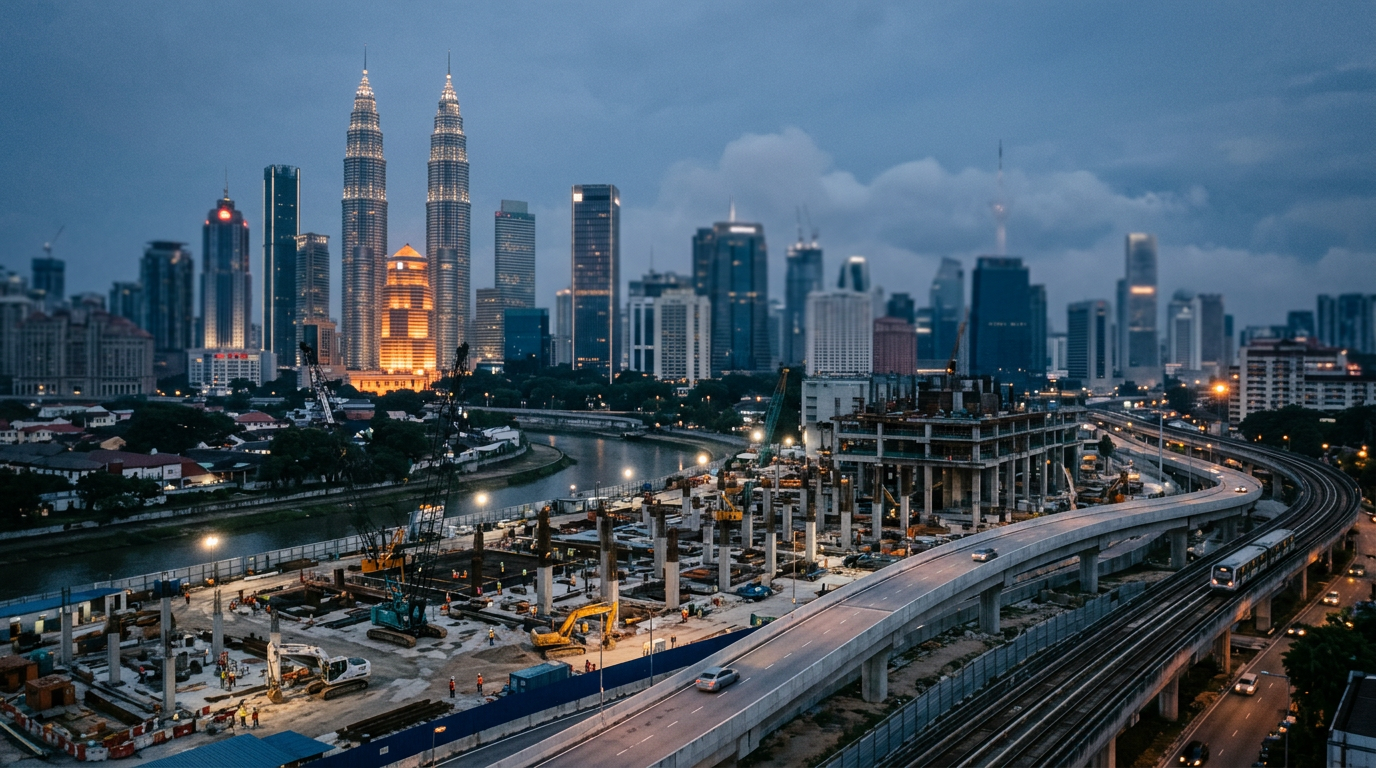
 Tests Its Infrastructure State Capacity
A recent S$2.1 billion hospitality portfolio revamp approved by Frasers Property shareholders is a positive signal. Yet it is also a reminder that institutional capacity, not just project announcements, is the bedrock of durable growth.
 Singapore
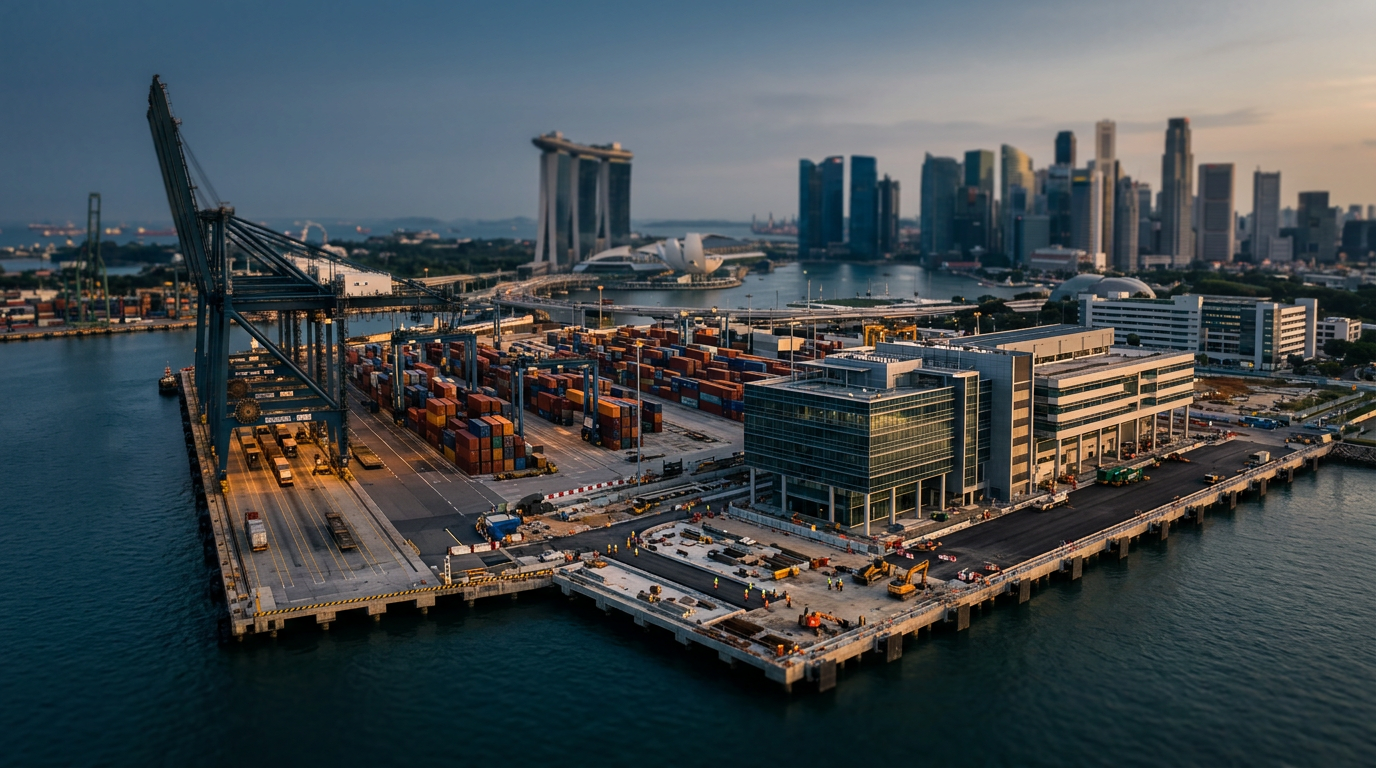
The Hard Work of Turning Investment Pledges into Reality
The new ICSID office in Singapore offers a venue for resolving disputes, but the deeper work of building institutional trust is what turns FDI announcements into realised flows of capital and talent.
 Singapore
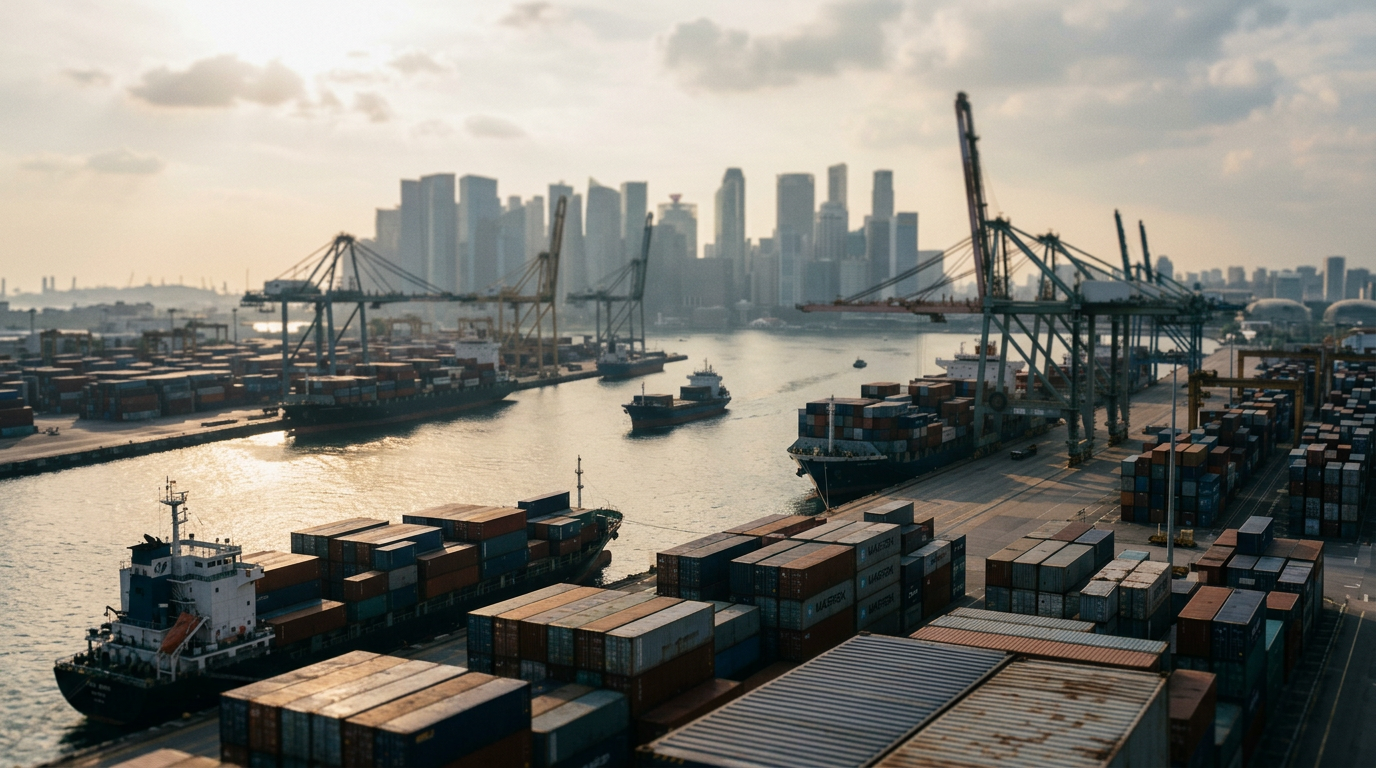
, Sanctions, and the Limits of Trust
New US sanctions on Singapore-based firms highlight the institutional strengths and reputational risks of the city-state. Trust, once established, is a durable but not unbreakable asset.
 Singapore
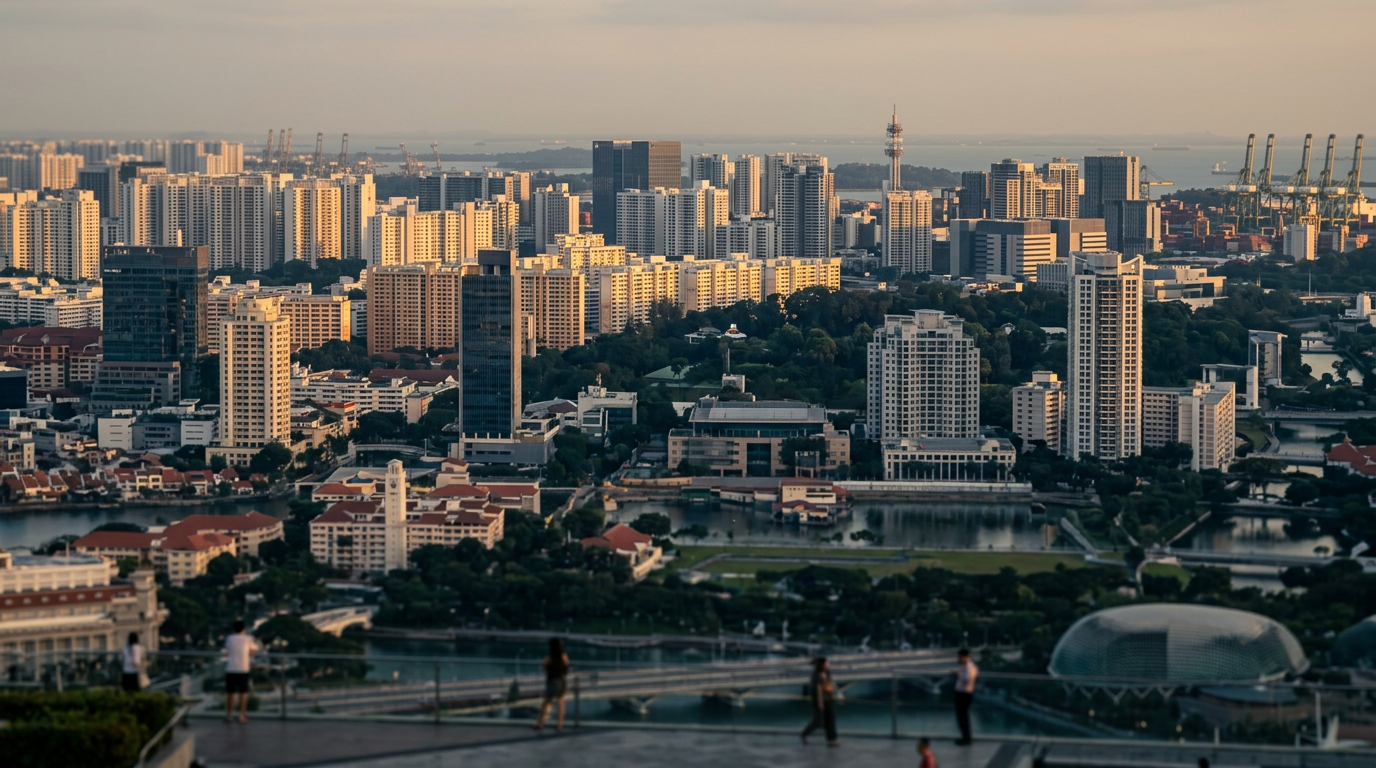
's Housing Policy and the Infrastructure of Trust
Singapore's public housing system is a demonstration of how a state can build trust not just through policy, but through reliable execution.
 Singapore
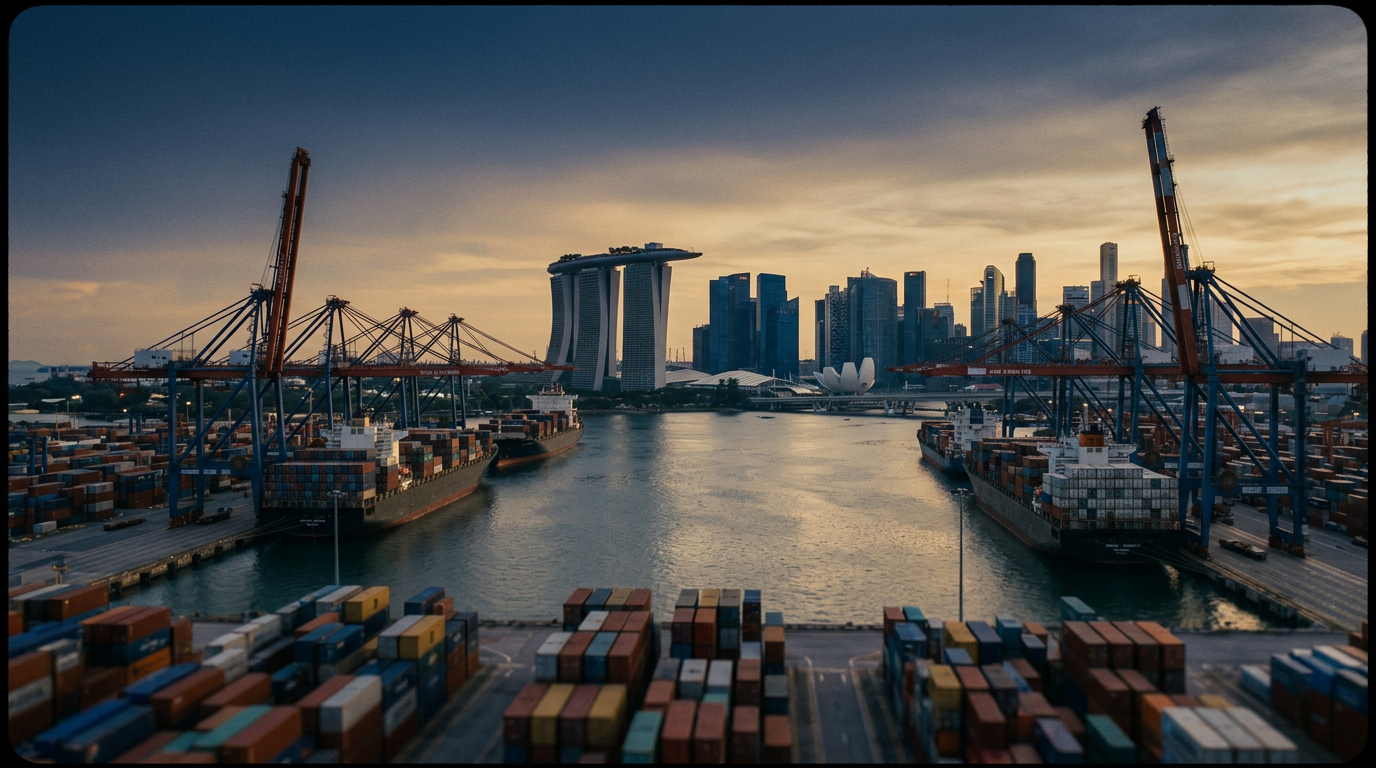
, Trust, and Trade with China
The recent police investigation into one of the world's largest iron traders in Singapore casts a harsh light on the complexities of regional trade, particularly with China. As the book ASEAN Rising notes, the depth of trade with China is now a structural feature for the region.
 Singapore
Thailand's Digital Passport and the Trust Deficit
Thailand's TH-AI Passport aims to streamline digital identity, but public skepticism highlights the difference between announced and implemented infrastructure. Execution will determine if it builds or erodes trust in the country's digital ambitions.
 Singapore
's Boring Brilliance Is Its Edge
A reported S$320 million Singapore mall deal is not a surprise. It is a sign of institutional reliability that other ASEAN states must build.
 Thailand
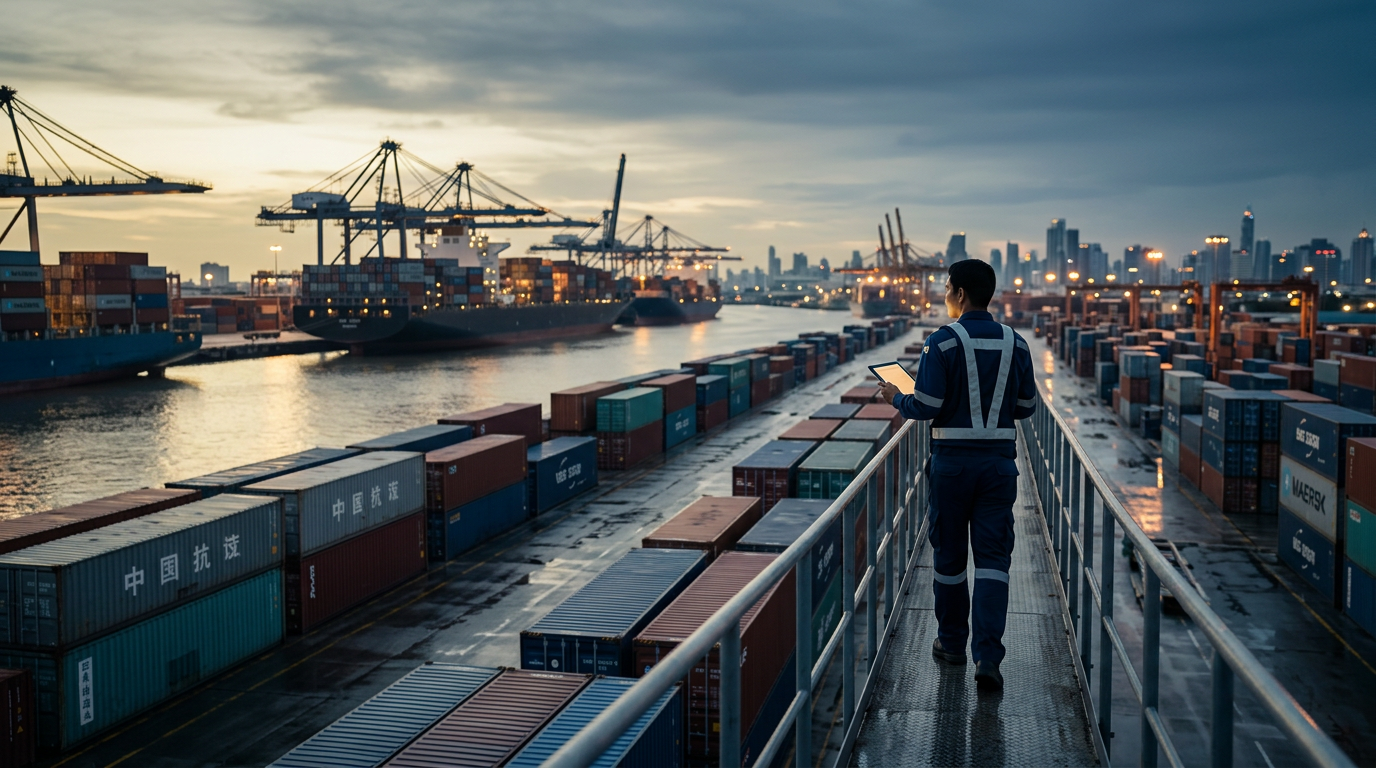
, Trade, and Trust in the US-China Rivalry
A recent White House report on transshipment puts Thailand in a difficult position, highlighting the delicate balance ASEAN nations must strike between their deep trade ties with China and their strategic relationships with the United States.
 Cambodia
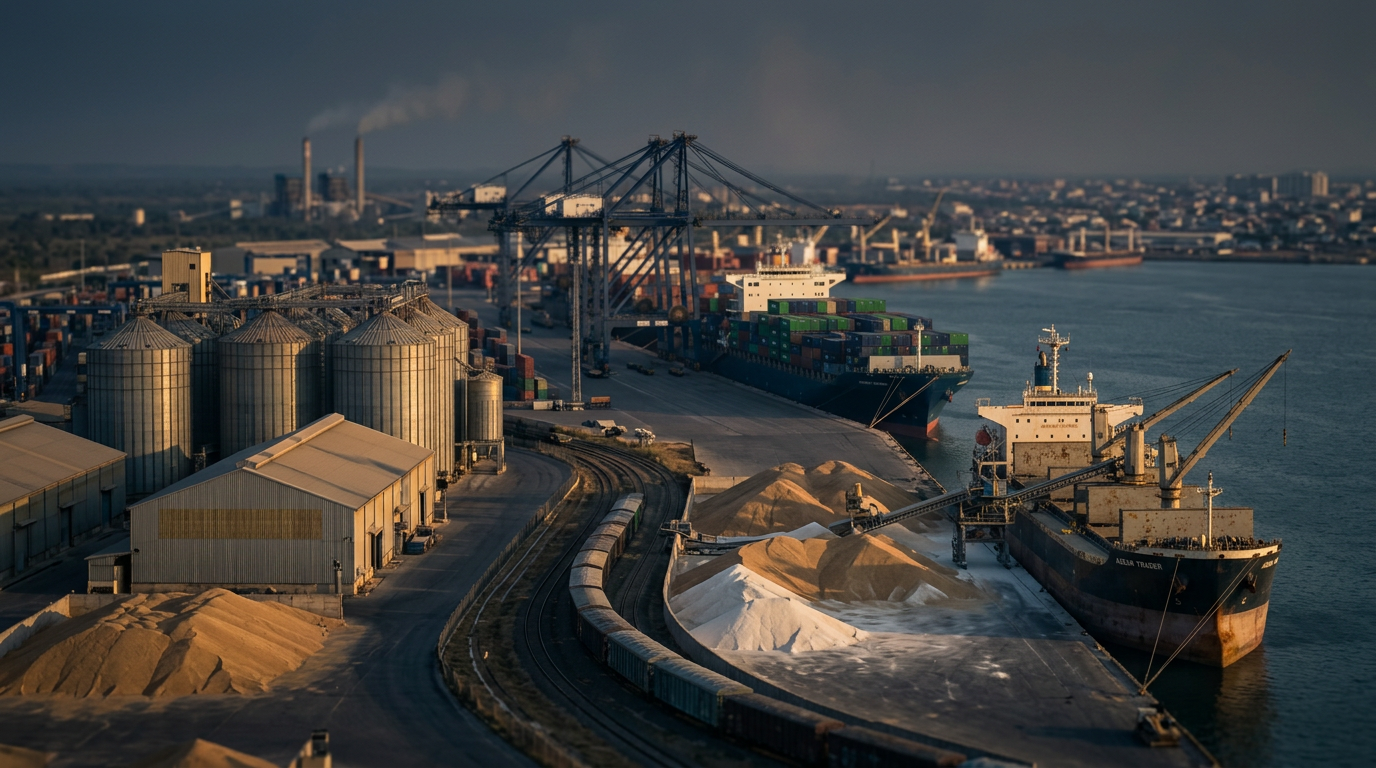
El Niño and ASEAN's China Trade: A Structural Test
Thai sugar producers are bracing for a severe El Niño. This weather event will test ASEAN's capacity to manage commodity trade disruptions and its deep, structural trade relationship with China.
 Thailand
's AI Hesitation and ASEAN's Sovereignty Test
Employee resistance to AI in Thailand highlights a broader challenge for ASEAN: building the talent and trust necessary to underpin a truly sovereign digital economy.
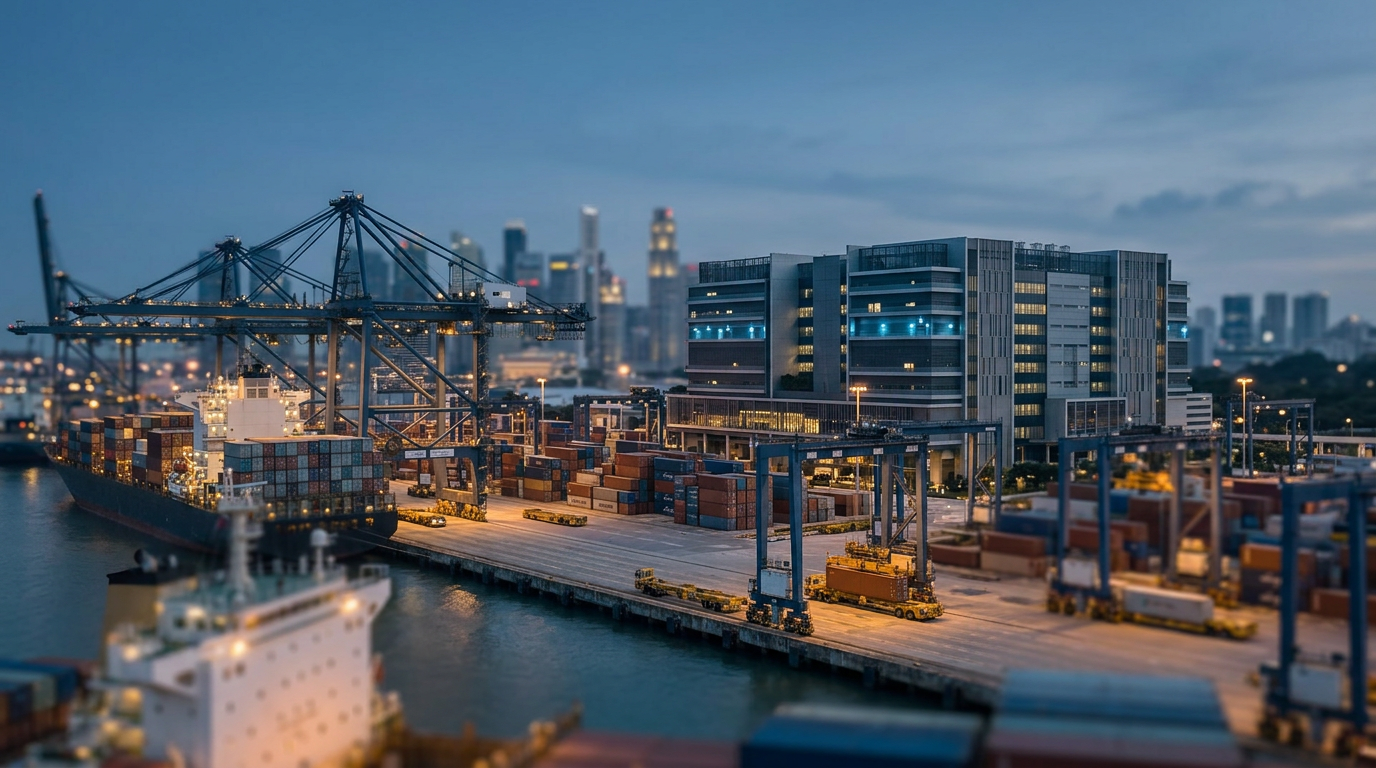 Singapore
's Competitiveness is a Story of Institutional Reliability
A recent report on Singapore's economic strategy highlights its focus on connectivity and regulation. This approach affirms a core principle: in a complex world, a usable and reliable state is the most valuable asset for long-term growth.