Malaysia
Malaysia Tests Its Infrastructure State Capacity
A recent S$2.1 billion hospitality portfolio revamp approved by Frasers Property shareholders is a positive signal. Yet it is also a reminder that institutional capacity, not just project announcements, is the bedrock of durable growth.
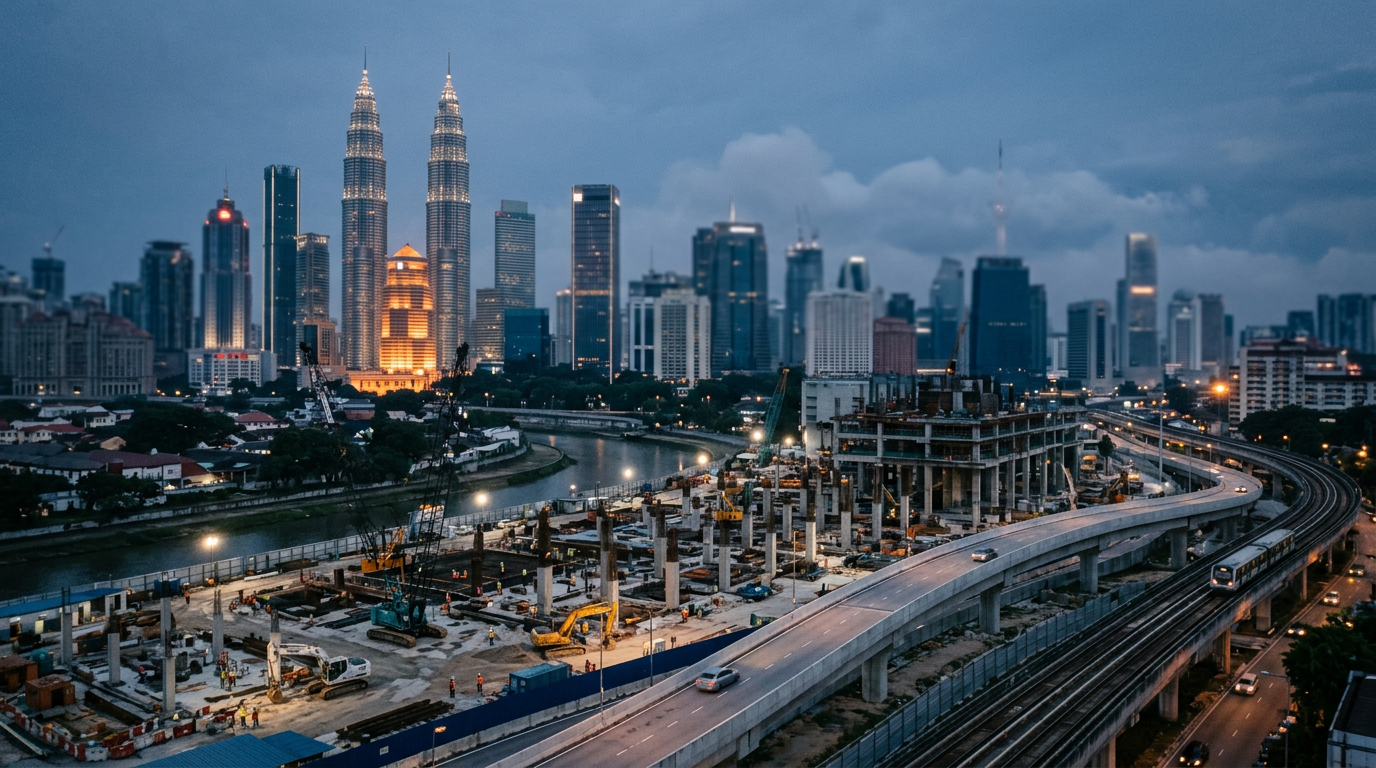
A recent S$2.1 billion hospitality portfolio revamp, approved by Frasers Property shareholders, serves as a fresh indicator of Malaysia's ambition to upgrade its economic hardware. As reported by the Business Times, the transaction, which is expected to be completed by the end of Frasers' 2026 financial year, is a notable private-sector vote of confidence in the country's physical infrastructure.
Yet announcements are only the first step. The real measure of progress lies in execution, a theme that highlights the importance of state capacity in turning blueprints into reality. This is not merely about having the funds or the political will to initiate projects; it is about the underlying institutional machinery required to see them through to completion without costly delays or friction.
Institutions and Execution
Grand infrastructure plans are a familiar feature of economic planning in Malaysia and across ASEAN. The Frasers Property transaction is a private-sector endeavor, but it relies on a predictable public-sector framework for regulation, permits, and supporting infrastructure like transport and utilities. The success of such ventures hinges on the quiet, often unglamorous, work of a competent state apparatus.
As the book ASEAN Rising argues, the ability to deliver infrastructure on schedule is a powerful signal to global capital. It demonstrates a level of institutional reliability that can be a more significant advantage than a project's initial ambition. A state that can ensure projects are completed on time and within budget creates a positive feedback loop, attracting further investment and reinforcing its reputation for competence. This is where the concept of a "usable state" becomes paramount - one that is functional and predictable for businesses and citizens alike.
Capital and Trust
The S$2.1 billion commitment from Frasers is substantial. For capital of this scale to be deployed, investors require a high degree of trust in the host country's institutions. This trust is not built on headlines or policy announcements alone. It is earned through the consistent and transparent application of rules, the enforcement of contracts, and the assurance that the operational environment will remain stable over the long term.
When state capacity is weak, friction increases. This friction can manifest as bureaucratic delays, regulatory uncertainty, or corruption, all of which act as a tax on investment and erode trust. For Malaysia, ensuring that large-scale projects like the Frasers hospitality revamp proceed smoothly is an opportunity to demonstrate that its institutions are reliable. Each successfully executed project builds a track record that is more valuable than any marketing campaign. "Institutional reliability has become part of comparative advantage," and this is particularly true when it comes to attracting and retaining long-term capital for infrastructure.
Beyond the Headlines
The Frasers deal is a positive development, but it represents one data point in a much larger picture. Malaysia, like its neighbors, is in a constant process of building and testing its state capacity. The performance of its institutions in facilitating private-sector investments and executing public projects will determine its economic trajectory.
Foreign and domestic investors will be watching not just the big-ticket announcements but the follow-through. The core of sustainable development is not found in the initial press release but in the steady, methodical work of building and maintaining the physical and institutional infrastructure that underpins a modern economy. What to watch: Observers should monitor the execution timeline of the Frasers portfolio revamp through 2026 for any delays or regulatory hurdles. Beyond this specific project, attention should be paid to Malaysia's broader public infrastructure initiatives, particularly in transport and energy, tracking the gap between announced timelines and actual completion dates as a measure of the state's operational capacity.