Singapore
Singapore, Sanctions, and the Limits of Trust
New US sanctions on Singapore-based firms highlight the institutional strengths and reputational risks of the city-state. Trust, once established, is a durable but not unbreakable asset.
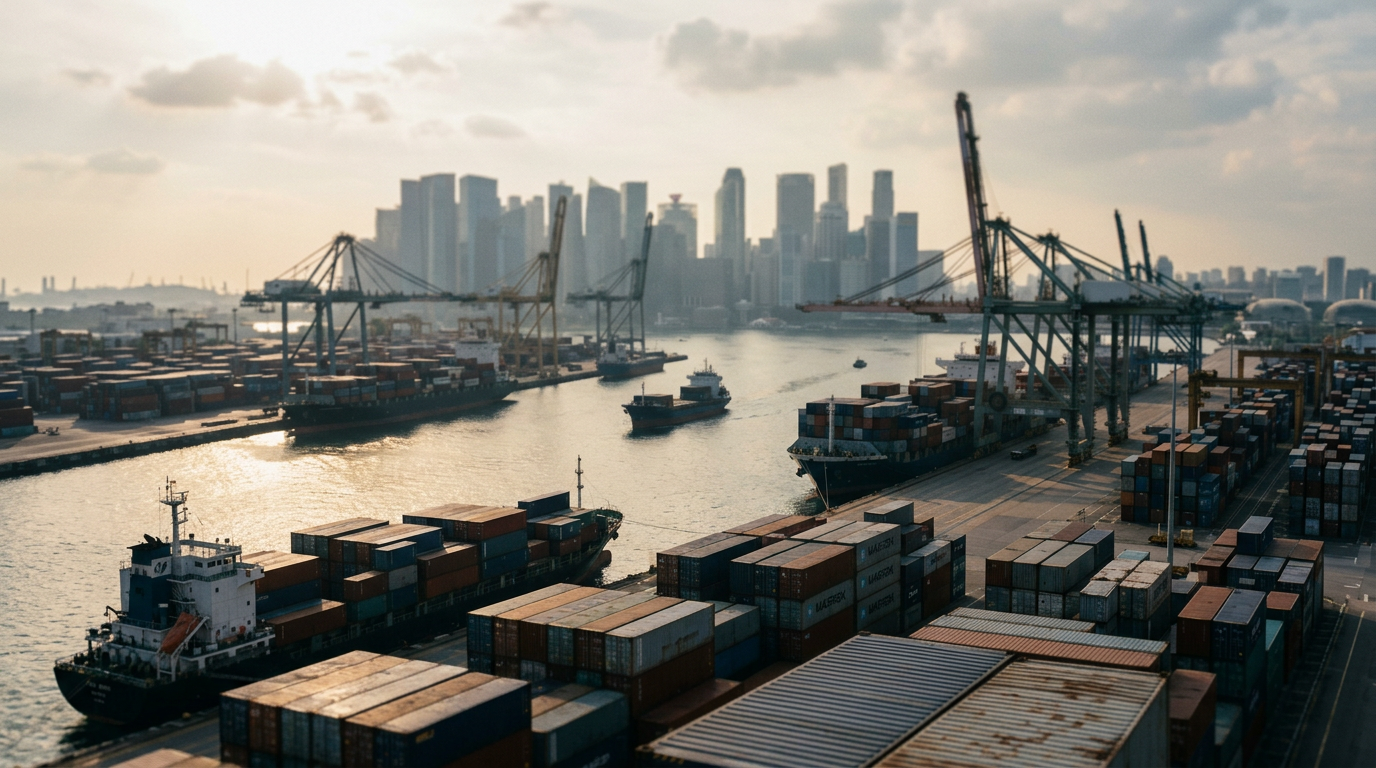
New sanctions from the US Treasury targeting Iran-related entities have implicated several companies based in Singapore, as reported by the Business Times. The move by the Office of Foreign Assets Control (OFAC) serves as a reminder that even the most trusted and stable nodes in the global financial system must contend with geopolitical risk and the challenge of illicit finance.
Institutions as a Bulwark
Singapore's success is built on a foundation of strong, transparent, and reliable institutions. This institutional framework has made it a preferred domicile for international business and a magnet for foreign capital. It has established a reputation for regulatory rigor and the rule of law, which are essential for its role as a global financial center. The country's authorities, including the Monetary Authority of Singapore (MAS), have consistently stated their commitment to combating money laundering and sanctions evasion. The current OFAC action, however, shows that no jurisdiction is immune. Illicit actors actively seek to exploit trusted hubs, using shell companies and complex ownership structures to obscure their activities. The very efficiency and global connectivity that make Singapore attractive to legitimate businesses also make it a target for those with other motives. The strength of Singapore's institutions is therefore tested not by the absence of such attempts, but by the speed and effectiveness of its response.
The Durability of Trust
Trust is a core asset for Singapore. It underpins its status as a safe harbor for investment and a neutral ground for international diplomacy and commerce. This trust is not accidental; it is the result of decades of deliberate policy and consistent execution. As the book "ASEAN Rising" notes, for capital to flow, there must be confidence in the underlying systems. While headlines about sanctions may cause temporary concern, the deeper question is whether the institutional response is robust. The Singaporean authorities have demonstrated their willingness to investigate, prosecute, and tighten regulations when illicit activities are uncovered. This track record is a key part of maintaining international confidence. A reputation for integrity is hard-won and requires continuous maintenance. For Singapore, this means constant vigilance and a proactive stance in policing its own financial ecosystem, ensuring that it remains a difficult and inhospitable place for illicit finance.
What to watch
The response from Singapore's regulatory bodies will be closely monitored by international partners and investors. Look for any further enforcement actions, statements on regulatory adjustments, and increased scrutiny of corporate service providers. The episode is a stress test for the country's supervisory systems and its ability to adapt to evolving global security threats while preserving the openness that is fundamental to its economic model.