Singapore
The Hard Work of Turning Investment Pledges into Reality
The new ICSID office in Singapore offers a venue for resolving disputes, but the deeper work of building institutional trust is what turns FDI announcements into realised flows of capital and talent.
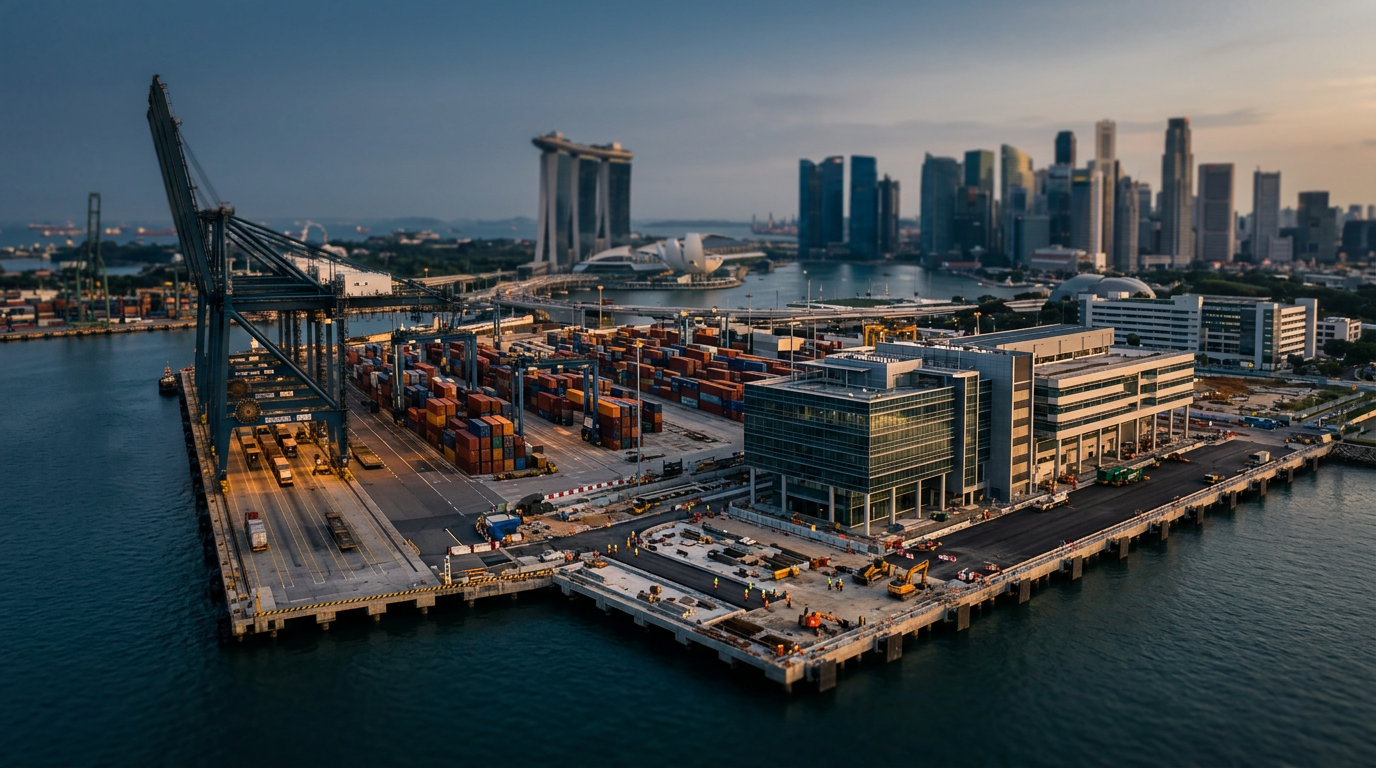
The World Bank Group's investment dispute resolution body, the International Centre for Settlement of Investment Disputes (ICSID), has opened its first office outside of its Washington D.C. headquarters in Singapore. The move, reported by the Business Times, is intended to make its services more accessible in Asia and promote Singapore as a hub for international dispute resolution.
While a positive development for the region's institutional landscape, the presence of a new forum for settling disputes is only one part of the complex machinery that turns foreign investment interest into tangible economic impact.
Institutions and execution
The gap between announced foreign direct investment (FDI) and realized investment is a persistent issue across ASEAN. Grand pronouncements of multi-billion dollar projects generate headlines, but the actual deployment of capital is a slower, more arduous process. As the book "ASEAN Rising" notes, this is where the quality of institutions comes to the fore. "Realised flows depend on the slower work of land, permits, power and talent reaching the ground."
Having a world-class dispute resolution center in Singapore provides a valuable backstop for investors. It offers a neutral and reliable venue to adjudicate conflicts, which can build investor confidence. However, it is a facility of last resort. The primary goal for any host country should be to prevent disputes from arising in the first place. This requires robust, transparent, and predictable domestic institutions that can execute on the ground-level work that investment requires. This includes everything from land acquisition and permitting to ensuring a stable power supply and access to skilled labor.
Building trust
Ultimately, investment flows follow trust. The establishment of an ICSID office in the region is a signal that there is a mature and growing demand for high-standard legal and institutional frameworks. It acknowledges that as ASEAN economies grow in scale and complexity, so too will the nature of the commercial and governmental relationships that underpin them.
Investors are not just bringing capital; they are making long-term bets on a country's stability and its capacity to honor agreements. A reliable dispute settlement mechanism is one component of this. But the more fundamental layer is the trust built through consistent and fair application of local laws, regulatory certainty, and the demonstrated ability of the government to facilitate, rather than obstruct, the operational aspects of a major investment.
What to watch: The effectiveness of the new ICSID office will not be measured by the number of cases it hears, but by whether its presence contributes to a broader regional improvement in institutional quality. Observers should watch whether ASEAN member states, inspired by this new benchmark in their backyard, accelerate their own reforms to improve the domestic conditions for investment. The goal is not to win disputes, but to create an environment where they are less likely to occur.