
ASEAN Analysis & Commentary
Every analysis published on ASEAN Rising is sourced, datestamped and signed. We're more interested in being right in 12 months than first in 12 minutes.
Foundation pieces
Start here. The three pieces below set out the lens ASEAN Rising uses to read every story.
ASEAN Rising's core lens. Execution Economics is the study of whether countries, companies and institutions can convert obvious potential into delivered outcomes - and which six pillars decide the answer.
The region has capital, demographics, location and policy ambition. None of that has ever been the binding constraint. The next decade is an execution test, not a potential test - and it is already being scored.
Malaysia is the test case for whether ASEAN's middle powers can turn FDI, semiconductors and data centres into compounding domestic capability. Read the live coverage and execution scorecard.
Analysis tagged #logistics

 Vietnam
 Bets on Infrastructure to Reduce the Cost of Friction
A new expressway connecting the Mekong Delta to Long Thanh International Airport is a tangible sign of Vietnam's focus on institutional reliability.
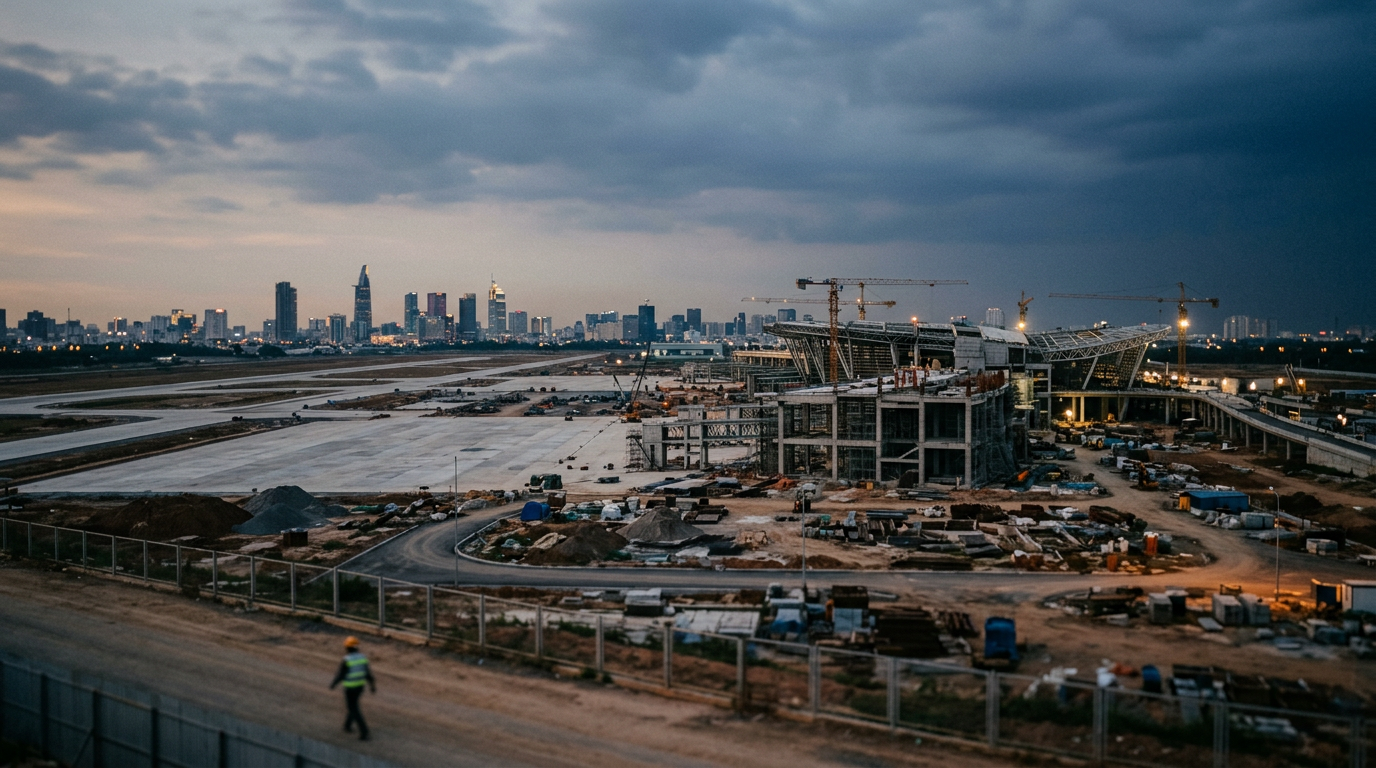 Vietnam
's Delayed Airport is a Costly Lesson in State Capacity
The new international airport in Ho Chi Minh City is a needed infrastructure upgrade, but its delays highlight a deeper challenge for Vietnam: the institutional capacity to deliver complex projects on time.

 Thailand
 Port Upgrades Test Institutional Capacity
To absorb new investment in ports and logistics, Thailand will need to match its ambitions with world-class institutional execution.
 Thailand
 courts Maersk for port expansion
Thailand is courting Maersk to expand Laem Chabang port. Success will depend on turning ambition into execution.
 Thailand
Foreign investment announcements travel fast. Realised
 Thailand
, Maersk, and the FDI Litmus Test
Thailand is courting Maersk for a landmark port investment, but turning this interest into reality will depend on the hard work of matching capital to infrastructure and talent.
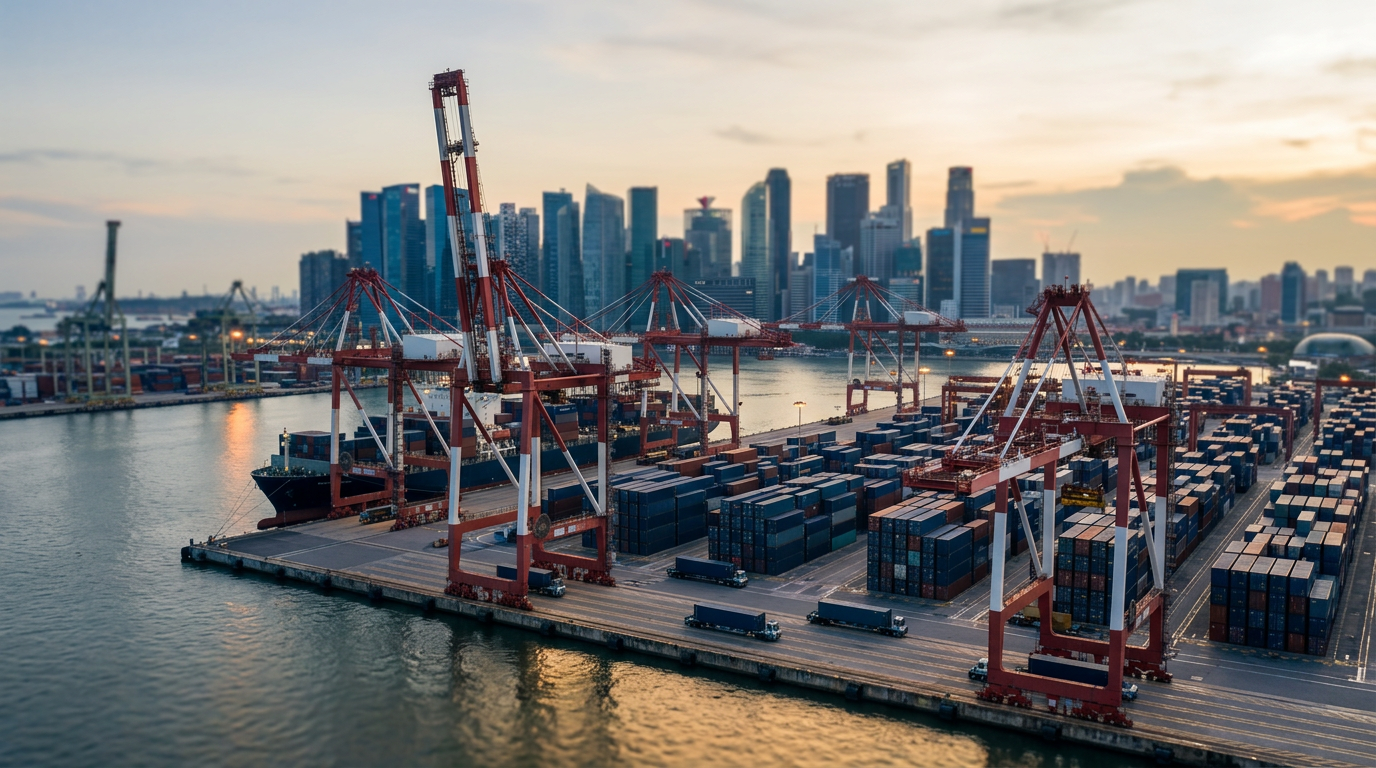
 Singapore
's Logistics Upgrades Are a Regional Lesson
As Singapore upgrades its logistics infrastructure with new technology, it provides a case study in how reliable state institutions and a long-term focus on execution can create a durable competitive advantage for ASEAN members.
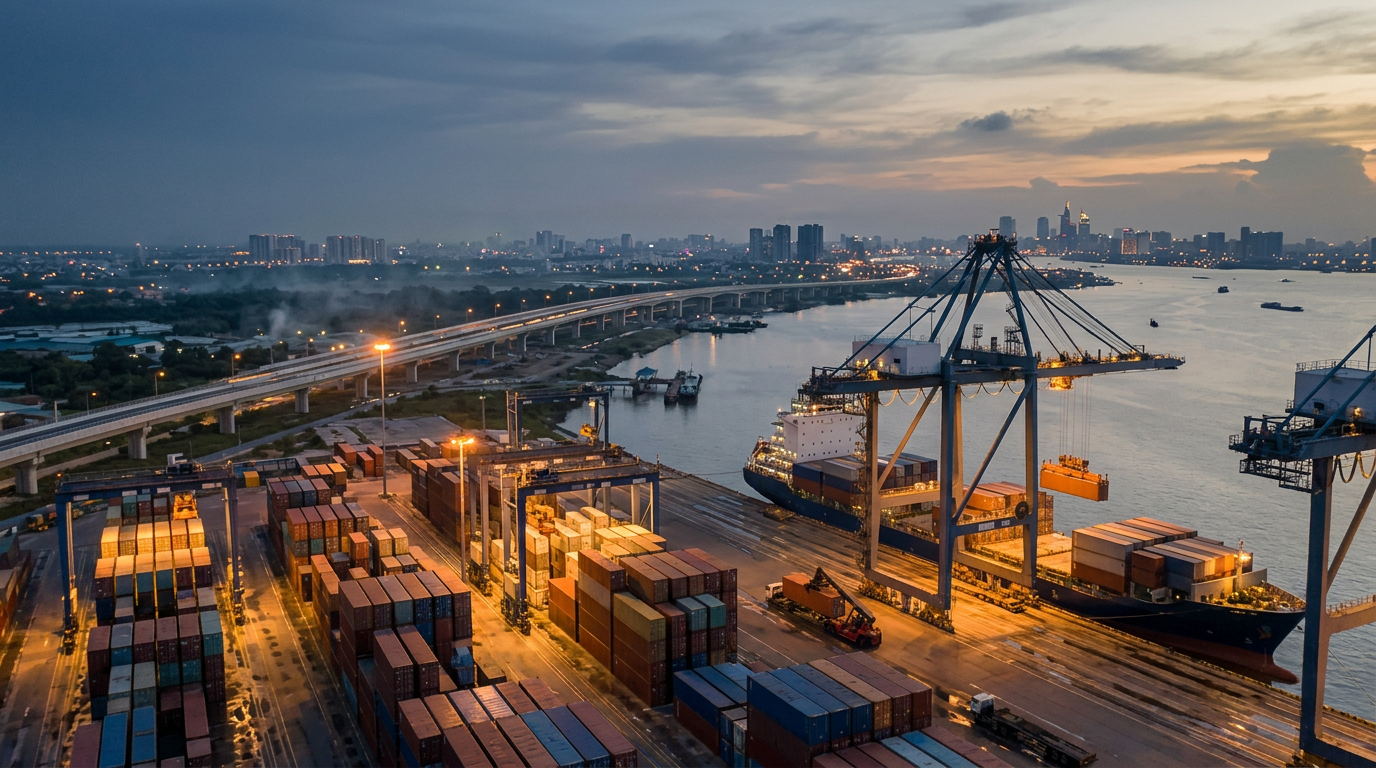 Vietnam
's Infrastructure Test: From Lobster Imports to State Capacity
A surge in Canadian seafood imports highlights the growing importance of infrastructure and institutional reliability in Vietnam, putting the spotlight on the execution of major national projects.
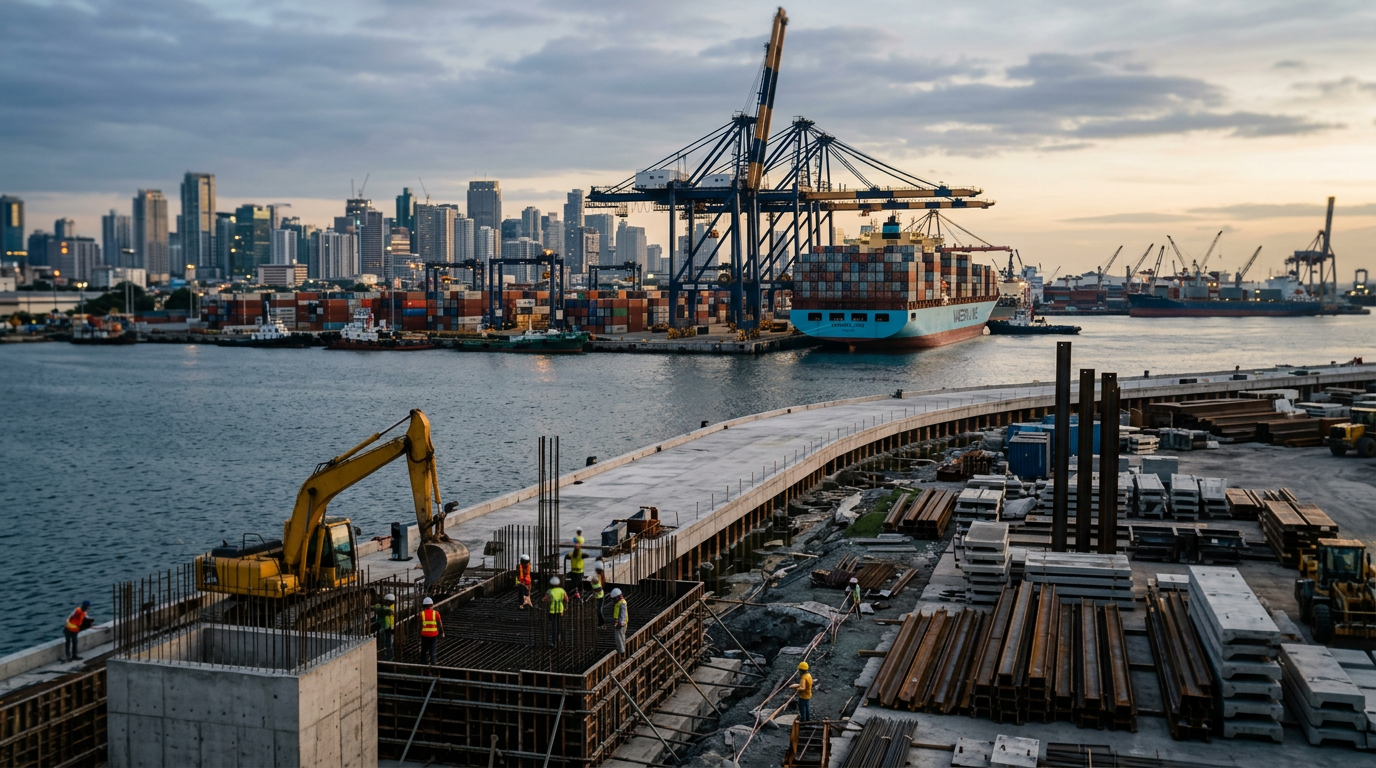
 Philippines
The Philippines Upgrades Ports, But Execution is What Matters
The Philippine Ports Authority has approved P1.75 billion for port upgrades. This is a step towards improving maritime infrastructure, but the real test lies in the execution and timely delivery of these projects, a key factor in national competitiveness.
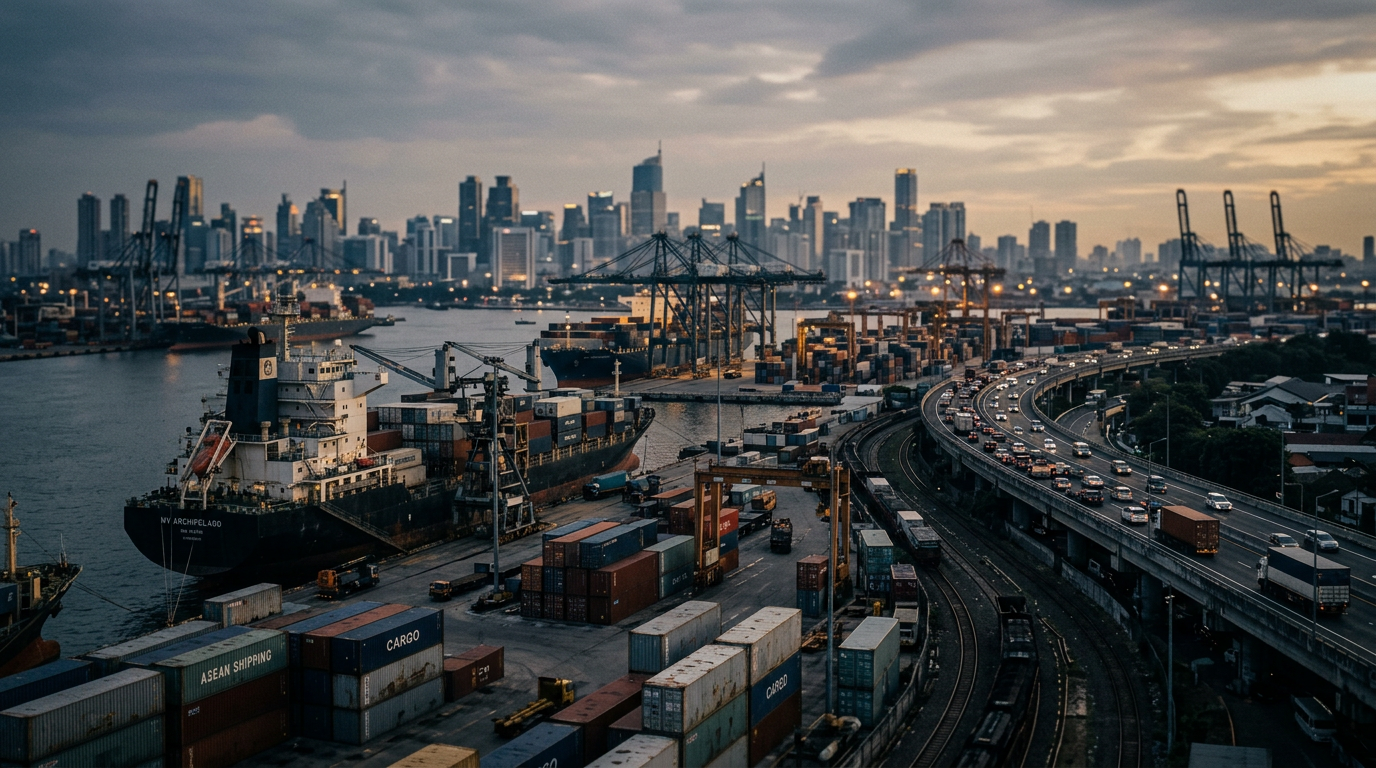
Changi, Jakarta, and the Quiet Problem of State Capacity
A recent volcanic eruption grounded flights between Singapore and Jakarta, creating travel chaos. This incident reveals a deeper truth about ASEAN infrastructure and the hidden friction of institutional capacity.
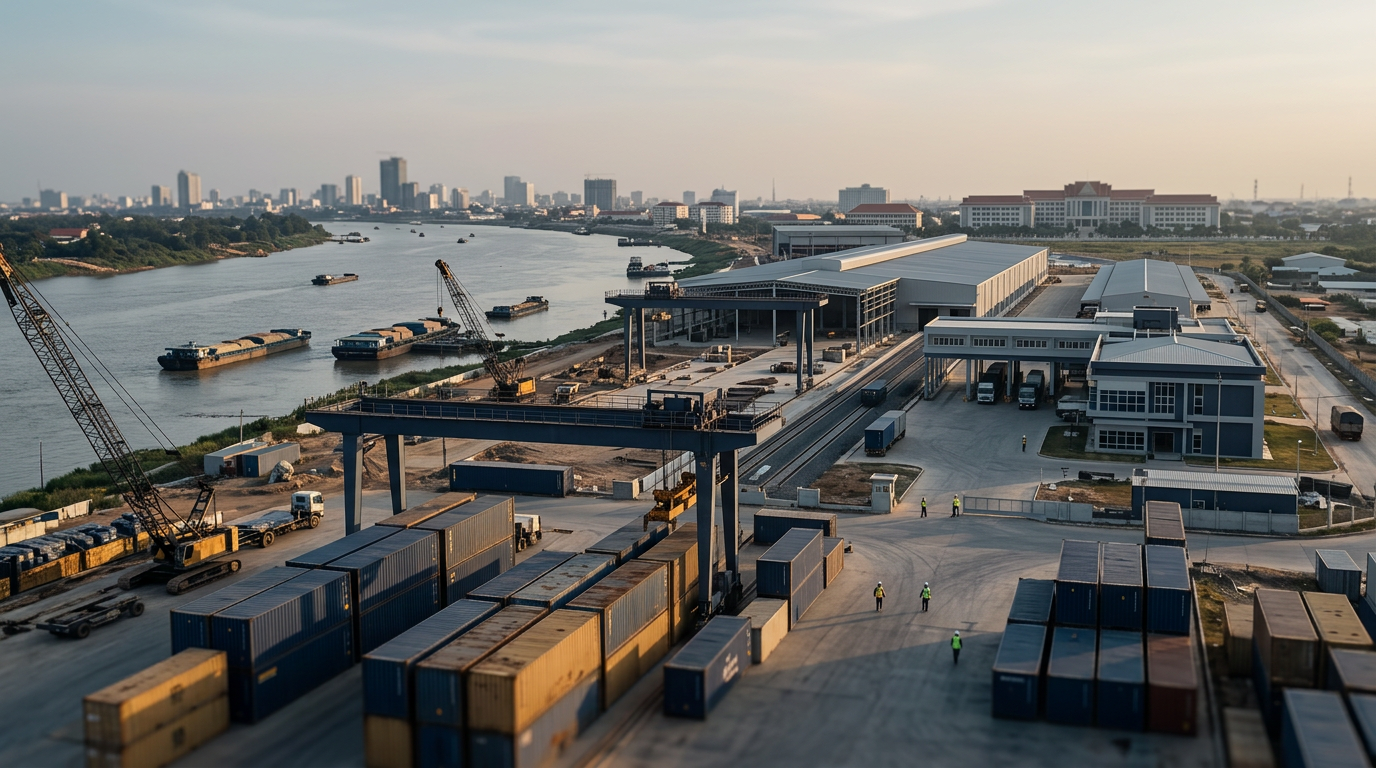
 Cambodia
's PPLC: A Bet on Infrastructure and Institutions
Cambodia's new Phnom Penh Logistics Complex is a major bet on infrastructure. But as with all large-scale projects in the region, its success will depend on the slower work of institutions and execution.
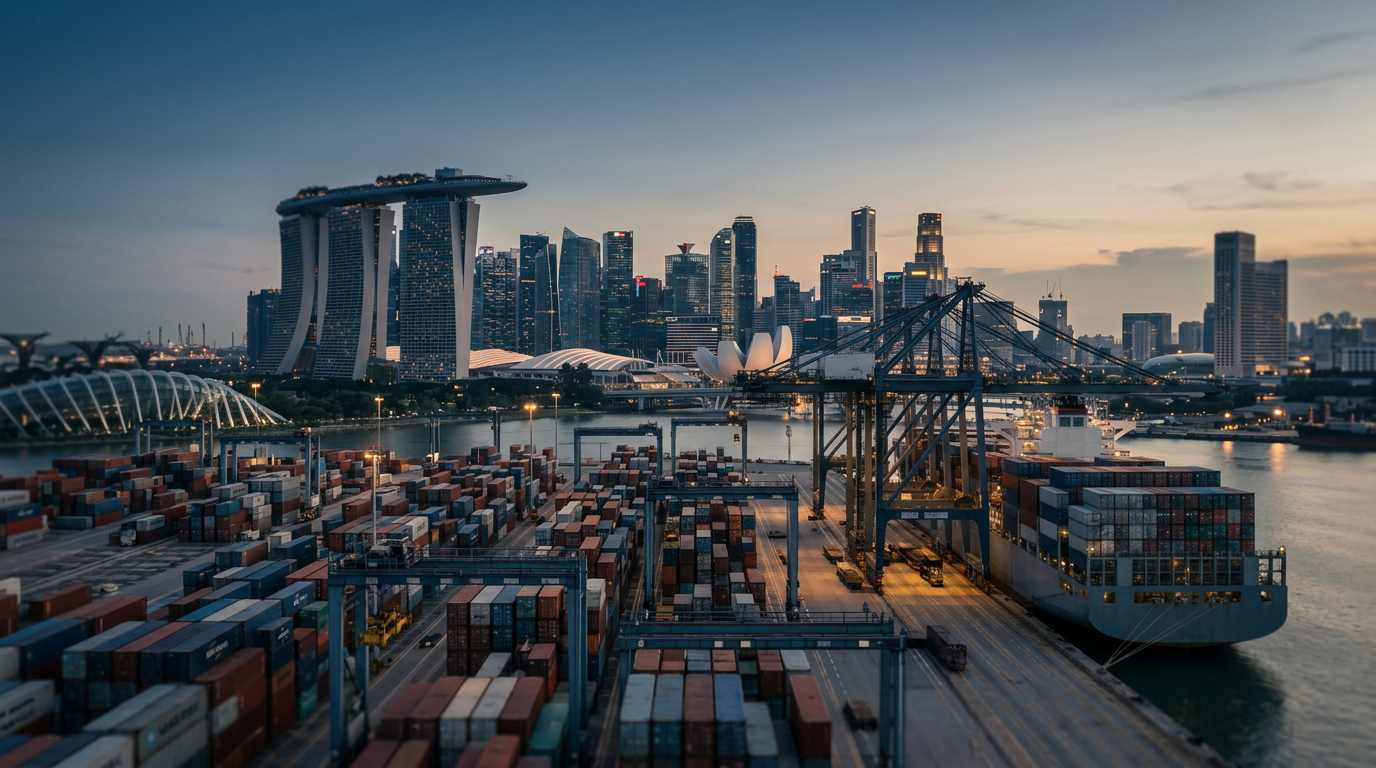 Singapore
US Chip Controls and the China Trade Problem
US export controls on AI chips are creating new compliance risks for ASEAN businesses, highlighting the deep structural challenge of managing China trade dependency.
 Cambodia
The Durian Test: Infrastructure and State Capacity in ASEAN
The recent surge in durian exports to China, enabled by new rail links, is more than a story about fruit. It is a tangible demonstration of how institutional reliability and infrastructure execution are becoming core to ASEAN's economic integration and competitive advantage.
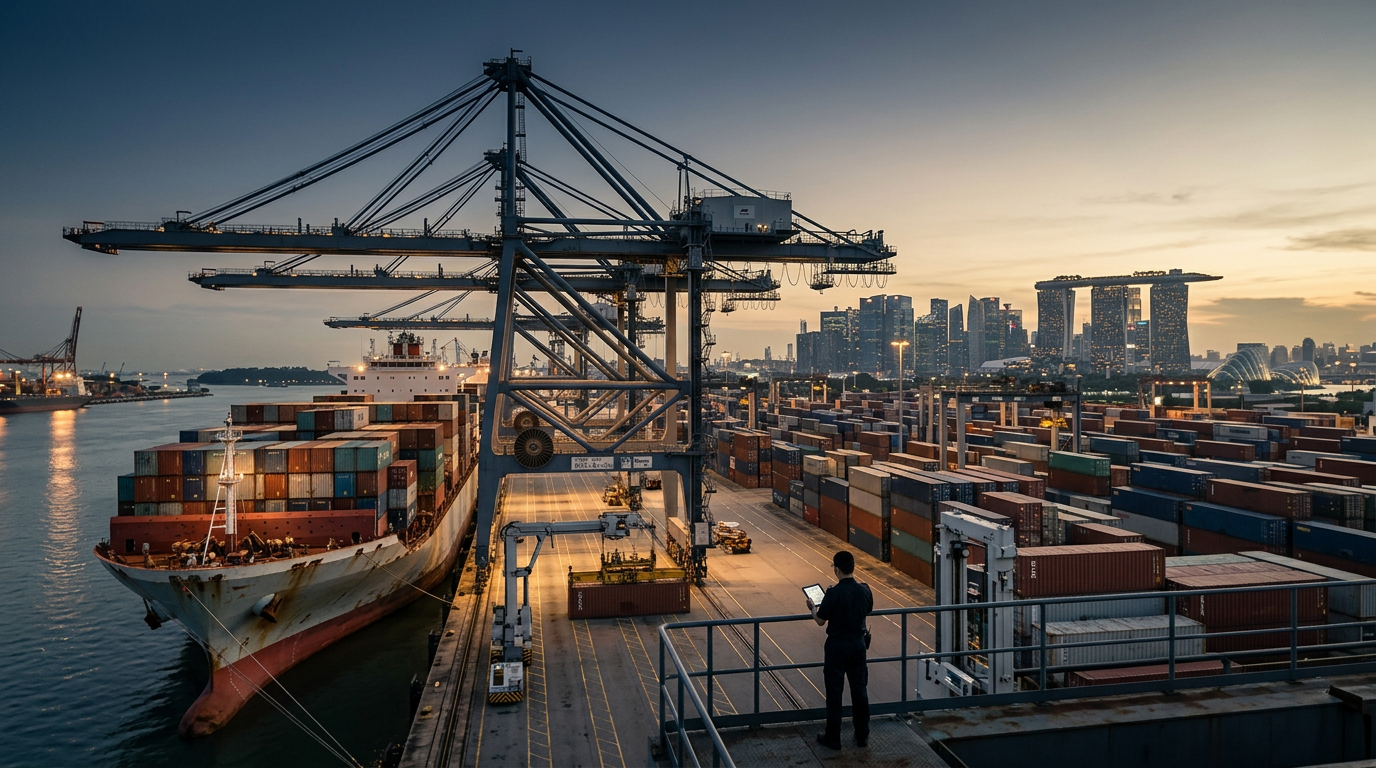 Singapore
 Tightens Transshipment Rules Under US Pressure
Singapore's Ministry of Trade and Industry will now require firms transhipping goods to declare their true country of origin, a move that highlights the institutional challenges for ASEAN in managing US-China trade tensions.
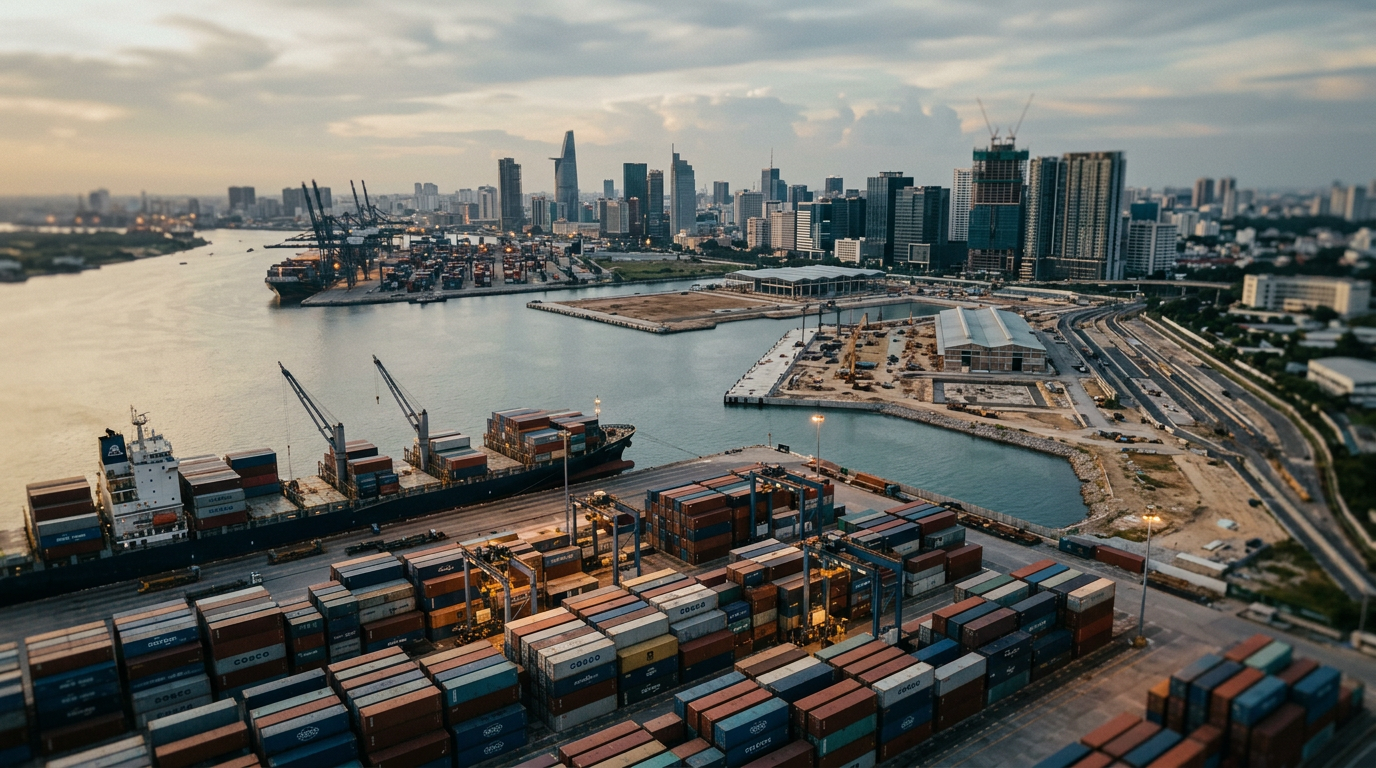
Cosco Shipping's Expansion Plans Spotlight ASEAN's Logistical Gaps
The Singapore-based logistics firm's planned investments in Vietnam, Malaysia, and Indonesia reflect a broader regional need for more reliable and integrated infrastructure to support growing trade volumes.
 Philippines
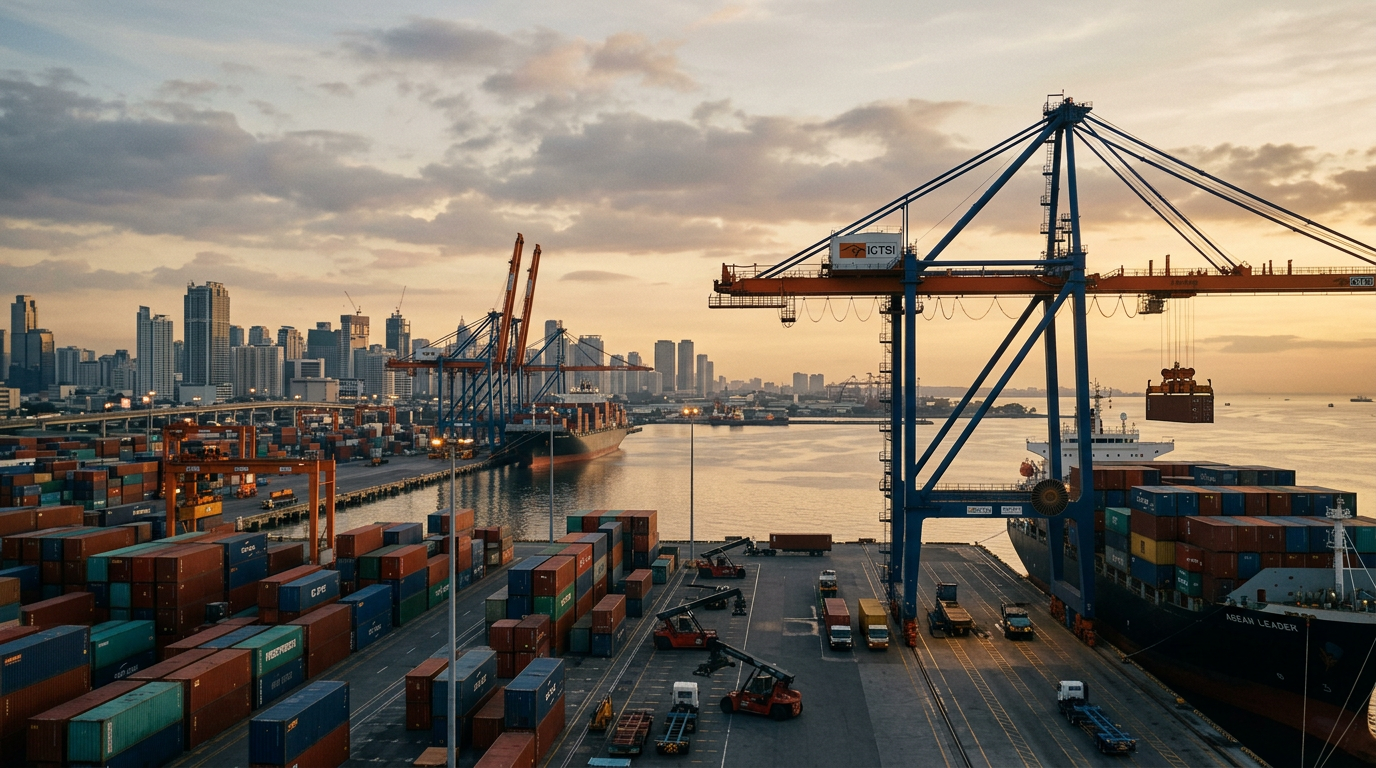
Philippine Ports and the Value of Execution
Enrique Razon Jr.'s rise to become the wealthiest individual in the Philippines, driven by the expansion of his port operations, shows that infrastructure that arrives on time is a powerful signal of state capacity.
 Indonesia
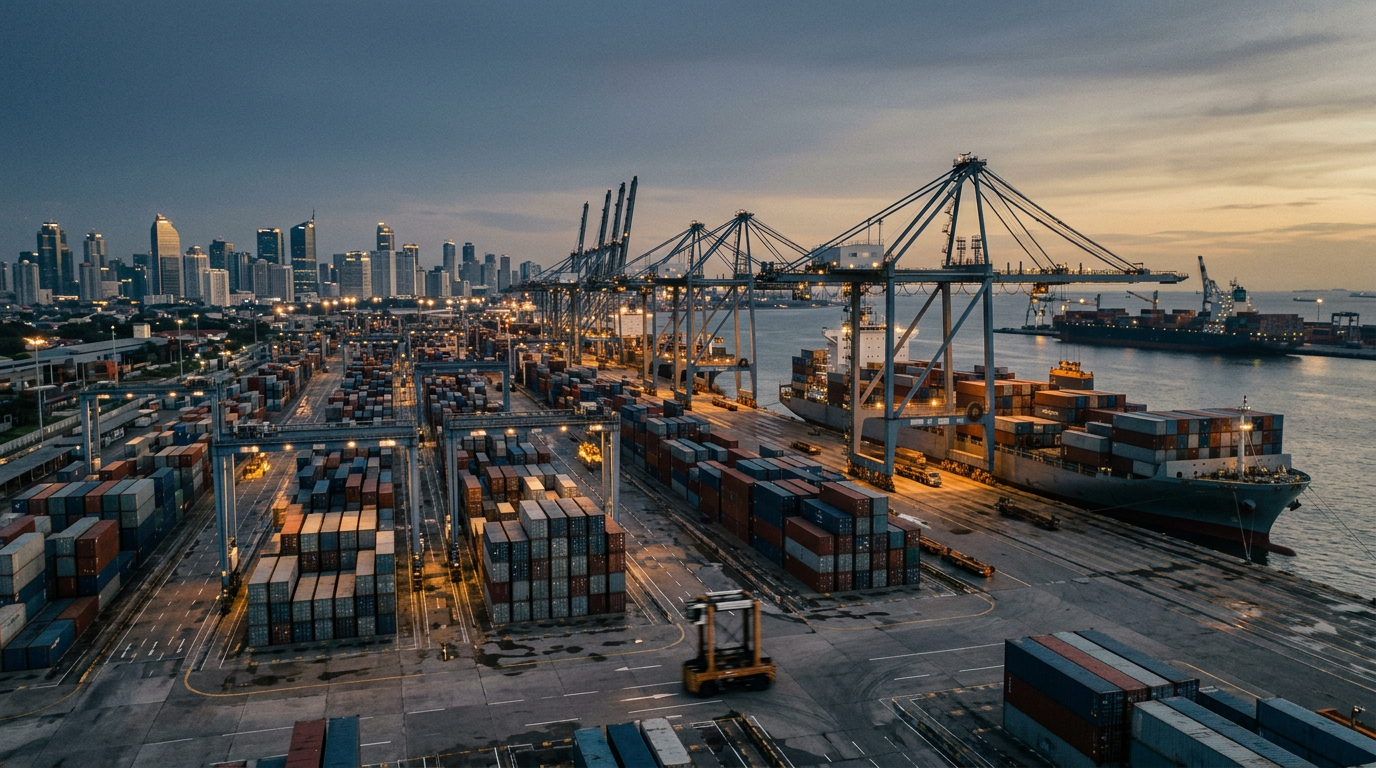
Priok Port's New Capacity Is About More Than Concrete
The recent expansion of Jakarta's Priok port is more than a logistics upgrade; it is a tangible demonstration of institutional capacity and the economic value of reliable execution.
 Thailand
's Rail Revival and the Test of State Capacity
The revival of a $750 million railway in Thailand is more than an infrastructure update; it is a tangible test of institutional resolve. For investors, the difference between an announced project and one that is delivered on time is a measure of a state's true capacity.
 Vietnam
's Logistics Leap: A Case of Infrastructure and Institutional Action
DHL's new $71 million logistics campus in Vietnam is more than just a building; it's a signal of how effective institution-building and infrastructure execution are becoming a core part of competitive advantage in Southeast Asia.
 Thailand
's Land Bridge Halt: A Sign of Institutional Strength?
Thailand's decision to scrap its US$30 billion land bridge project is more than a policy reversal; it is a case study in state capacity and the growing importance of institutional reliability in Southeast Asia.
 Vietnam
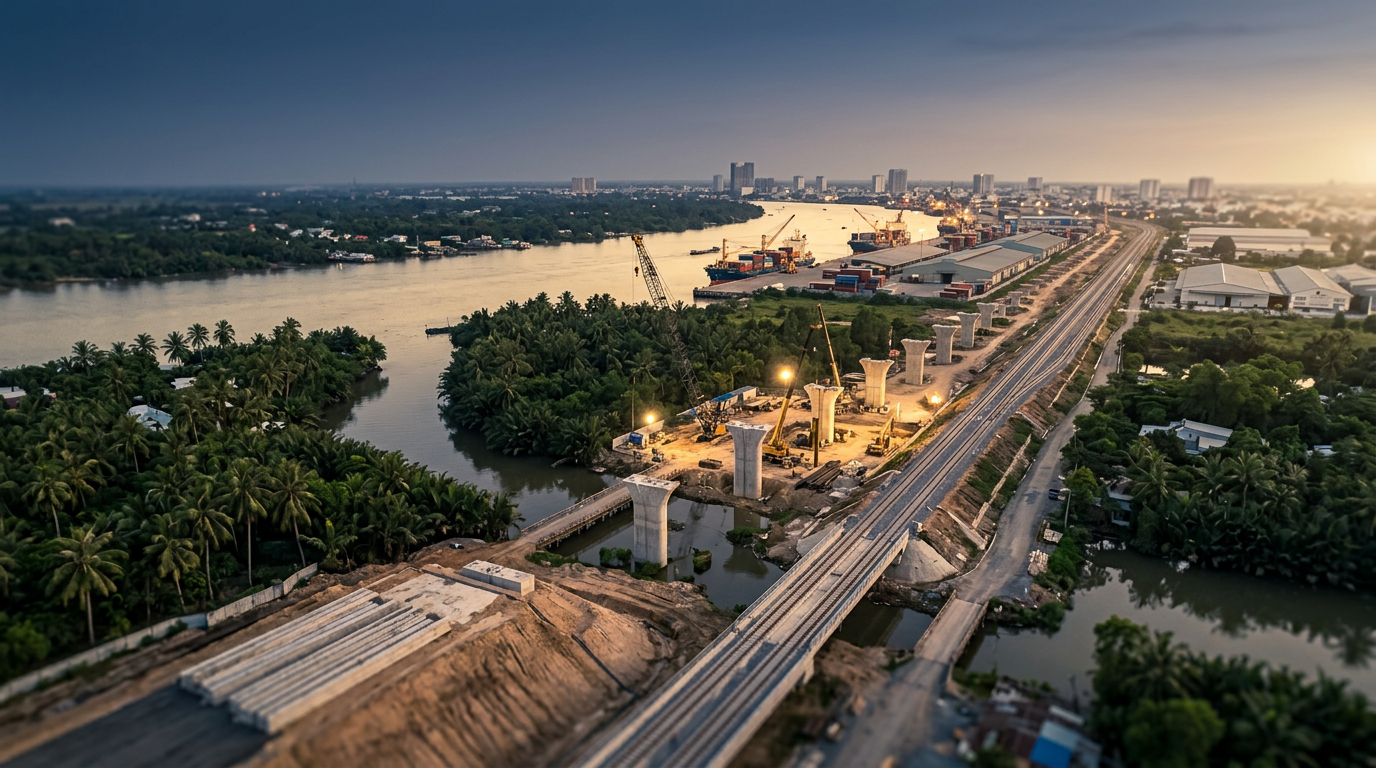
's Mekong Rail Plan Tests a Core ASEAN Premise
Vietnam announced a USD6.5 billion rail link to the Mekong Delta. The project's success hinges not just on capital, but on the institutional capacity to deliver-a core theme of regional development.