Cambodia
Cambodia's PPLC: A Bet on Infrastructure and Institutions
Cambodia's new Phnom Penh Logistics Complex is a major bet on infrastructure. But as with all large-scale projects in the region, its success will depend on the slower work of institutions and execution.
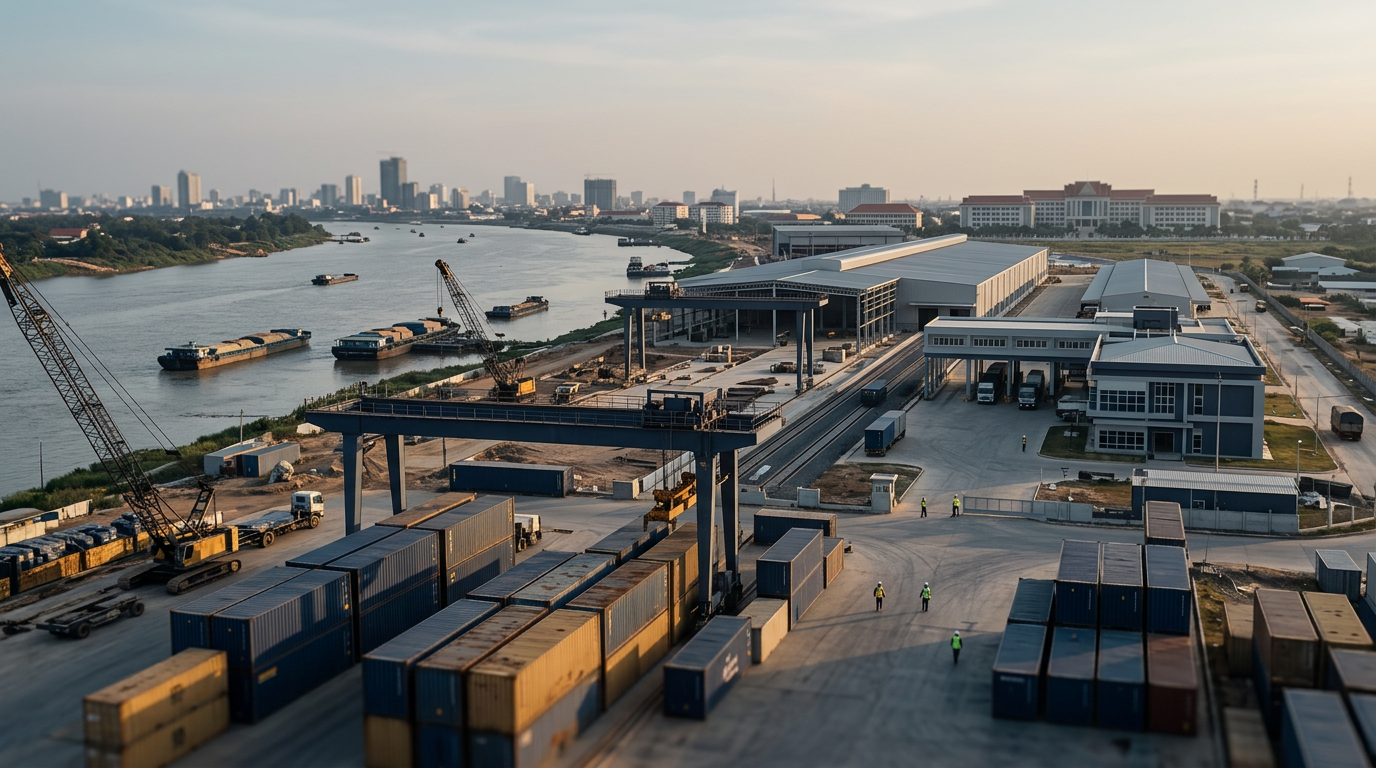
A recent groundbreaking ceremony for the new Phnom Penh Logistics Complex (PPLC) in Cambodia marks a significant step in the country's ambition to become a regional logistics hub. As reported by ASEAN.org, the project is a joint initiative between Cambodia and Singapore's YCH Group, supported by the ASEAN Secretariat. The PPLC aims to streamline logistics, reduce costs, and enhance Cambodia's integration into regional supply chains.
From Ambition to Execution
The PPLC is a component of the broader ASEAN Smart Logistics Network. The project's vision is to create a modern, efficient logistics nexus that connects Cambodia to its neighbors and the world. By improving the country's logistics capabilities, the government and its partners hope to attract more foreign direct investment (FDI) and accelerate economic growth. The presence of the ASEAN Secretary-General at the ceremony signals the project's regional importance.
However, the path from a high-profile groundbreaking to a fully operational and effective logistics complex is paved with practical challenges. Large infrastructure projects are more than just physical construction. Their ultimate success hinges on the quality of the institutions that govern them and the efficiency of their execution. This is a recurring theme across Southeast Asia, where headline-grabbing announcements of investment often precede the much harder work of implementation.
Institutions and Investable Depth
Grand infrastructure projects are necessary but not sufficient for economic transformation. As the book ASEAN Rising notes, "scale matters only when institutions can turn it into investable depth." A state-of-the-art port or logistics complex will fail to deliver its promised benefits if it is encumbered by bureaucratic inefficiency, unclear regulations, or a shortage of skilled workers. These are the factors that determine whether announced FDI translates into realized, productive capital on the ground.
The PPLC initiative appears to recognize this. It is framed as a multi-modal hub that integrates road, rail, and river transport, but its design also includes elements of institutional capacity building. The partnership with a Singaporean firm known for its logistics expertise is intended to bring not just capital, but also technical and managerial know-how. The project's success will depend on how well this knowledge is transferred and embedded into the local ecosystem, from customs procedures to workforce training.
The Real Work on the Ground
Foreign investors look beyond the initial announcement of a project. Their decisions are based on a sober assessment of the operating environment. They evaluate the practicalities of moving goods, the reliability of power supplies, the availability of land, and the quality of the local talent pool. Announced FDI commitments can generate positive headlines, but sustained investment flows depend on the persistent, often unglamorous, work of improving these fundamental factors.
For Cambodia, the PPLC represents an opportunity to demonstrate its capacity for execution. Effectively managing the development of the complex and its surrounding ecosystem will be a powerful signal to international investors. It will show that Cambodia can build not just the physical hardware of a modern economy, but also the institutional software required to operate it efficiently and transparently.
What to watch: Observers should monitor the PPLC's progress not just in terms of construction timelines, but also in the development of the regulatory and operational frameworks that will govern it. Key indicators of success will include the streamlining of customs and permitting processes, the establishment of training programs for the logistics workforce, and the integration of the complex with existing national infrastructure. The project's ability to attract and retain long-term logistics clients will be the ultimate measure of whether it has successfully turned scale into genuine economic depth.