Vietnam
Vietnam's Logistics Leap: A Case of Infrastructure and Institutional Action
DHL's new $71 million logistics campus in Vietnam is more than just a building; it's a signal of how effective institution-building and infrastructure execution are becoming a core part of competitive advantage in Southeast Asia.
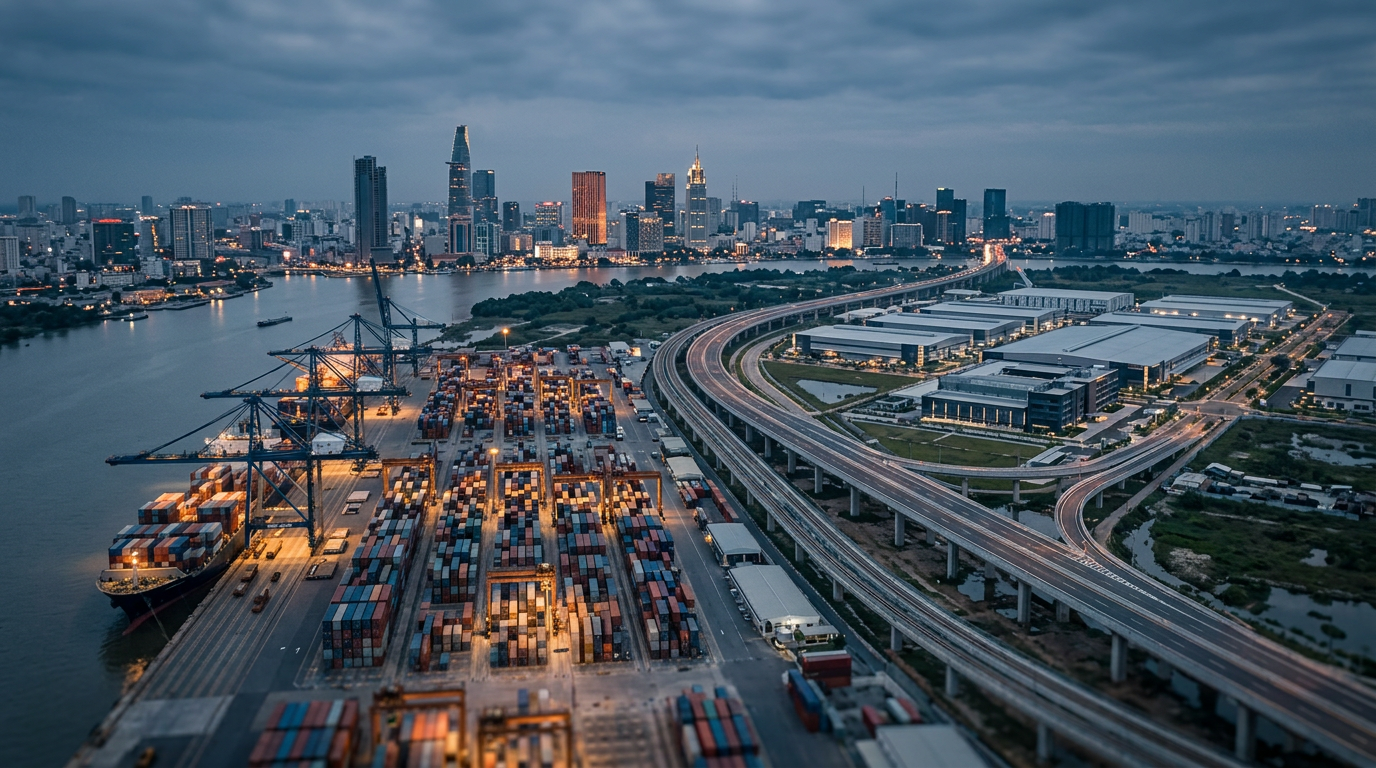
DHL has started constructing a $71 million logistics campus in Hung Yen, Vietnam, a move that provides a direct link to the Ha Noi-Hai Phong Expressway, Noi Bai International Airport, and Hai Phong Port, according to en.vietnamplus.vn.
This investment by a global logistics leader is a tangible result of a deliberate, long-term strategy centered on integrated infrastructure. It highlights a core theme for developing economies across Southeast Asia: capital flows to where plans become reality. The new DHL facility is not an isolated vote of confidence in Vietnam, but a marker of how the country is translating national strategy into the physical and administrative assets that attract global business.
Execution Over Announcements
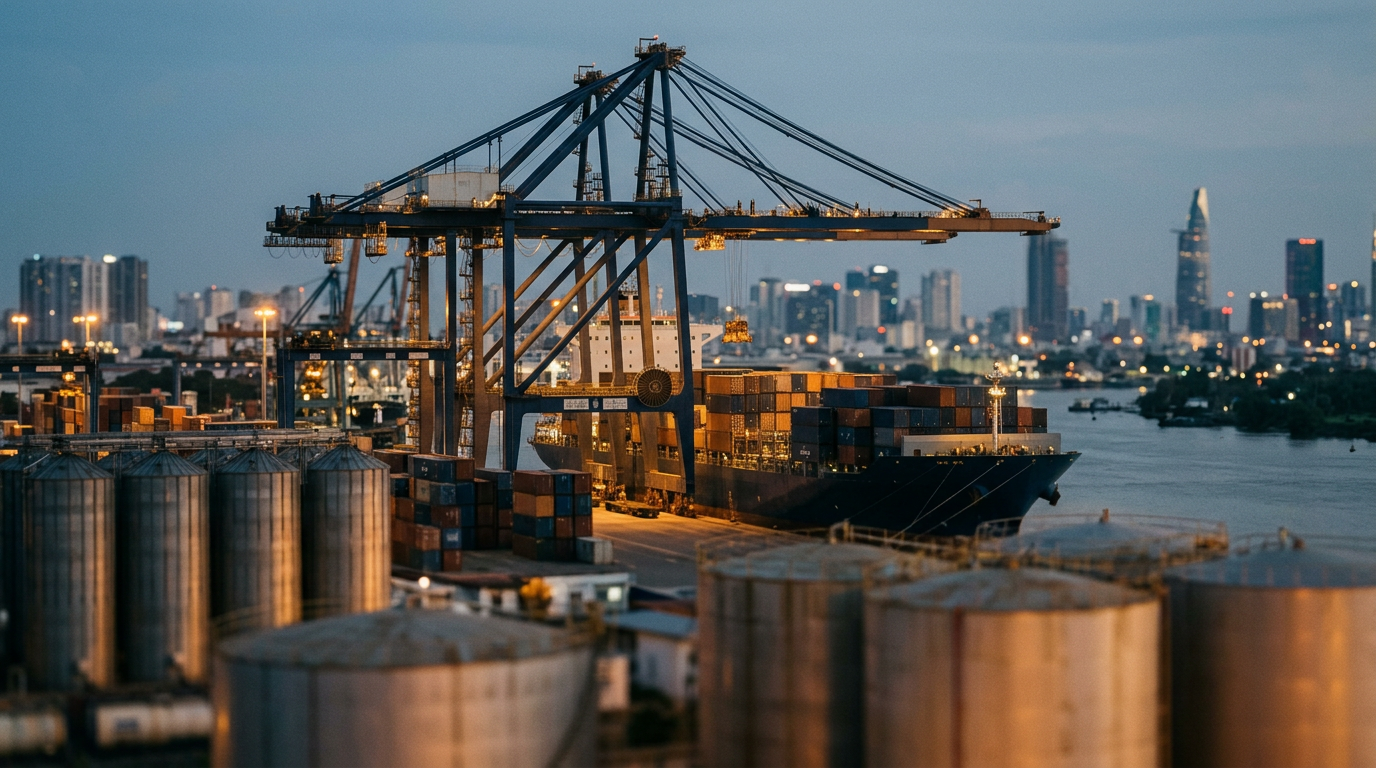
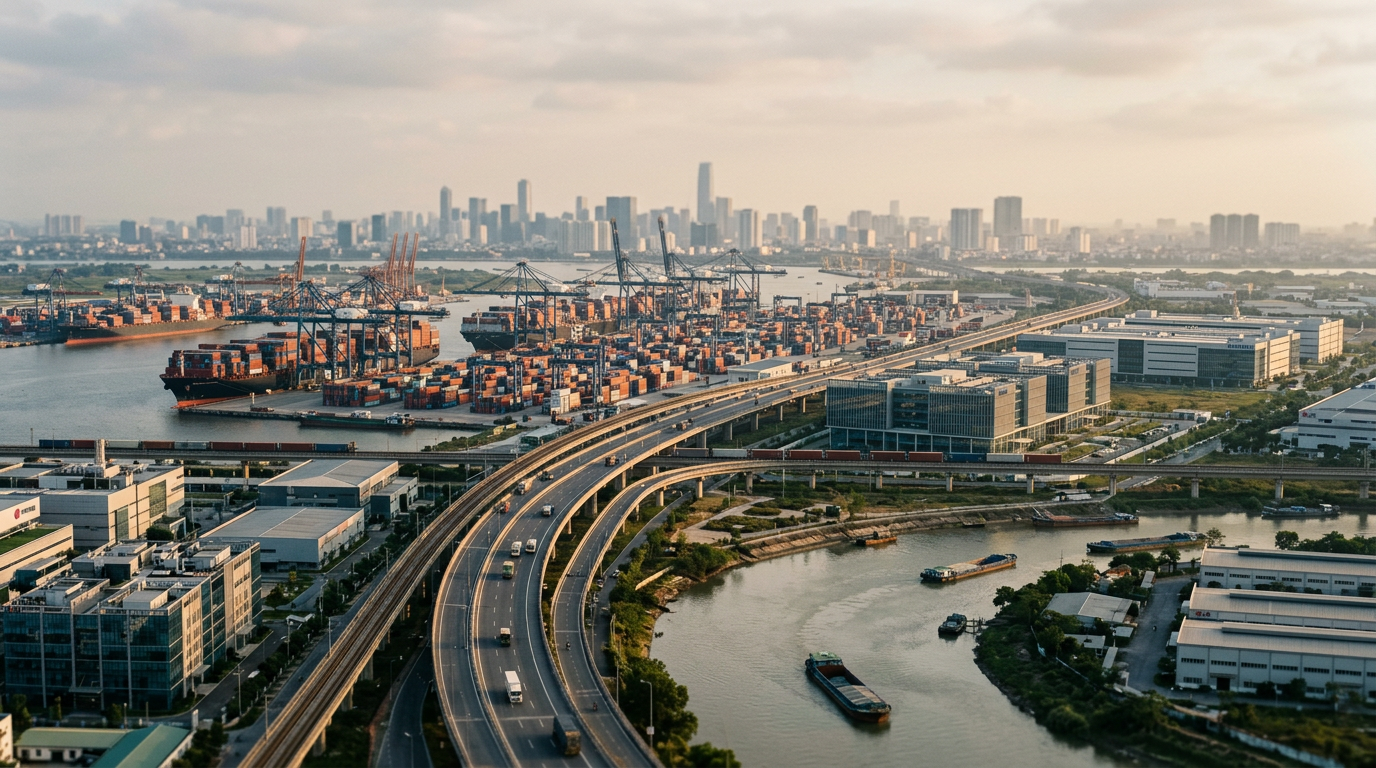
The decision by DHL to place its new campus in Hung Yen province is a direct consequence of Vietnam's focus on executing its infrastructure master plan. The nearby Ha Noi-Hai Phong Expressway is a critical artery that transforms the economic geography of the northern part of the country. It reduces transit times and connects industrial zones not just to a single port or airport, but to an entire logistics ecosystem. This demonstrates a shift in how infrastructure creates value. It is no longer sufficient to simply have a port; what matters is the quality of the connections-the roads, the railways, the digital customs systems-that allow goods to move through that port with speed and predictability.
This approach reflects a key insight from the book ASEAN Rising: effective states are defined by their ability to deliver. As the book notes, "Infrastructure that arrives on time signals more than infrastructure that is merely announced." The physical presence of the expressway and the streamlined access it provides to international gateways gave DHL a compelling reason to invest. For global supply chain planners, a completed highway is a bankable asset, whereas a project that exists only in presentations carries risk. Vietnam's ability to complete and operationalize these large-scale projects is a powerful signal to international investors that the country is a reliable place to deploy capital for the long term.
Institutions as Infrastructure
Beneath the concrete and steel of any major infrastructure project lies a foundation of institutional capacity. The $71 million commitment from DHL is a testament not only to Vietnam's new roads but also to the administrative and regulatory frameworks that make such an investment viable. Building and operating a modern logistics campus requires a predictable environment for land acquisition, construction permits, customs processing, and labor regulations. These are the components of a "usable state," one where the machinery of government works efficiently and transparently.
For international firms, navigating bureaucracy can be a significant cost and a source of operational friction. When a state invests in streamlining these processes, it is, in effect, building a form of soft infrastructure that is just as important as the hard assets. This administrative competence is a form of competitive advantage. In a region where many governments have ambitious development plans, the ability to execute them effectively is what distinguishes one investment destination from another. This reality is why, as ASEAN Rising argues, "Institutional reliability has become part of comparative advantage." The presence of a global leader like DHL suggests that Vietnam is making substantive progress in this area, building trust with international partners through demonstrated capability. The ASEAN bloc as a whole benefits when its members build this kind of institutional credibility.
Connecting Capital, Talent, and Trust
The new DHL campus is more than just a warehouse; it is a sophisticated node in a global supply chain. Operating it will require a workforce with skills in logistics technology, supply chain management, and automated systems. DHL's investment, therefore, acts as a demand signal for talent development in Hung Yen province and the wider Red River Delta region. It creates a positive feedback loop: the presence of high-quality infrastructure attracts a leading firm, which in turn stimulates the development of a skilled labor pool. This integration of capital and talent is essential for moving up the economic value chain.
Ultimately, this project is a story of trust. A long-term, fixed asset investment of this scale indicates DHL's confidence in Vietnam's economic stability and its future growth prospects. It shows a belief that the government will continue to honor its commitments, maintain a favorable business climate, and invest in the connective infrastructure necessary for the logistics sector to thrive. This trust is not built on promises, but on a track record of successful project completion and a consistent policy direction. The Hung Yen campus is a physical manifestation of that accrued trust.
What to watch
Moving ahead, the key indicator to watch will be how this integrated logistics model is replicated elsewhere in Vietnam and the region. Observers should monitor the development of secondary and tertiary road networks that connect smaller industrial and agricultural areas to these main economic corridors. Furthermore, note whether other multinational logistics providers follow DHL's lead with similar large-scale investments, as this would signal a broader validation of the country's strategy of pairing hard infrastructure with institutional reform. The ultimate measure of success will be a demonstrable reduction in logistics costs as a percentage of GDP and an increase in the velocity of trade.