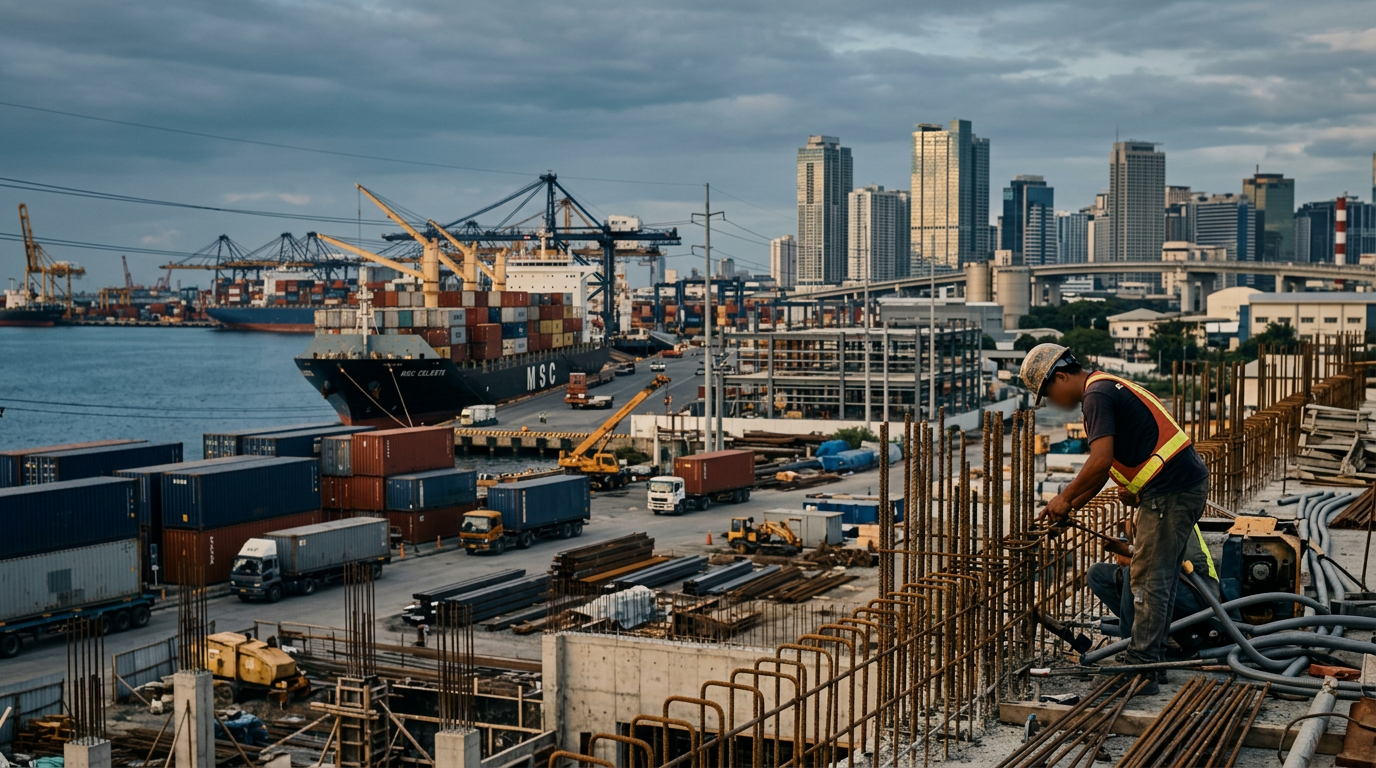
Philippines
The Philippines Upgrades Ports, But Execution is What Matters
The Philippine Ports Authority has approved P1.75 billion for port upgrades. This is a step towards improving maritime infrastructure, but the real test lies in the execution and timely delivery of these projects, a key factor in national competitiveness.
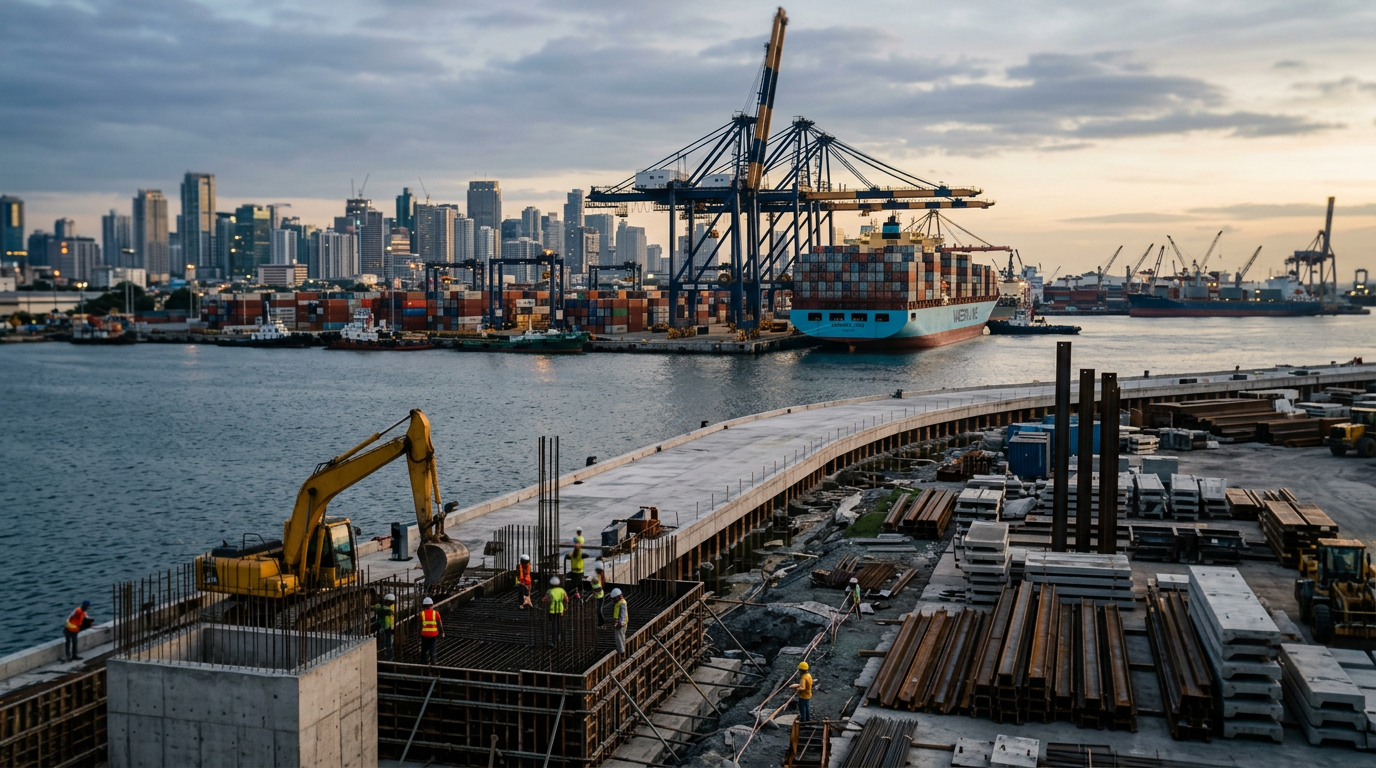
The Philippine Ports Authority (PPA) has approved a significant P1.75 billion budget for maritime infrastructure, as reported by philstar.com. The funding is aimed at constructing a new port in the Visayas and upgrading existing terminals in Luzon and Mindanao. While this allocation of capital is a necessary first step, the ultimate economic impact will depend on the government's ability to translate these plans into operational assets without costly delays.
State Capacity and Infrastructure
Announcing large-scale infrastructure projects is a common strategy for governments to signal their focus on economic development. The PPA's latest funding approval for port modernization fits this pattern, addressing the need to improve the Philippines' maritime trade capabilities. However, the path from funding approval to a fully functional port is long and fraught with potential obstacles. The effectiveness of state institutions is tested during this phase. Success is not measured by the amount of money allocated, but by the efficiency of project execution, from procurement and construction to the final commissioning of the new or upgraded facilities. Delays and cost overruns can erode the projected economic benefits and signal a lack of state capacity.
Execution as a Competitive Advantage
In a region where countries compete for foreign investment and a greater share of global trade, the ability to deliver infrastructure projects on schedule is a distinct advantage. As detailed in ASEAN Rising, institutional reliability has become a core component of a nation's economic appeal. The book notes that "infrastructure that arrives on time signals more than infrastructure that is merely announced." This idea is central to understanding the PPA's initiative. The P1.75 billion investment will only contribute to the Philippines' competitiveness if the projects are completed efficiently. A functioning, modern port system reduces friction in trade, lowers costs for businesses, and makes the country a more attractive hub for logistics and manufacturing. Conversely, if these upgrades are beset by the same kinds of delays that have affected other public works, they will represent a missed opportunity.
What to watch: Observers should monitor the progress of these specific PPA projects, paying close attention to timelines and budget adherence. Any significant deviations could indicate underlying issues in project management and execution capacity. The government's ability to deliver these upgrades on schedule will serve as a strong indicator of its capacity to manage large-scale infrastructure development and, by extension, its ability to foster a more competitive economic environment.