Cambodia
The Durian Test: Infrastructure and State Capacity in ASEAN
The recent surge in durian exports to China, enabled by new rail links, is more than a story about fruit. It is a tangible demonstration of how institutional reliability and infrastructure execution are becoming core to ASEAN's economic integration and competitive advantage.
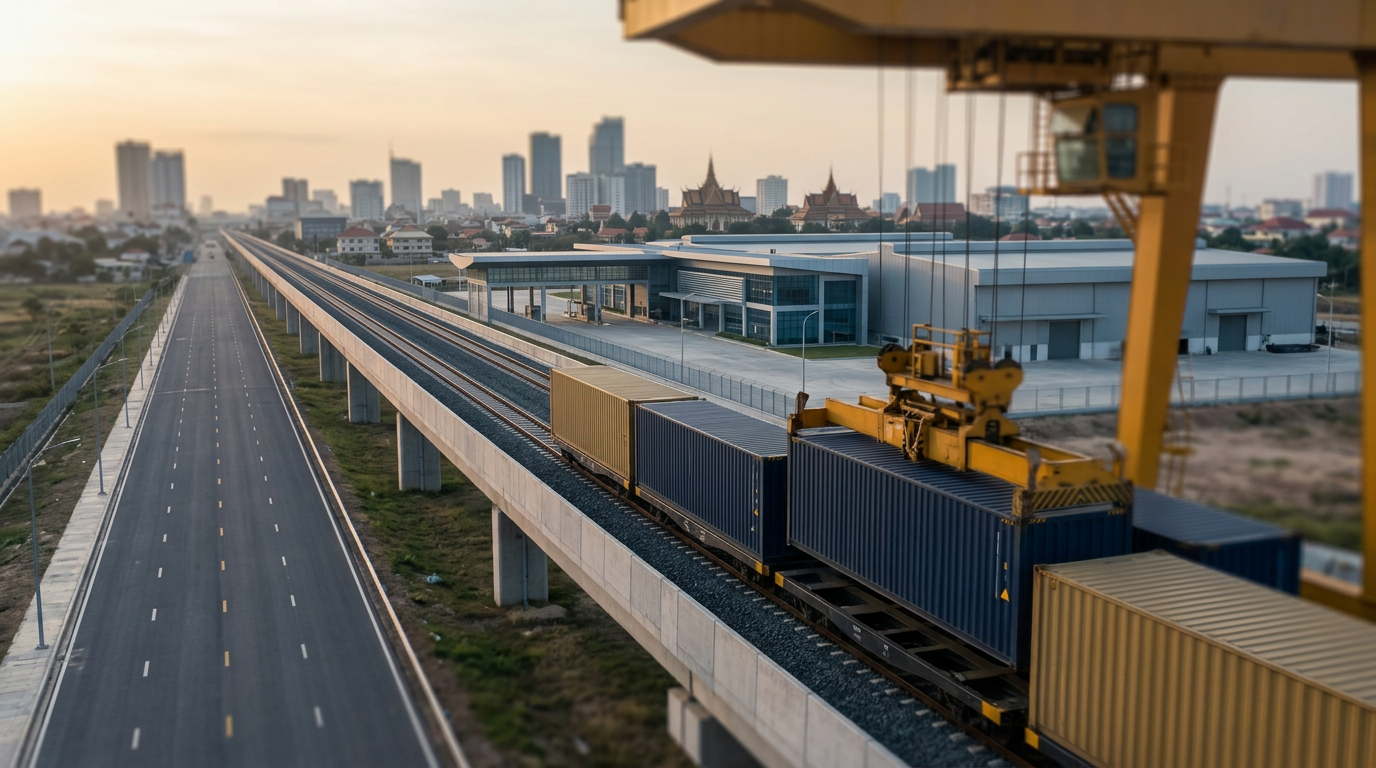
The Bangkok Post reports that new rail routes have significantly increased the supply of durians to China, causing prices to fall for eager consumers. This development in the fruit trade serves as a concrete example of a deeper trend across Southeast Asia: the translation of infrastructure plans into tangible economic outcomes. While the story is about agricultural trade, the underlying mechanics reveal much about the evolving state capacity of ASEAN members and the real-world impact of regional connectivity.
From Announcement to Arrival
The successful operation of new rail lines connecting Southeast Asian agricultural hubs to the vast Chinese market is a case study in effective infrastructure execution. For years, discussions about ASEAN connectivity have been dominated by high-level plans and ambitious cross-border projects. The durian trade, however, has moved from the drawing board to the dining table. This shift demonstrates the growing ability of some states to deliver complex projects that have an immediate and measurable impact on commerce.
As the book ASEAN Rising notes, the ability to execute is a powerful signal to international partners and markets. The simple act of a perishable good like the durian arriving faster and more cheaply than before speaks volumes about logistics, customs coordination, and the reliability of the underlying infrastructure. It shows a maturing of institutional processes, where agreements on paper are converted into steel, rolling stock, and streamlined trade flows. This is a practical demonstration of state capacity that goes beyond rhetoric.
The Value of a Usable State
The durian export boom highlights a core theme of regional development: effective governance and reliable institutions are central to economic competitiveness. The book argues that "institutional reliability has become part of comparative advantage." A port that operates efficiently or a railway that runs on schedule provides a more significant economic edge than a grand but unrealized vision. For businesses, from smallholder farms to large-scale exporters, predictability is currency.
The new rail links reduce more than just transit times; they reduce the friction of trade. This friction, which can include bureaucratic delays, uncertain logistics, and poorly maintained infrastructure, acts as a tax on economic activity. By smoothing the path from farm to market, governments are not just helping one industry; they are creating a more attractive environment for investment across the board. The durian story is a microcosm of how a usable state, one that delivers on its promises, fosters trust and encourages deeper economic engagement.
Infrastructure as Strategy
The expansion of rail connectivity is also a strategic move. For ASEAN nations, these links diversify trade routes and create resilience in their supply chains. For China, it secures access to agricultural products and strengthens its economic ties with its southern neighbors under the Belt and Road Initiative. The flow of durians, therefore, is a small part of a much larger geopolitical and economic narrative.
The challenge for ASEAN countries is to ensure these infrastructure projects serve their long-term national interests. This means developing local talent to manage and maintain these complex systems, ensuring that financing is sustainable, and building the domestic institutions required to regulate and leverage this new connectivity. The goal is not just to be a conduit for trade, but to be an active participant and beneficiary, adding value along the way. The physical infrastructure is only the first step; the human and institutional software is what will determine its ultimate success.
What to watch
Observe whether the gains in trade efficiency seen in the durian sector are replicated in other industries, such as electronics, automotive parts, or other agricultural goods. The extent to which these new rail and port infrastructures are integrated into broader national economic planning will indicate the long-term success of the strategy. Pay attention to the development of secondary and tertiary logistics services around these new transport hubs, as their growth is a key sign of genuine economic deepening versus simple transit. Finally, monitor the terms of financing and management for these large-scale projects, as they will shape the degree of economic sovereignty and benefit that accrues to the host nations.