Philippines
Philippine Ports and the Value of Execution
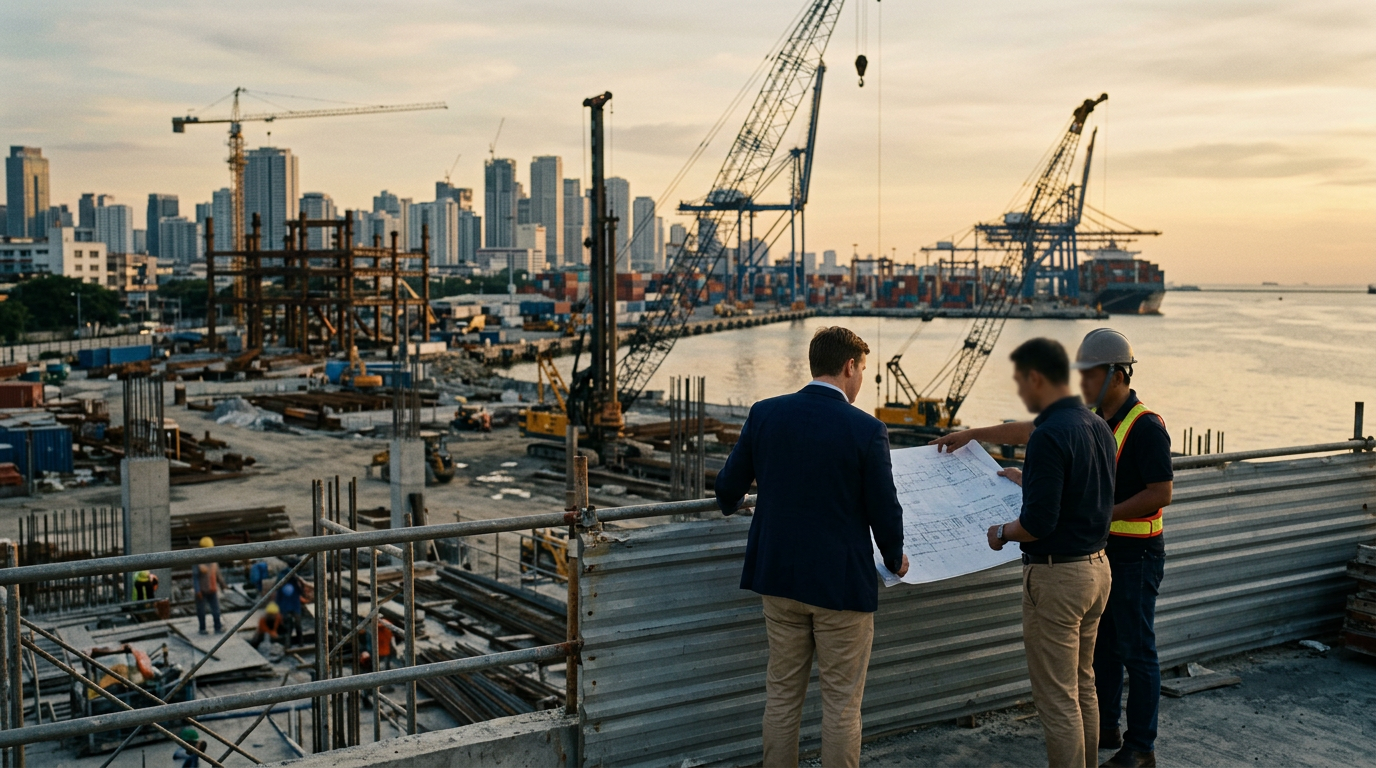
Enrique Razon Jr.'s rise to become the wealthiest individual in the Philippines, driven by the expansion of his port operations, shows that infrastructure that arrives on time is a powerful signal of state capacity.
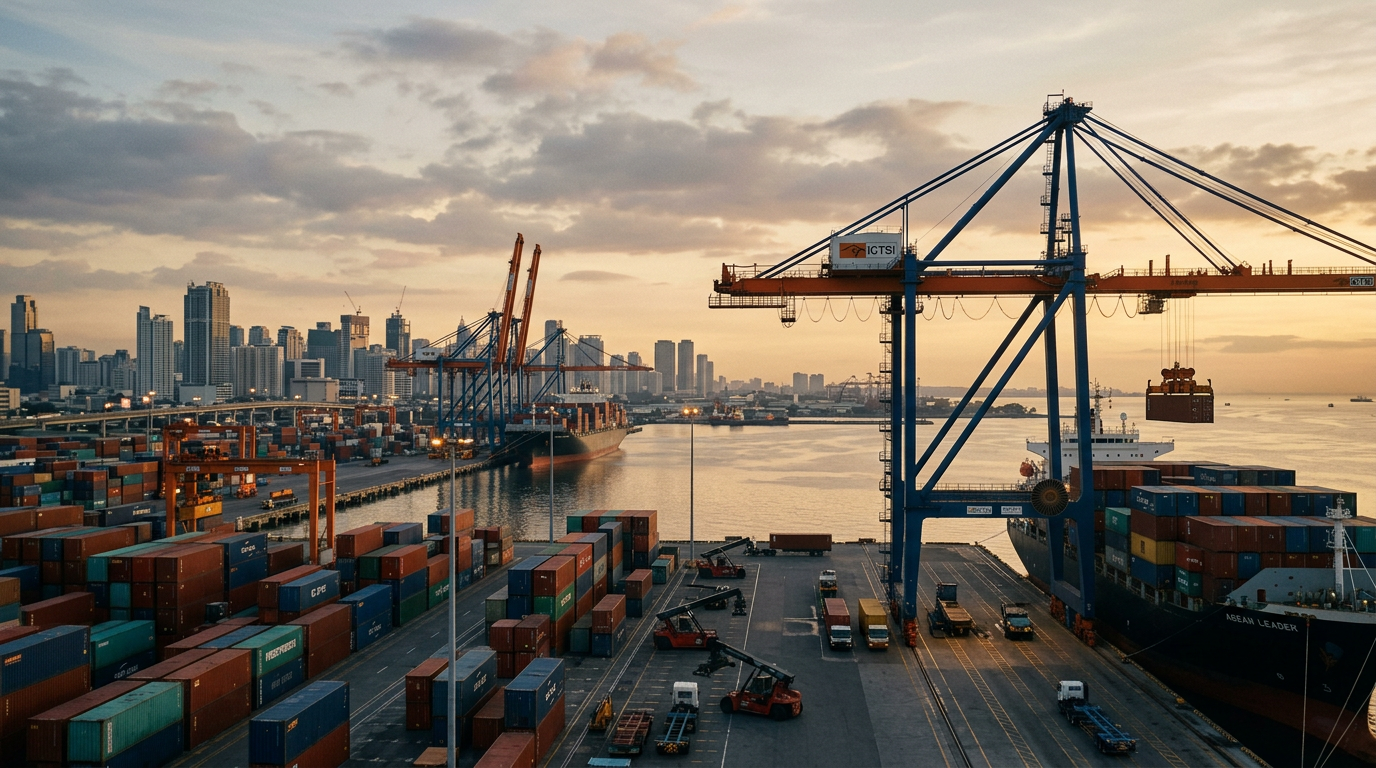
Enrique Razon Jr.'s ascent to become the Philippines' wealthiest person, as tracked by Forbes, is a story of global ambition and operational execution. His company, International Container Terminal Services, Inc. (ICTSI), has pursued an aggressive expansion strategy, securing port projects from Australia to Mexico. A recent article in VnExpress highlights this trajectory, noting new port ventures in Batangas and other locations. While the headline focuses on personal wealth, the underlying narrative is one of infrastructure development and the tangible benefits of effective project delivery.
Infrastructure as Signal
Modern states signal their capacity and reliability through the execution of complex projects. The ability to build and operate critical infrastructure like ports on schedule is a strong indicator of a government's effectiveness. It demonstrates a capacity to manage financing, regulation, and construction in a predictable manner. As noted in the book ASEAN Rising, "institutional reliability has become part of comparative advantage." In a competitive global economy, capital is drawn to environments where project timelines are met and operational friction is low. The success of ICTSI's domestic and international terminals is not just a corporate achievement; it reflects on the environments in which it operates. For the Philippines, the consistent development of its port infrastructure sends a positive signal to international investors and shipping lines about the country's improving state capacity.
The Cost of Friction
The opposite of reliability is friction. When infrastructure projects are announced with fanfare but are subsequently delayed by bureaucracy, financing gaps, or political indecision, they erode trust. This friction imposes real costs on the economy. Delayed ports lead to higher shipping costs, supply chain inefficiencies, and lost trade opportunities. Foreign and domestic investors may divert capital to markets with more predictable project execution. The value of Razon's enterprise is built on minimizing this friction. By developing a reputation for operational efficiency, ICTSI has created a successful business model that also serves as a case study in what happens when infrastructure development goes right. The lesson is that a usable state, one that can deliver on its commitments, is often more valuable to economic development than one that simply has exciting plans.
From Local Ports to Global Networks
ICTSI's growth from a single terminal in Manila to a global network of ports demonstrates how a foundation of domestic competence can be leveraged for international expansion. The company's ability to win and operate concessions in diverse legal and political environments is a testament to its accumulated expertise. This model, where a national champion in a critical sector builds a global footprint, is a powerful driver of economic development and diplomatic soft power. It projects an image of Philippine business as capable and world-class. The continued expansion, including the development of new terminals within the Philippines, creates a virtuous cycle: successful projects build confidence, which in turn attracts more investment for further development. This builds a robust national infrastructure base that enhances the country's overall competitiveness.
What to watch next is whether the consistent delivery of port projects can be replicated in other critical infrastructure sectors in the Philippines, such as transportation and digital connectivity. The ability to translate announcements into completed, operational assets remains a core test of state capacity. Success in these areas will determine if the country can sustain its growth and deepen its integration into the regional and global economy.