Cambodia
Beyond the Announcement: Cambodia's Durian Exports Show Execution is King
A successful durian export season for Cambodia offers a lesson for all of ASEAN: headline investment figures mean little without the on-the-ground work of building the infrastructure and institutions to support them.
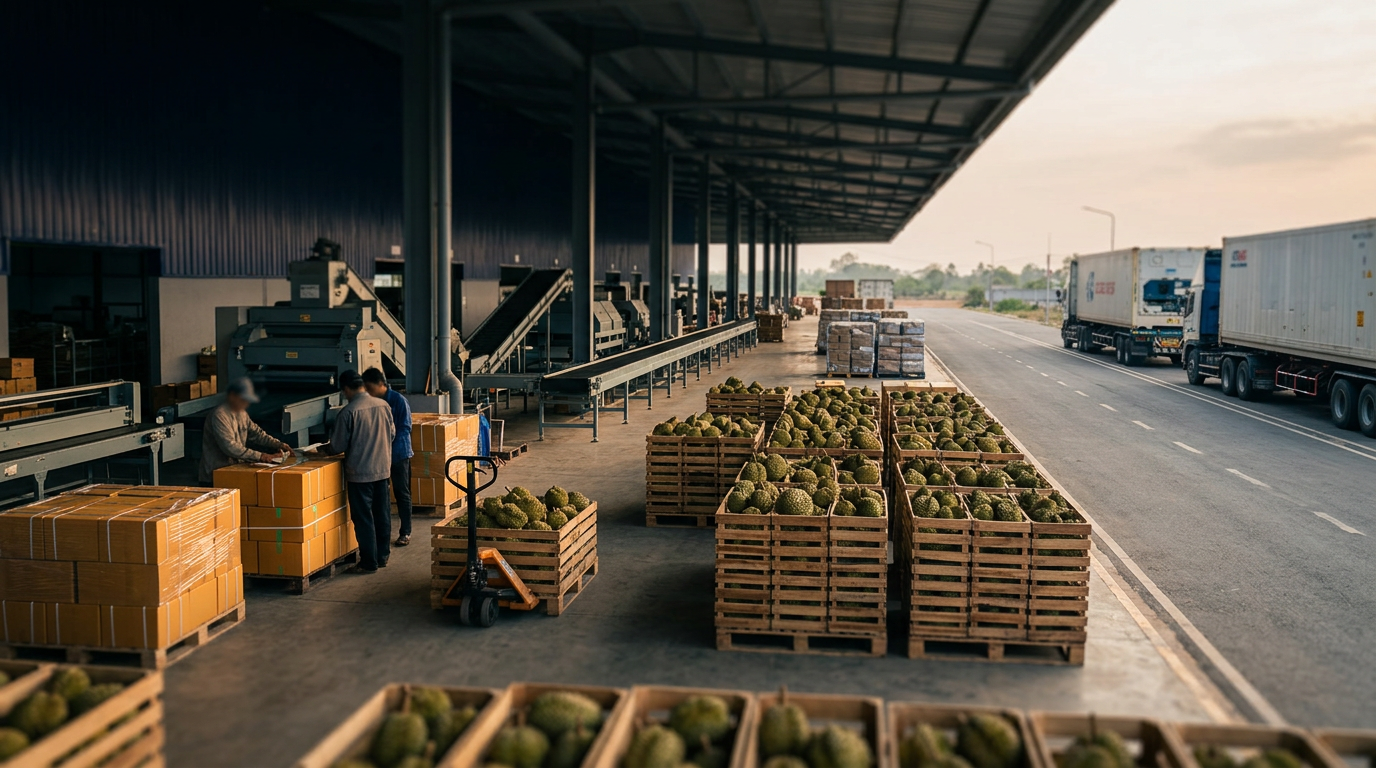
Cambodia has exported 5,738 metric tons of fresh durians to China in the first seven months of 2026, a development attributed to improved overland logistics, according to a report from e.vnexpress.net. While a story about fruit exports may seem minor, it serves as a grounded example of a much larger theme shaping investment and development across the region: the critical importance of execution.
For years, observers have pointed to the economic potential of ASEAN nations. Yet, as the book ASEAN Rising outlines, economic gravity is not automatic. The ability to translate scale and resources into durable growth rests on the quality of state capacity. The movement of perishable goods like durian across borders is a simple, direct test of that capacity. It requires coordinated systems for customs, phytosanitary certification, and transport-all elements of the institutional plumbing that determines whether commerce flows or stagnates.
Infrastructure as the Enabler
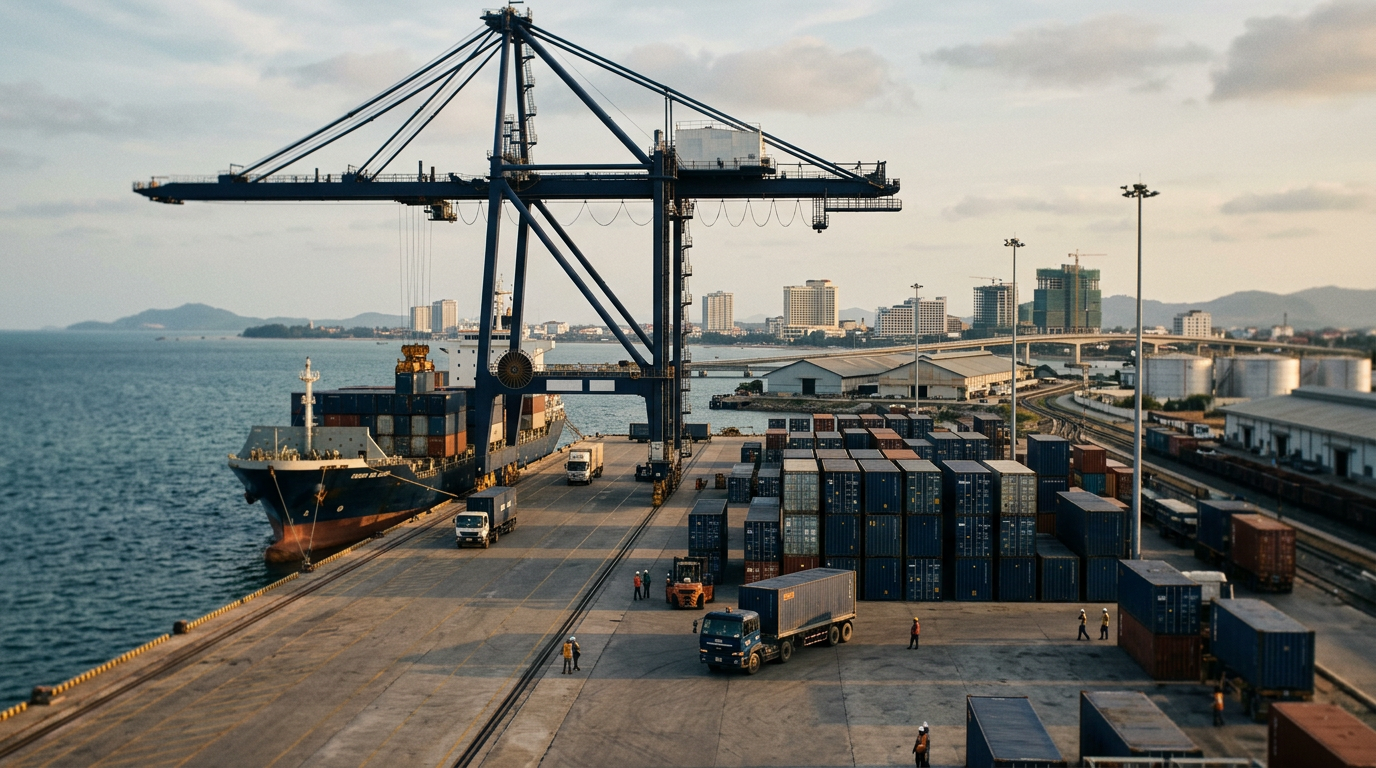
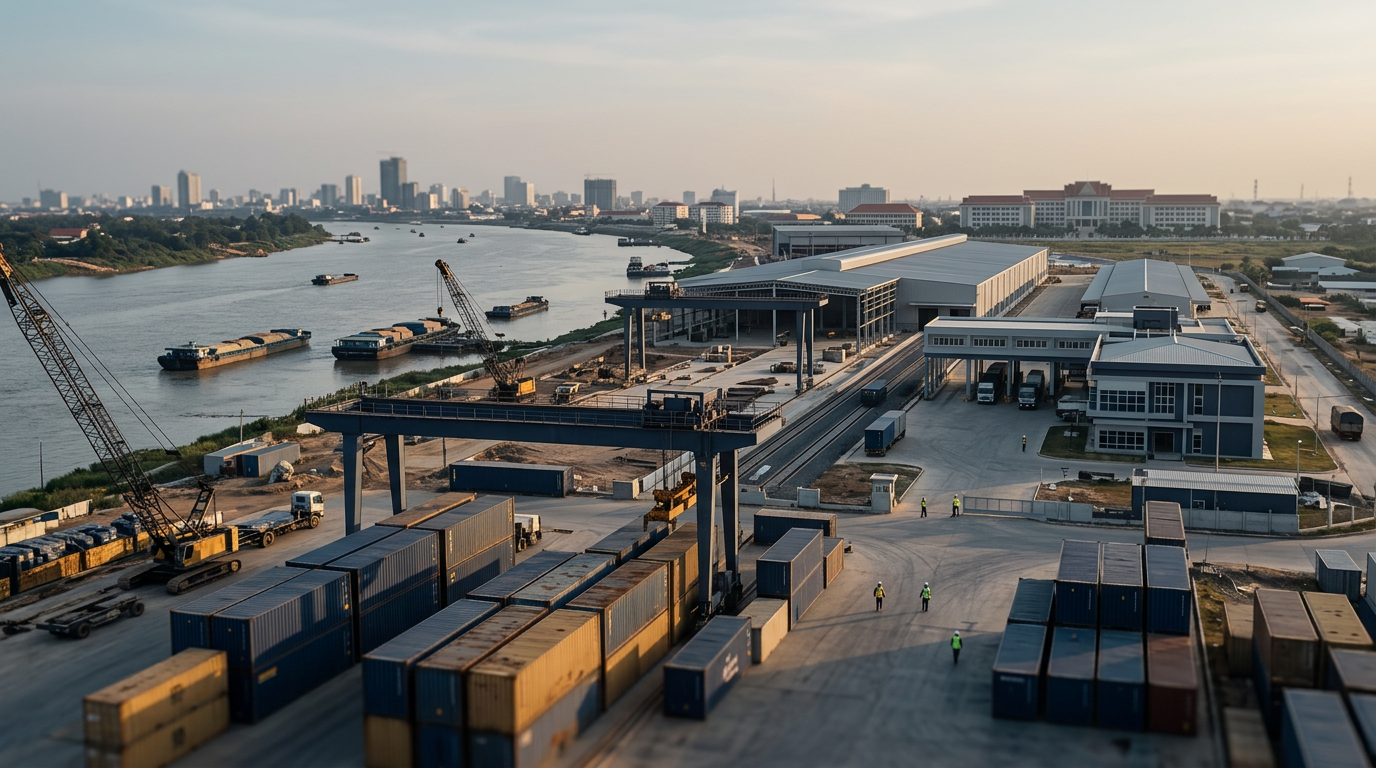
At the heart of the durian export success is infrastructure. The announcement of a new highway or port is one thing; its functional integration into new and existing supply chains is another entirely. Cambodia's ability to move thousands of tons of produce overland to a market as large as China demonstrates progress in connecting agricultural zones to international gateways. This is the tangible result of capital allocated to infrastructure projects years prior.
This connection between farm and market is a microcosm of the larger economic challenge. Foreign direct investment (FDI) often follows the path of least resistance, which is paved by reliable infrastructure. Investors in manufacturing, processing, or even services first assess the physical and digital networks that will support their operations. The ability to efficiently export durians signals a developing capability to handle more complex goods. It suggests that the arteries of commerce are becoming more robust, allowing capital to flow beyond traditional industrial estates into new sectors of the economy. The success is not in the agricultural potential itself, but in the execution that makes that potential accessible.
The Slower Work of Investment
Headlines frequently celebrate large FDI pledges. Yet, there is often a wide gap between announced and realized investment. As one chapter in ASEAN Rising notes, "Realised flows depend on the slower work of land, permits, power and talent reaching the ground." The flow of durians represents a realized investment in Cambodia's agricultural and logistical capacity. It shows that the "slower work" is getting done.
This process is where institutions prove their worth. Turning a patch of land into a productive farm or a factory requires a predictable and transparent process for securing titles, obtaining licenses, and connecting to utilities. These are not exciting developments, but they are the foundational elements that build investor confidence. When these systems function smoothly for a local farmer or a domestic logistics firm, it builds a track record. International capital is a lagging indicator of this domestic reality. The durian trade is a small but significant data point demonstrating that Cambodia is improving the institutional framework necessary to absorb and enable productive investment, moving from abstract potential to concrete output.
From Produce to Trust
Ultimately, effective execution builds trust. A predictable supply chain for agricultural goods fosters confidence among producers, traders, and their international counterparts. For Cambodia, the smooth export of durians to China is not just a trade win; it is an exercise in building a reputation for reliability. This trust is the most valuable asset a country can build. It is accumulated through millions of small, successful transactions, whether it is a container of fruit clearing customs on time or an investor securing a building permit without informal costs.
This foundation of trust, built on demonstrated competence, is essential for attracting the human capital needed for economic advancement. As supply chains become more sophisticated, they require a workforce with the talent to manage logistics, quality control, and international marketing. A functioning, reliable economic ecosystem is a powerful magnet for skilled workers and a strong incentive for investing in domestic training. The successful export season is a signal that the country is not just a source of raw materials, but a partner capable of executing complex logistical operations.
What to watch
Looking ahead, the key indicator will be whether this success can be replicated and scaled. Watch if Cambodia can apply the same logistical efficiency to other agricultural products, increasing the diversity of its exports. More importantly, observe whether these improvements in basic infrastructure and trade facilitation can be translated into attracting investment in value-added processing. The journey from exporting fresh fruit to shipping processed goods is a measure of deepening institutional capacity and a developing industrial base.