Cambodia
Cambodia's New Logistics Hub and the China Question
Cambodia breaks ground on a new logistics complex, a concrete step in managing its trade relationships and infrastructure development with an eye on its deep ties with China.

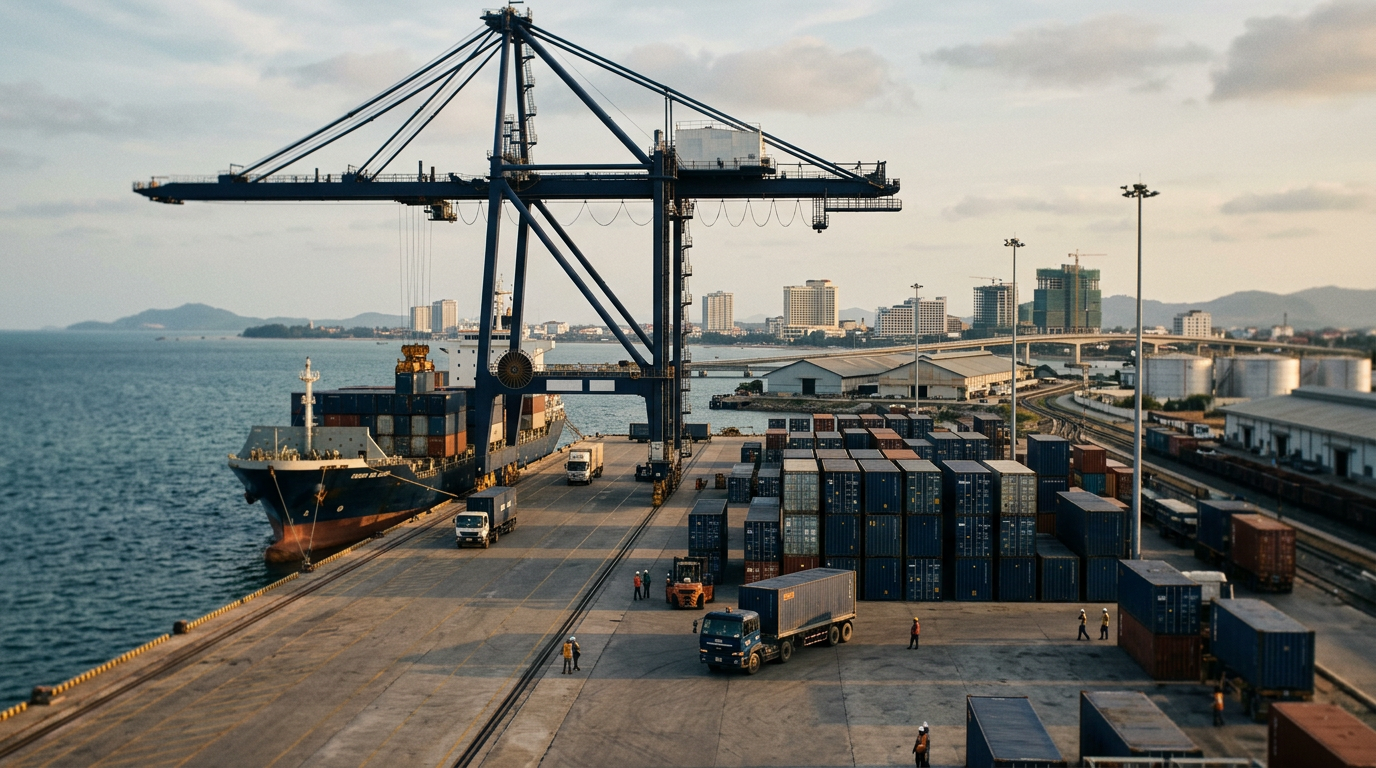
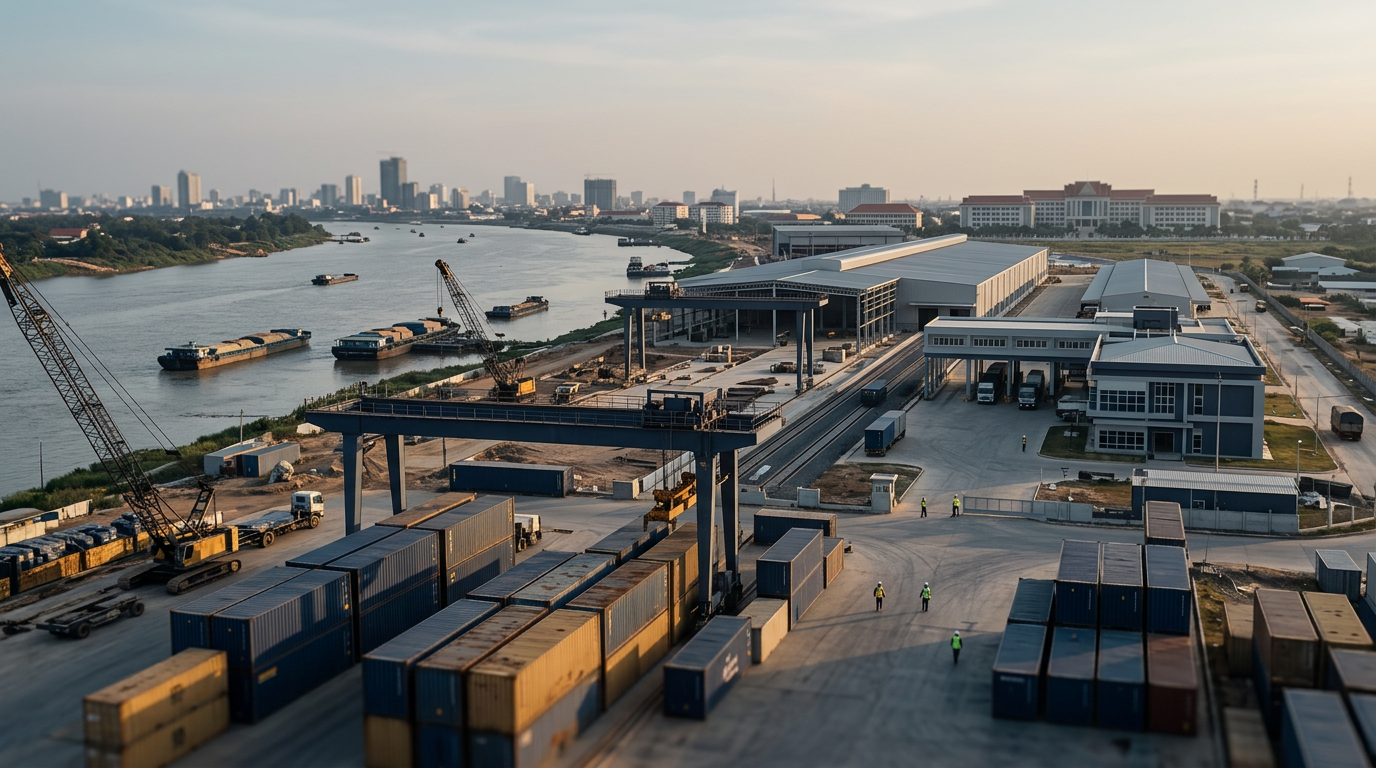
The Secretary-General of ASEAN, Dr. Kao Kim Hourn, is set to attend the groundbreaking for the new Phnom Penh Logistics Complex (PPLC) on August 31, 2026. According to a report from the ASEAN Secretariat, this event marks a significant step in Cambodia's infrastructure development. While the PPLC is a national project, the ASEAN Secretary-General's presence signals its regional importance. The facility is designed to improve the country's logistics capabilities, a core component of its economic strategy. This new hub is not being built in a vacuum; it fits within a broader pattern of infrastructure investment across ASEAN, much of it linked to Chinese capital and initiatives like the Belt and Road Initiative (BRI). Cambodia, as one of China's closest partners in the region, exemplifies the delicate balance member states must strike. The PPLC highlights the tangible benefits of this partnership while also bringing into focus the long-term strategic considerations of deep economic integration with a single, dominant partner.
Infrastructure and Interdependence
Cambodia's decision to invest in a major logistics complex addresses a fundamental need for better infrastructure to support its growing economy. Efficient logistics lower the cost of trade, improve competitiveness, and can attract further investment. For Cambodia, a modern logistics network is essential to connect its manufacturing centers to regional and global markets. This aligns with the broader ASEAN vision of seamless regional connectivity.
However, the execution of such large-scale projects often involves external partners. Chinese state-owned enterprises and financial institutions are primary drivers of infrastructure development in Cambodia and other ASEAN nations. This financial and technical support accelerates development, delivering ports, roads, and industrial parks that might otherwise take decades to fund and build. At the same time, this reliance deepens Cambodia's economic ties to China, raising questions about the terms of this interdependence. The development of the PPLC, therefore, is as much about strategic economic management as it is about pouring concrete.
Managing Dependency
The core issue for Cambodia and its neighbors is not about ending its trade and investment relationship with China, but about managing it. As the book "ASEAN Rising" explains, "Trade depth with China is now a structural feature, not a cyclical one." The scale of China's economy and its geographic proximity make it an indispensable economic partner for the foreseeable future. The focus for ASEAN governments has shifted from debating engagement to defining its terms.
The development of national assets like the PPLC can be seen as an attempt to do just that. By building up its own sovereign infrastructure, Cambodia enhances its capacity to manage trade flows and control its economic gateways. It's a move to build institutional strength and operational control on the ground. This approach reflects a quiet, pragmatic strategy seen across the region: accept the benefits of Chinese capital while simultaneously investing in domestic institutions and physical assets to retain agency and avoid excessive reliance on a single partner for critical functions.
The Role of Capital
Capital is the fuel for infrastructure, and the PPLC is a case in point. The source of that capital carries strategic weight. While the immediate reporting on the PPLC focuses on its domestic and regional significance, the financing behind such projects is a key part of the story. When capital comes with implicit or explicit strategic ties, it shapes the geopolitical landscape. ASEAN nations are increasingly sophisticated in how they approach this, often seeking to diversify their sources of funding and structure deals that preserve their national interests.
Cambodia's approach with the PPLC will be a practical test of this management. The project represents an investment in the country's long-term economic architecture. It is a physical manifestation of a national strategy aimed at leveraging an economic partnership with China to build national capacity. The success of this strategy will depend on Cambodia's ability to ensure that projects like the PPLC serve its own economic priorities first and foremost, contributing to a more resilient and balanced national economy.
What to watch: Observers should monitor the operational structure of the PPLC, including the ownership and management agreements. The extent to which Cambodian institutions can effectively run and regulate this new hub will indicate the country's progress in translating infrastructure investment into sovereign economic capability. The balance between local control and foreign influence in this key logistics node will offer insight into how Cambodia is managing its deep economic relationship with China.