Cambodia
Cambodia's Trade Deficit Highlights ASEAN's China Dependency
Cambodia's growing trade deficit, driven by Chinese imports, is a case study in the structural economic dependencies faced by ASEAN nations. The challenge is not whether to engage with China, but how to manage the relationship without sacrificing economic or strategic.
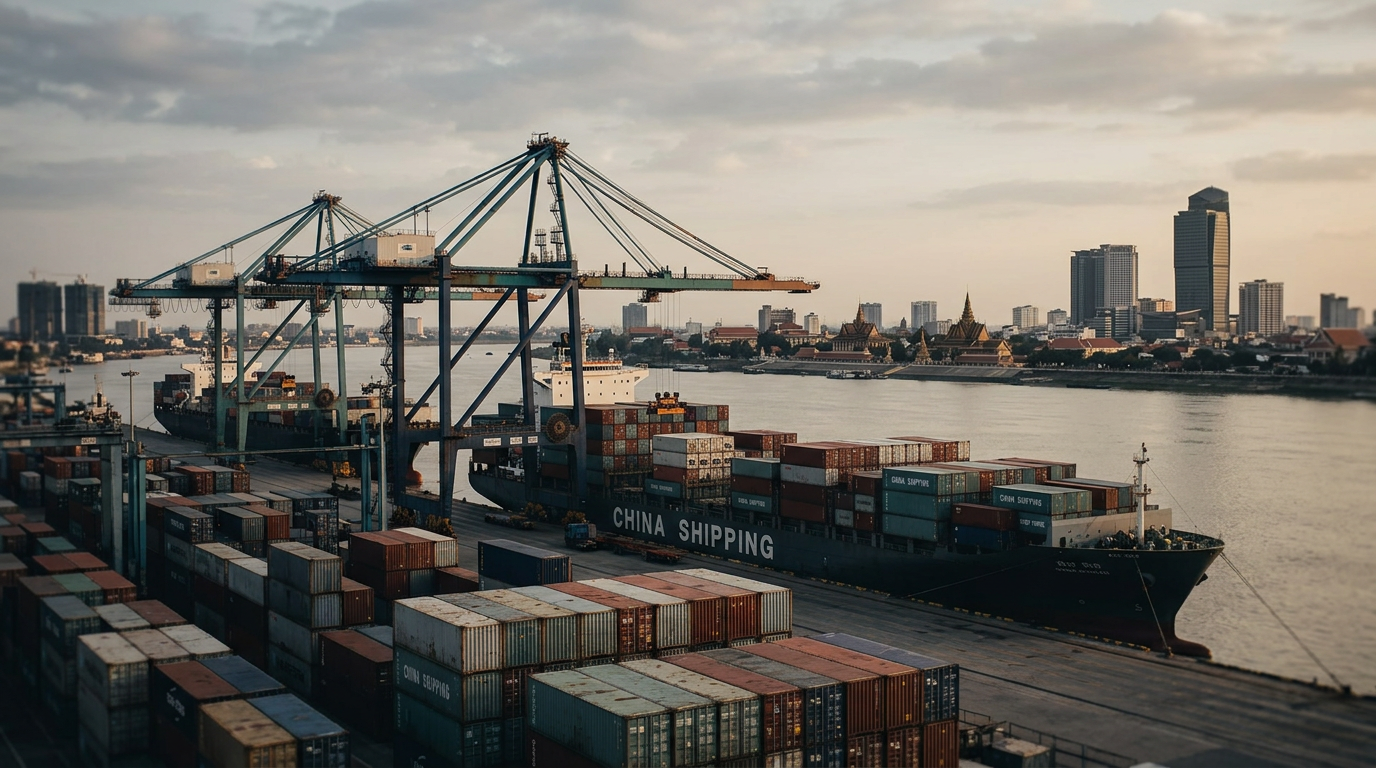
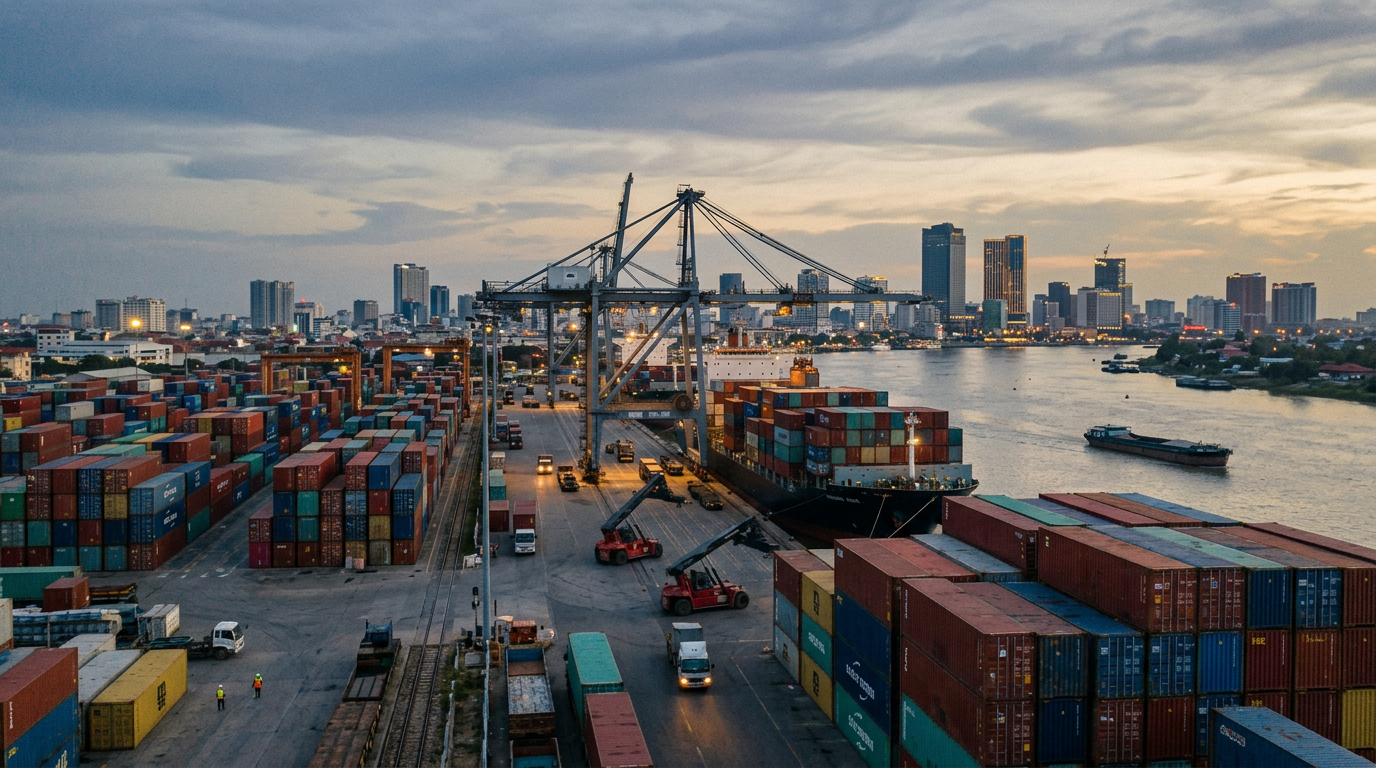
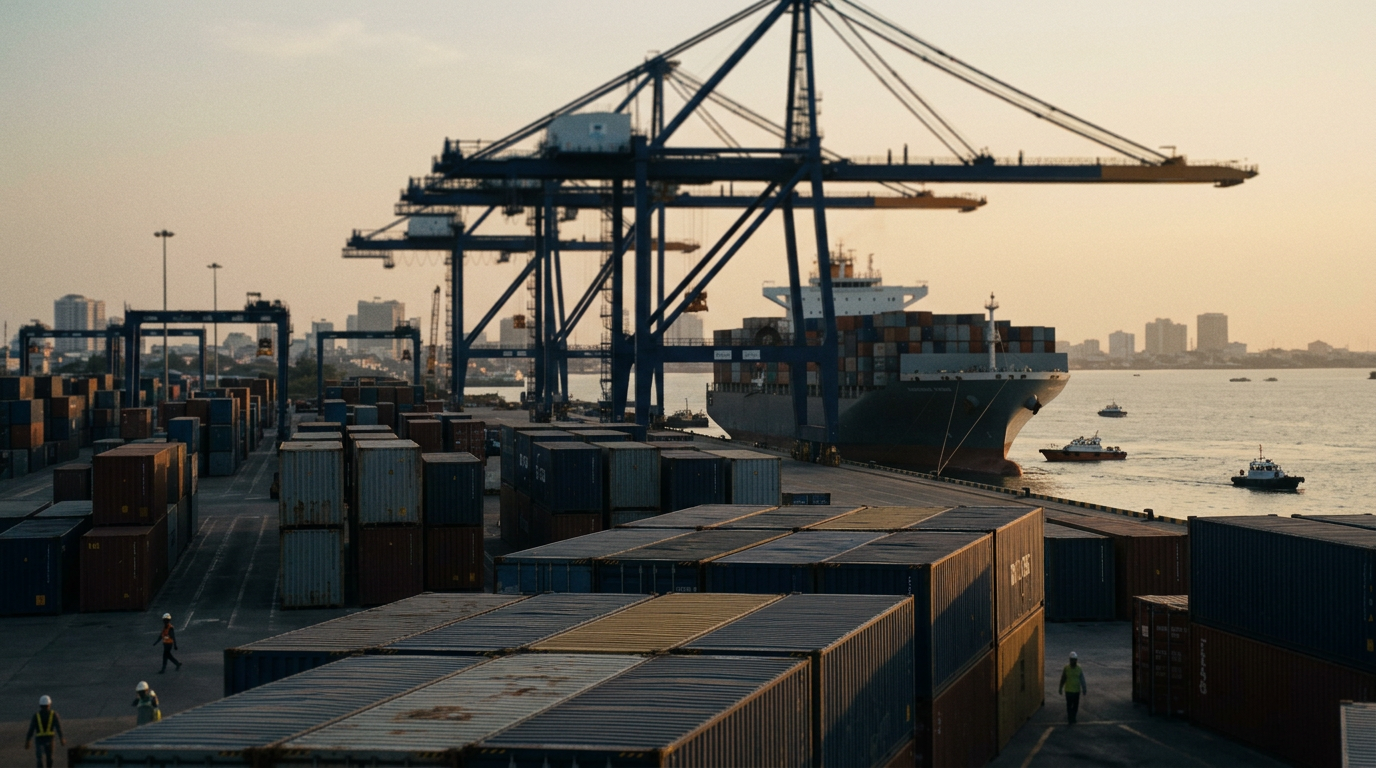
A recent report from VnExpress highlighted that Cambodia's total trade reached $44.07 billion in the first seven months of 2026, a significant 21.3% increase year-on-year. While rising trade volumes are often a positive economic indicator, the data also revealed a growing trade deficit of $2.44 billion for the period. A closer look at the country's trade partners shows a familiar pattern for many ASEAN members. Vietnam was the top export market for Cambodian goods, but China was by far the largest source of imports, accounting for nearly $11 billion. This imbalance underscores a structural economic challenge that resonates across the region: the deep, complex, and often asymmetric trade relationship with China.
The Gravity of Chinese Trade
Cambodia's situation is not unique within ASEAN. China stands as the largest trading partner for the bloc as a whole, a relationship built on decades of investment, infrastructure development, and supply chain integration. For countries like Cambodia, Chinese capital and goods have been instrumental in building out industrial capacity, particularly in sectors like garment manufacturing, which remains a core component of its export economy. The flow of raw materials, machinery, and consumer goods from China fuels the domestic economy and production for export to other markets.
However, this integration comes with significant dependencies. The large trade deficit with China reflects a reliance on Chinese inputs for production and a domestic market that absorbs a high volume of Chinese finished goods. This economic gravity is difficult to escape. As the book "ASEAN Rising" notes, for many governments in the region, the core issue is no longer about choosing whether to engage with China's economy. Engagement is a fact on the ground. The operative challenge has shifted to managing the terms of this engagement to avoid excessive dependency and maintain a degree of economic and strategic autonomy.
Infrastructure and Institutional Alignment
The physical and institutional infrastructure of trade further solidifies this dependency. China's Belt and Road Initiative (BRI) has funded ports, railways, and highways across Southeast Asia, including in Cambodia. These projects are designed to facilitate the flow of goods, and by their nature, they often enhance connectivity with China itself. The Sihanoukville Special Economic Zone in Cambodia, for instance, is a major hub for Chinese investment and is logistically linked to supply chains originating in mainland China.
In parallel, trade agreements like the Regional Comprehensive Economic Partnership (RCEP) and the ASEAN-China Free Trade Area (ACFTA) have lowered tariffs and standardized customs procedures. While these agreements are, in theory, multilateral, their practical effect has often been to deepen the existing trade channels with the region's largest economic partner. For a developing economy like Cambodia, the availability of Chinese capital and the institutional frameworks that support it create a powerful incentive to align its economic strategy with Beijing. The result is a trade ecosystem where Chinese standards, technology, and capital play an outsized role, making diversification a long-term, capital-intensive goal rather than a short-term policy choice.
The Search for Optionality
Despite the structural constraints, ASEAN nations, including Cambodia, are not passive participants. The pursuit of "optionality," as described in ASEAN Rising, is a key strategic driver. This involves actively seeking to diversify trade partners and attract investment from a wider range of sources, such as Japan, South Korea, the United States, and the European Union. For Cambodia, the fact that Vietnam is its largest export market demonstrates a degree of success in this effort. Expanding access to Western markets for its manufactured goods is another critical component of this strategy.
This balancing act requires careful navigation. ASEAN states must continue to leverage the economic benefits of their proximity and integration with China while simultaneously building the institutional and infrastructural capacity to engage more robustly with other global powers. The goal is not to decouple from China, which is unrealistic, but to create a more balanced portfolio of economic relationships. This prevents any single partner from having undue leverage over national economic policy or strategic decisions. What to watch
Observe how Cambodia and other ASEAN nations with significant Chinese trade deficits manage their foreign economic policies. Pay attention to their ability to attract non-Chinese foreign direct investment into key sectors like manufacturing and technology. The evolution of regional trade agreements and the development of infrastructure projects that enhance connectivity with markets beyond China will be important indicators of whether these countries can successfully maintain their economic and strategic optionality in an era defined by deep trade ties with Beijing.