
ASEAN Analysis & Commentary
Every analysis published on ASEAN Rising is sourced, datestamped and signed. We're more interested in being right in 12 months than first in 12 minutes.
Foundation pieces
Start here. The three pieces below set out the lens ASEAN Rising uses to read every story.
ASEAN Rising's core lens. Execution Economics is the study of whether countries, companies and institutions can convert obvious potential into delivered outcomes - and which six pillars decide the answer.
The region has capital, demographics, location and policy ambition. None of that has ever been the binding constraint. The next decade is an execution test, not a potential test - and it is already being scored.
Malaysia is the test case for whether ASEAN's middle powers can turn FDI, semiconductors and data centres into compounding domestic capability. Read the live coverage and execution scorecard.
Analysis tagged #AI
 Thailand
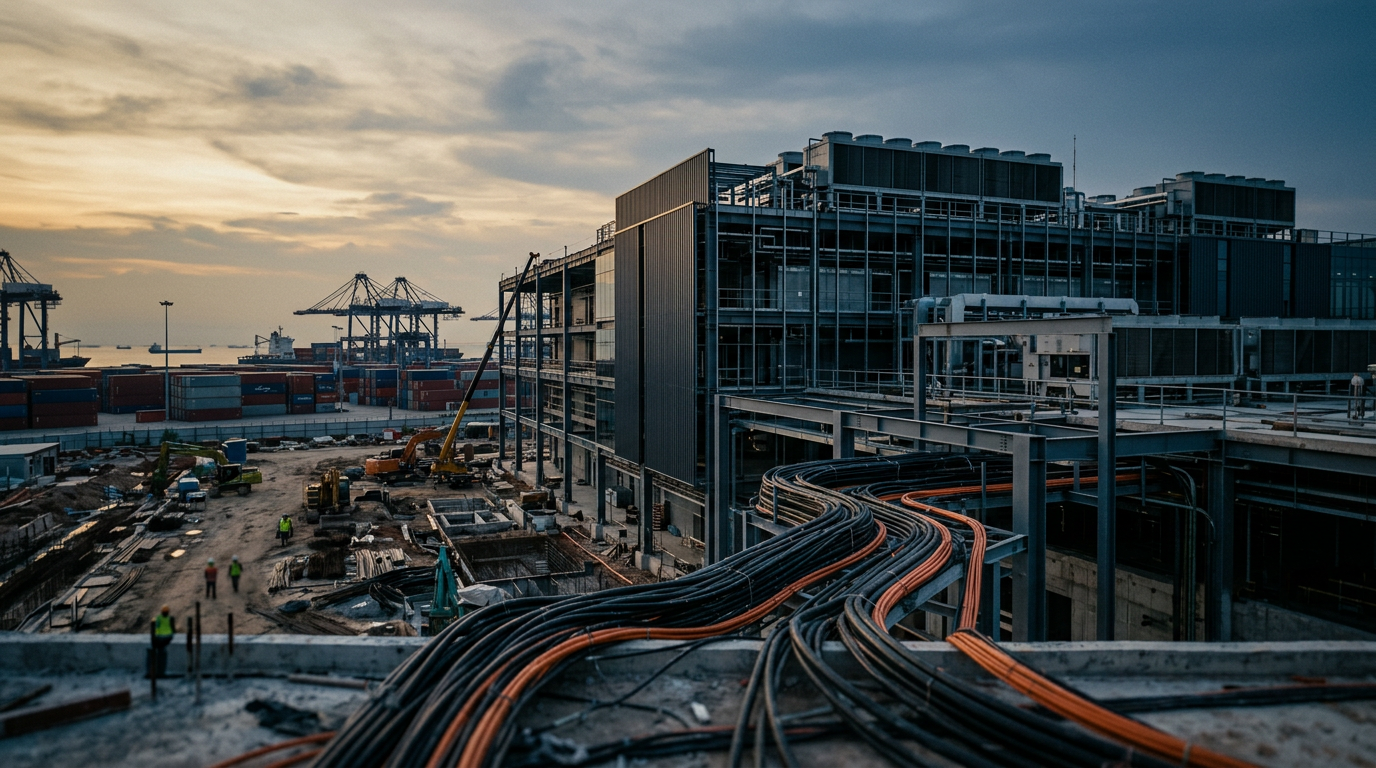
Funding the Foundation of Sovereign AI in ASEAN
Sovereign AI in ASEAN will be tested not by model launches but by who controls the compute, the data layer and the digital identity rails that sit underneath everyday economic life.
 Indonesia
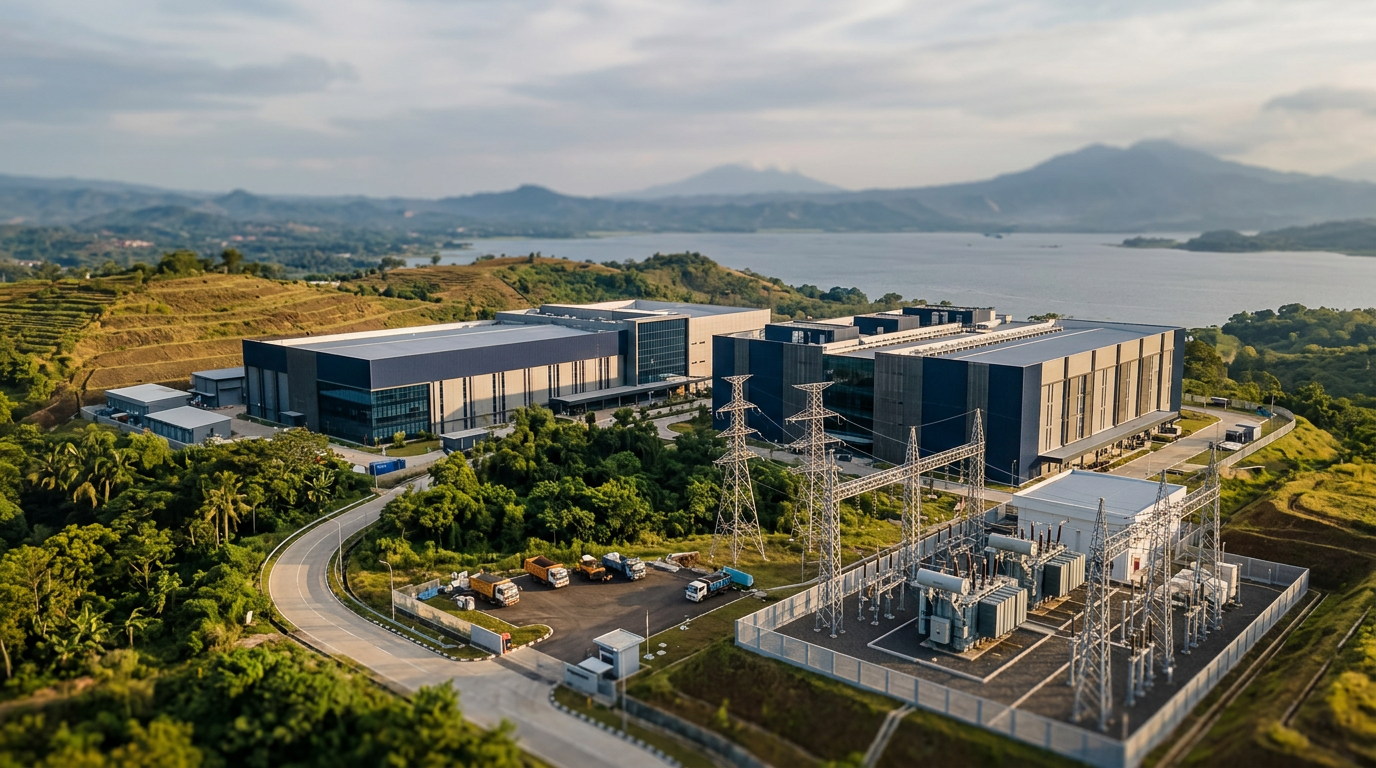
's Hyperscale Ambition Moves to Jatiluhur
A major new data center campus in West Java tests Indonesia's ability to coordinate infrastructure and power at scale. The 640 MW project is a bet on a new location, moving away from established hubs like Jakarta and Cikarang.
 Thailand
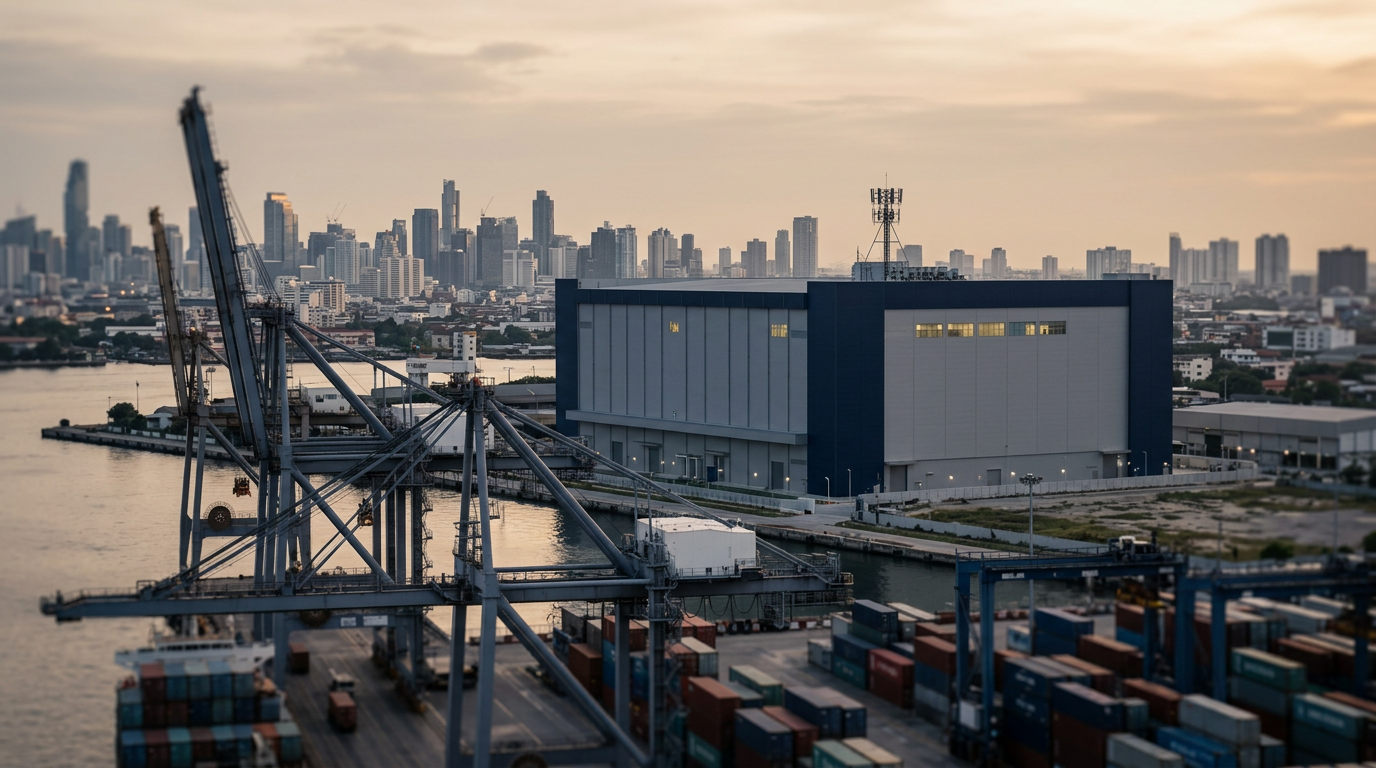
 Enters the Hyperscale Arena
Meta's recent move to secure AI capacity in Thailand is a bet on the country's infrastructure and institutions, not just its power grid. For hyperscale data centers, execution is everything.
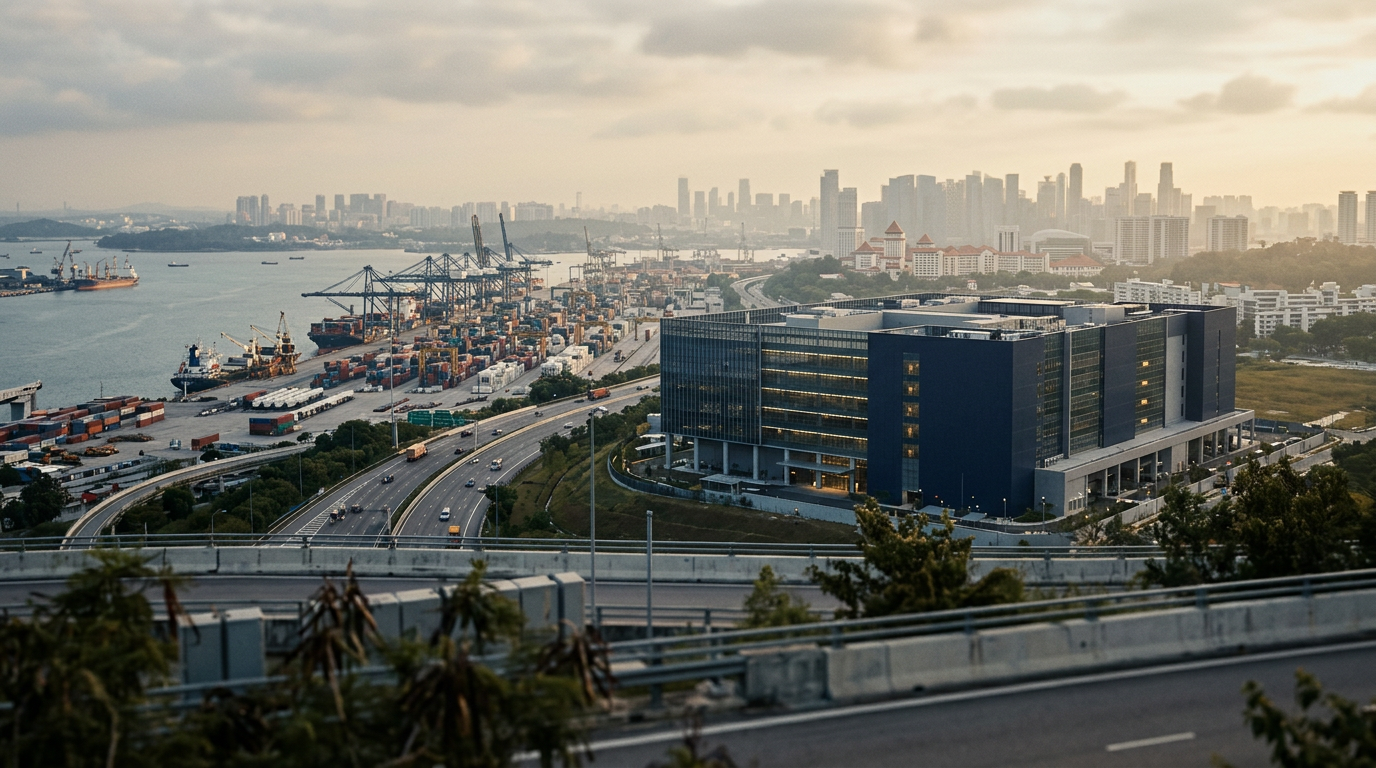
Alibaba Cloud and the ASEAN Sovereign AI Stack
Alibaba Cloud's recent infrastructure expansion in ASEAN brings the region's focus back to the foundational layers of sovereign AI: compute, data, and digital identity, not just the models themselves.

Sovereign AI in ASEAN: Beyond the Models
Alibaba Cloud's recent expansion in ASEAN puts a spotlight on the underlying infrastructure of sovereign AI. The real test is not in the models themselves, but in who controls the compute, data, and digital identity rails that shape economic life.
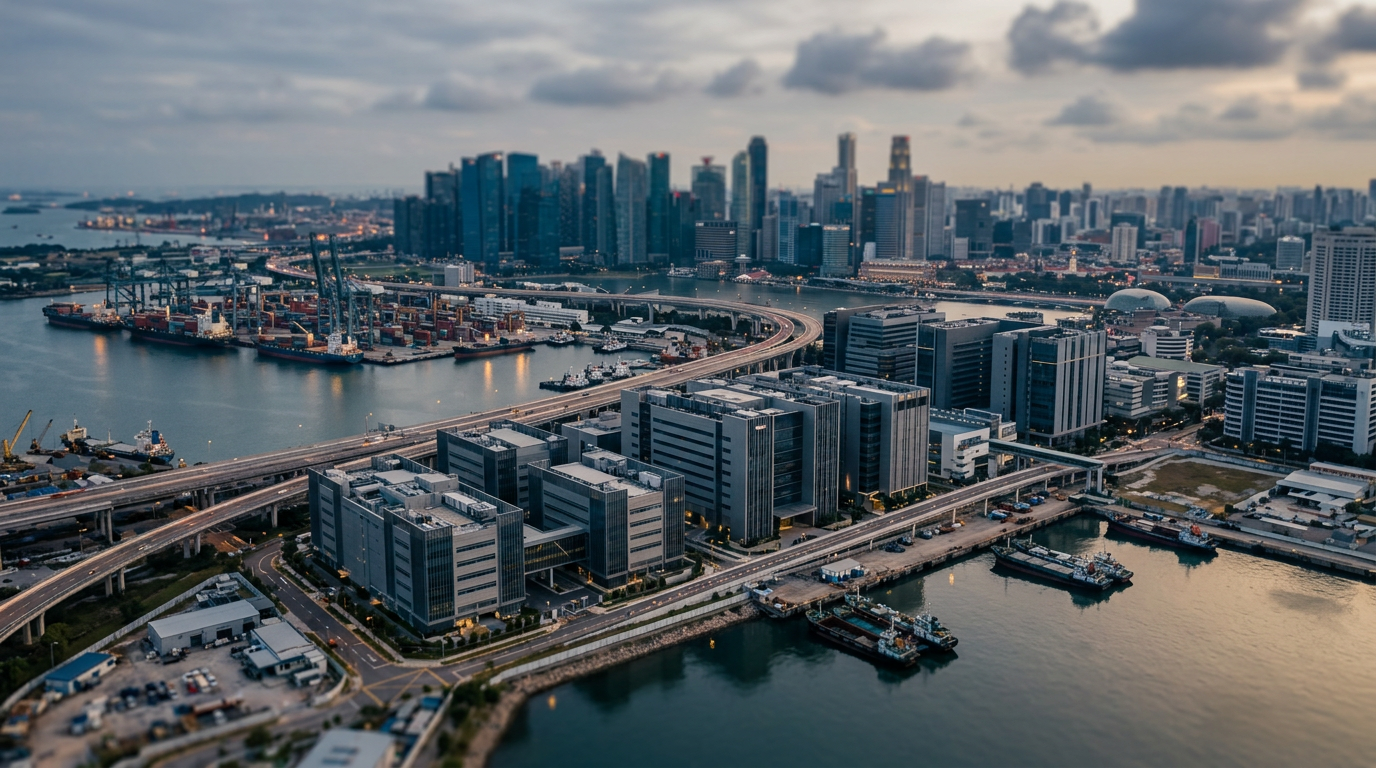
Alibaba Cloud Expansion Puts ASEAN Sovereign AI Capabilities to the Test
Alibaba Cloud's recent infrastructure expansion in the region brings the underlying questions of sovereign AI to the forefront. Who controls the compute, the data, and the digital identity rails will determine the future of ASEAN's digital economy.

Sovereign AI in ASEAN: Beyond the Models
The contest for sovereign AI in ASEAN is not about the models themselves, but about the foundational layers of compute, data, and digital identity that will shape the region's economic future.
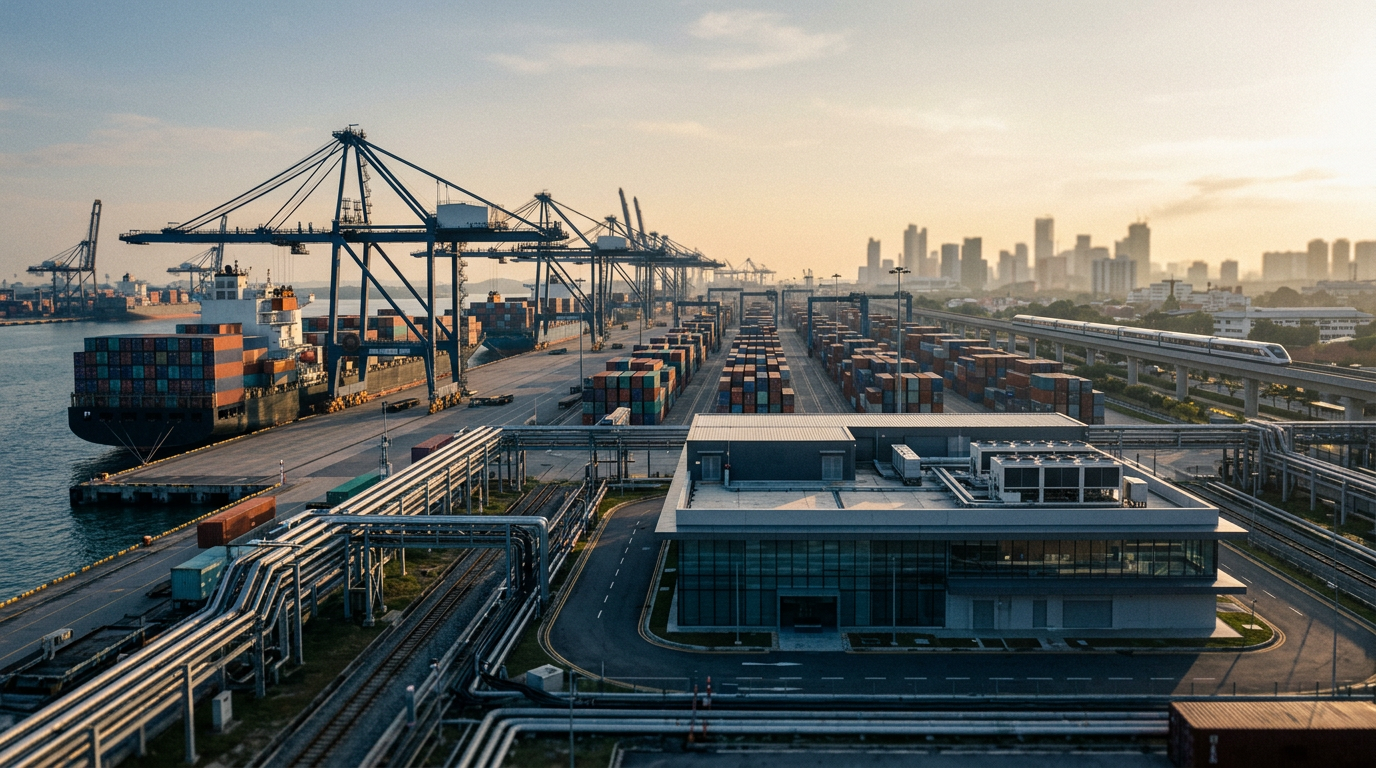
Sovereign AI in ASEAN: Beyond the Models
The contest for sovereign AI in ASEAN will be decided not by model launches but by who controls the underlying compute, data, and digital identity infrastructure.

 Philippines
The Infrastructure of Sovereign AI in the Philippines
The recent launch of an AI workspace by a major Philippine telecom highlights the deepening competition over the foundational layers of the digital economy. While such platforms promise to democratize access to AI tools, the underlying questions of data sovereignty.

 Singapore
, FDI, and the Challenge of Scale
A jump in Singaporean factory output, driven by AI demand, highlights a core ASEAN challenge: converting FDI announcements into realized, on-the-ground investment. For neighbors like Indonesia, the slower work of improving institutions and infrastructure is the real measure of.
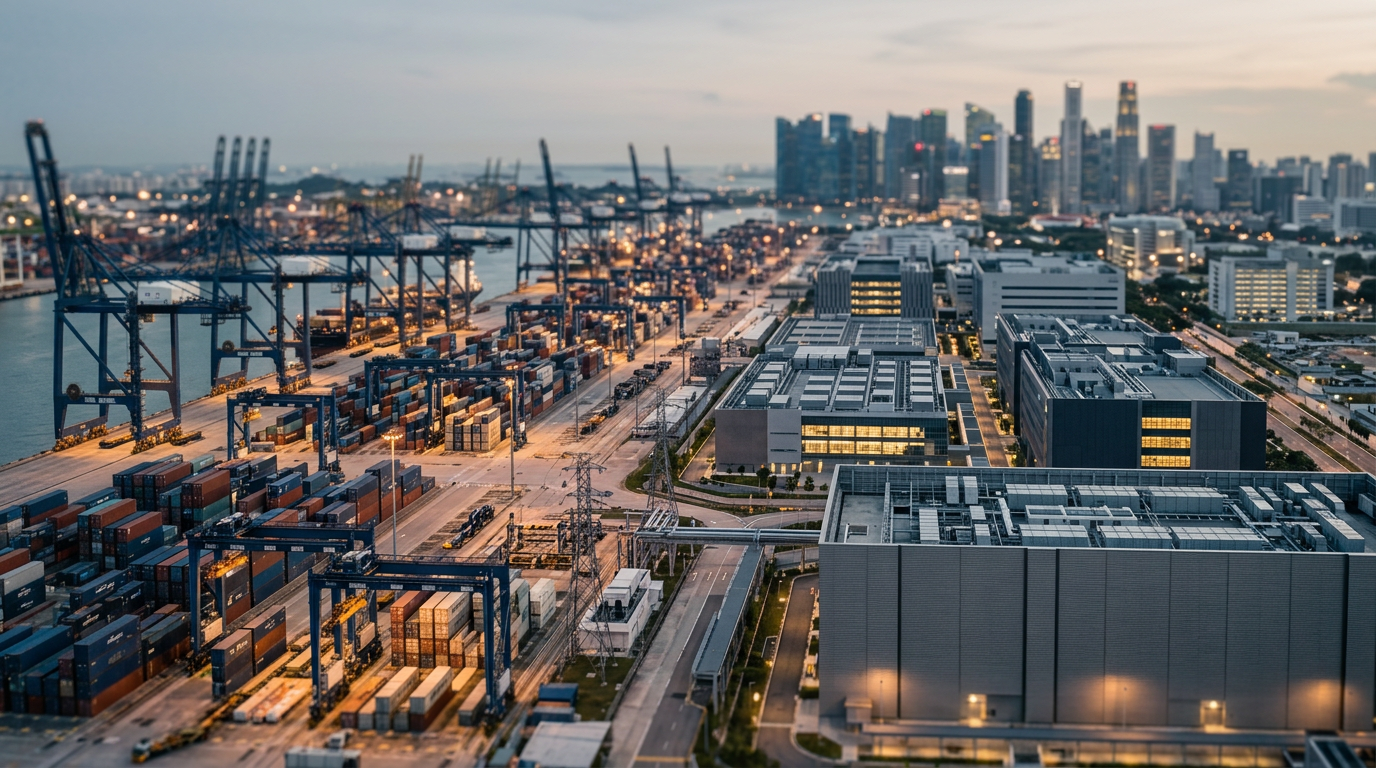 Singapore
, AI, and the FDI Test
Singapore's factory output jump in August, driven by AI demand, is a positive signal. Yet, the work of turning foreign direct investment announcements into long-term economic capacity is just beginning.
 Singapore
, AI, and ASEAN's Manufacturing Future
Singapore's recent factory output surge, driven by AI-related demand, highlights a divergence in ASEAN manufacturing. While Singapore attracts high-value investments, its neighbors must focus on institutional capacity to absorb and realize large-scale FDI.
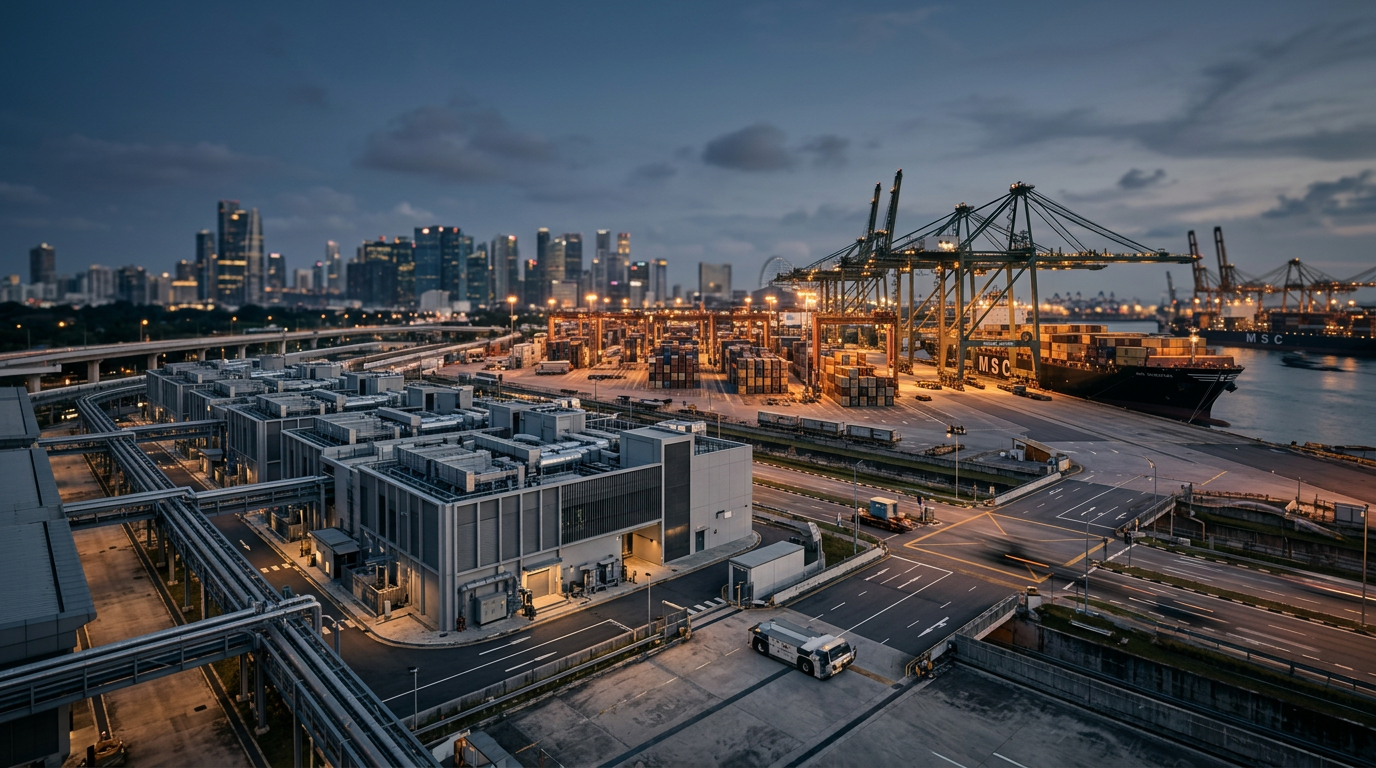 Singapore
, FDI, and the Enduring Power of Execution
The new AI-driven investment boom is a reminder that in the long run, capital follows capacity, and FDI flows to where the slow work of execution gets done.
 Philippines
The Hardware and Headware of Sovereign AI
Sovereign AI in ASEAN will be tested not by model launches but by who controls the compute, the data layer and the digital identity rails that sit underneath everyday economic life.
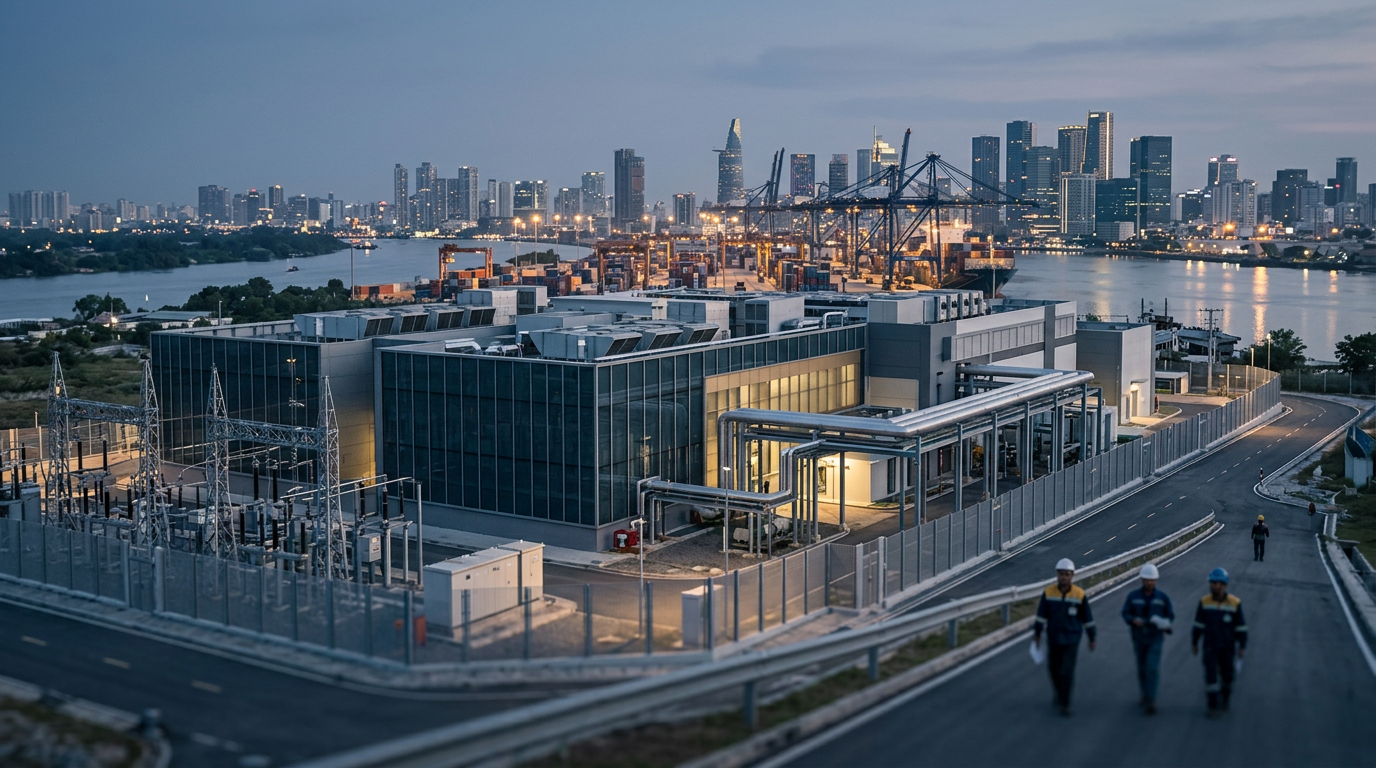
Sovereign AI in ASEAN: More Than Just Models
NVIDIA's latest expansion of AI deployments in Southeast Asia using its Nemotron models highlights the region's push into artificial intelligence. However, true sovereign AI capability will be determined by control over compute, data, and digital identity infrastructure, not.
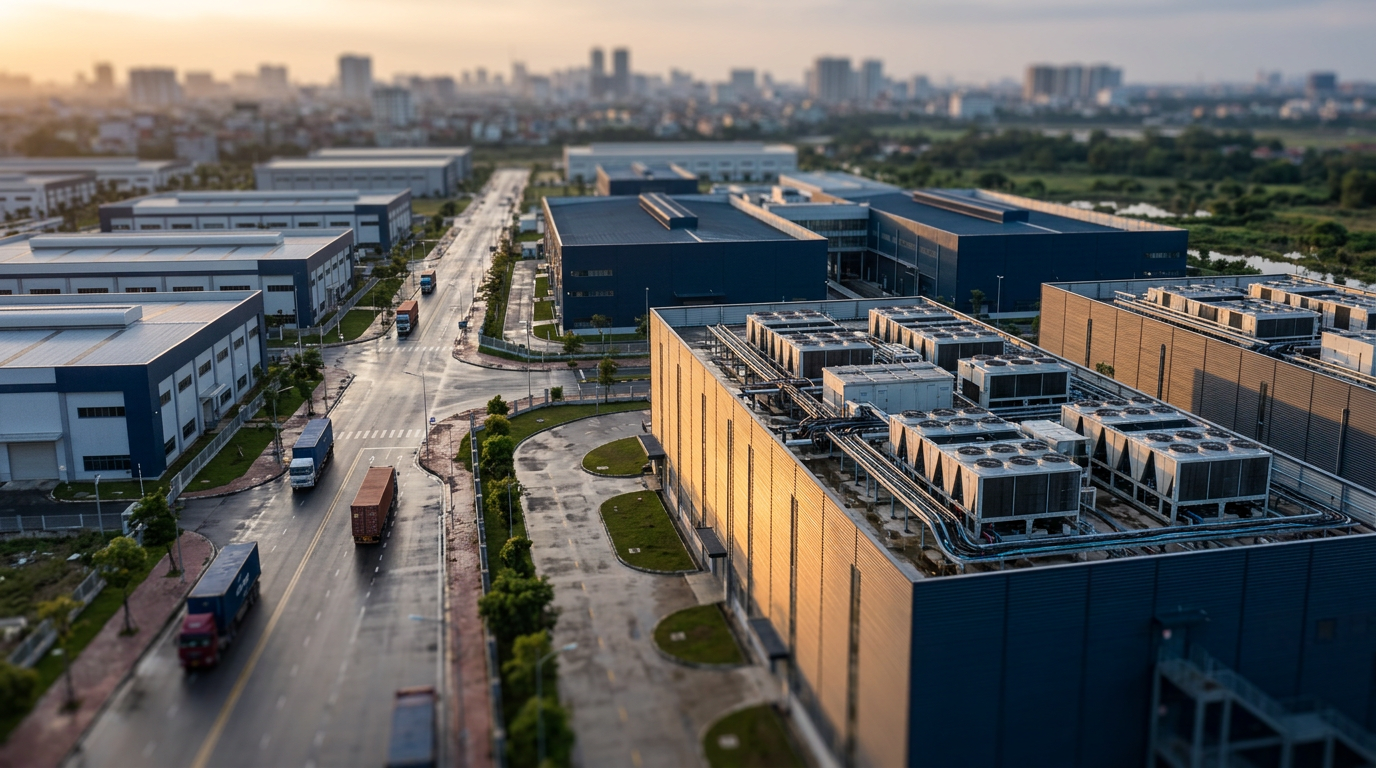
 Vietnam
's Push for AI Sovereignty
Hanoi's recent courtship of global tech giants like Qualcomm and Samsung for AI and semiconductor investment is not just about upgrading its technology sector. It reflects a deeper, region-wide ambition for sovereign AI, where control over compute, data, and digital identity.
 Thailand
's New AI Regulations: A Test for Sovereign Digital Infrastructure
Thailand's new AI regulations highlight a familiar tension in the digital economy: balancing innovation with control. For ASEAN, the true test lies in building and managing the foundational layers of compute, data, and digital identity.
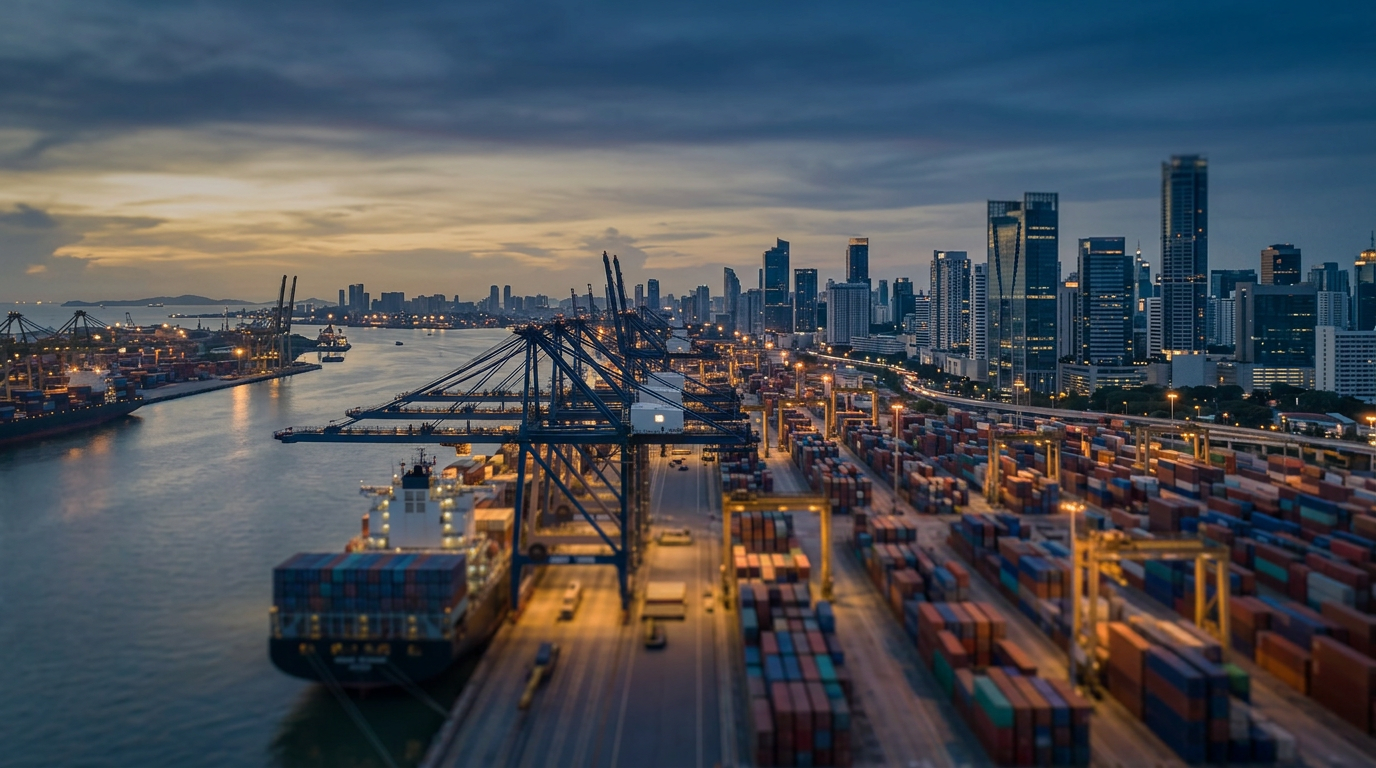
Alibaba Cloud, AI, and ASEAN Sovereignty
Alibaba Cloud's recent AI and infrastructure expansion in the region is a reminder that sovereign AI is tested by who controls the compute, the data layer, and the digital identity rails of economic life.
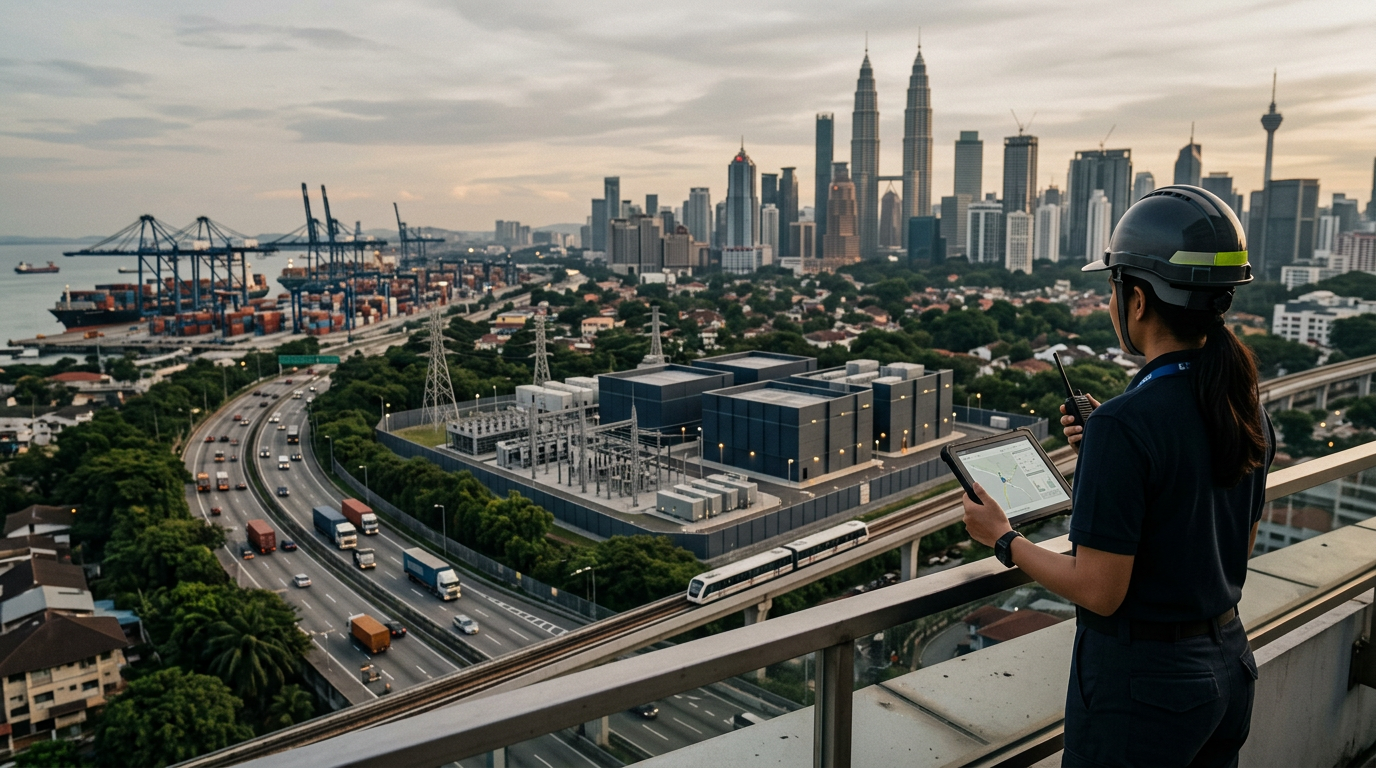
 Malaysia
Sovereign AI in ASEAN is a question of infrastructure
The contest for sovereign AI in Southeast Asia will not be won by launching new models, but by controlling the underlying compute, data, and digital identity layers.
 Philippines
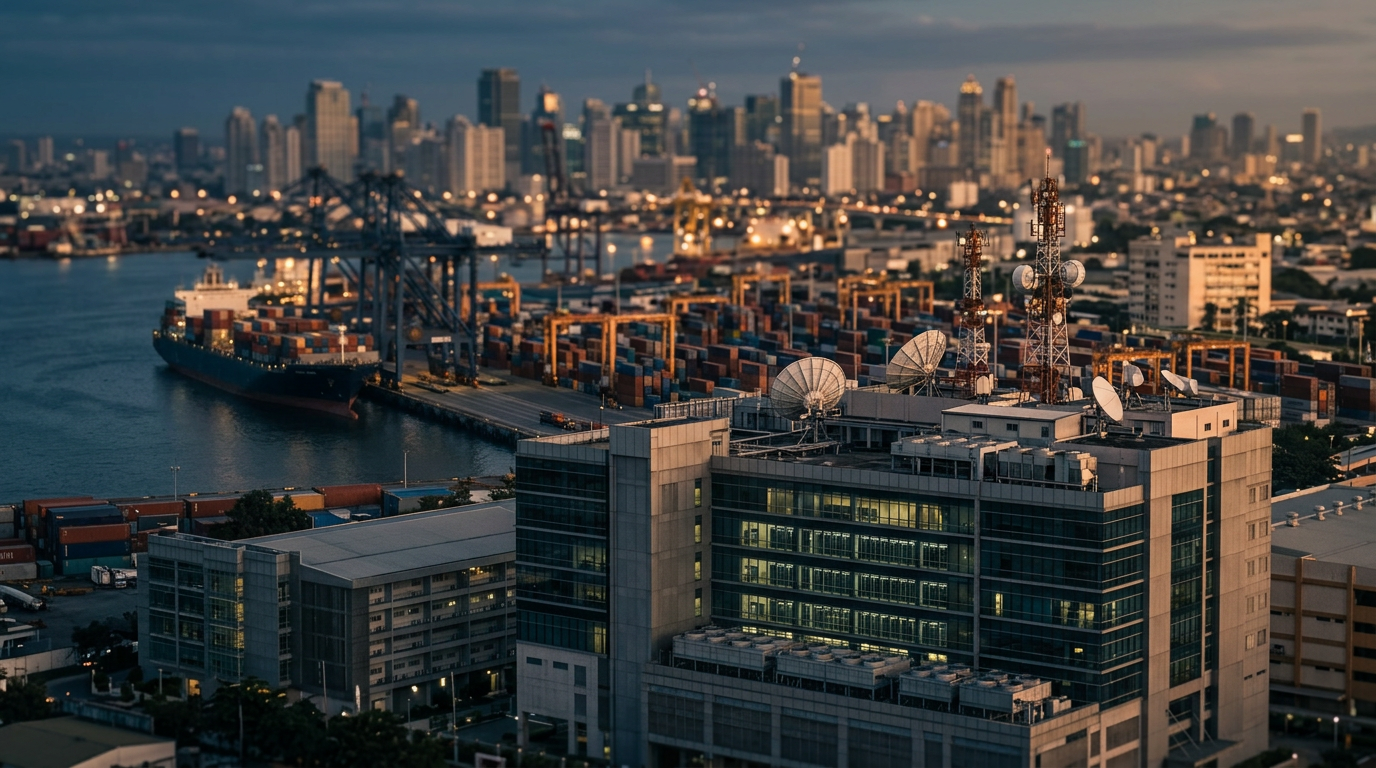
 Telco AI Platform Tests Sovereign Infrastructure
A new AI workspace from a Philippine telco is a reminder that sovereign AI in ASEAN will be tested not by model launches but by who controls the compute and data that sit underneath.
 Malaysia
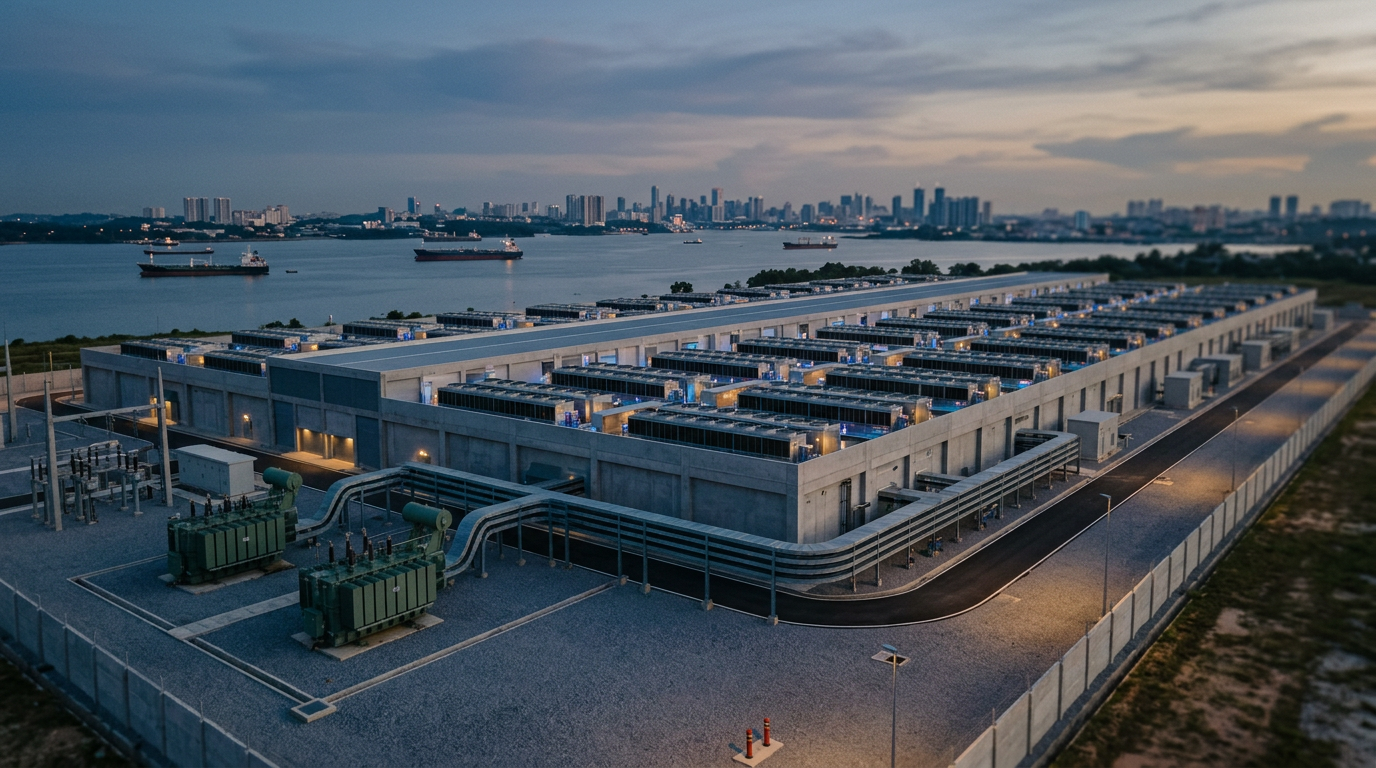
's AI Infrastructure Ambitions Face a Sovereignty Test
A major new data center in Johor, Malaysia highlights the region's growing AI ambitions, but the underlying questions of control over compute, data, and digital identity will determine the long-term economic benefits for ASEAN.
 Philippines
The sachet model for AI arrives in the Philippines
The Philippine telco giant Smart Communications is expanding access to artificial intelligence with a new retail product. But who really controls the AI value chain?
 Indonesia
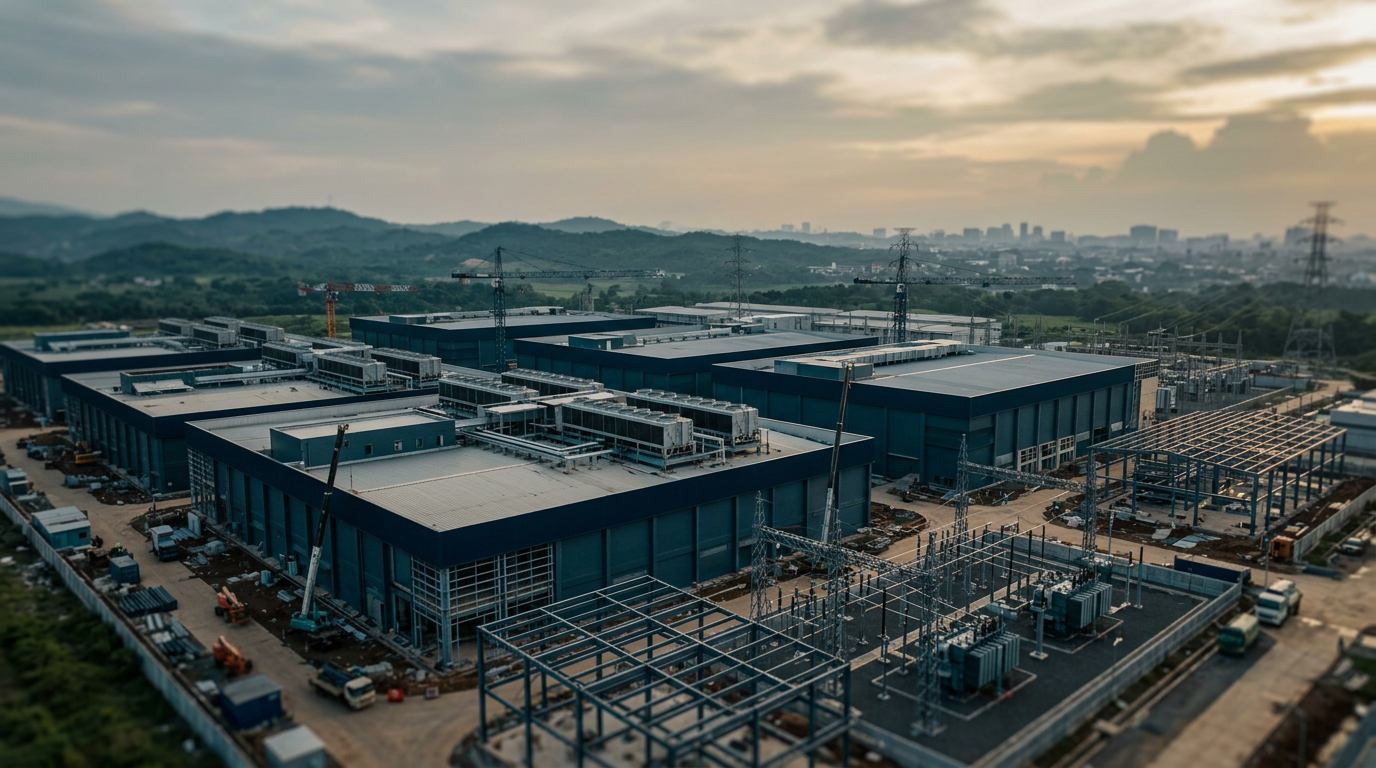
 and the Hyperscale Data Center Buildout
Where utilities, planning and connectivity move together, hyperscale capacity follows. That is the story of a new 640 MW AI data center campus in West Java, Indonesia.
 Thailand
 Weighs AI Guardrails
Thailand is debating how to manage the risks of artificial intelligence while pursuing AI-driven growth. The real tests will involve control over the foundational layers of compute, data, and digital identity.

Aligning Capital and Capacity in ASEAN Data Centers
As foreign capital builds out ASEAN's data center capacity, the region must focus on aligning infrastructure, planning, and talent to ensure long-term sovereignty.
 Singapore
Thailand's AI Balancing Act and the Sovereignty Question
Thailand's call for a "balanced" approach to AI in business, as voiced by the Federation of Thai Industries, highlights a deeper issue for all of ASEAN: the governance of the foundational elements of the digital economy.
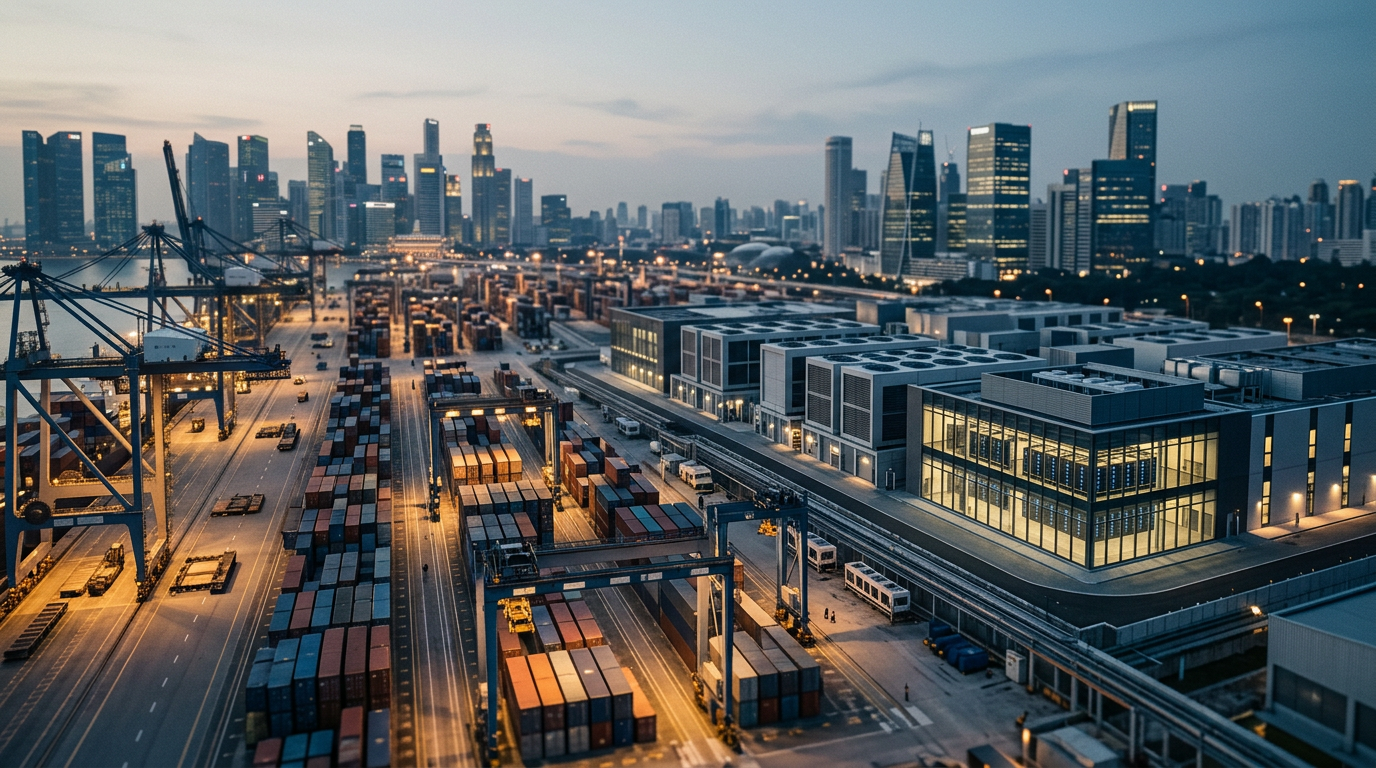
Sovereign AI in ASEAN: From Compute to Control
A recent article in The Diplomat asks whether the region's AI boom will deliver real economic benefits. ASEAN's AI future depends less on data center capacity and more on who governs the data and digital identity layers.
 Malaysia
Sovereign AI in ASEAN is a question of control
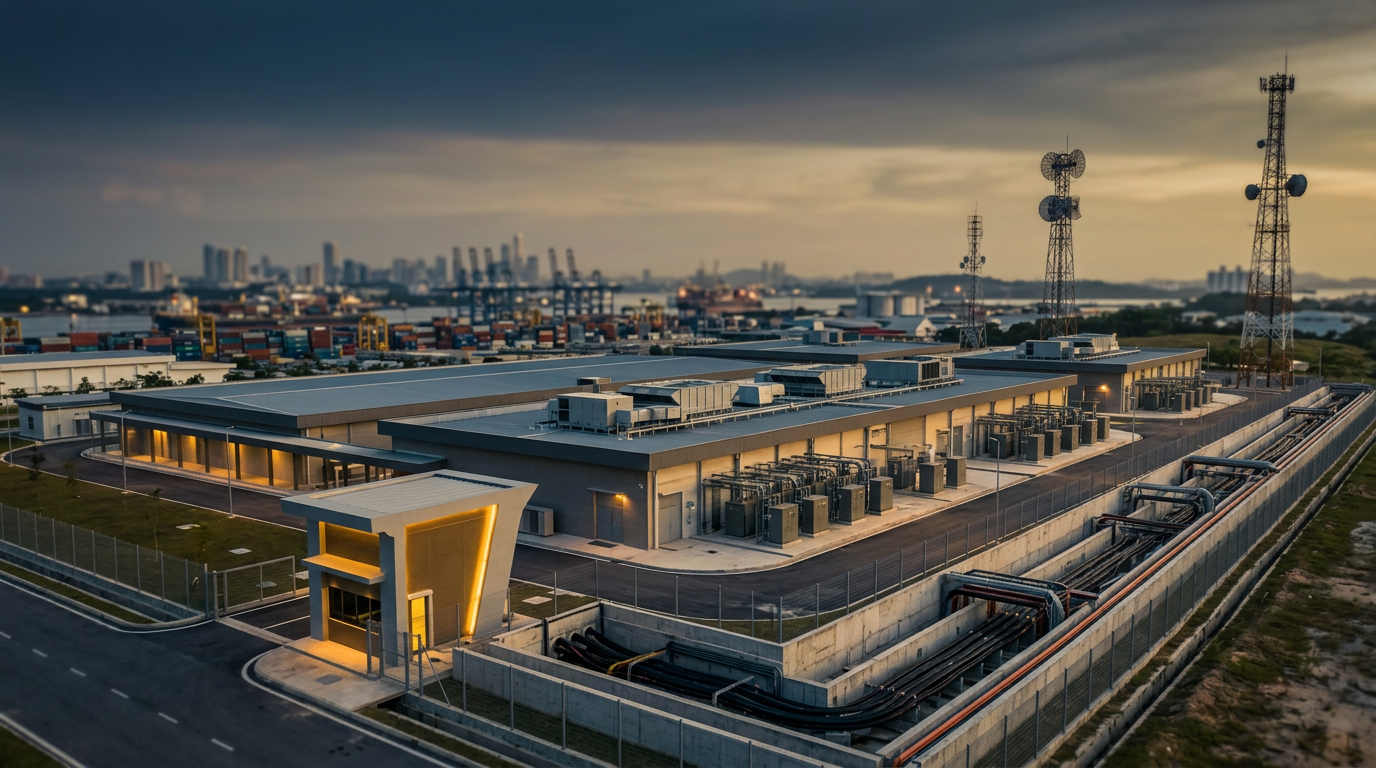
Alibaba Cloud's new public cloud region in Johor, Malaysia highlights the core challenge for ASEAN nations pursuing sovereign AI: it is not just about national models, but about who controls the underlying infrastructure, data, and digital identity systems.
 Singapore
Sovereign AI in ASEAN: More Than Models
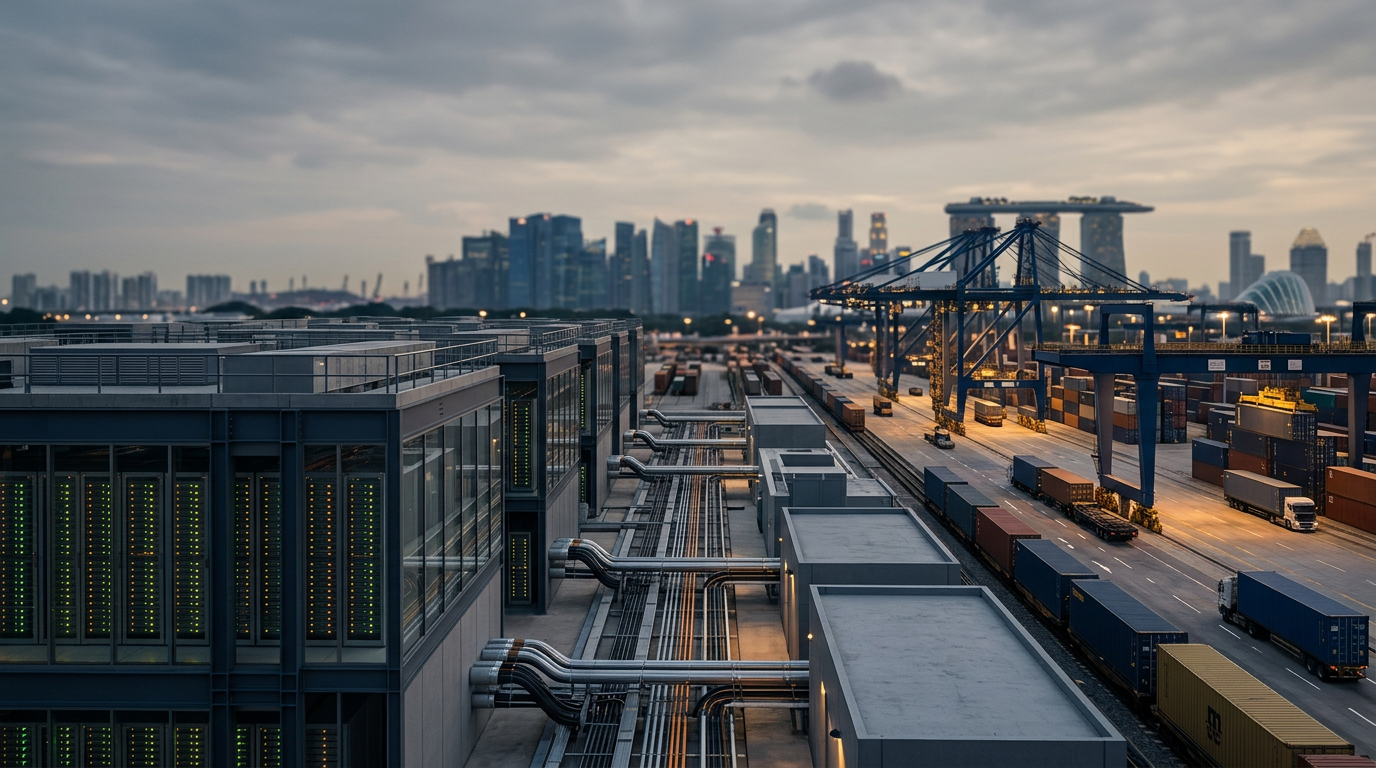
The true test of sovereign AI in ASEAN is not the launch of new models, but control over the underlying compute, data, and digital identity infrastructure that underpins economic activity.
 Malaysia
Alibaba's AI Agent in Thailand and the Test of Sovereign AI
Sovereign AI in ASEAN will be tested not by model launches but by who controls the compute, the data layer and the digital identity rails that sit underneath everyday economic life.
 Indonesia
ASEAN's Sovereign AI Ambitions Face an Infrastructure Test
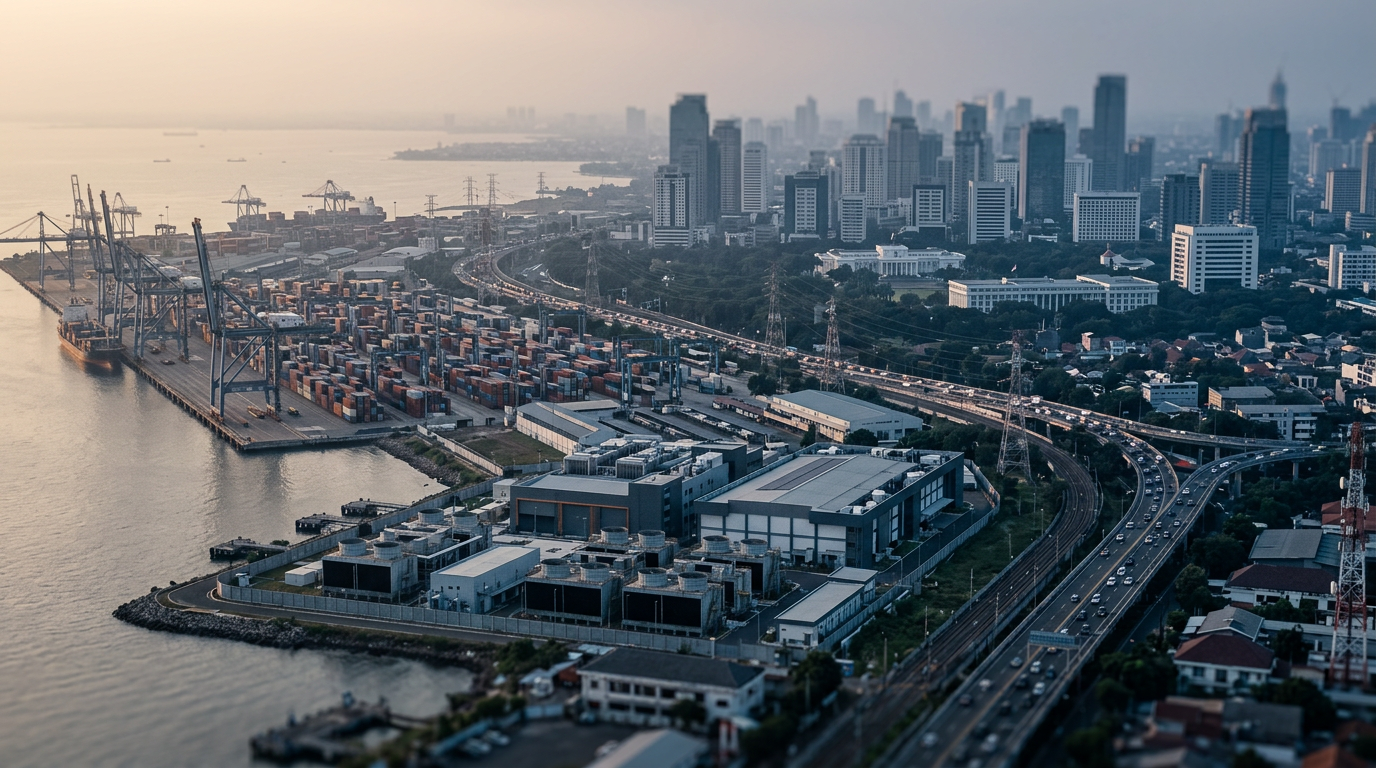
As ASEAN leaders look towards 2045, the region's aspiration for sovereign AI will depend less on model launches and more on who controls the underlying compute, data, and digital identity infrastructure.
 Malaysia
's data center boom tests its infrastructure coordination
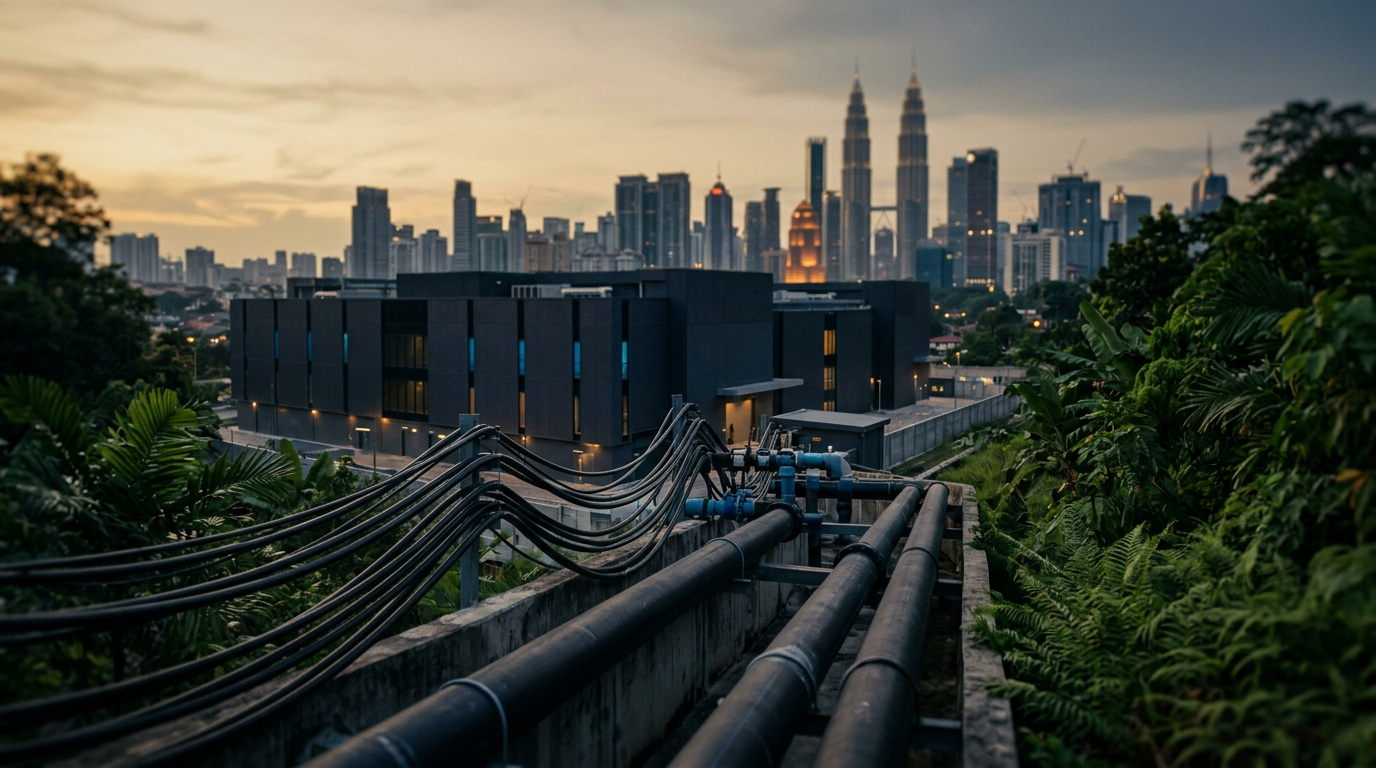
The rapid growth of data centers in Malaysia is a significant economic win, but it also presents a serious test of the country's ability to coordinate its infrastructure, particularly water and power resources. Success will depend on more than just attracting investment; it.
 Malaysia
's Sovereign AI and the Compute Dilemma
Malaysia is pursuing a sovereign AI strategy, but its choice of technology partners could create friction with its international trade commitments, illustrating the fine line ASEAN nations must walk.
 Singapore
Philippines Central Bank AI Use Case Is a Sovereignty Signal
The Bangko Sentral ng Pilipinas is using AI to track jobs data. This is an early signal of a larger contest over the data layer and digital identity rails that underpin the economy.
 Thailand
's AI Adoption Meets the Sovereign Stack
Thai businesses are moving beyond experimentation and integrating AI into their operations. This shift raises questions about who controls the underlying compute, data, and digital identity rails.
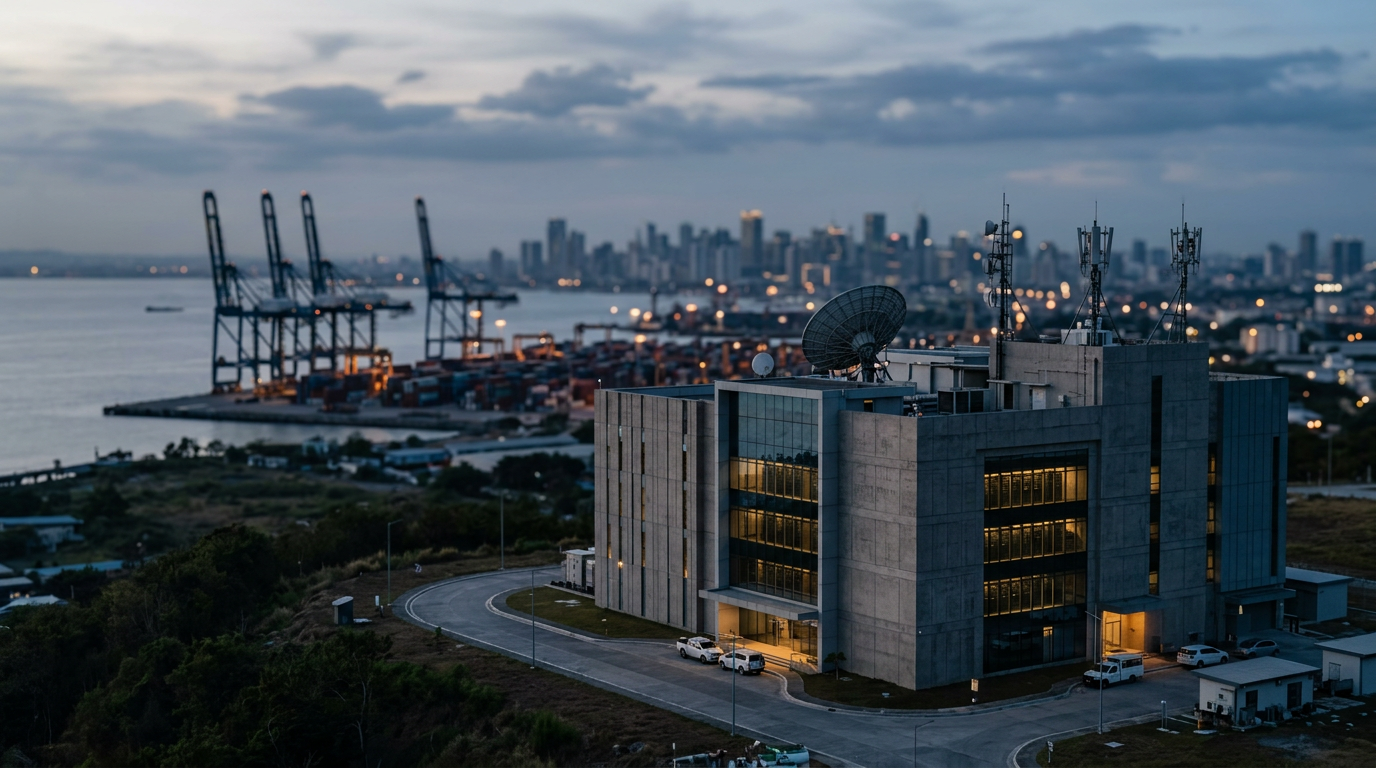 Philippines
-US AI Deal Puts Focus on Sovereign Infrastructure
A new AI industrial hub in the Philippines, developed with US cooperation, puts the focus on the core infrastructure of sovereign AI, not just the models themselves.
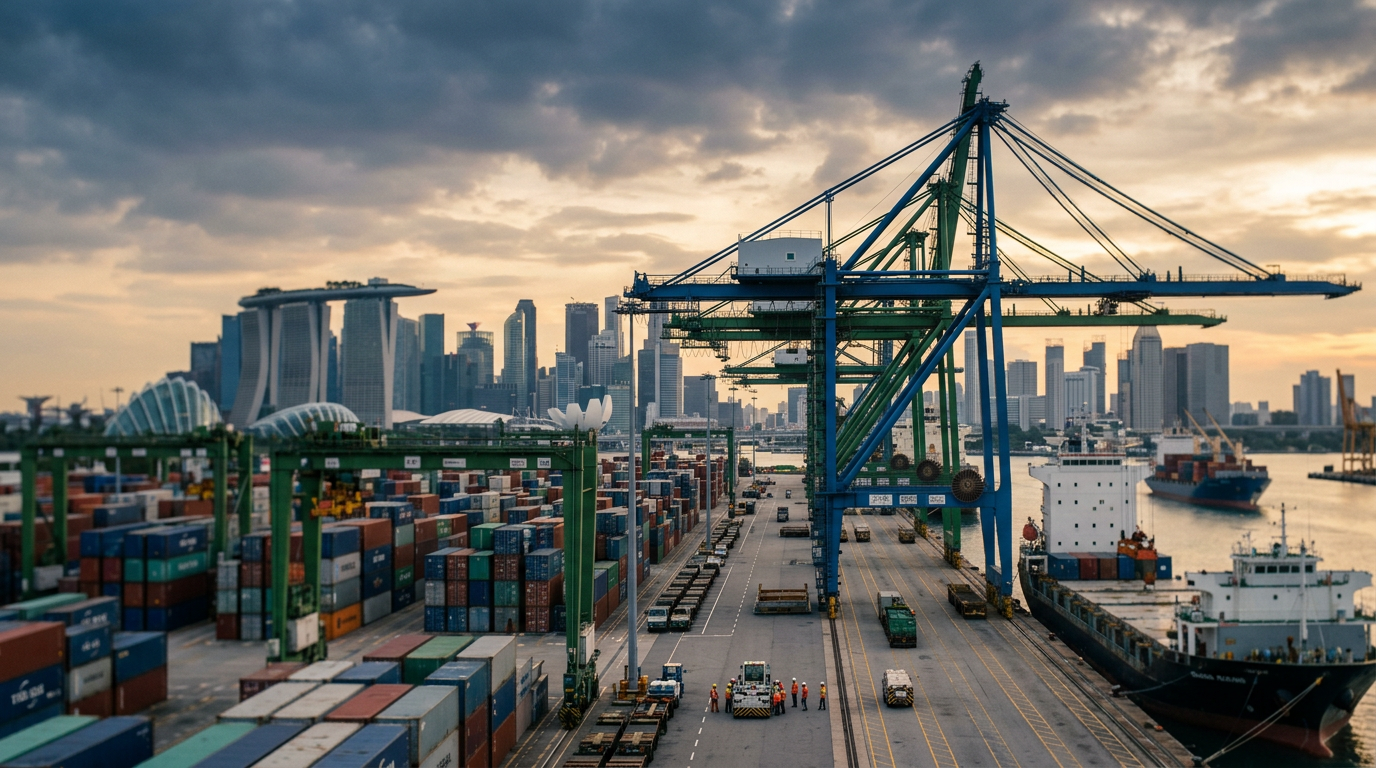 Singapore
The Infrastructure Layer of Sovereign AI in ASEAN
Sovereign AI in ASEAN will be tested not by model launches but by who controls the compute, the data layer and the digital identity rails that sit underneath everyday economic life.
 Malaysia
Sovereign AI in ASEAN is about more than models
Sovereign AI in ASEAN will be tested not by model launches but by who controls the compute, the data layer and the digital identity rails that sit underneath everyday economic life.
 Thailand
, AI, and the Sovereign Stack
Thailand's revised GDP forecast, partly crediting the AI cycle, puts the spotlight on the country's underlying digital infrastructure. For ASEAN nations, the true measure of sovereign AI lies not in models, but in control over compute, data, and digital identity.
 Thailand
, AI, and the Sovereignty Question
Thailand is being encouraged to adopt AI, but the real test is not just adoption, but who controls the underlying compute, data, and digital identity rails.
 Indonesia
Thailand Boosts Cybersecurity Spending in an AI-Driven Threat Environment
Thai organizations are increasing cybersecurity spending to combat AI-driven attacks, a move that highlights the institutional and infrastructural questions surrounding sovereign AI development in the region.
 Indonesia
's GPU financing highlights the race for sovereign AI infrastructure
A US$3.1 billion loan for GPUs in Indonesia underscores the region-wide push for AI capabilities, but the real test lies in controlling the underlying compute, data, and identity systems that power the digital economy.
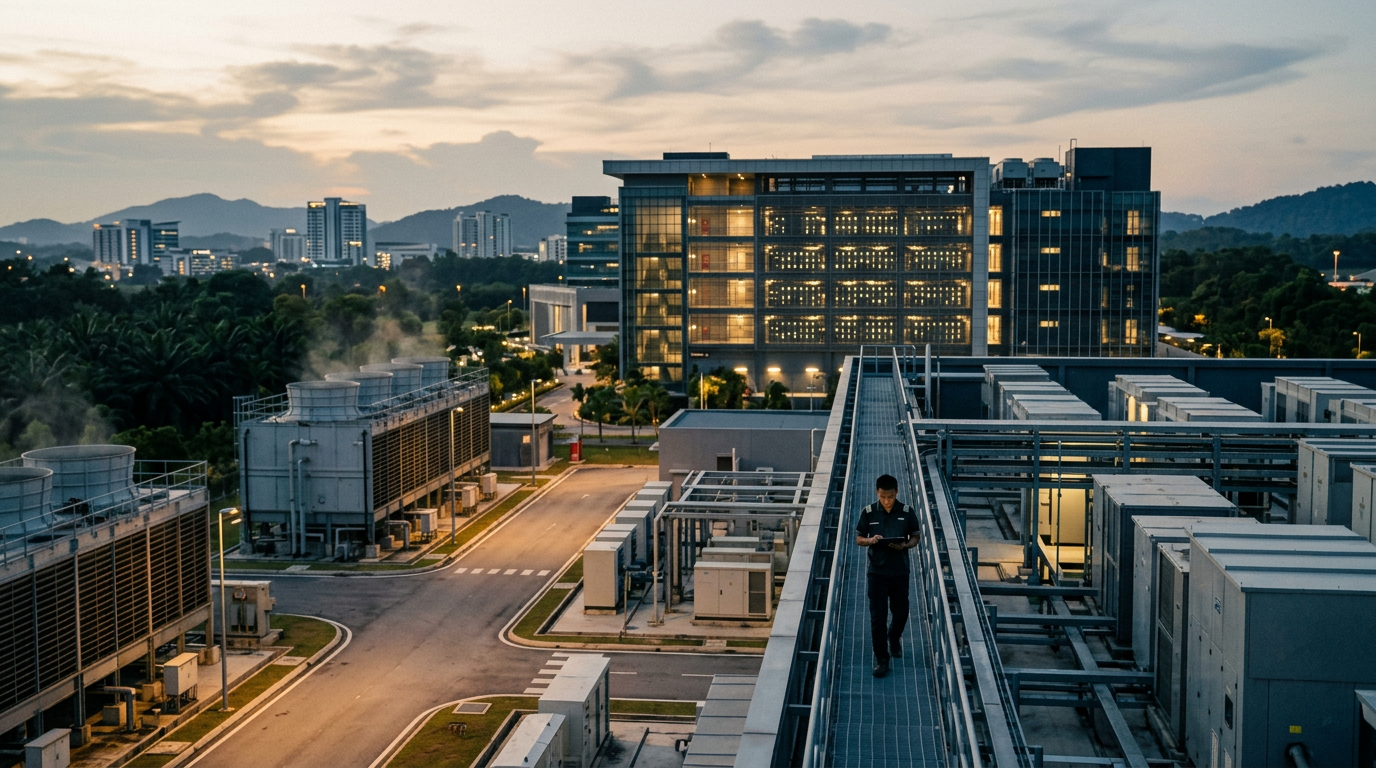 Malaysia
 Races Ahead in the Global AI Race
A new deal by an Nvidia-backed firm with OpenAI for data centre capacity in Malaysia highlights the country's growing appeal for high-tech investment, but the harder work of implementation will determine the long-term outcome.

 Brunei
's AI MOU: A Test of Institutional Reliability
A new agreement between NEC and the UNDP to apply AI to climate action in Brunei is a small-scale, real-world test of the country's capacity to execute on its ambitious digital and green transition plans.
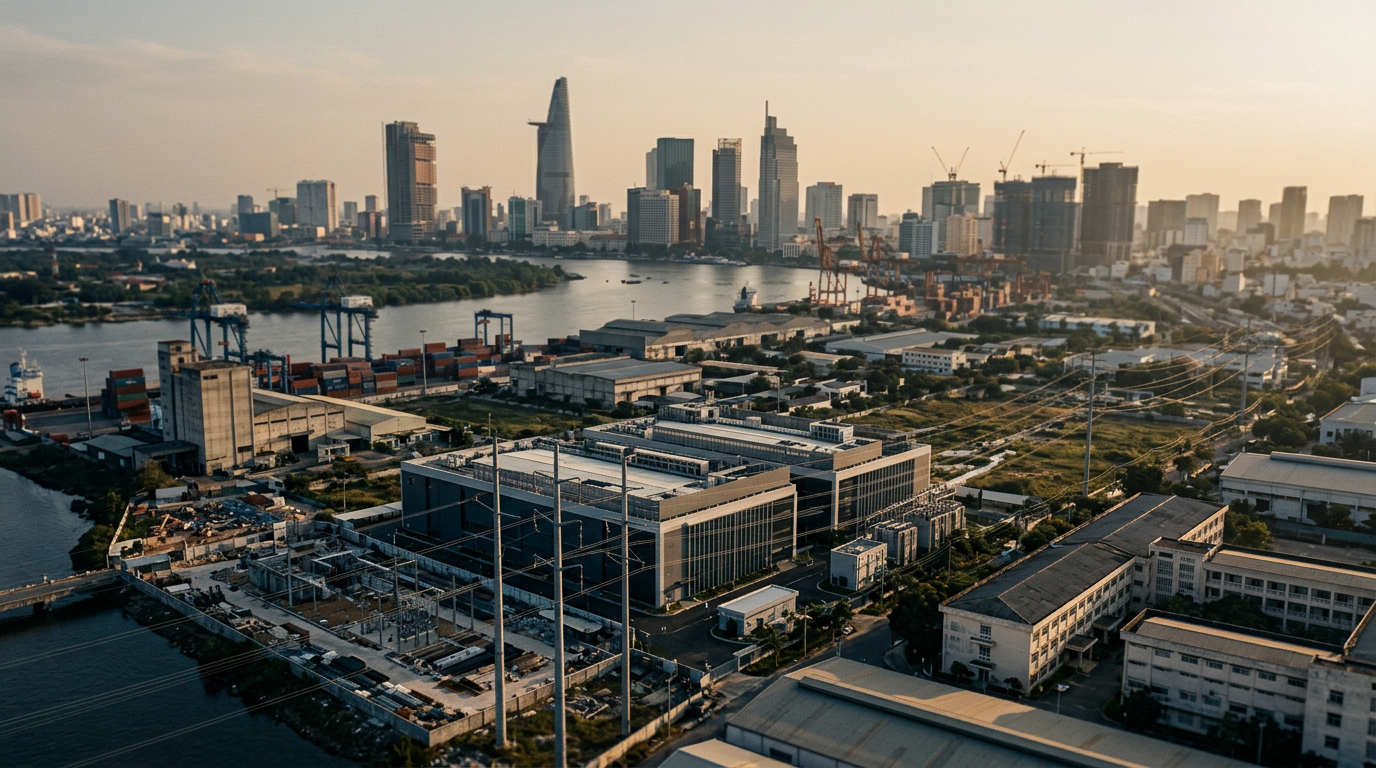 Vietnam
's Data Center Ambitions Test Its Infrastructure
Vietnam's data center market is expanding rapidly, but its success will depend on aligning capital with infrastructure, institutions, and talent.
 Thailand
's AI Law and the Sovereign AI Test
Thailand's draft AI law could hinder local AI firms, raising concerns about safeguards, liability, IP protection, and startup support. The bigger test will be about control over compute, data, and digital identity.
 Philippines
Philippine BPO Resilience and the Sovereign AI Question
The Philippines' business process outsourcing sector has shown resilience against initial AI disruption, but the long-term strategic challenge lies in sovereignty over the core components of the digital economy: compute, data, and identity.
 Thailand
's AI Data Centers and the Sovereignty Question
Thailand's ambition to build out its AI-ready data center capacity is a positive step. However, the larger question of sovereign AI will be determined by who controls the compute, data, and digital identity layers, not just by the physical infrastructure.
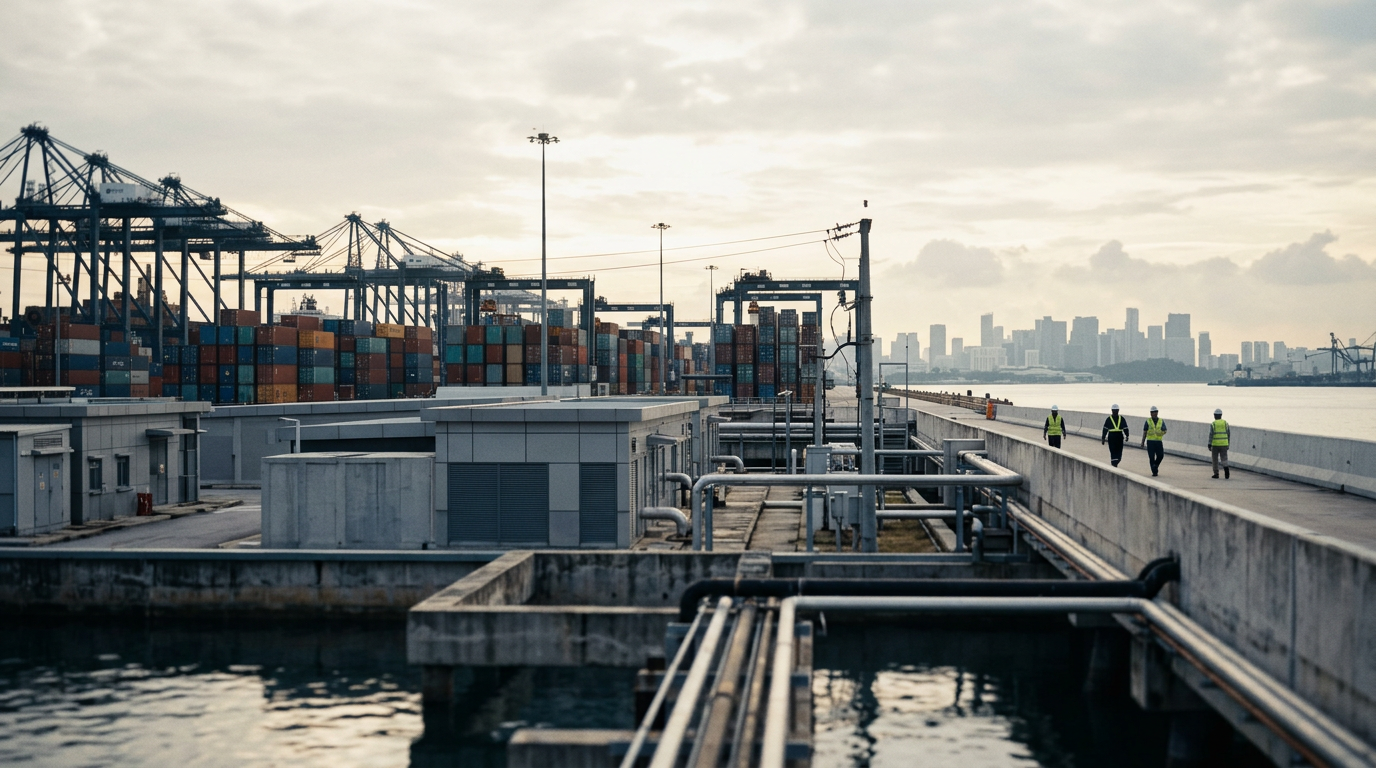
The Data Center Dilemma: More Than Just Cheap Power
Where utilities, planning and connectivity move together, hyperscale capacity follows. Where they do not, even cheap power cannot rescue a project.
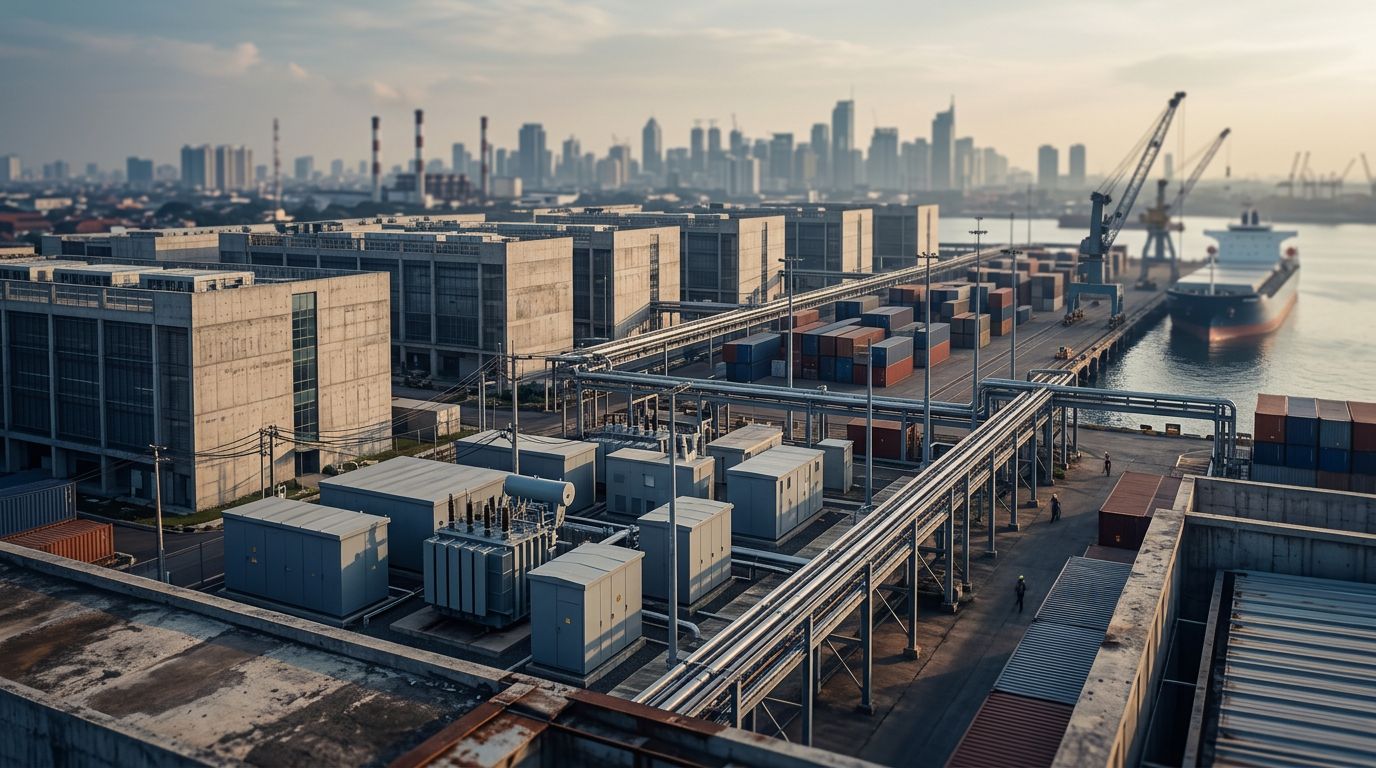 Indonesia
Sovereign AI in ASEAN: Beyond the Model
Sovereign AI in ASEAN will be tested not by model launches but by who controls the compute, the data layer and the digital identity rails that sit underneath everyday economic life.