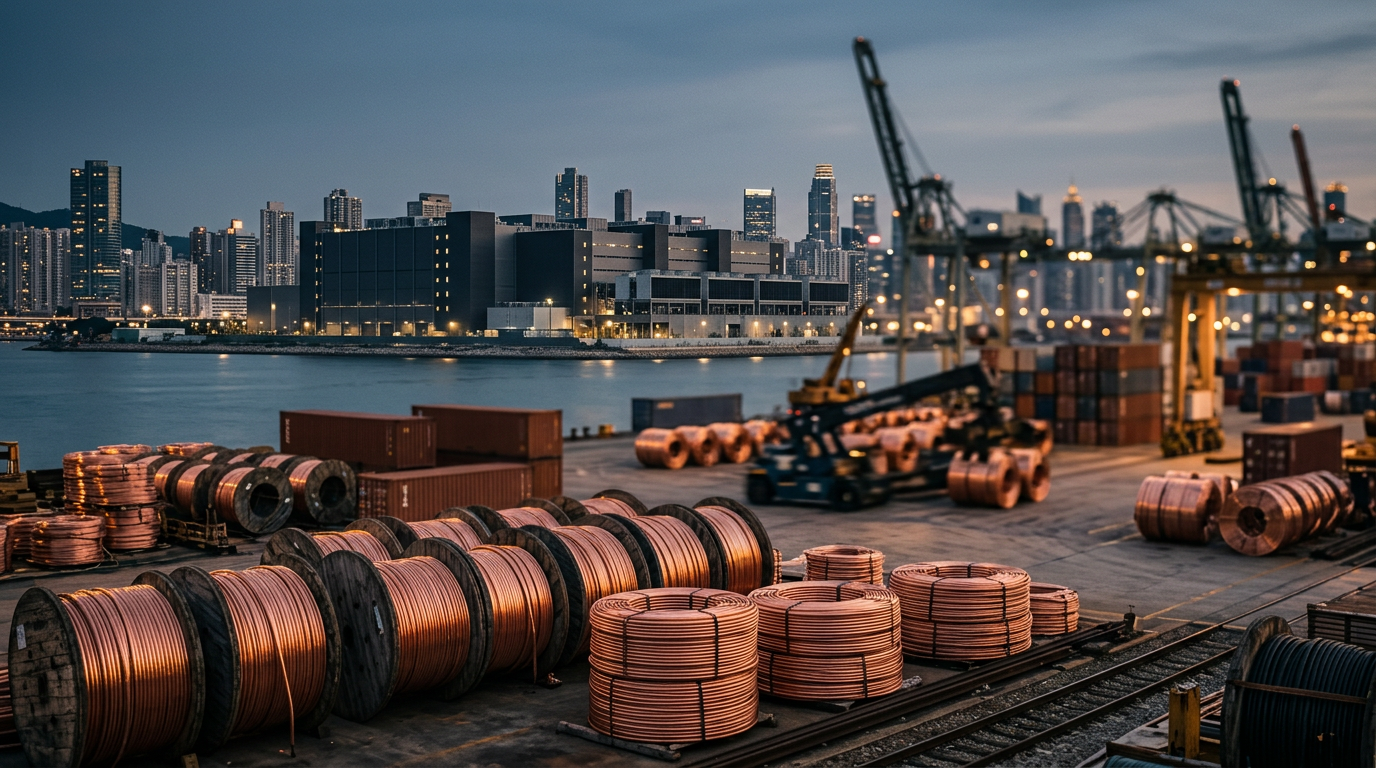
The Data Center Dilemma: More Than Just Cheap Power
Where utilities, planning and connectivity move together, hyperscale capacity follows. Where they do not, even cheap power cannot rescue a project.
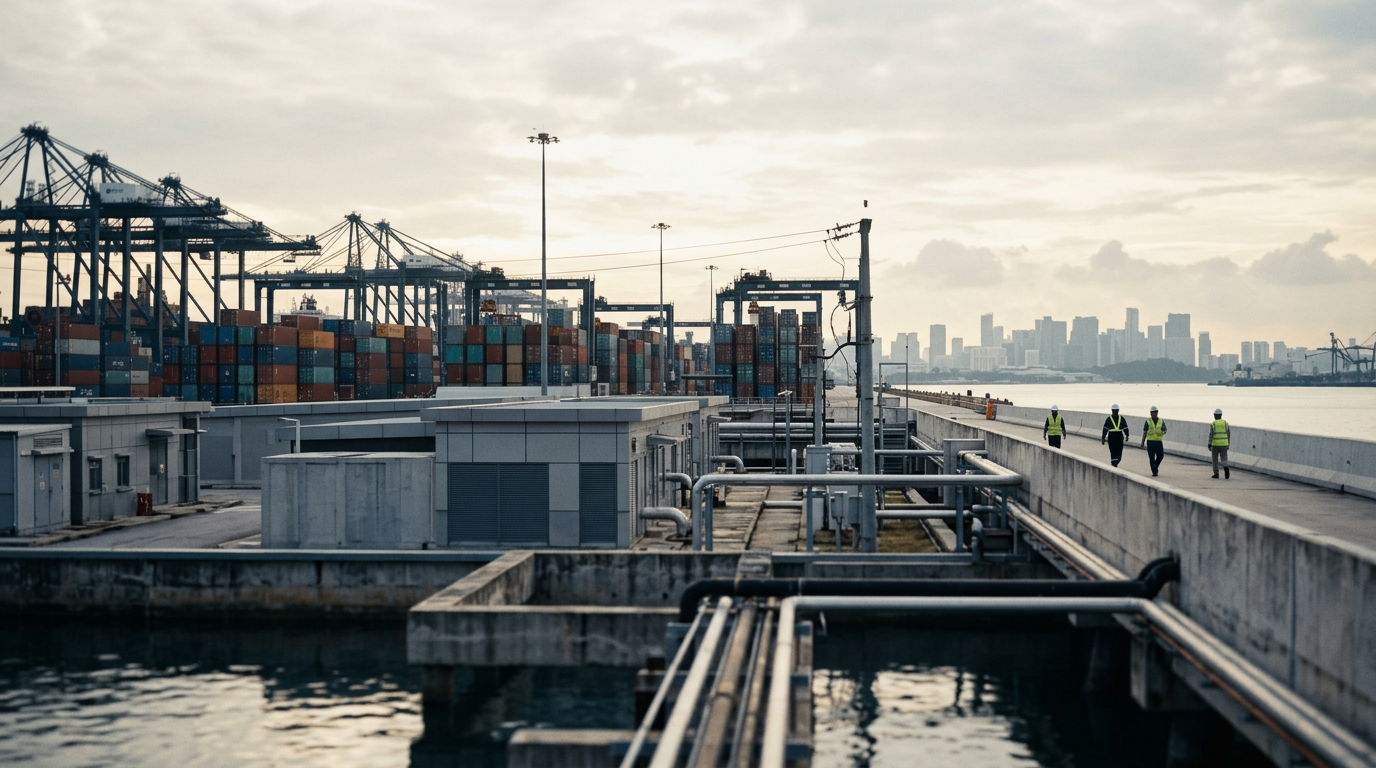
Equinix is expanding its AI infrastructure services across the region, a move that brings new capabilities but also sharpens the focus on the underlying infrastructure required to support such growth. As reported by TechWire Asia, the company's collaborations with NVIDIA, Together AI, and major cloud providers are set to enhance AI-related connectivity and processing power. This development highlights a fundamental challenge for ASEAN nations: attracting high-tech investment requires more than just available land or a welcoming business environment; it demands a sophisticated, integrated approach to national infrastructure.
Institutions and Infrastructure
The allure of the digital economy has led several ASEAN countries to compete for data center investments. The promise of high-value jobs and the development of a local AI ecosystem is a powerful incentive. However, the physical and regulatory infrastructure needed to support these facilities is substantial. Data centers are immensely power-hungry and require guarantees of uninterrupted, high-quality electricity. They also depend on robust fiber optic networks for low-latency connectivity to global networks. The institutional capacity to deliver these prerequisites is not uniform across the region.
Countries that can align their utility providers, urban planning agencies, and telecommunications regulators will have a distinct advantage. This coordination is a complex task that involves long-term planning and significant public and private investment. Without it, even a country with abundant energy resources may find itself unable to attract the hyperscale data centers that power the modern digital economy.
Capital and Coordination
Building out the infrastructure to support a thriving digital economy requires immense capital. The Equinix expansion is a prime example of private sector investment, but it relies on a foundation of public infrastructure. The book ASEAN Rising notes that "capital coordination is itself an industrial input." This means that the ability to effectively deploy capital into coordinated projects-power grids, water supply, and data networks-is a form of competitive advantage. Where these elements are developed in concert, hyperscale capacity tends to follow. Where they are siloed, projects can fail, regardless of other incentives like cheap power.
Singapore has long been a model of this integrated approach, though it now faces its own constraints related to land and energy. As a result, investment is flowing into new locations, creating a competitive dynamic where neighboring countries are vying to become the next hub. This competition will be won by the nations that can demonstrate not only the will but also the execution capability to bring together the various strands of infrastructure and regulation. The efficiency of capital deployment becomes a critical factor.
What to watch: Observers should monitor how ASEAN governments adapt their national industrial policies and infrastructure investment plans in response to the growing demands of the AI and cloud computing industries. The key indicator of success will not be the announcement of new projects, but the demonstrated ability of national and sub-national agencies to execute on the coordinated delivery of power, connectivity, and regulatory approvals that these complex facilities require. The distribution of future data center investments will reveal which nations have mastered this institutional challenge.