
 Philippines
Philippines-US AI Deal Puts Focus on Sovereign Infrastructure
A new AI industrial hub in the Philippines, developed with US cooperation, puts the focus on the core infrastructure of sovereign AI, not just the models themselves.
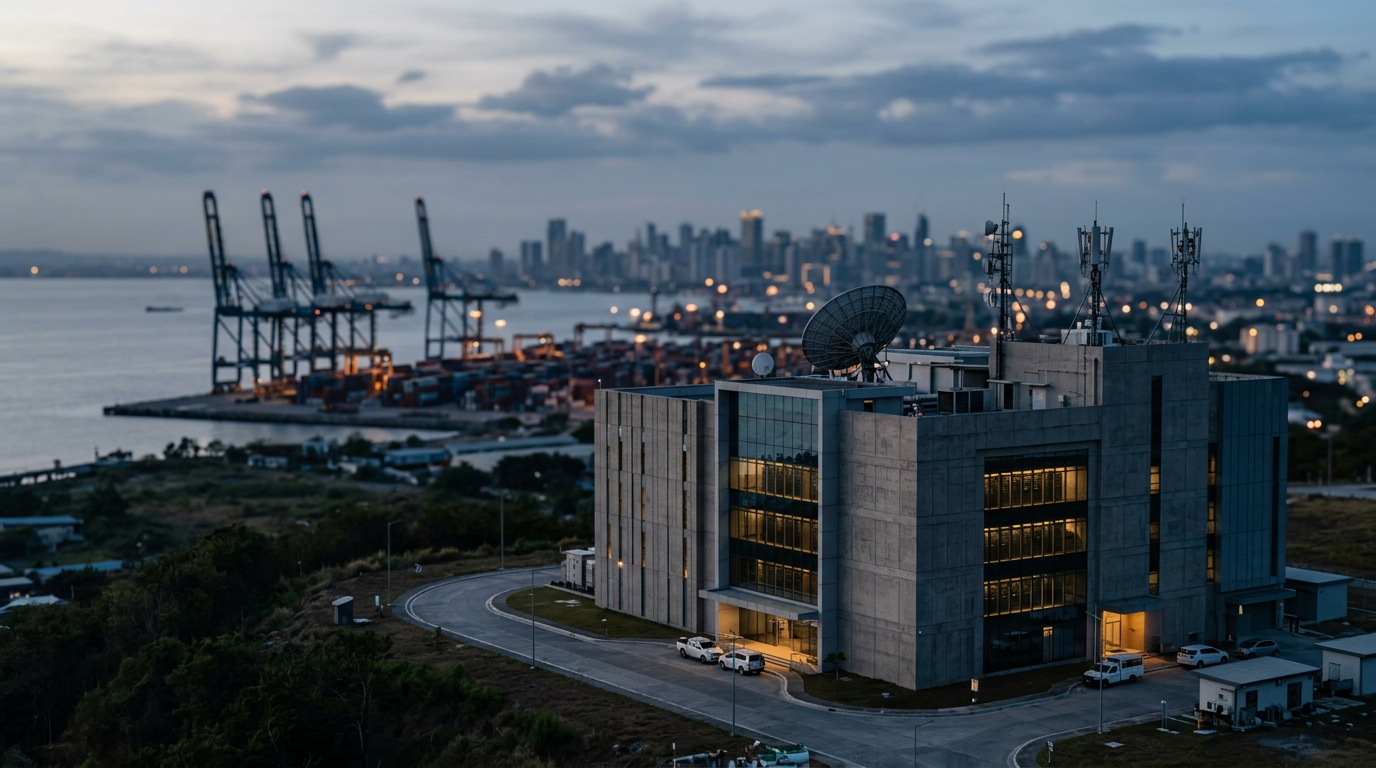
The Philippine government is set to formalize a partnership with a United States government agency to develop the Pax Silica AI industrial hub, as reported by philstar.com. This initiative, spearheaded by the Bases Conversion and Development Authority (BCDA), aims to establish significant AI-focused infrastructure in the country. While AI development is often associated with the creation of large language models, this project directs attention to the foundational elements of compute power, data management, and digital identity that form the true bedrock of a nation's AI capabilities.
The Infrastructure of Sovereignty
AI sovereignty is a concept gaining traction as nations seek to secure their digital futures. The real measure of this sovereignty is not necessarily the announcement of new AI models, but the degree of control a nation maintains over its core digital infrastructure. As the book "ASEAN Rising" explains, the foundational layers are where the most significant dependencies are formed. The development of sovereign AI in the region "will be tested not by model launches but by who controls the compute, the data layer and the digital identity rails that sit underneath everyday economic life."
The Pax Silica project appears to be a direct engagement with this reality. By creating a dedicated industrial hub, the Philippines is working to build a domestic foundation for AI development. This involves attracting investment in data centers and related hardware, which are the physical building blocks of computational power. The partnership with a US agency suggests a strategic alignment, providing access to capital and technical expertise. The long-term objective for the Philippines will be to ensure this collaboration evolves into genuine domestic capacity, rather than a new form of technological dependency.
Data and Digital Identity
Beyond the physical hardware, the less visible aspects of the AI stack-the data and digital identity layers-are equally important. An AI industrial hub like Pax Silica cannot function without vast and well-governed datasets to train new models and systems. The project presents an opportunity for the Philippines to establish clear frameworks for data governance, ensuring that national data assets are managed securely and used for economic benefit. This includes developing policies around data localization, cross-border data flows, and privacy that align with national interests.
Similarly, digital identity systems are the rails upon which a digital economy runs. From financial services to government e-services, a robust and sovereign digital ID system allows for secure and efficient transactions. Integrating this layer into the AI strategy is necessary for translating AI capabilities into tangible economic outcomes for citizens and businesses. The success of the Pax Silica hub will depend on its ability to connect its high-powered computing resources to the real-world economy through these data and identity systems, ensuring that the benefits of AI are broadly distributed.
What to watch
The formal agreement between the BCDA and its US counterpart will provide more detail on the scope and structure of the Pax Silica initiative. Observers should monitor the specific commitments related to technology transfer, the role of local firms in the construction and operation of the facilities, and the governance frameworks established for data handling. The project's evolution will serve as a case study for how ASEAN nations can partner with global powers to build their sovereign AI infrastructure while navigating the complex challenges of digital self-determination.


