
ASEAN Analysis & Commentary
Every analysis published on ASEAN Rising is sourced, datestamped and signed. We're more interested in being right in 12 months than first in 12 minutes.
Foundation pieces
Start here. The three pieces below set out the lens ASEAN Rising uses to read every story.
ASEAN Rising's core lens. Execution Economics is the study of whether countries, companies and institutions can convert obvious potential into delivered outcomes - and which six pillars decide the answer.
The region has capital, demographics, location and policy ambition. None of that has ever been the binding constraint. The next decade is an execution test, not a potential test - and it is already being scored.
Malaysia is the test case for whether ASEAN's middle powers can turn FDI, semiconductors and data centres into compounding domestic capability. Read the live coverage and execution scorecard.
Analysis tagged #electronics

 Thailand
's Electronics Surge Tests Its Institutional Capacity
Thailand's manufacturing production index rose in August, driven by global demand for electronics. This growth puts the focus on the country's ability to translate foreign direct investment announcements into tangible projects through institutional execution.

 Malaysia
 Navigates the China Trade Nexus
Malaysia's export strength, particularly in electronics, highlights a deep, structural trade relationship with China. For Kuala Lumpur, as for other ASEAN capitals, the focus is now on managing this dependency while maintaining strategic flexibility.

 Vietnam
: From FDI Magnet to Supply Chain Power
Vietnam is moving to strengthen its domestic supply chains for electronics and semiconductors, a crucial step in maturing from a destination for foreign direct investment to a self-sufficient industrial power.
 Malaysia
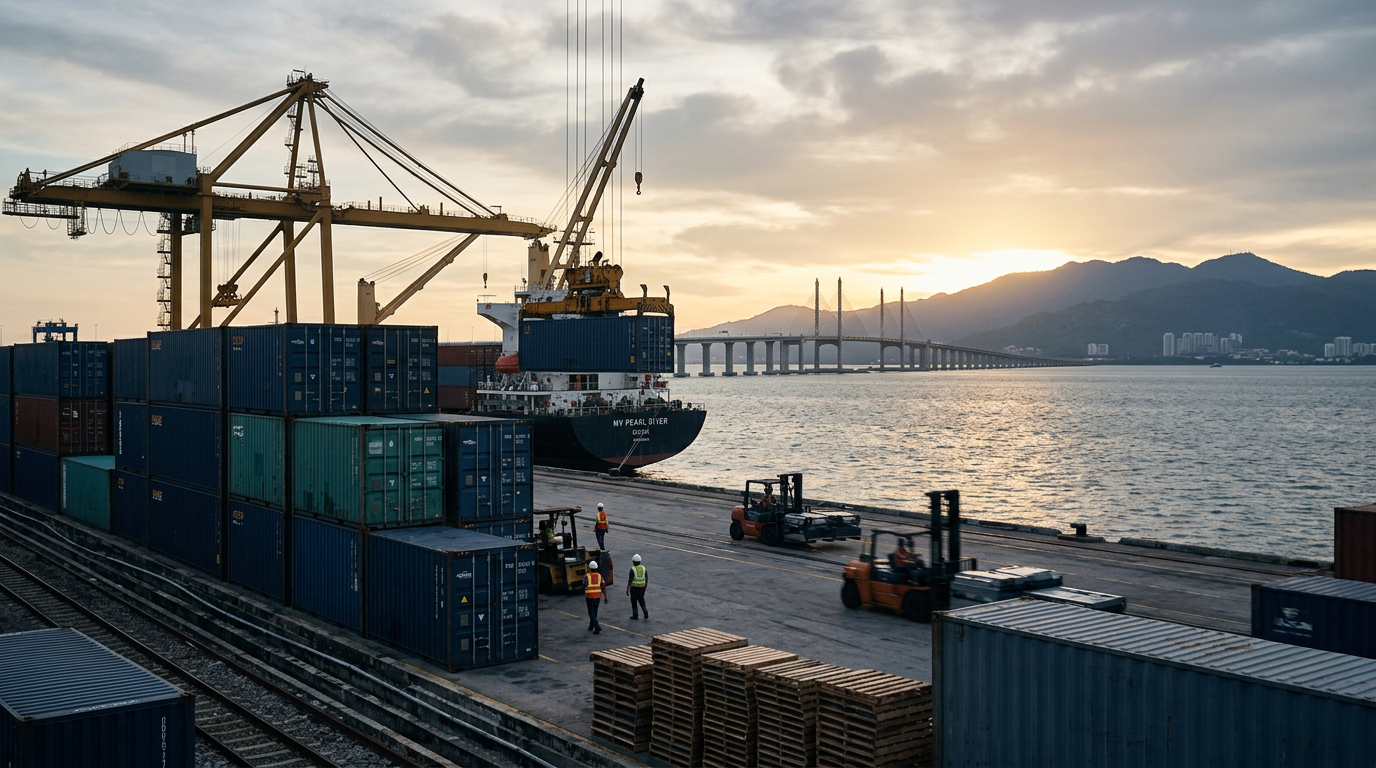
's E&E Boom and the China Question
A surge in Malaysia's electronics export forecast, fueled by AI-driven demand for chips, highlights a deeper structural reality for ASEAN: managing economic dependency on China while preserving strategic options.
 Philippines
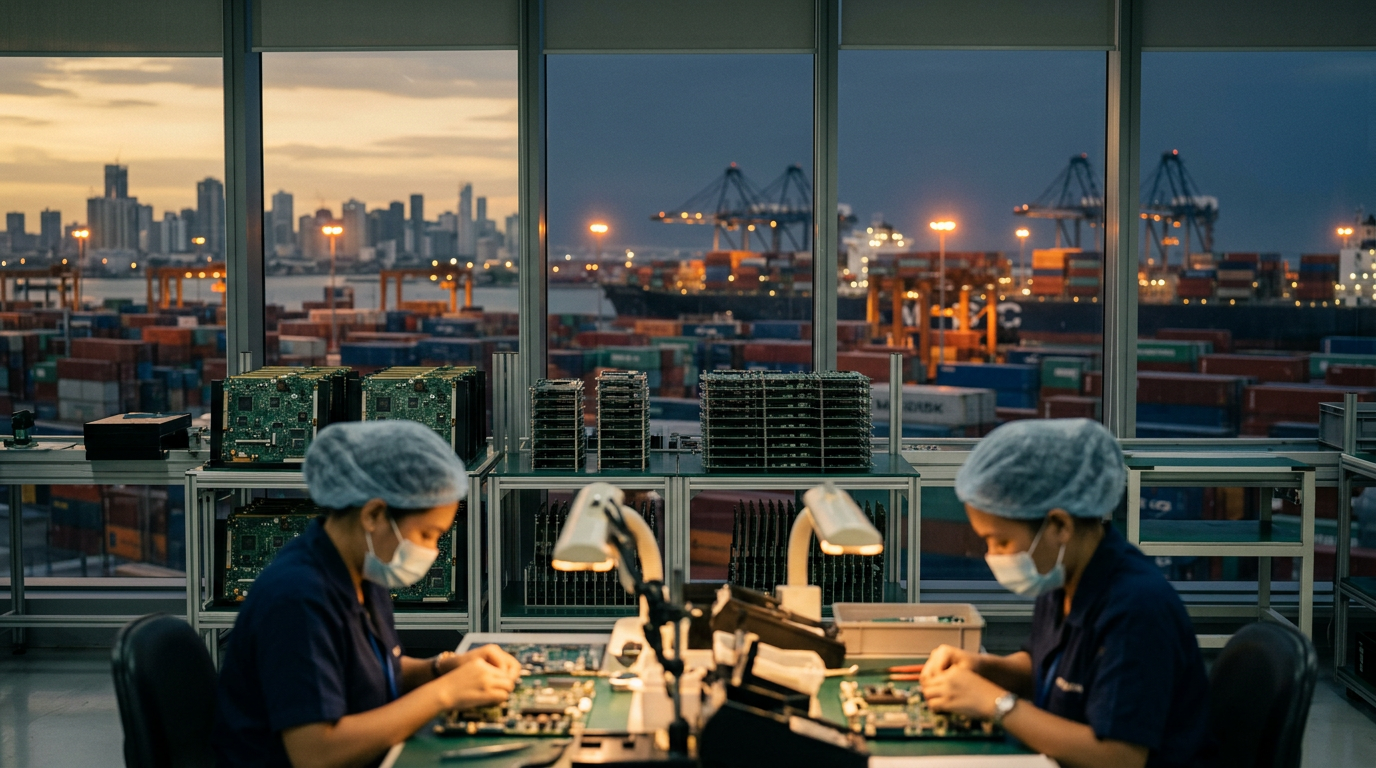
The Philippines, China, and the Electronics Trade
The Philippines has a strong electronics manufacturing base, supported by a young, English-speaking workforce. This creates a complex trade relationship with China, where dependency must be managed without losing strategic options.

 Singapore
, AI, and the China Question
Singapore's export surge on AI demand highlights a deeper structural question for ASEAN: how to manage economic dependency on China while preserving strategic options.
 Malaysia
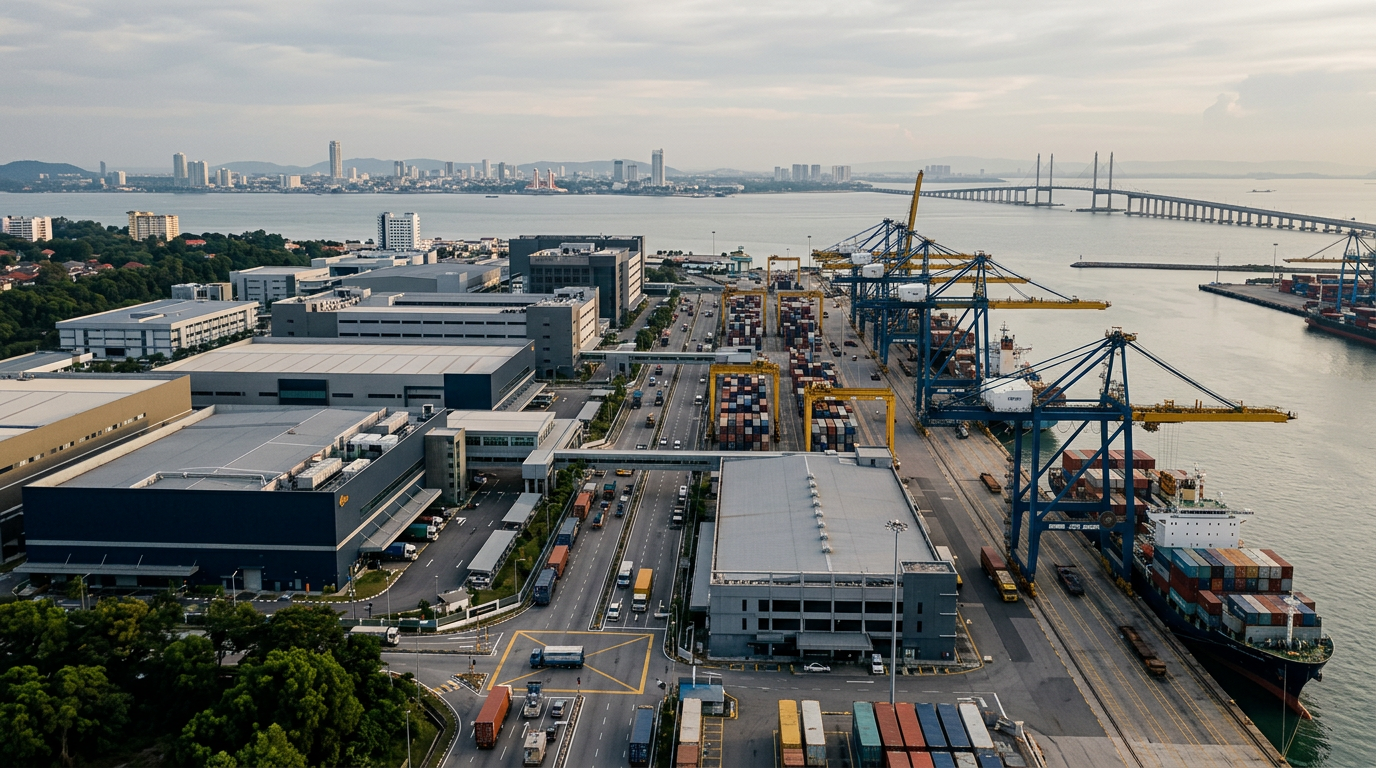
Penang's Trade Boom Highlights a Structural Shift
Penang's recent RM350 billion in electronics exports for the first half of 2026 is more than a local success story. It is a clear indicator of a deeper structural shift in global trade, where ASEAN economies are managing complex dependencies, particularly with China, while.
 Singapore
, Supply Chains, and the China Question
Singapore's export boom is a positive signal for ASEAN, but it also highlights the region's deep trade links with China and the strategic need to manage this structural dependency.
 Vietnam
From FDI Pledges to Invested Capital in Vietnam's Tech Hubs
Foreign investment in Vietnam's tech sector is strong, but converting these announcements into tangible projects requires a focus on infrastructure, talent, and execution.
 Philippines
The Philippines' Data Center Bet
The Philippines is making a concerted push to attract hyperscale data center investment. Success will depend on more than just tax incentives; it will require coordinated delivery of power, connectivity, and planning.
 Malaysia
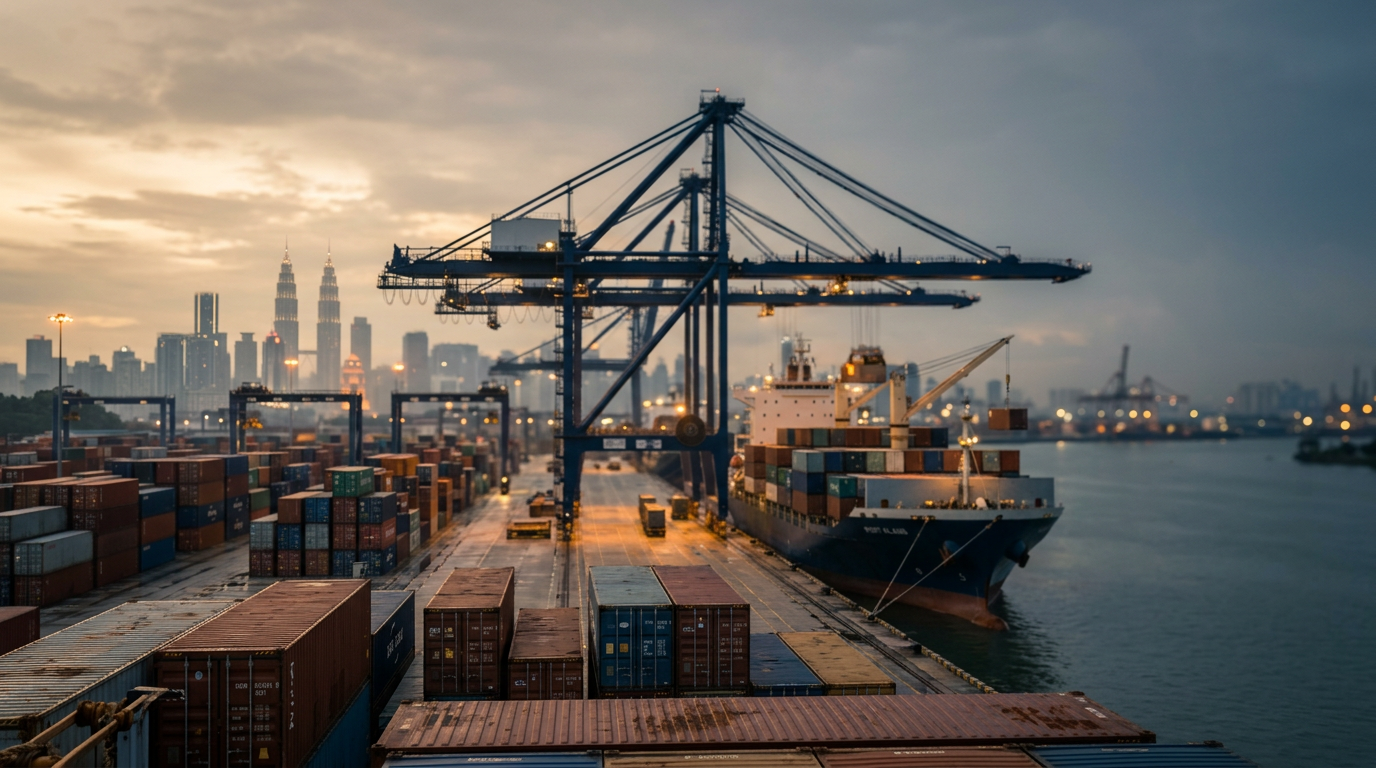
's $200 Billion Export Ambition and the China Question
Malaysia's ambitious electronics export goal highlights a core challenge for the region: how to deepen its role in global supply chains while managing its deep-rooted economic ties with China.
 Thailand
's Tech Bet: Converting FDI Approvals into Assets
Thailand's recent approval of $1.99 billion in high-tech investments is a positive signal, but the true test lies in executing the groundwork of infrastructure, talent, and institutional support required to turn announcements into assets on the ground.