Singapore
Singapore, AI, and the China Question
Singapore's export surge on AI demand highlights a deeper structural question for ASEAN: how to manage economic dependency on China while preserving strategic options.
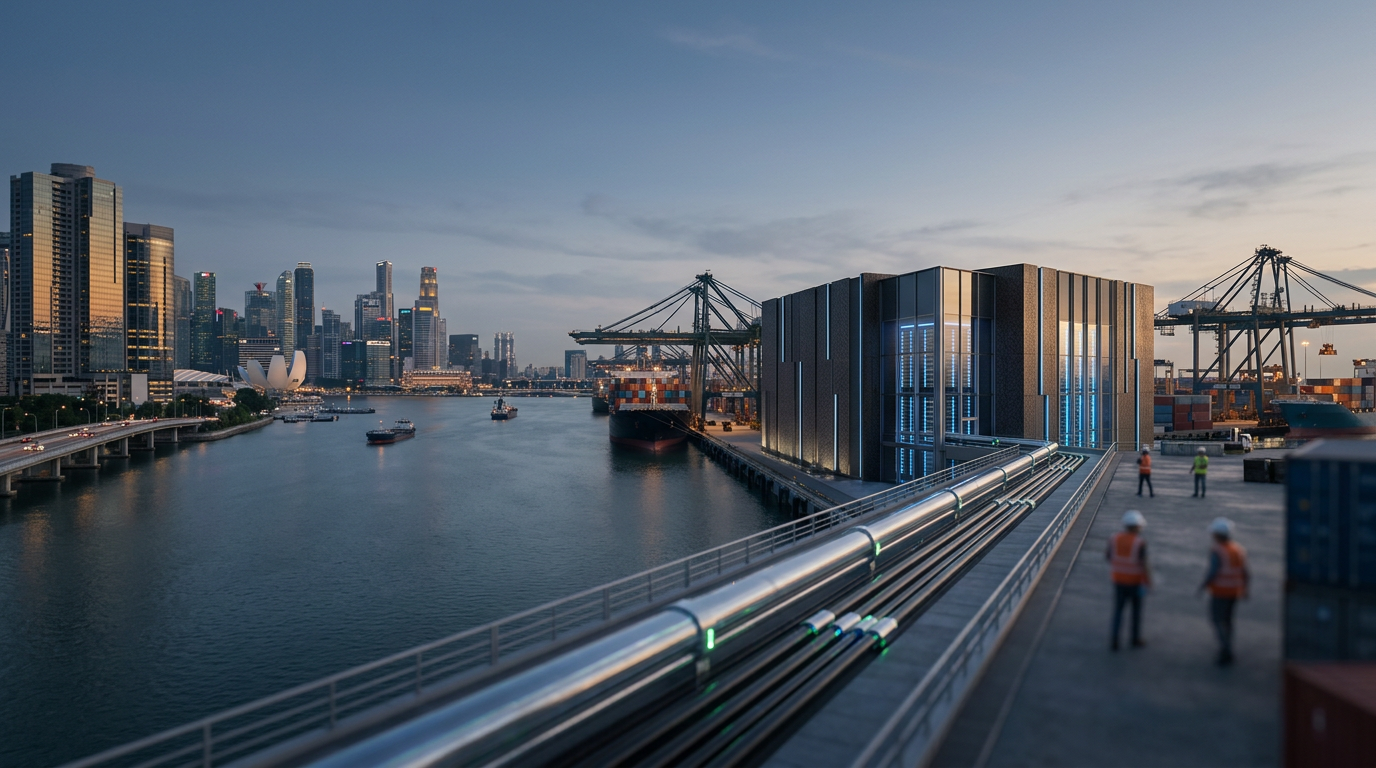
Singapore's non-oil domestic exports saw a significant 24.2% year-on-year increase in July, driven by a surge in demand related to artificial intelligence. As reported by the Business Times, the electronics sector was the primary driver, expanding by a remarkable 112% in the same period. While this headline number is impressive, it directs attention to a deeper, more structural issue for the entire region: the complex economic relationship with China.
Electronics and Interdependence
The AI-driven boom in Singaporean electronics exports is not an isolated event. It reflects the deeply integrated nature of global technology supply chains, where China is a central player. Singapore, like many ASEAN nations, acts as a critical node in this network, supplying high-value components that are often destined for final assembly in China. This creates a powerful economic engine but also a concentrated dependency. The surge in electronics exports underscores the extent to which regional fortunes are tied to final demand and assembly operations in the Chinese market. This interdependence is a source of both resilience, as seen in the current AI boom, and vulnerability to external shocks or policy shifts.
Strategic Implications of Trade Depth
The current export figures are a clear manifestation of what "ASEAN Rising" describes as a structural feature of the regional economy. The book argues that deep trade integration with China is a permanent condition, not a temporary trend. For governments in the region, this means the focus must shift from debating the merits of engagement with China to developing sophisticated strategies for managing it. The core of the issue is "how to manage dependency without losing optionality." This involves diversifying trade relationships, strengthening domestic institutions, and building economic resilience to avoid over-reliance on a single economic partner, however important.
Capital and Infrastructure
Beyond trade in goods, the relationship with China extends to capital and infrastructure. Chinese investment is a significant factor in the development of ports, railways, and industrial parks across ASEAN. This inflow of capital is essential for closing the region's infrastructure gap and boosting productive capacity. However, it also introduces another layer of dependency. For Singapore, its role as a global financial hub means it is not just a recipient of capital but also a key intermediary. The challenge is to channel this investment productively while upholding high standards of governance and ensuring that infrastructure projects deliver broad economic benefits without creating unsustainable debt or strategic liabilities.
What to watch: Observers should monitor whether the current boom in specialized electronics, like those for AI, leads to broader industrial upgrading within Singapore and neighboring ASEAN economies. The extent to which regional governments can leverage this cycle to attract new investment in high-value manufacturing and R&D, independent of final assembly in China, will be a key indicator of their success in managing dependency and enhancing their long-term economic sovereignty.