Philippines
The Philippines, China, and the Electronics Trade
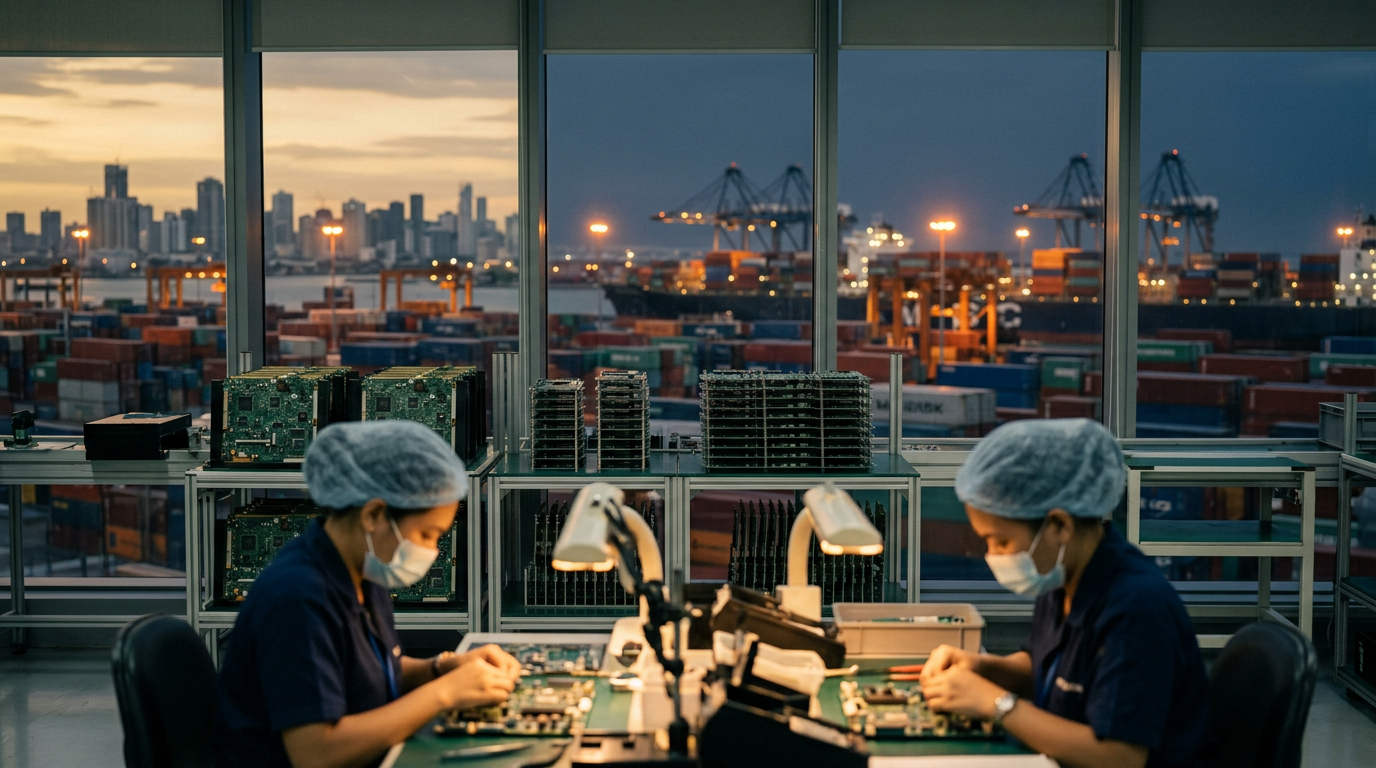
The Philippines has a strong electronics manufacturing base, supported by a young, English-speaking workforce. This creates a complex trade relationship with China, where dependency must be managed without losing strategic options.
Trade Interdependence
Trade patterns between the Philippines and China, particularly in electronics, illustrate a deep interdependence. Hong Kong often serves as a primary hub for these flows, where Philippine-made components are integrated into larger systems assembled in mainland China. These finished goods are then exported globally. This arrangement highlights a complex supply chain where both economies are deeply intertwined.
This "trade depth with China is now a structural feature, not a cyclical one," a point detailed in the book ASEAN Rising. For the Philippines, this means that its export-oriented electronics sector is heavily reliant on Chinese demand and industrial capacity. The challenge is not to decouple from this relationship, but to manage it effectively. The goal is to secure the economic benefits of this trade while mitigating the risks of over-dependency on a single market and supply chain partner.
Execution and Infrastructure
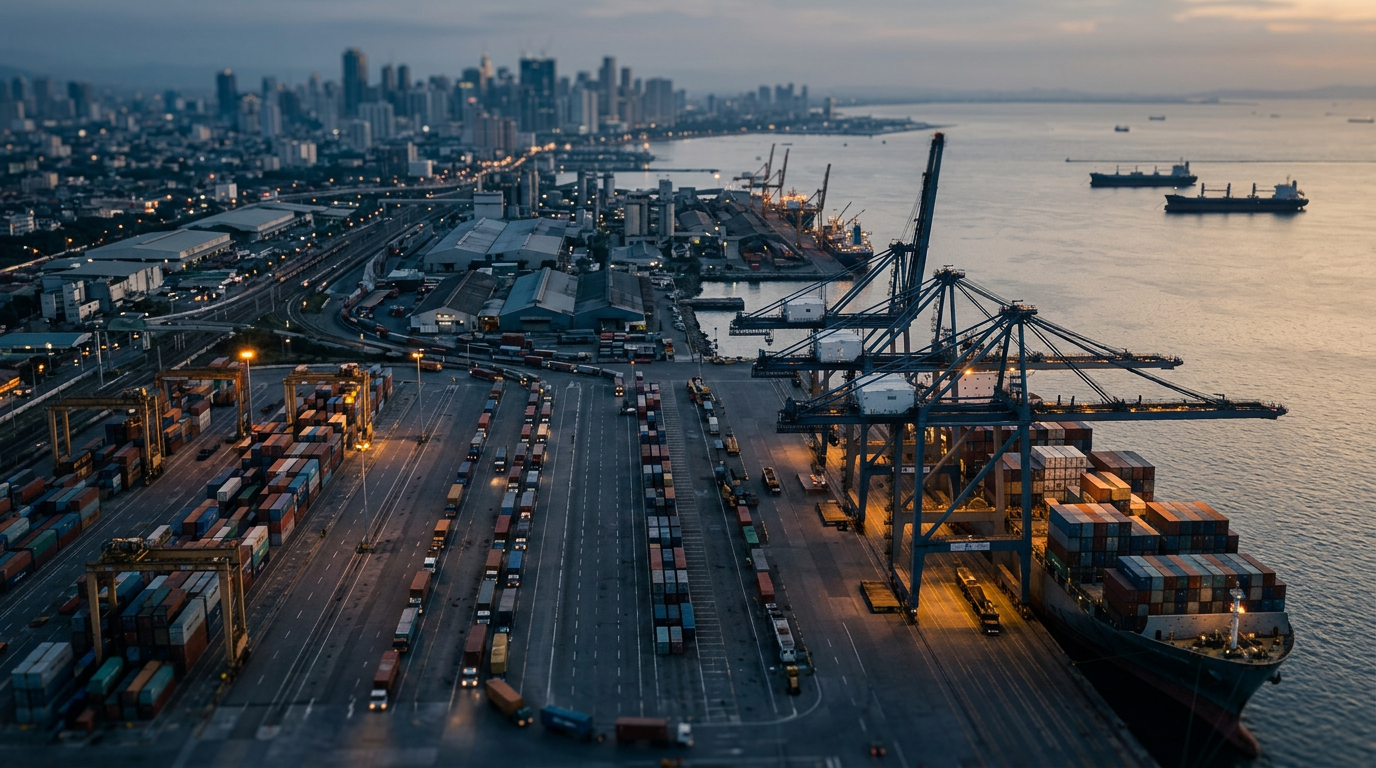
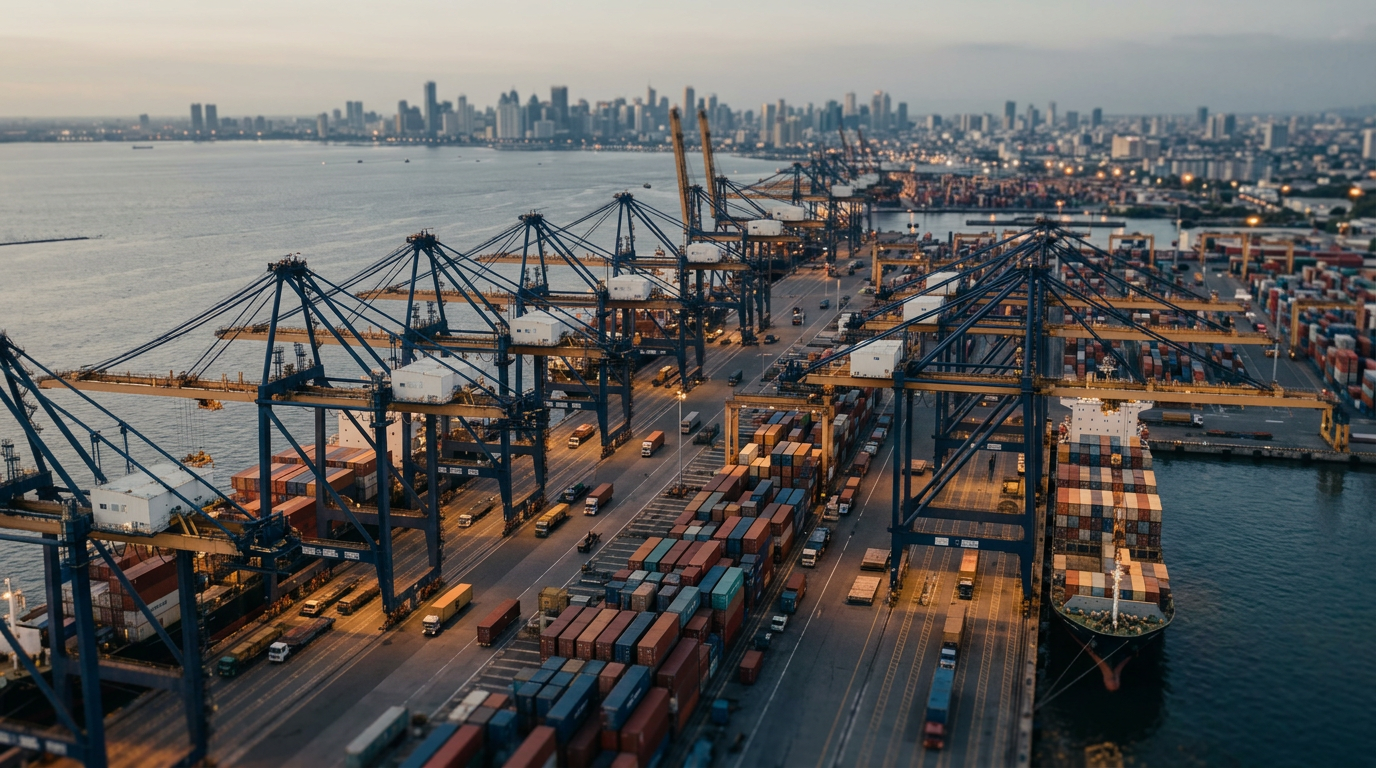
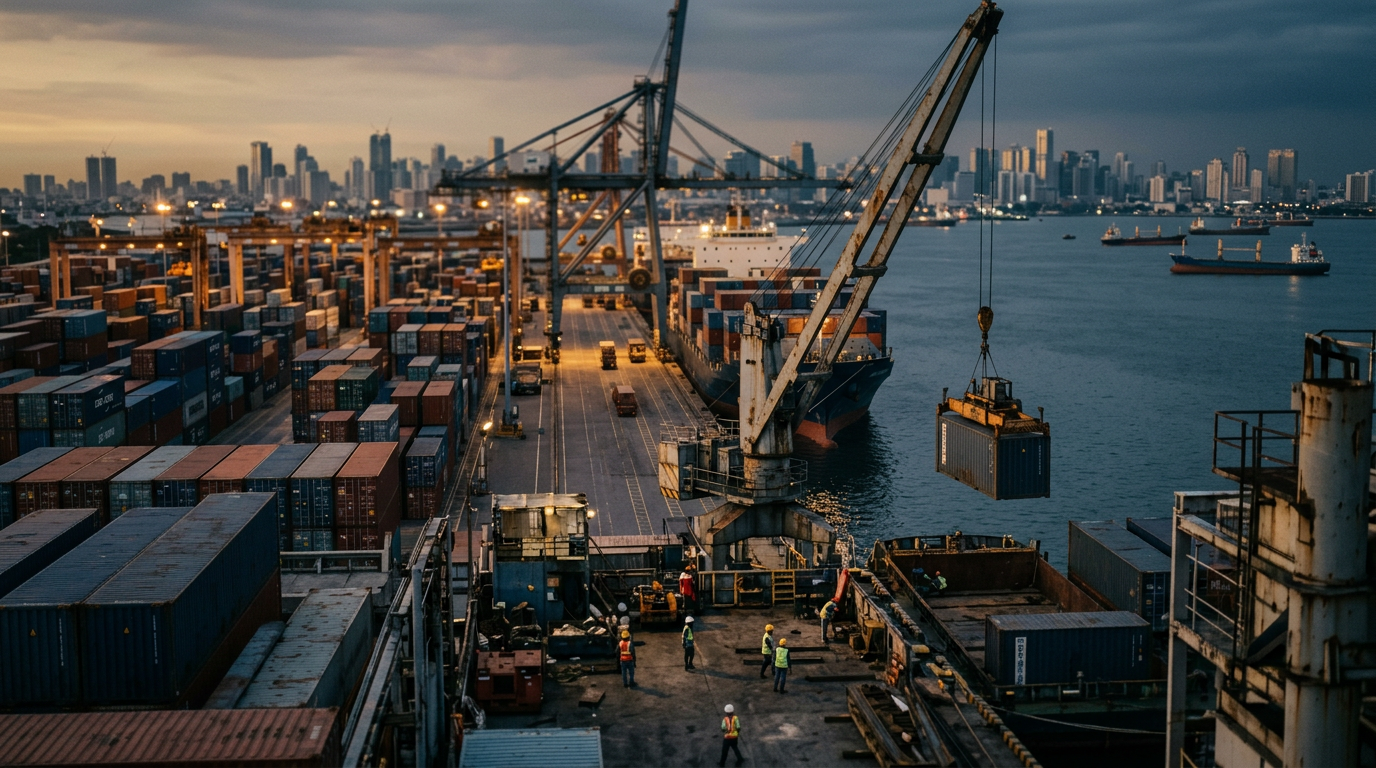
The Philippine government's ability to execute on industrial policy is central to navigating its trade relationship with China. This includes investing in infrastructure to support the manufacturing sector, such as reliable power grids, efficient port facilities, and modern transportation networks. Effective execution in these areas can lower production costs, improve logistics, and make Philippine exports more competitive.
Infrastructure development also enhances the country's attractiveness for foreign direct investment, potentially diversifying its sources of capital beyond China. By building robust domestic capabilities, the Philippines can strengthen its position within the regional supply chain. This involves not just physical infrastructure but also the institutional frameworks that govern trade and investment, ensuring transparency and predictability for businesses.
Talent and Trust
A significant asset for the Philippines is its large, young, and English-speaking workforce. This talent pool has been a major factor in the growth of its electronics and business process outsourcing sectors. However, maintaining this advantage requires sustained investment in education and vocational training to keep skills aligned with the evolving demands of the global technology industry.
Building trust with a variety of international partners is also a strategic imperative. For the Philippines, this means cultivating strong diplomatic and economic ties with countries other than China. Diversifying its partnerships can provide alternative markets, sources of technology, and investment capital. This reduces the country's vulnerability to shifts in Chinese policy or economic conditions and preserves its strategic optionality in a complex geopolitical environment.