Vietnam
From FDI Pledges to Invested Capital in Vietnam's Tech Hubs
Foreign investment in Vietnam's tech sector is strong, but converting these announcements into tangible projects requires a focus on infrastructure, talent, and execution.
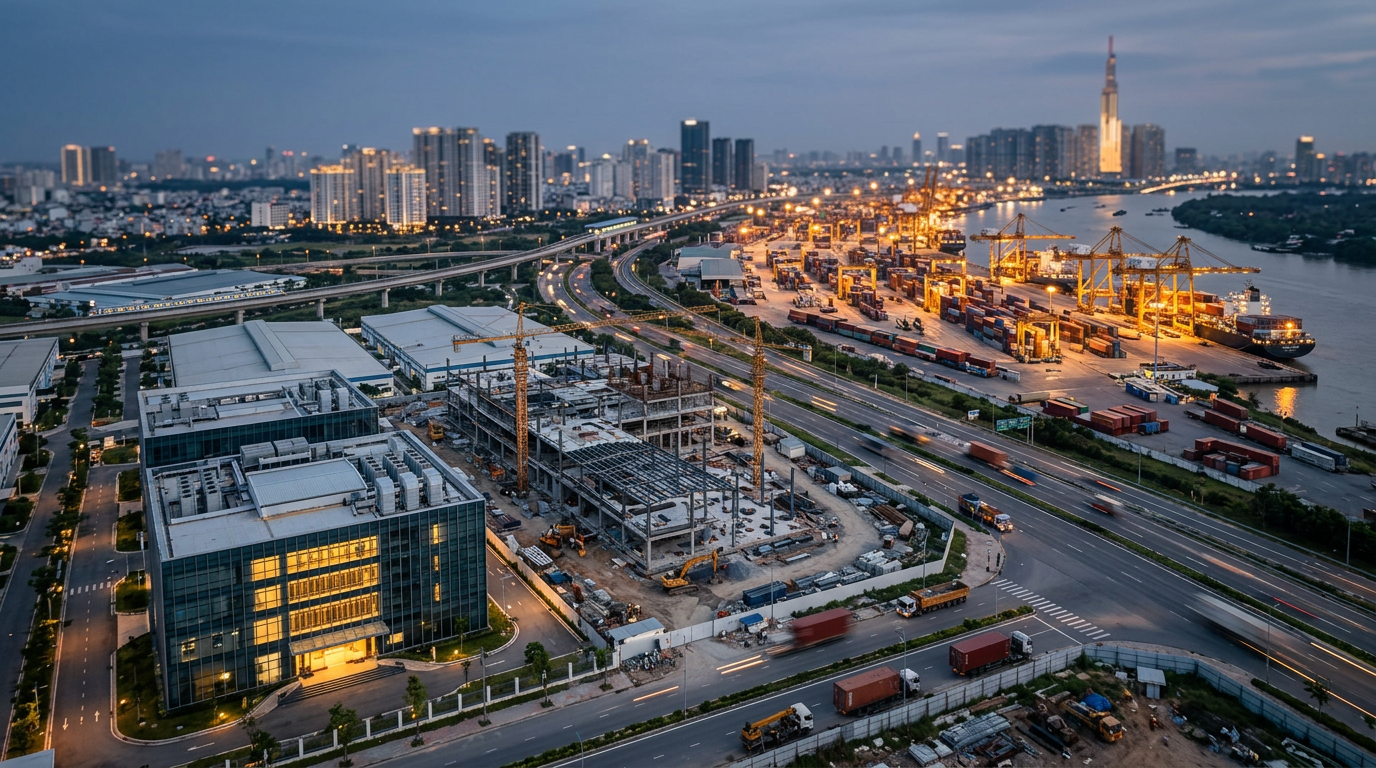
Bac Ninh province, an industrial hub in northern Vietnam, continues to attract significant foreign direct investment (FDI) concentrated in electronics and semiconductors, according to a recent report from The Investor. This sustained interest highlights Vietnam's successful positioning as a key node in global technology supply chains. Yet, as "ASEAN Rising" notes, the journey from pledged investment to operational reality is where the real work begins.
Institutions and Execution
The ability to translate large-scale investment announcements into functioning enterprises is a core measure of institutional effectiveness. Vietnam has made considerable strides in improving its investment climate, streamlining procedures and offering incentives to attract high-tech manufacturing. The concentration of capital in a specific, high-value sector like electronics in Bac Ninh is a testament to this strategy.
However, the book emphasizes that "realised flows depend on the slower work of land, permits, power and talent reaching the ground." This is the challenge that follows the headlines. For international firms, the decision to commit capital is only the first step. They must then navigate the practicalities of securing suitable land, obtaining the necessary permits, ensuring reliable power and logistics, and finding a workforce with the right skills. The efficiency and transparency of these processes are what ultimately determine whether an announced project reaches its full potential or faces costly delays.
Capital and Infrastructure
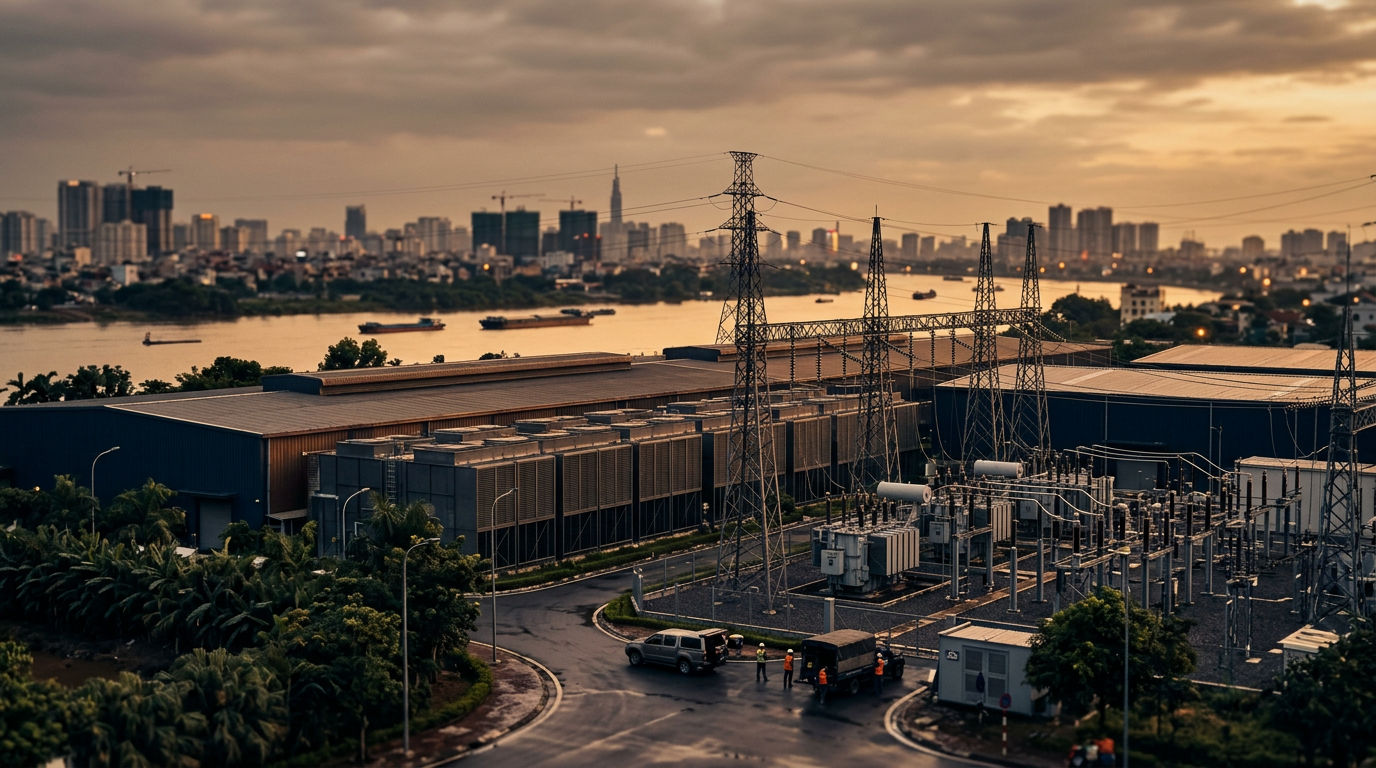
The inflow of capital into Bac Ninh is not just about building factories; it is about building an entire ecosystem. The investments in electronics, components, and semiconductor equipment demand a sophisticated support infrastructure. This includes uninterrupted power grids, high-speed data connectivity, and efficient transport links to ports and airports for a global supply chain that operates on precision and speed.
Meeting these infrastructure requirements is a capital-intensive and long-term undertaking. While FDI brings the capital for the factories themselves, public and private domestic investment must build the enabling environment. The success of Bac Ninh, and other hubs like it, will depend on how well infrastructure development keeps pace with the demands of the high-tech industries it seeks to host. A failure to do so could create bottlenecks that diminish the region's attractiveness over time.
Talent
The most critical component for a sustainable high-tech hub is talent. An advanced manufacturing facility is only as productive as the workforce that operates it. The concentration of electronics investment in Bac Ninh creates intense demand for skilled technicians, engineers, and managers who are familiar with the sector's exacting standards.
This puts the spotlight on Vietnam's educational and vocational training systems. Developing a pipeline of qualified talent is not a short-term project. It requires close collaboration between industry and educational institutions to align curricula with the specific needs of employers. For Bac Ninh to sustain its momentum, it must become a center not just for manufacturing, but for the development of the human capital that powers it.
What to watch: The key indicator of success will not be the volume of FDI announcements, but the rate of project execution and the growth of local value-add. Observers should monitor the development of supporting infrastructure around industrial zones, trends in vocational and technical training enrollment, and the ability of local Vietnamese firms to integrate into the supply chains of the multinational corporations setting up in their backyard. These factors will determine whether today's investment pledges build a lasting industrial ecosystem.