
ASEAN Analysis & Commentary
Every analysis published on ASEAN Rising is sourced, datestamped and signed. We're more interested in being right in 12 months than first in 12 minutes.
Foundation pieces
Start here. The three pieces below set out the lens ASEAN Rising uses to read every story.
ASEAN Rising's core lens. Execution Economics is the study of whether countries, companies and institutions can convert obvious potential into delivered outcomes - and which six pillars decide the answer.
The region has capital, demographics, location and policy ambition. None of that has ever been the binding constraint. The next decade is an execution test, not a potential test - and it is already being scored.
Malaysia is the test case for whether ASEAN's middle powers can turn FDI, semiconductors and data centres into compounding domestic capability. Read the live coverage and execution scorecard.
Analysis tagged #Australia

 Thailand
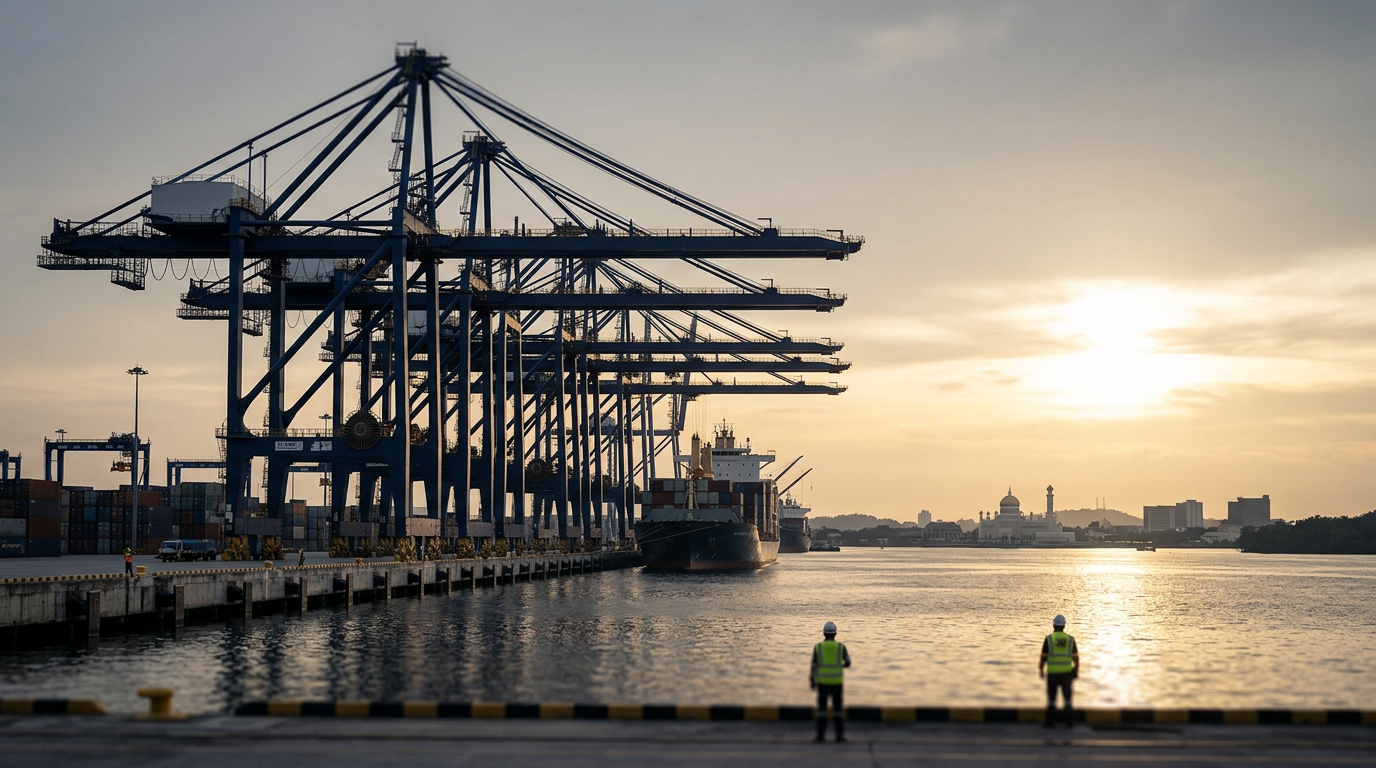
The Quiet Signal of ASEAN Infrastructure That Works
Well-executed infrastructure projects signal institutional capacity and attract long-term investment. They are more than just concrete and steel; they are a sign of a reliable state, which has become a key part of comparative advantage.
 Brunei
The Quiet Signal of Infrastructure that Arrives on Time
Institutional reliability has become part of comparative advantage. A usable state is often more valuable than an exciting one.
 Brunei
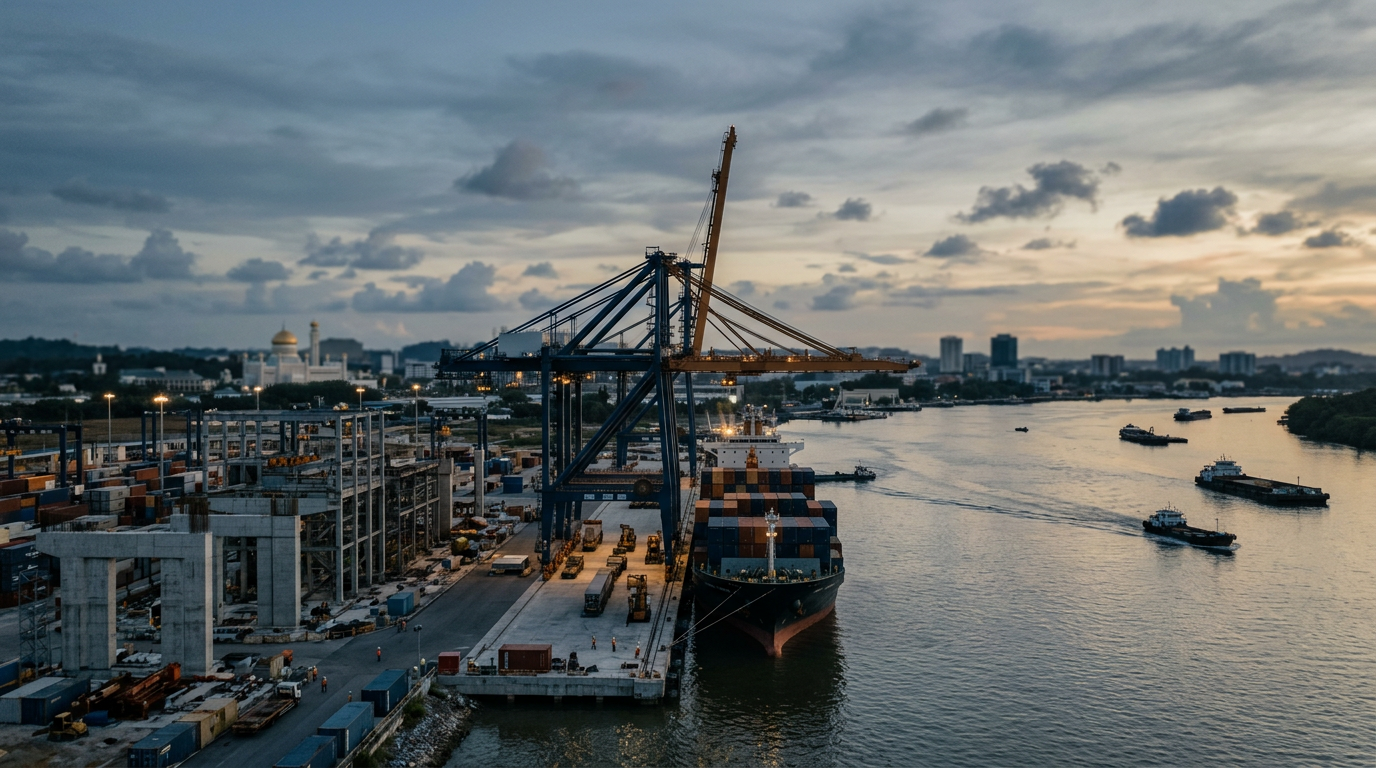
ASEAN and Australia: A Partnership Built on Practical Cooperation
The recent interview with ASEAN's Secretary-General highlights a partnership with Australia that is less about grand pronouncements and more about the steady, practical work of building institutions and delivering on commitments.
 Brunei
ASEAN and Australia: Beyond Announcements
The recent ASEAN-Australia summit highlights a persistent theme in regional development: the gap between stated intentions and on-the-ground execution. For ASEAN, turning high-level agreements into tangible infrastructure and economic integration is the core task.
 Brunei
ASEAN, Australia, and the Imperative of Execution
The recent ASEAN-Australia summit highlights a growing recognition that institutional reliability is a cornerstone of regional partnerships. For ASEAN, the focus must be on execution and converting high-level agreements into tangible outcomes.
 Brunei
ASEAN and Australia: A Partnership Built on Practical Cooperation
The recent interview with ASEAN's Secretary-General highlights a partnership with Australia that is less about grand pronouncements and more about the steady, practical work of building institutional capacity and delivering tangible results.
 Brunei
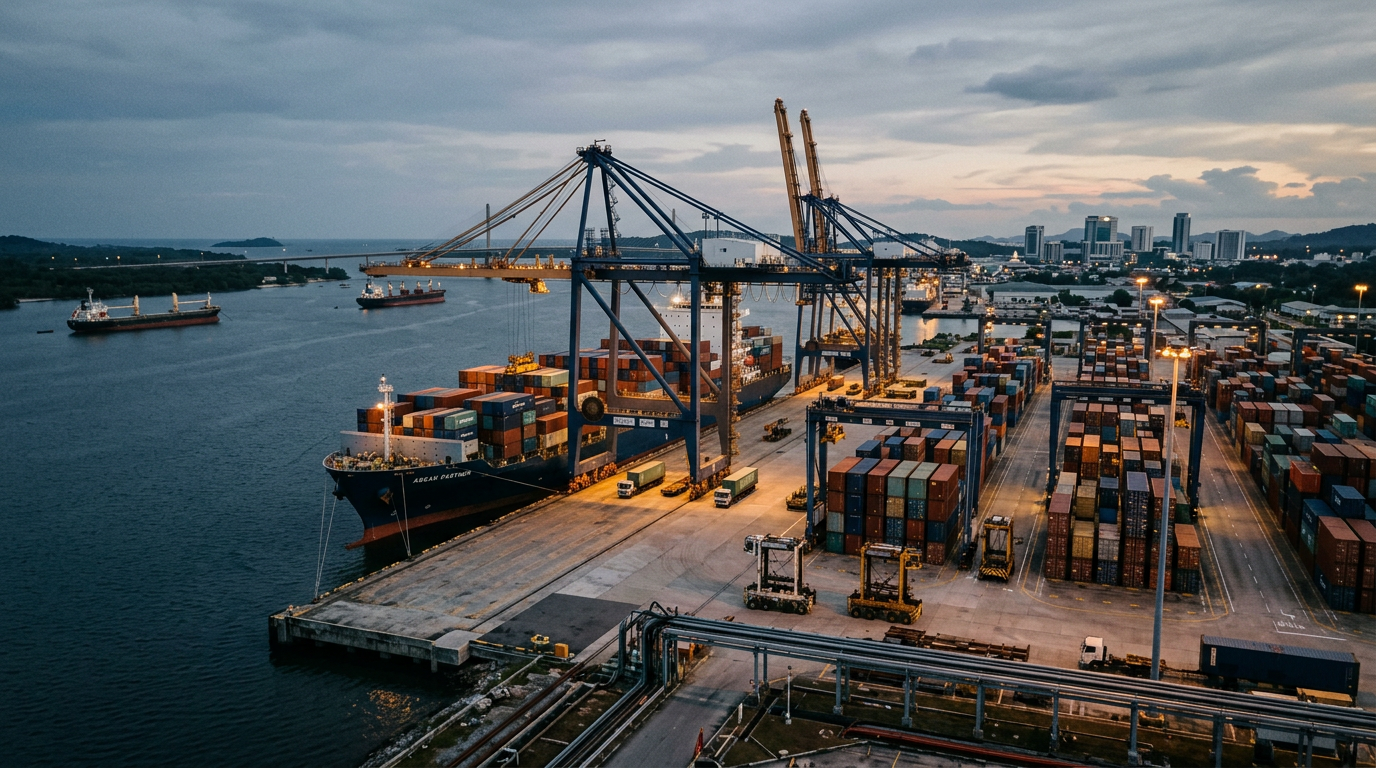
Australia and ASEAN: A Partnership Built on Execution
The recent ASEAN-Australia summit highlights a growing preference for tangible outcomes over ambitious announcements. For ASEAN, reliable partners who can deliver on infrastructure and economic commitments are increasingly valuable.
 Brunei
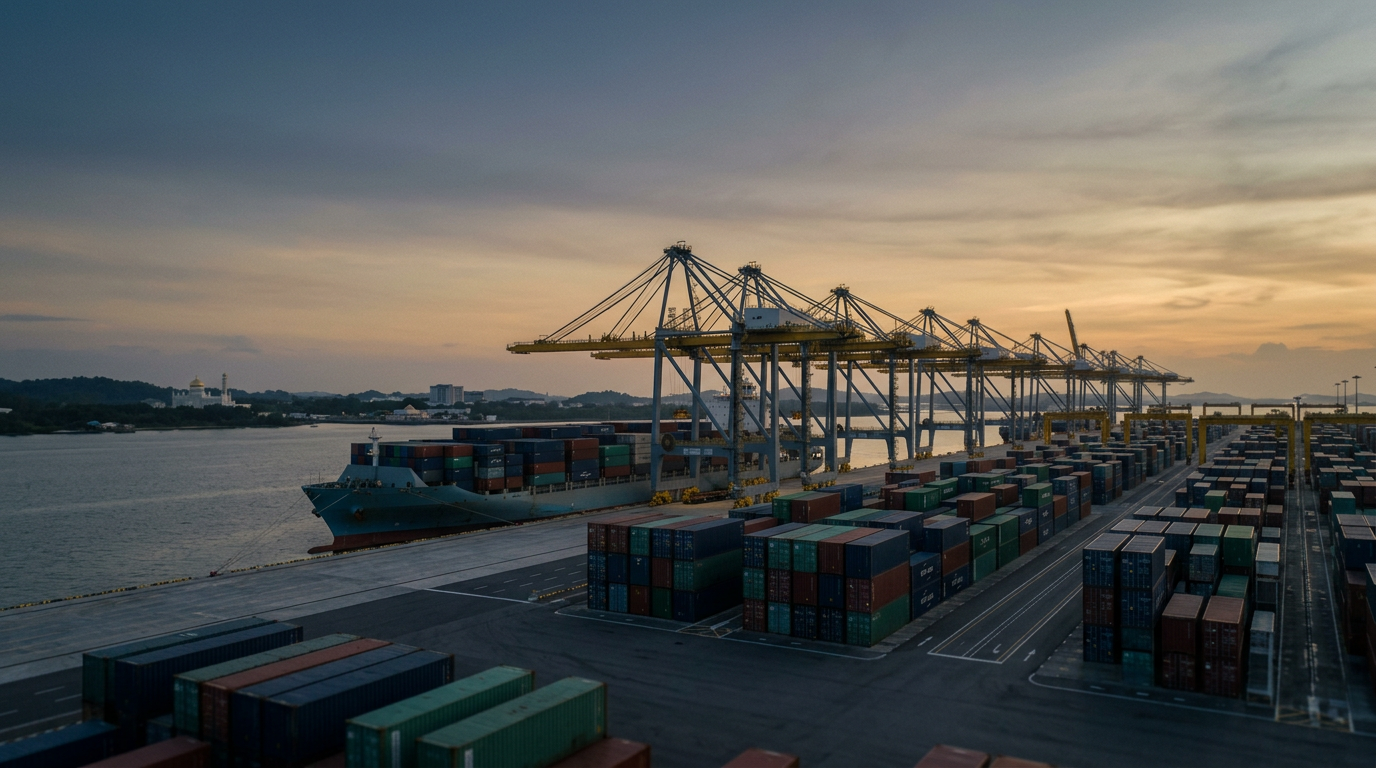
ASEAN and Australia: A Partnership Built on Practical Cooperation
Dr. Kao Kim Hourn's recent interview highlighted the steady, execution-focused nature of the ASEAN-Australia relationship. This approach, centered on tangible outcomes in infrastructure and economic integration, provides a valuable signal of institutional reliability.
 Brunei
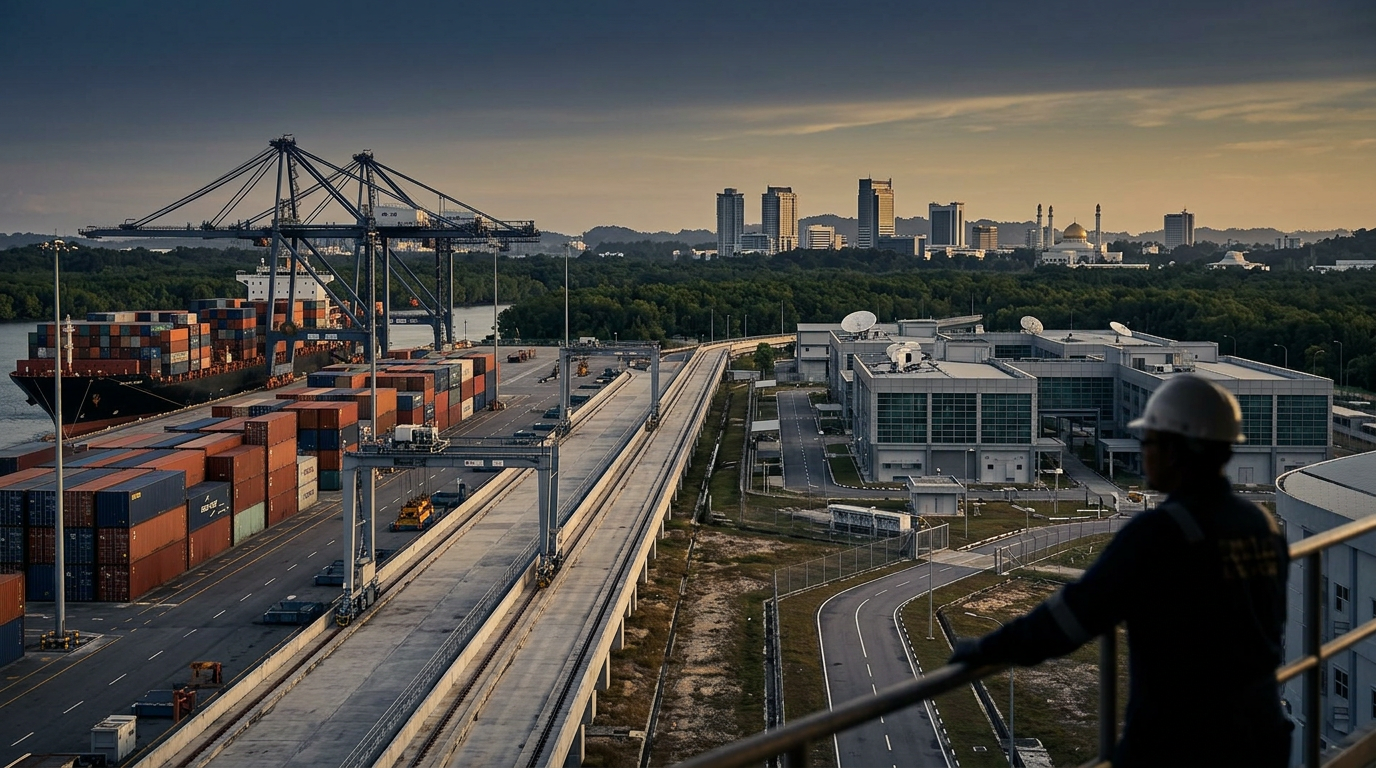
The Quiet Signal of Infrastructure That Arrives On Time
Institutional reliability has become part of comparative advantage. A usable state is often more valuable than an exciting one.
 Brunei
ASEAN-Australia: A Partnership Built on Practical Cooperation
The recent ASEAN-Australia summit highlights a shared focus on execution, not just announcements. For Southeast Asia, delivering on infrastructure and economic integration is how institutional reliability becomes a true comparative advantage.
 Thailand
The Quiet Signal of Infrastructure That Arrives On Time
In Southeast Asia, the link between reliable state capacity and economic reality is becoming clearer. Infrastructure that is delivered on time signals more than just project completion; it is a direct indicator of institutional reliability and a foundation for durable growth.
 Brunei
ASEAN-Australia: The Quiet Power of Getting Things Done
As ASEAN and Australia celebrate 50 years of partnership, the focus is shifting from grand announcements to the practical, daily work of building institutions and infrastructure. For investors, a usable state is more valuable than an exciting one.

 Malaysia
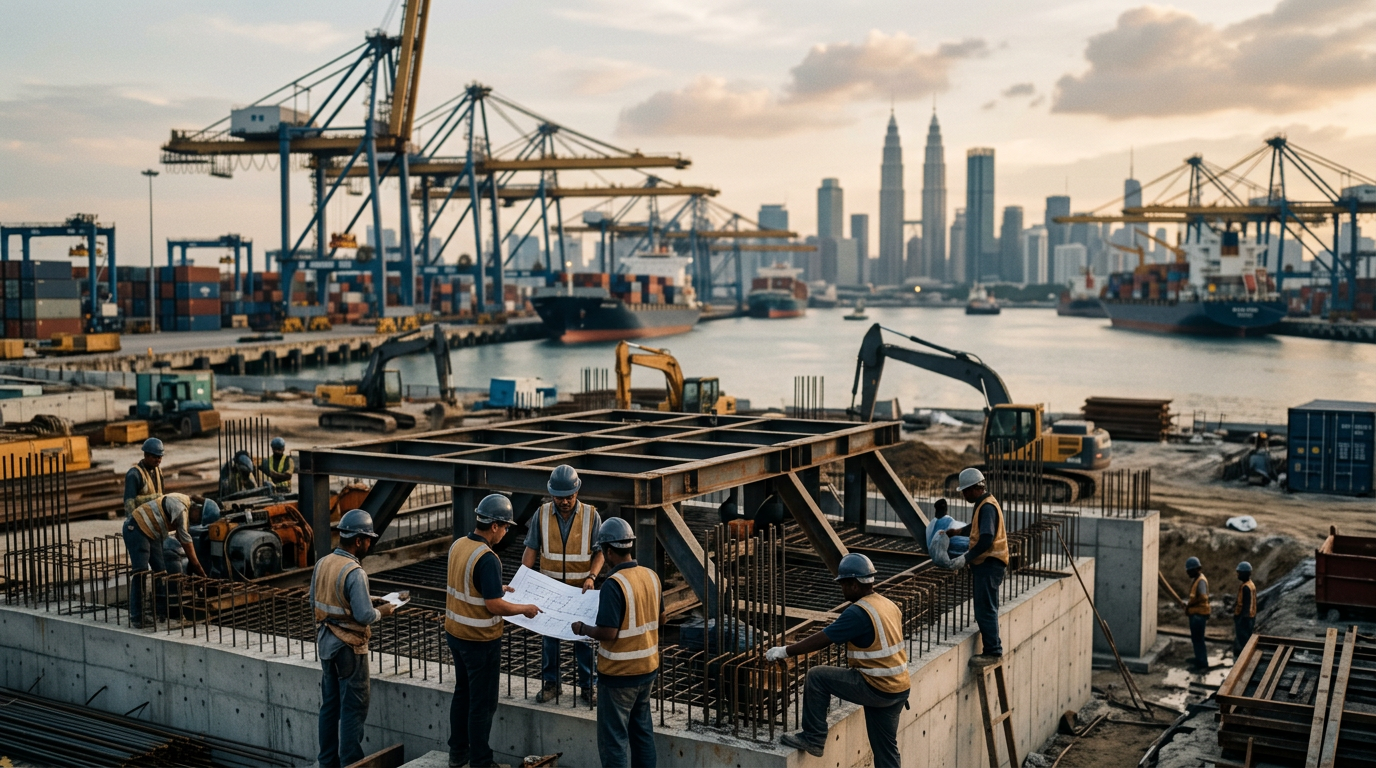
Australia and ASEAN: From Ambition to Investment
Australia is talking up its trade and investment ties with ASEAN, but turning announcements into realised flows is the real work.
 Malaysia
Announcements are not investment. ASEAN must execute.
A recent meeting between ASEAN's Secretary-General and an Australian Senator highlights the perennial gap between FDI announcements and realised investment. As "ASEAN Rising" argues, "scale matters only when institutions can turn it into investable depth."

The Quiet Power of Usable States
The substance of infrastructure is not in its announcement, but in its execution. For ASEAN, the gap between the two is a measure of institutional friction.

 Vietnam
ASEAN's Institutional Test: From Grand Plans to Grand Projects
The presence of ASEAN's Secretary-General at the upcoming Australia-ASEAN Business Forum is more than a diplomatic courtesy. It is a signal of the region's focus on translating high-level dialogue into tangible infrastructure and economic integration, a core theme of ASEAN.

Australia AI Rules Put Focus on ASEAN Data Center Infrastructure
Canberra's plan to regulate the power and water consumption of AI data centers puts a spotlight on Southeast Asia. The region's own data center boom requires a similar focus on coordinated planning to ensure that digital growth is sustainable.