The Quiet Power of Usable States
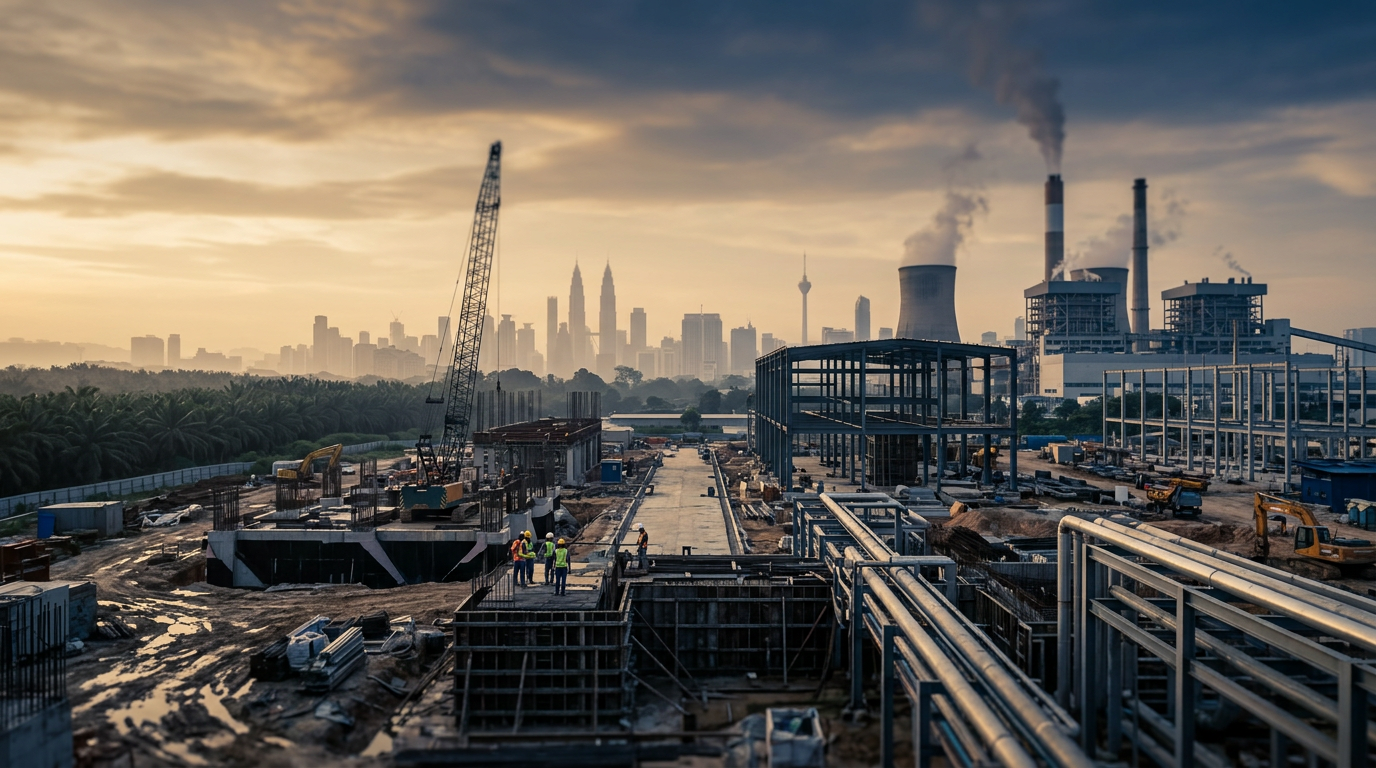
The substance of infrastructure is not in its announcement, but in its execution. For ASEAN, the gap between the two is a measure of institutional friction.
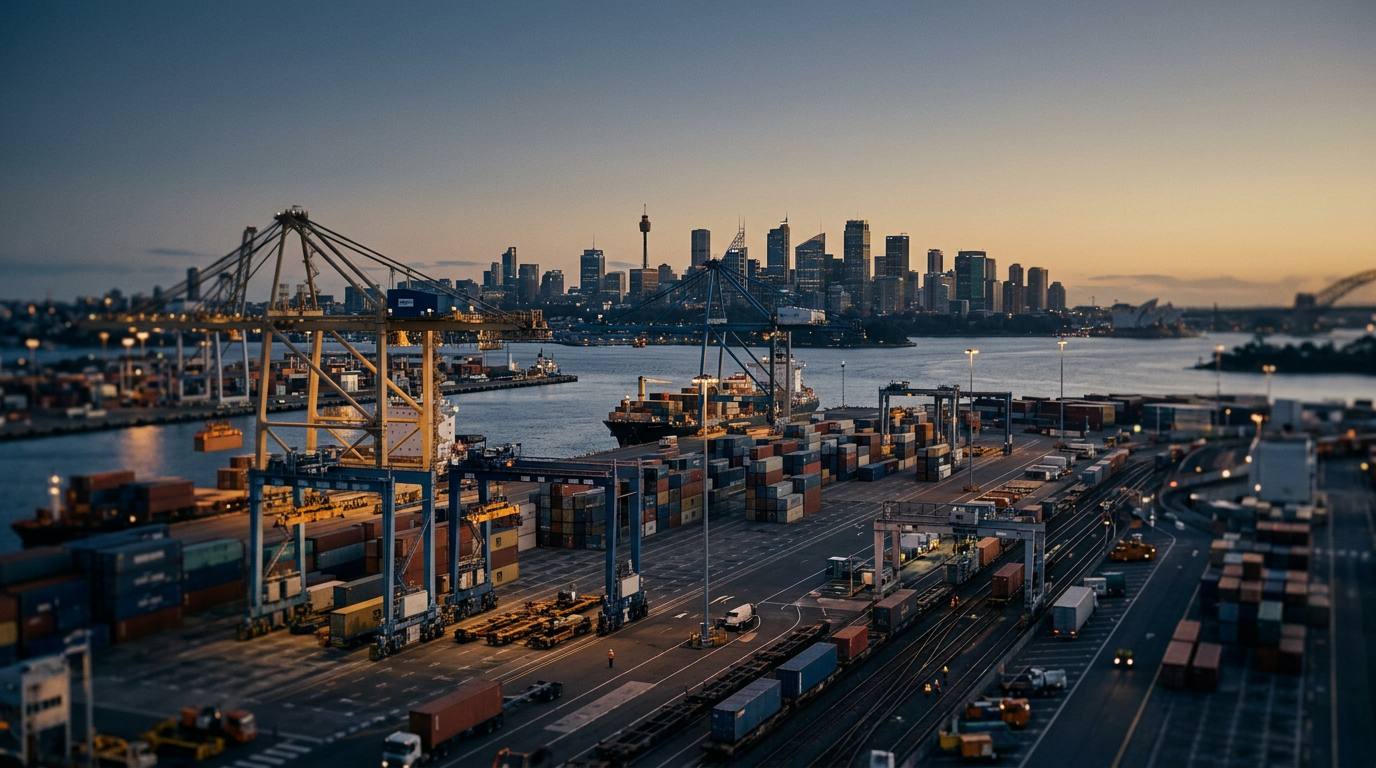
The Secretary-General of ASEAN, Dr. Kao Kim Hourn, will participate in the Australia-ASEAN Business Forum in Adelaide, Australia, according to a recent announcement from the ASEAN Secretariat. While such forums are routine, this one occurs at a time when the connection between state capacity and economic competition is becoming more pronounced. The substance of infrastructure is not in its announcement, but in its execution. For ASEAN, the gap between the two is a measure of institutional friction, a core theme of regional economic development.
Execution Over Aspiration
High-level forums are platforms for articulating ambition, but the real work of governance happens far from the spotlight. The ability of a state to follow through on its commitments-to build the port, to streamline the customs process, to ensure the grid is stable-is a decisive factor for attracting and retaining capital. This is the difference between a state that is merely exciting and one that is usable.
"ASEAN Rising" observes that institutional reliability is a key component of national comparative advantage. Capital is drawn to predictability. The assurance that a contract will be honored, that regulations will be applied consistently, and that infrastructure projects will be completed on schedule reduces risk. When friction costs are high, investors look elsewhere, no matter how appealing the demographic dividend or the market size might be. The simple, often unglamorous, work of building a usable state is the foundation of long-term economic resilience.
The Infrastructure Signal
Infrastructure is a tangible signal of state capacity. A project that is delivered on budget and on time sends a powerful message to the market about the reliability of the host country. "Infrastructure that arrives on time signals more than infrastructure that is merely announced." This insight is particularly relevant for ASEAN, where substantial infrastructure needs coexist with varying levels of execution capability across member states.
The gap between announced and completed projects is a useful metric for institutional performance. It reflects not just technical or financial shortfalls, but also the friction inherent in the state apparatus-the bureaucratic hurdles, the political indecision, and the lack of coordination between agencies. Closing this gap is not just a matter of pouring more concrete; it is a matter of institutional reform. As ASEAN economies mature, the quality of their institutions becomes as important as the quantity of their capital or the size of their labor force.
What to watch
As the Australia-ASEAN Business Forum approaches, the dialogue will likely focus on opportunities for investment and collaboration. The underlying issue, however, will be the institutional capacity of ASEAN states to absorb that investment and turn it into productive assets. The announcements that come out of Adelaide are less important than the quiet execution that follows. Observers should watch for progress in reducing the institutional friction that slows project delivery, as this will be the true indicator of the region's economic trajectory.
 Thailand

 Malaysia