Vietnam
ASEAN's Institutional Test: From Grand Plans to Grand Projects
The presence of ASEAN's Secretary-General at the upcoming Australia-ASEAN Business Forum is more than a diplomatic courtesy. It is a signal of the region's focus on translating high-level dialogue into tangible infrastructure and economic integration, a core theme of ASEAN.
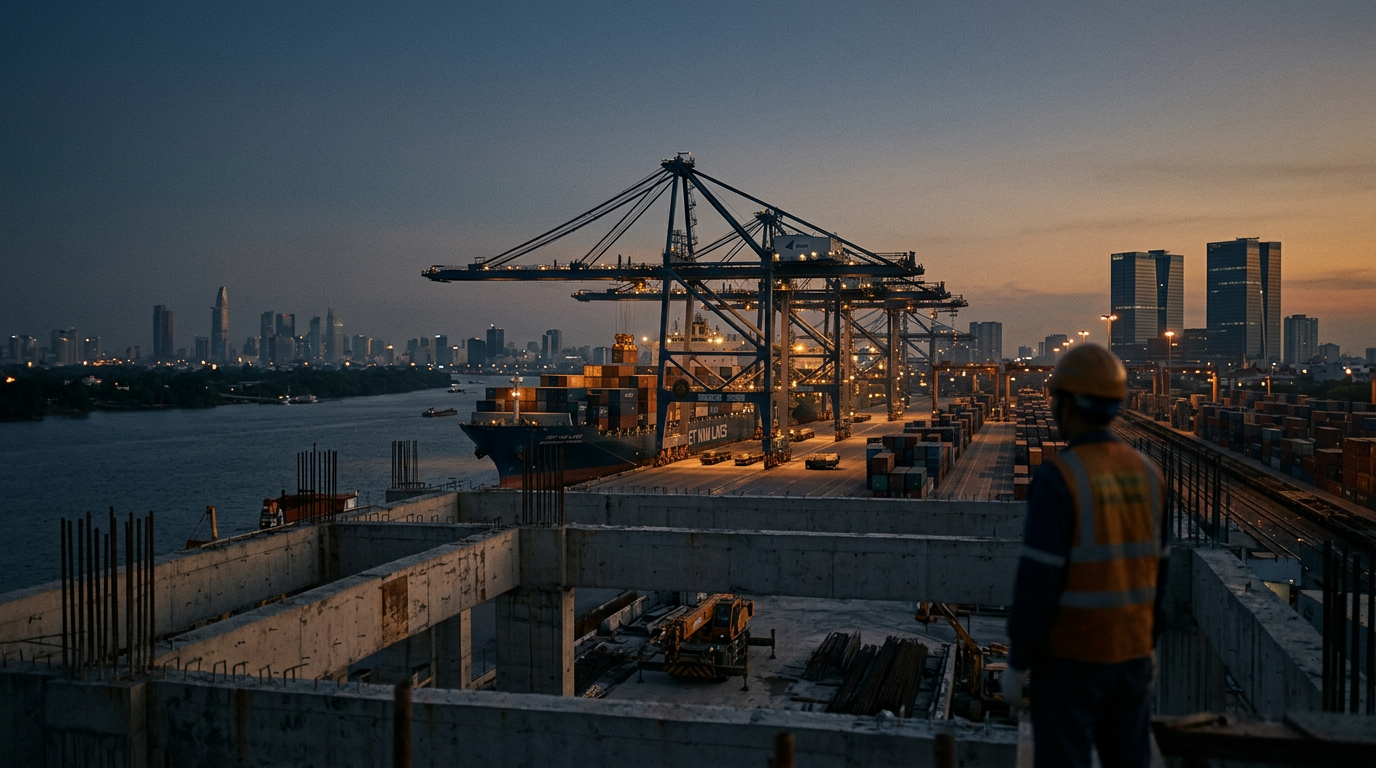
The Secretary-General of ASEAN, Dr. Kao Kim Hourn, will deliver keynote remarks at the Australia-ASEAN Business Forum in Adelaide later this month, an event focused on deepening economic ties. According to a brief from the ASEAN Secretariat, the forum is a key platform for connecting businesses and policymakers from both regions. While such forums are common, this one occurs as ASEAN confronts the immense challenge of translating its ambitious infrastructure goals into completed projects, a test of institutional capacity and regional cooperation.
The Credibility of Institutions
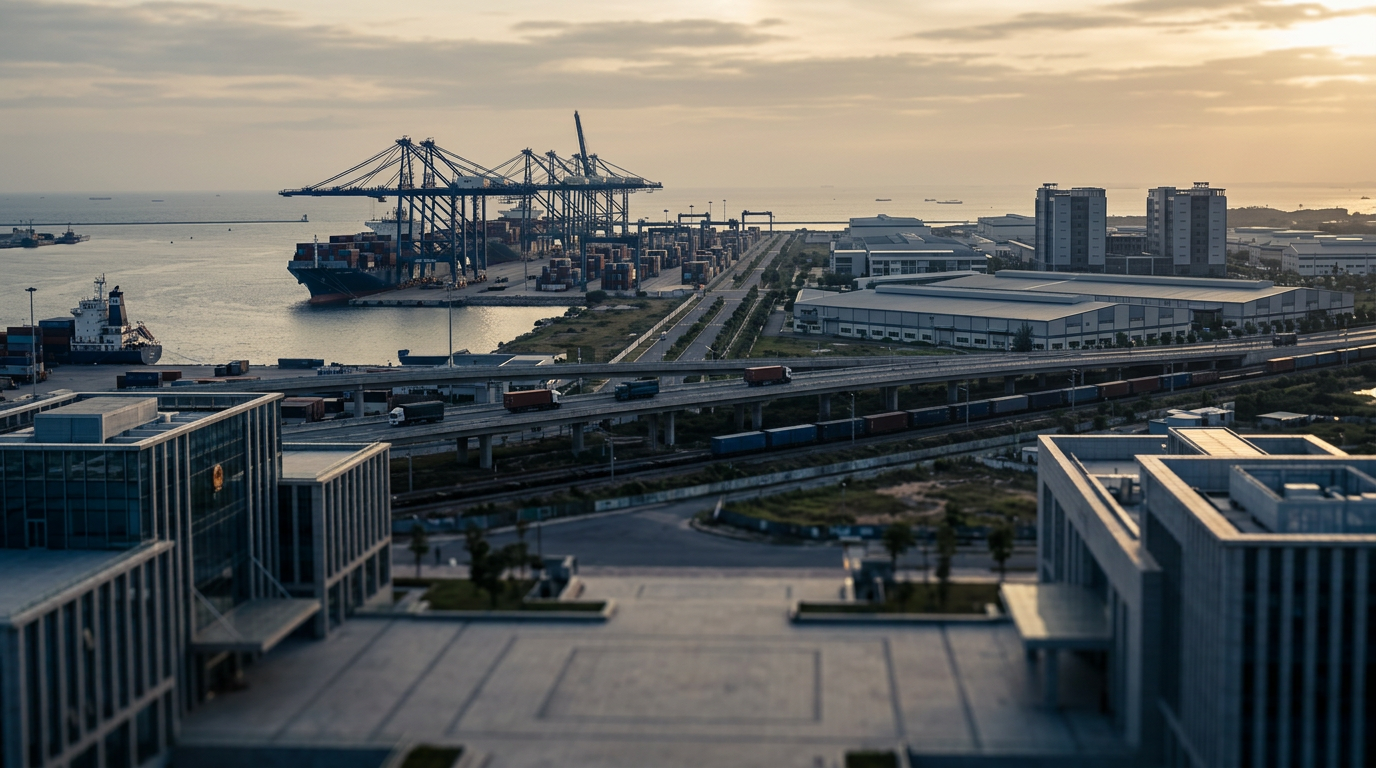
High-level forums and master plans are a familiar feature of the ASEAN landscape. The Master Plan on ASEAN Connectivity (MPAC 2025), for example, outlines a sweeping vision for a seamlessly connected region through infrastructure, digital innovation, and people-to-people ties. The plan is comprehensive, but its success hinges on the capacity of ASEAN member states and their institutions to deliver concrete outcomes. The difference between an announcement and a functioning port or railway is a measure of state capacity.
As detailed in the book ASEAN Rising, institutional reliability has itself become a form of comparative advantage in a competitive global economy. Investors and businesses are drawn to predictability and execution. A state that can deliver projects on schedule and within budget signals a level of competence that is often more valuable to long-term capital than one that only offers exciting blueprints. The gap between stated goals and on-the-ground reality creates friction, which acts as a tax on economic activity.
Infrastructure as a Signal
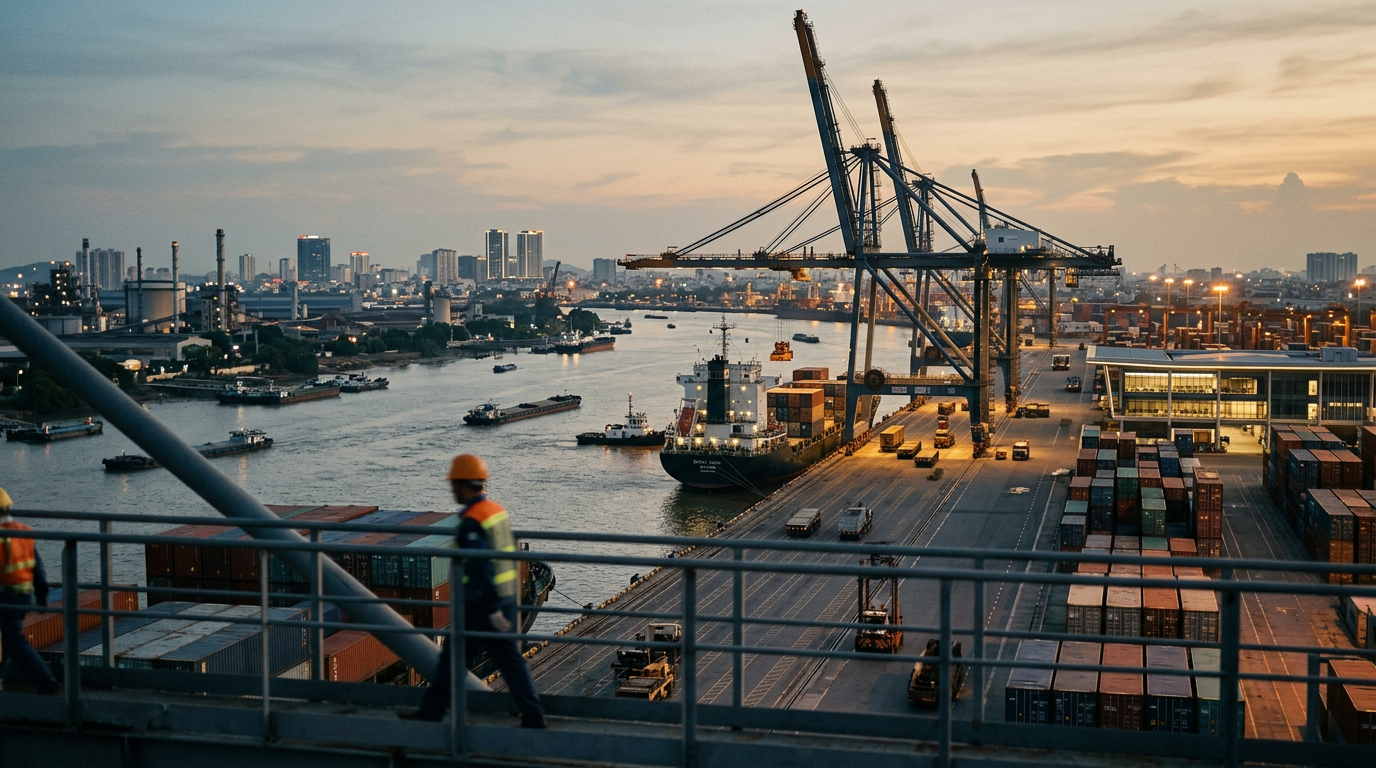
For ASEAN, infrastructure projects are not just about facilitating the movement of goods and people. They are also powerful signals to the international community about the bloc's seriousness and capability. When a highway is completed, a port is modernized, or a digital payment system is integrated across borders, it demonstrates more than just engineering prowess. It shows that complex, multi-stakeholder initiatives can be successfully managed. "Infrastructure that arrives on time signals more than infrastructure that is merely announced."
The Australia-ASEAN relationship, recently elevated to a Comprehensive Strategic Partnership, provides a framework for cooperation in this domain. Australia's expertise in project financing, logistics, and regulatory best practices can be a valuable resource. The business forum in Adelaide is an opportunity to move beyond statements of intent and identify specific projects where Australian capital and know-how can be deployed. The focus will be on whether these conversations lead to firm commitments and, eventually, to physical assets that reduce the cost of doing business in Southeast Asia.
Execution is the Strategy
ASEAN's economic future depends on its ability to close the implementation gap. The region has a young, dynamic population and growing domestic markets, but inadequate infrastructure remains a significant bottleneck. Traffic congestion in major cities, inefficient logistics chains, and uneven digital access all inhibit growth and productivity. Overcoming these challenges requires not just capital, but also strong project management, transparent procurement processes, and effective cross-border coordination.
The role of ASEAN's central institutions, including the Secretariat, is to facilitate this process. By providing technical assistance, sharing best practices, and monitoring progress against agreed-upon targets, these bodies can help member states build the necessary state capacity. The ultimate measure of their effectiveness will be the tangible improvements in the region's physical and digital connectivity.
What to watch
Following the Adelaide forum, the key indicators to watch will be the announcement of specific, funded infrastructure initiatives involving Australian partners. The market will be looking for details on project timelines, financing structures, and the mechanisms for ensuring transparent execution. The degree to which leaders can move from dialogue to deals will signal ASEAN's ability to build the institutional muscle required to turn its ambitious connectivity agenda into a reality.