
ASEAN Analysis & Commentary
Every analysis published on ASEAN Rising is sourced, datestamped and signed. We're more interested in being right in 12 months than first in 12 minutes.
Foundation pieces
Start here. The three pieces below set out the lens ASEAN Rising uses to read every story.
ASEAN Rising's core lens. Execution Economics is the study of whether countries, companies and institutions can convert obvious potential into delivered outcomes - and which six pillars decide the answer.
The region has capital, demographics, location and policy ambition. None of that has ever been the binding constraint. The next decade is an execution test, not a potential test - and it is already being scored.
Malaysia is the test case for whether ASEAN's middle powers can turn FDI, semiconductors and data centres into compounding domestic capability. Read the live coverage and execution scorecard.
Analysis tagged #State Capacity
 Brunei
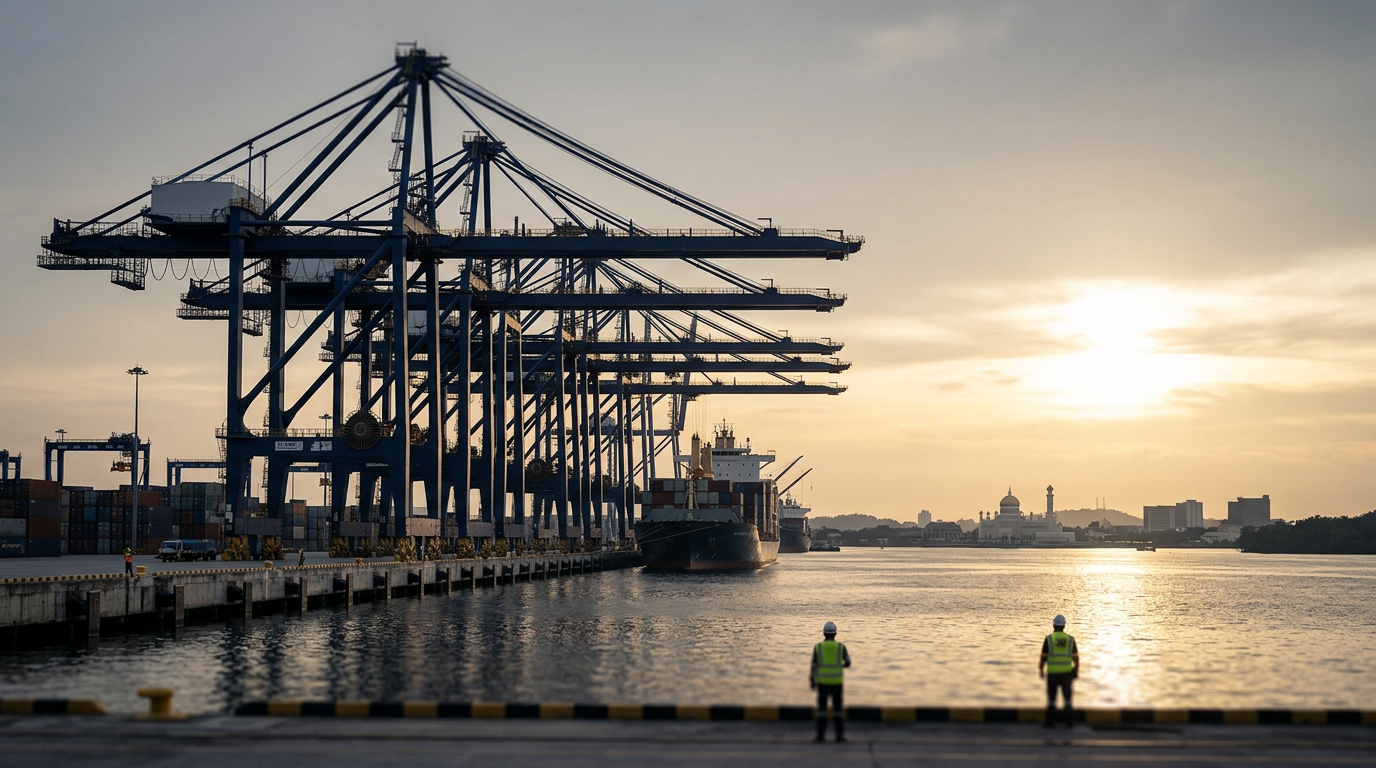
The Quiet Signal of Infrastructure that Arrives on Time
Institutional reliability has become part of comparative advantage. A usable state is often more valuable than an exciting one.
 Vietnam
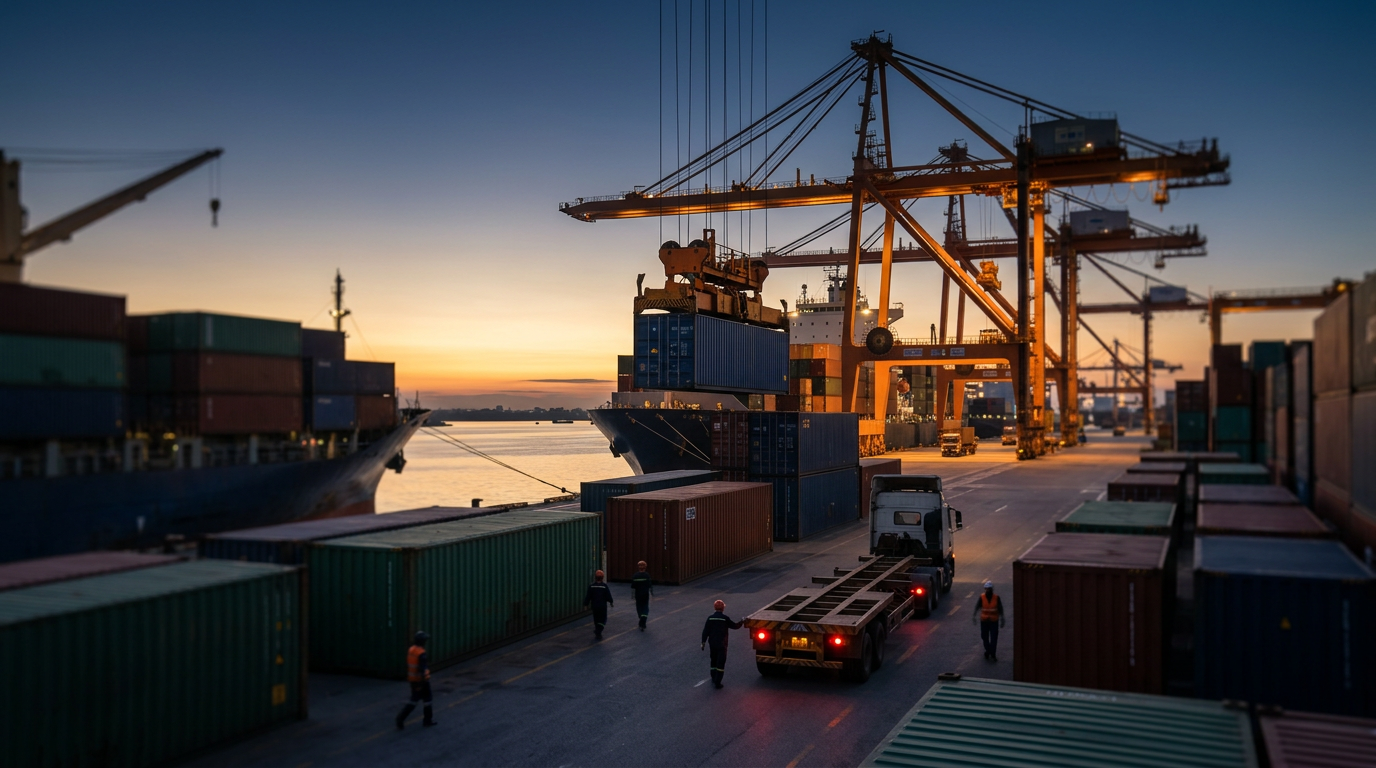
The Quiet Infrastructure of Trust
In ASEAN, the foundation of a modern economy is not just concrete and steel, but the steady, reliable execution of state functions. Institutional reliability has become its own form of comparative advantage, signaling a maturity that is often more valuable than disruptive but.
 Brunei
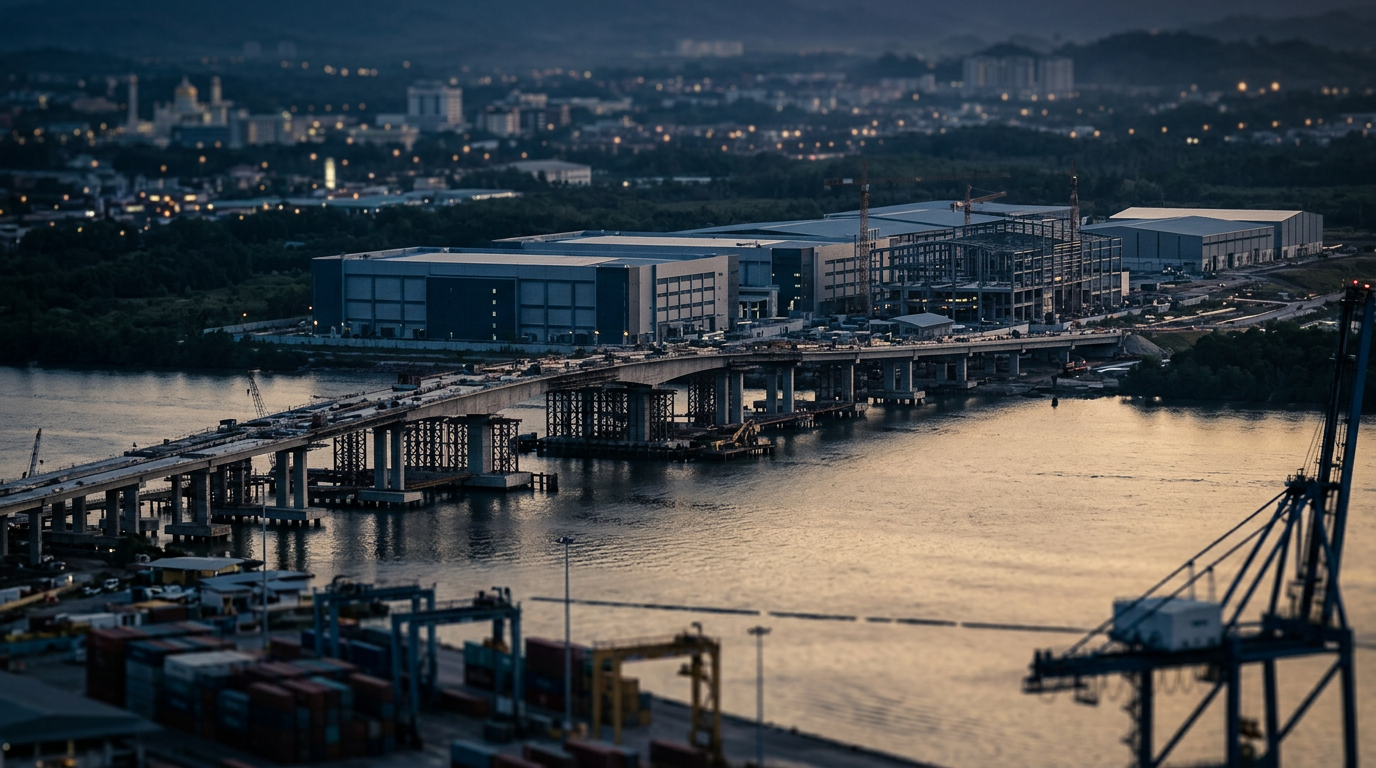
Australia and ASEAN: A Partnership Built on Execution
The recent ASEAN-Australia summit highlights a growing preference for tangible outcomes over ambitious announcements. For ASEAN, reliable partners who can deliver on infrastructure and economic commitments are increasingly valuable.

 Philippines
 Infra Spend Signals Need for Usable State
ANZ Research warns that weak infrastructure spending could prolong the Philippines' economic slowdown, highlighting the difference between announced and delivered projects.
 Philippines
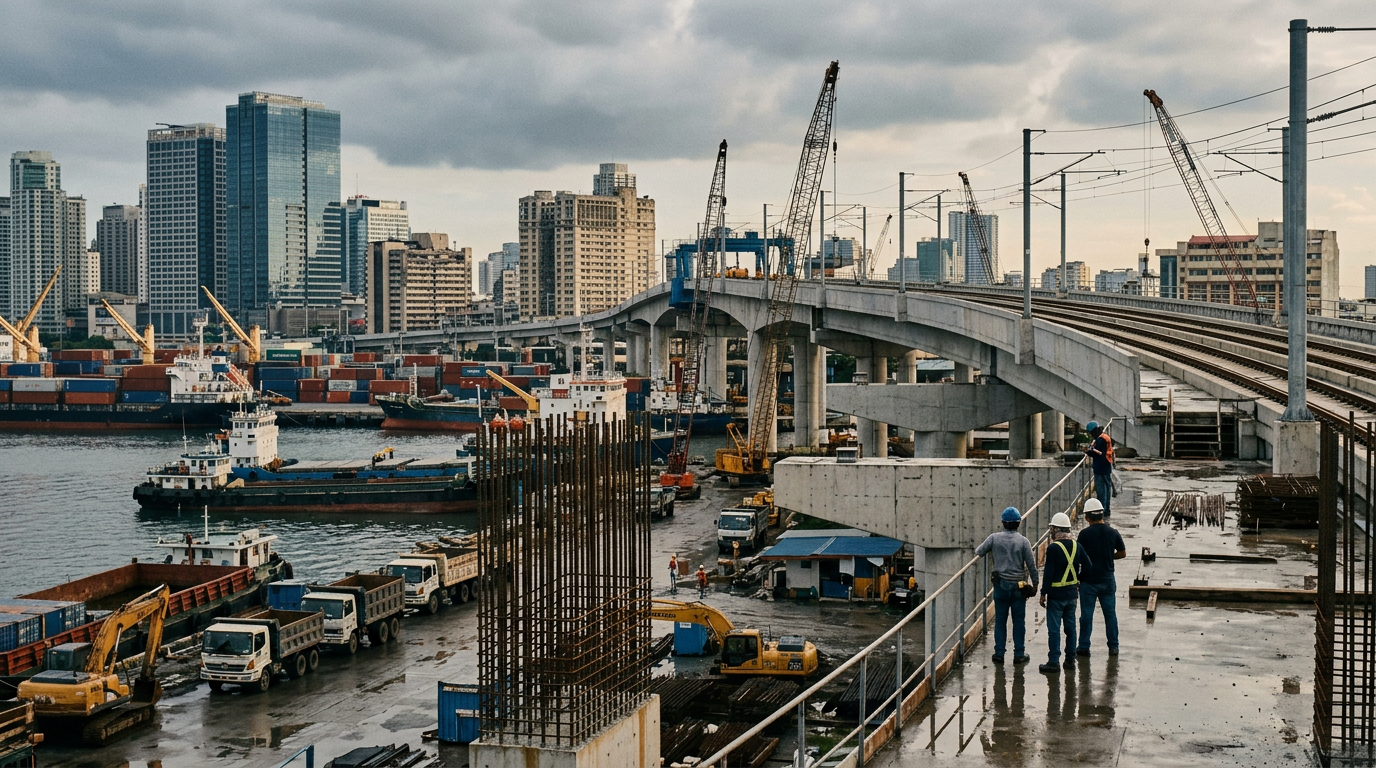
The Philippines' Infrastructure Gap Is a Warning for ASEAN
A recent warning from ANZ Research about a potential slowdown in the Philippines highlights a broader regional theme: the difference between announcing ambitious infrastructure plans and the institutional capacity to deliver them on time and on budget.
 Philippines
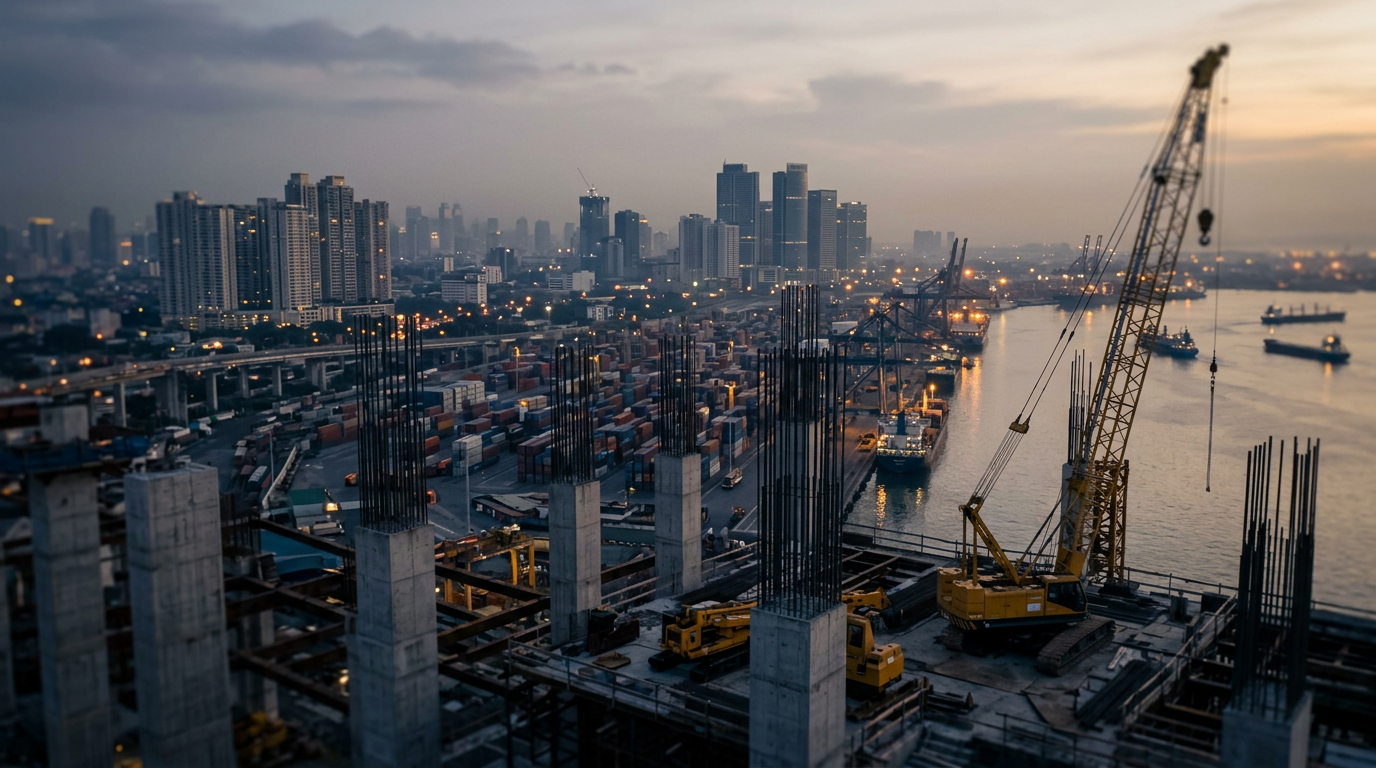
The Philippines Confronts the Cost of Friction
A recent forecast from ANZ Research highlights the economic risks of weak infrastructure spending in the Philippines. This situation reflects a broader theme across Southeast Asia: the gap between ambition and execution.
 Indonesia
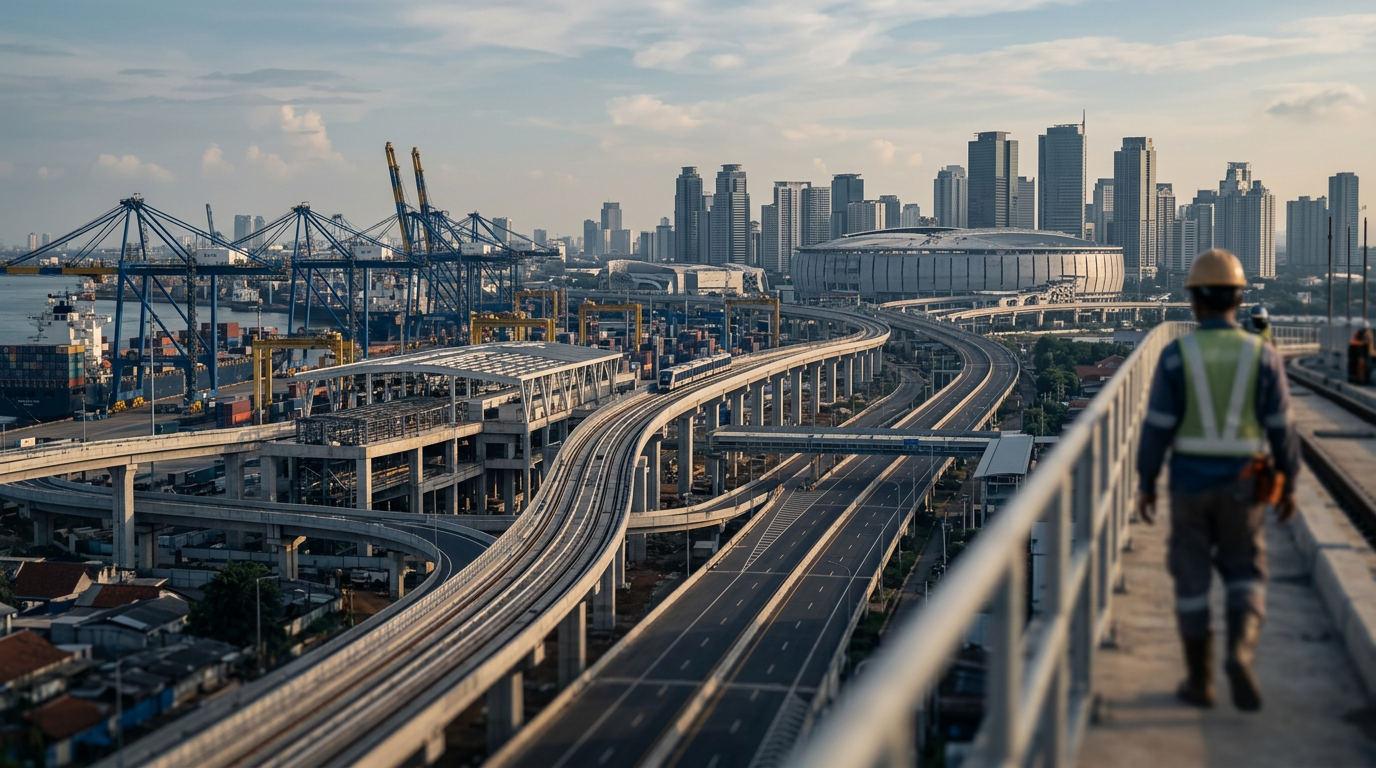
The FIFA ASEAN Cup Kicks Off on a Foundation of Trust
The FIFA ASEAN Cup 2026 is more than a sporting event. It is a multi-billion dollar test of ASEAN's state capacity, from infrastructure to logistics to security.
 Singapore
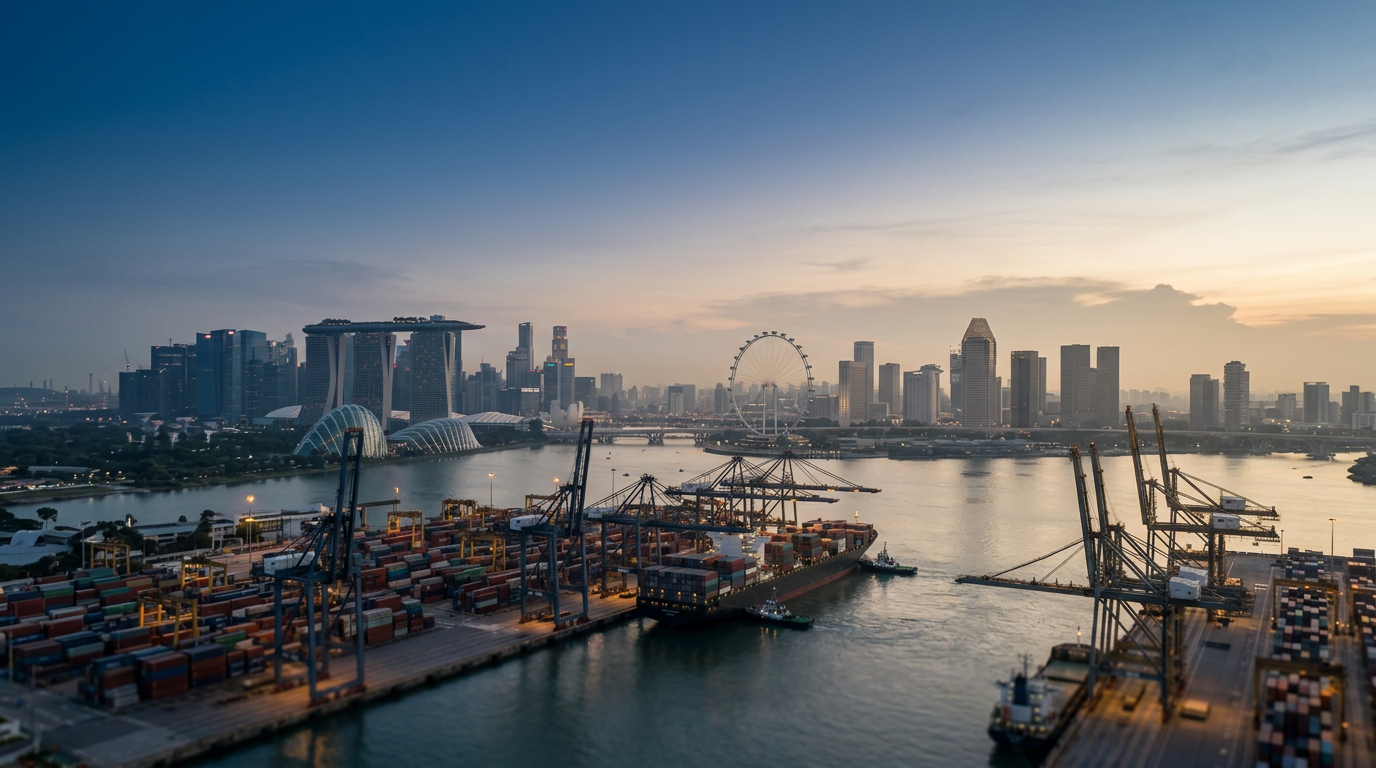
ASEAN-US Cooperation and the Quiet Work of Institutions
The recent AEM-USTR Consultation in Manila is a reminder that institutional reliability has become part of comparative advantage. A usable state is often more valuable than an exciting one.
 Malaysia
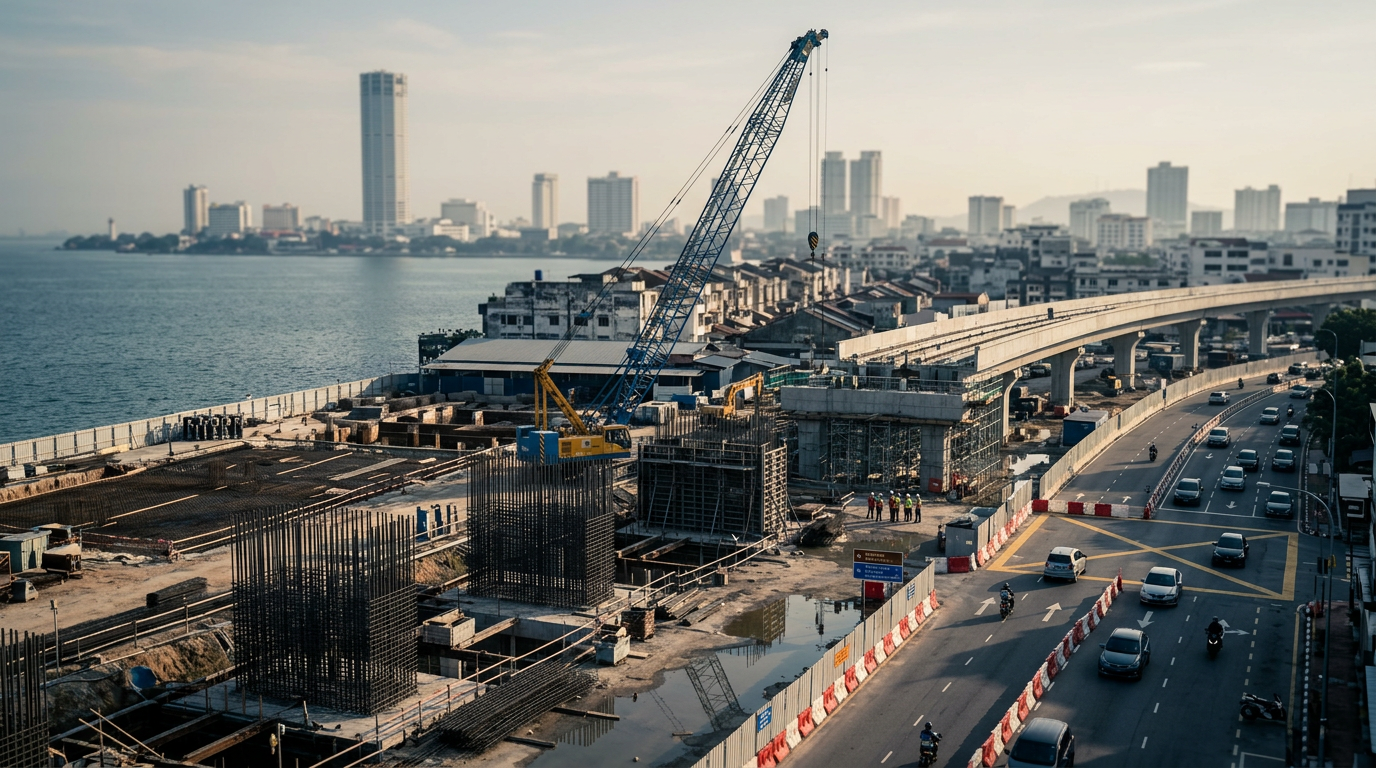
The Mutiara Line and Malaysia's Infrastructure Test
Penang's Mutiara Line LRT project will require a 322-day traffic diversion. While a necessary step, it puts the focus on Malaysia's ability to deliver complex infrastructure projects on schedule and with minimal disruption.
 Singapore
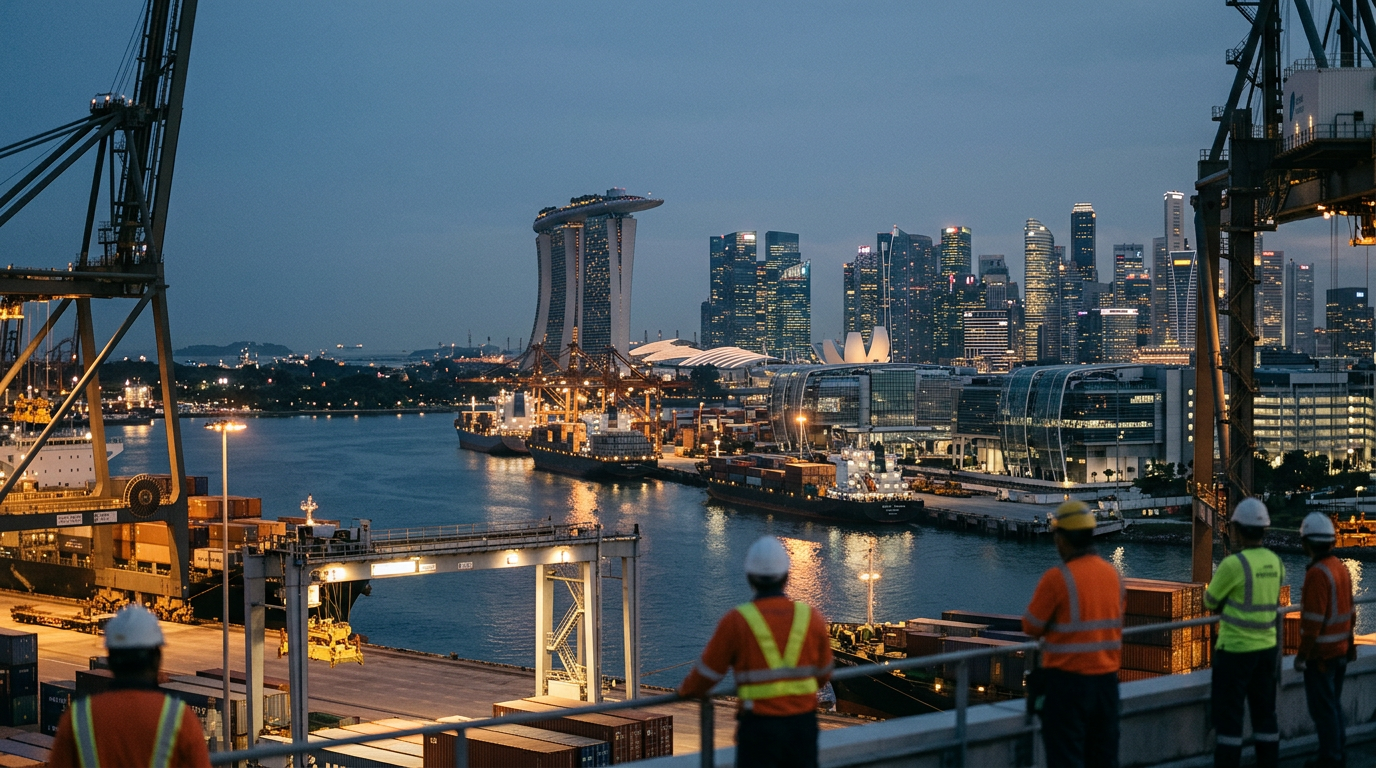
ASEAN Work Plans and the Price of Inaction
Announcements are not outcomes. ASEAN's IAI Work Plan V is the latest in a series of plans to narrow the development gap. As the book ASEAN Rising argues, follow-through is a dimension of state capacity, and state capacity has become a factor in comparative advantage.
 Vietnam
 Airlines' Airbus Order Underscores the Value of Execution
Vietnam's aviation sector growth is a tangible result of its focus on institutional capacity and reliable infrastructure development, a core theme of ASEAN Rising.
 Philippines
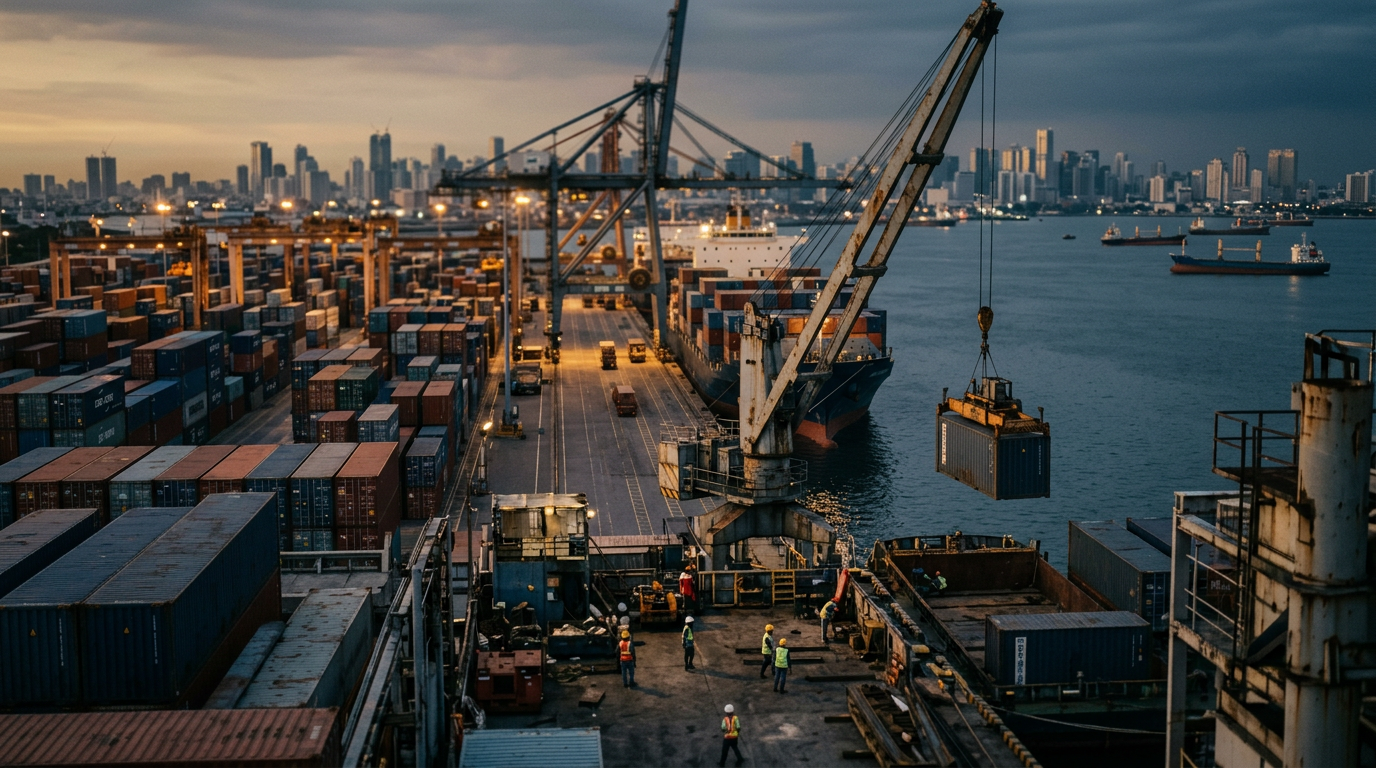
The Hard Work of ASEAN Connectivity
ASEAN connectivity is not just about grand pronouncements, but the hard, unglamorous work of institutional reform that translates vision into reality.
 Cambodia
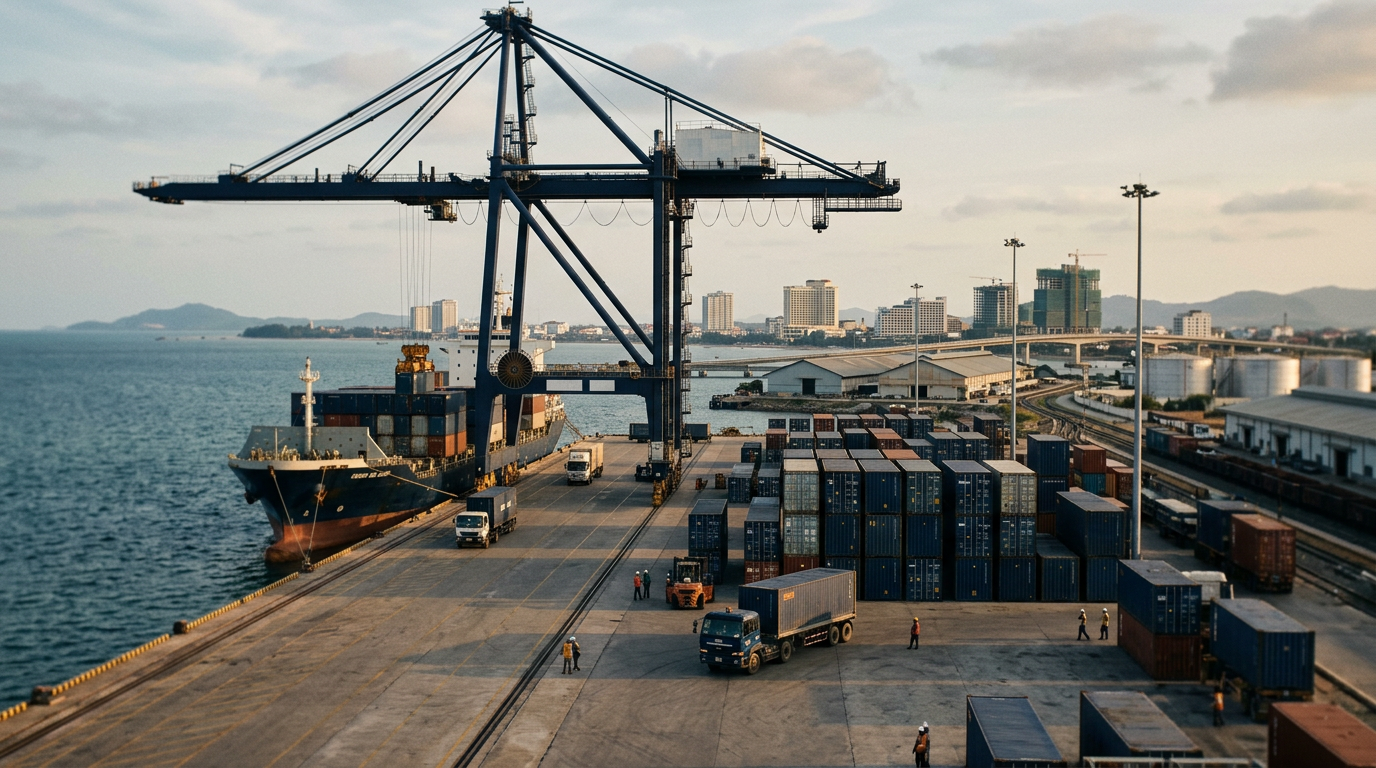
The Value of a Usable State in ASEAN Connectivity
As ASEAN leaders highlight connectivity, the focus must shift from grand announcements to the steady, reliable execution of infrastructure projects. Institutional reliability is the bedrock of regional integration and economic growth.
 Indonesia
's Airports and the Quiet Work of Institutions
The recent reopening of Indonesia's airports after a volcanic ash crisis highlights the importance of institutional reliability for the country's economic ambitions.
 Indonesia
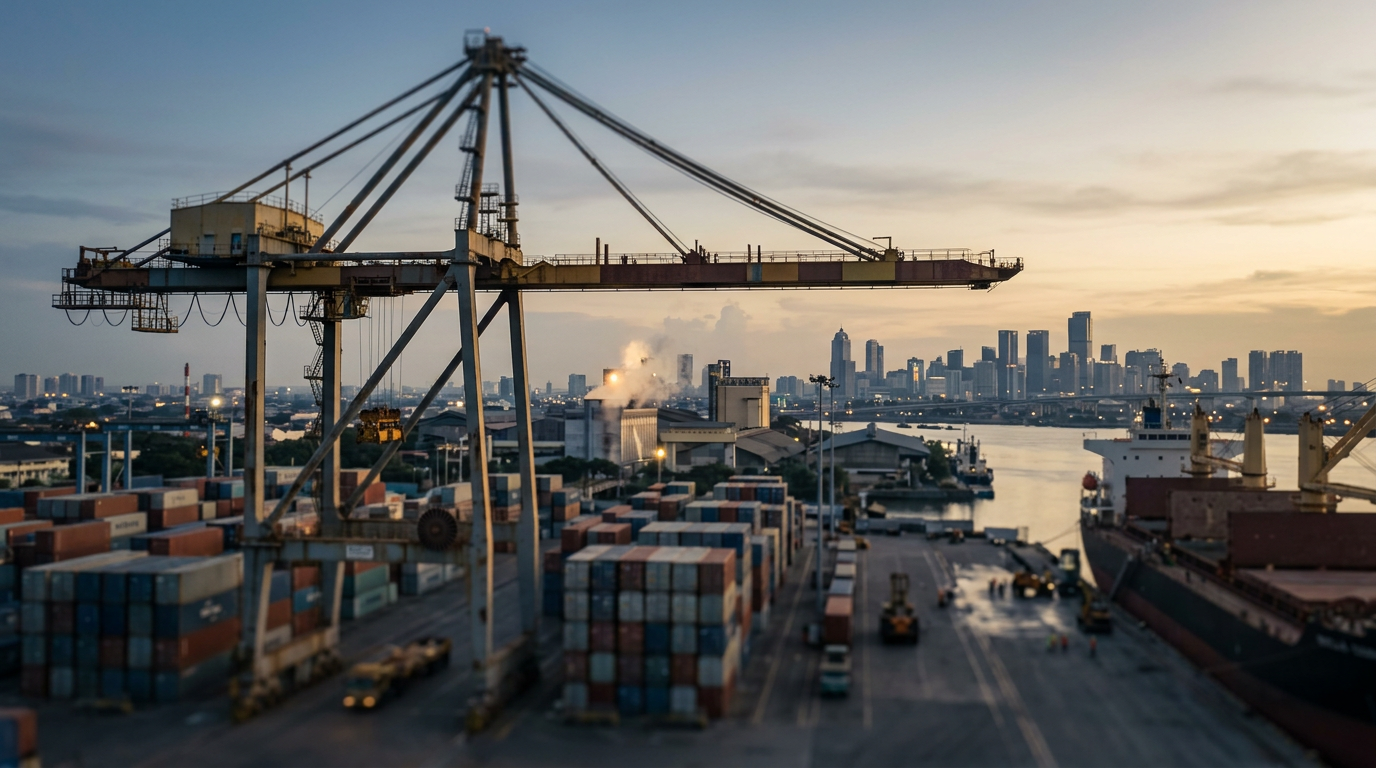
Steel, State Capacity, and ASEAN Integration
A recent meeting at the ASEAN Secretariat is a useful signal for institutional development in the region's steel sector, which is a foundational component of industrial policy and infrastructure development.
 Indonesia
The Philippines' Infrastructure Challenge Is About More Than Money
A series of power disruptions at Manila's primary airport highlights the gap between infrastructure announcements and execution. Institutional reliability has become part of comparative advantage, and a usable state is often more valuable than an exciting one.
 Brunei
Denmark, ASEAN, and the Value of Boring
The new ASEAN-Denmark partnership is a reminder that a usable state is often more valuable than an exciting one. It is a quiet success story for the often-criticized ASEAN Secretariat.

The Engine of Integration: ASEAN's Focus on Civil Service
A recent meeting on civil service cooperation highlights a foundational element of regional progress: building reliable state institutions that can execute on policy and deliver on promises.
 Philippines
Beyond the Summit: Manila's Institutional Test
The ASEAN Tech Summit in 2026 is more than a conference; it is a measure of the Philippines' state capacity and a signal to the region about the value of execution over announcements.
 Malaysia
's Rail Turnaround Is About More Than a Shorter Commute
Recent improvements in Kuala Lumpur's urban rail network are a positive sign for commuters, but they also signal a deeper story about Malaysia's maturing state capacity and focus on execution over announcements.
 Indonesia
From Regional Forums to Reality: Measuring ASEAN by Execution
High-level statements are a staple of regional diplomacy, but the true measure of progress lies in institutional reliability and the tangible delivery of infrastructure and services.
 Singapore
Changi's Numbers and the Case for Dependable Infrastructure
A slight dip in passenger traffic at Singapore's Changi Airport is less a sign of weakness and more a reminder of the nation's core competitive advantage: institutional reliability. The case for effective infrastructure, as detailed in ASEAN Rising, is the real story.
 Philippines
From Manila's Summit to ASEAN's Streets: The Infrastructure Test
The recent East Asia Summit Foreign Ministers' Meeting reiterated familiar commitments to regional infrastructure. But as the book "ASEAN Rising" argues, the true test lies not in pronouncements but in the institutional capacity to execute.