Timor-Leste
Timor-Leste Deepens ASEAN Engagement
Timor-Leste's recent diplomatic engagement with ASEAN leadership signals a deliberate step towards deeper integration. The country's path will be shaped by how it balances the need for economic development with the strategic complexities of ASEAN's relationship with major.
A recent meeting between the Secretary-General of ASEAN and Timor-Leste's Permanent Representative, as reported by asean.org, highlights the diplomatic machinery facilitating the country's deliberate, multi-year path to full membership. The discussion signals the formal, institutional process of integration, which stands in contrast to the market-driven forces that have pulled the region closer to China over the past two decades. As Timor-Leste prepares for accession, it confronts a strategic landscape where economic imperatives and geopolitical alignment are in constant tension.
Institutions and Infrastructure
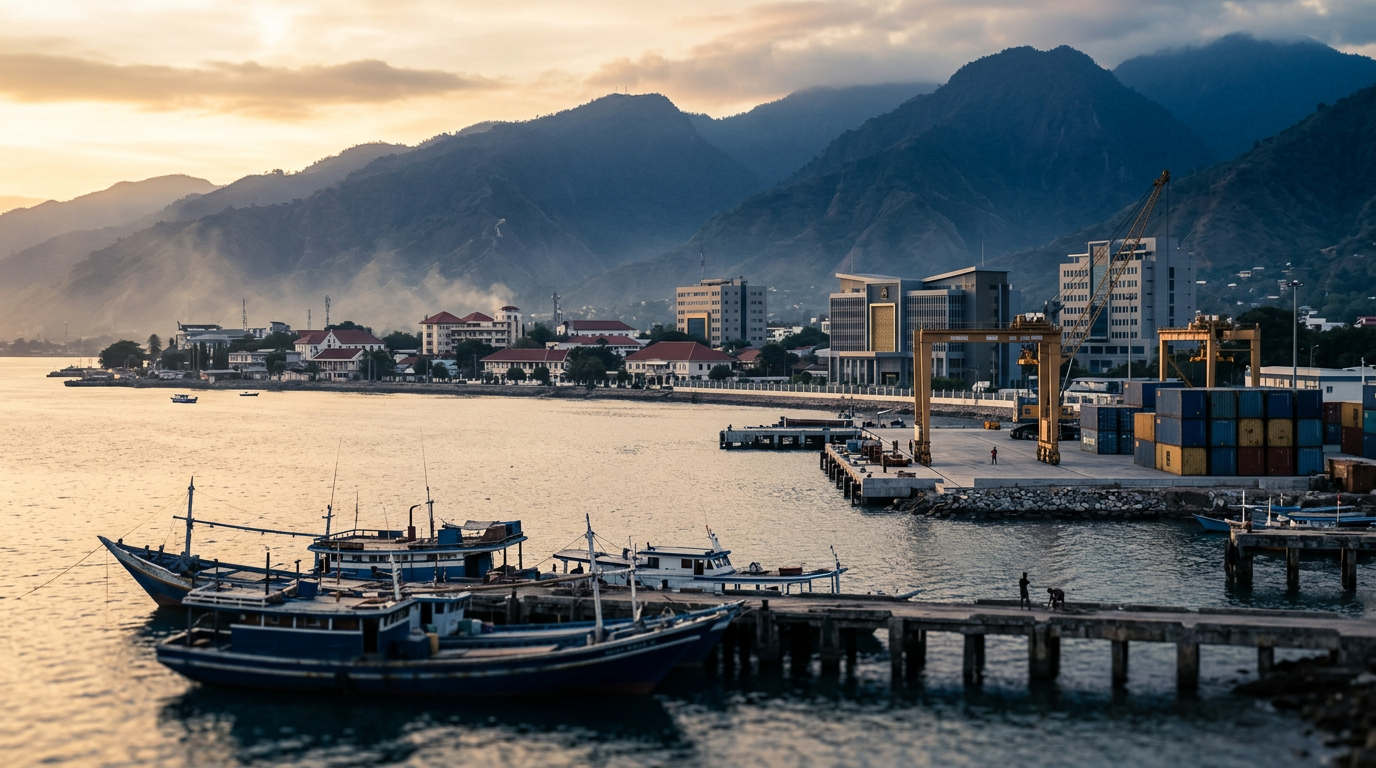
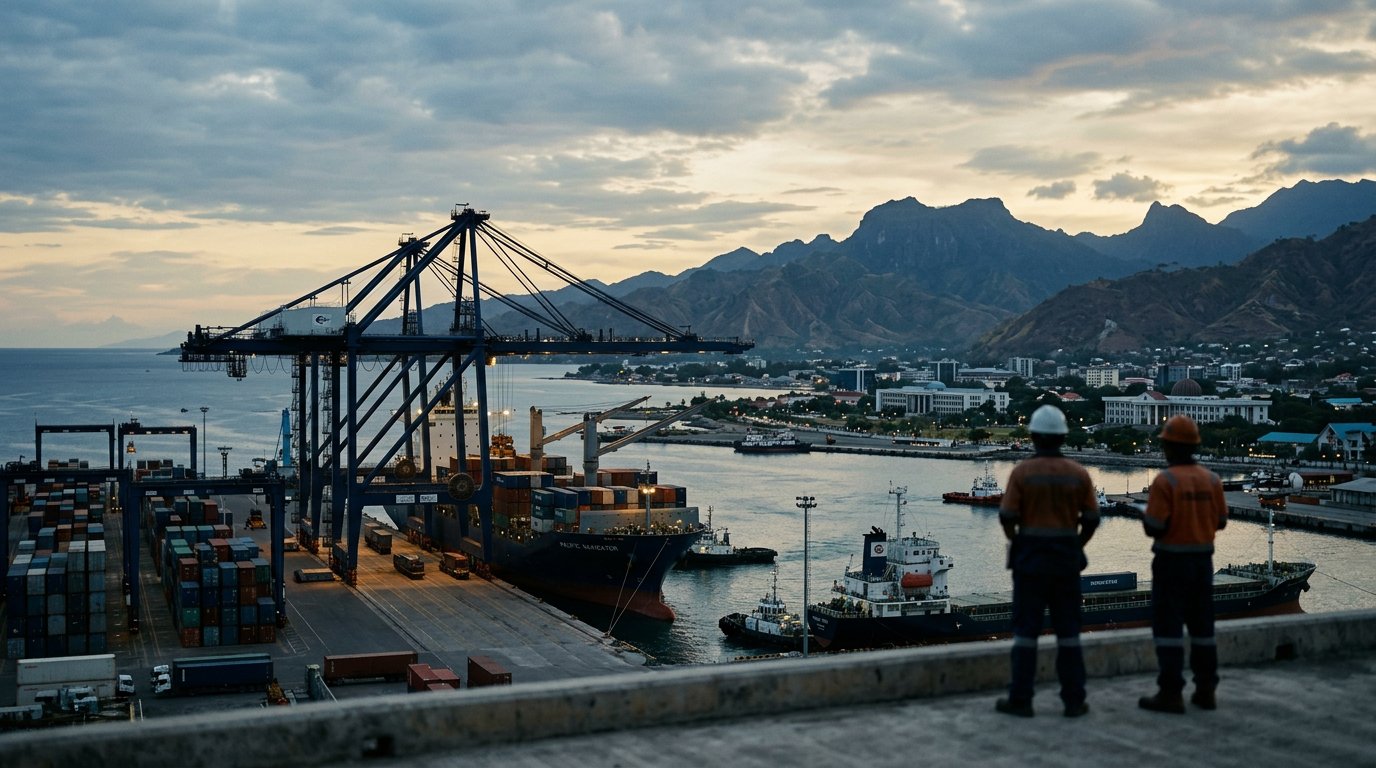
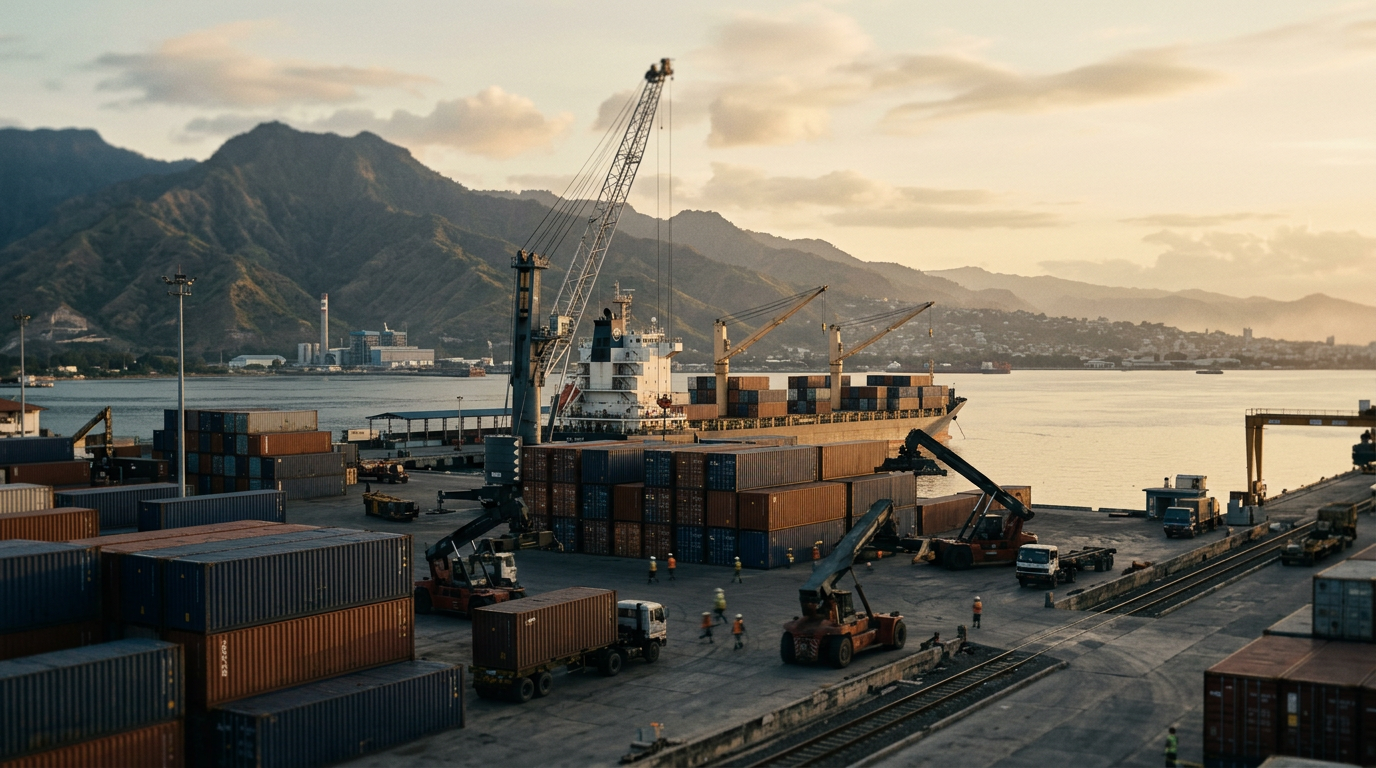
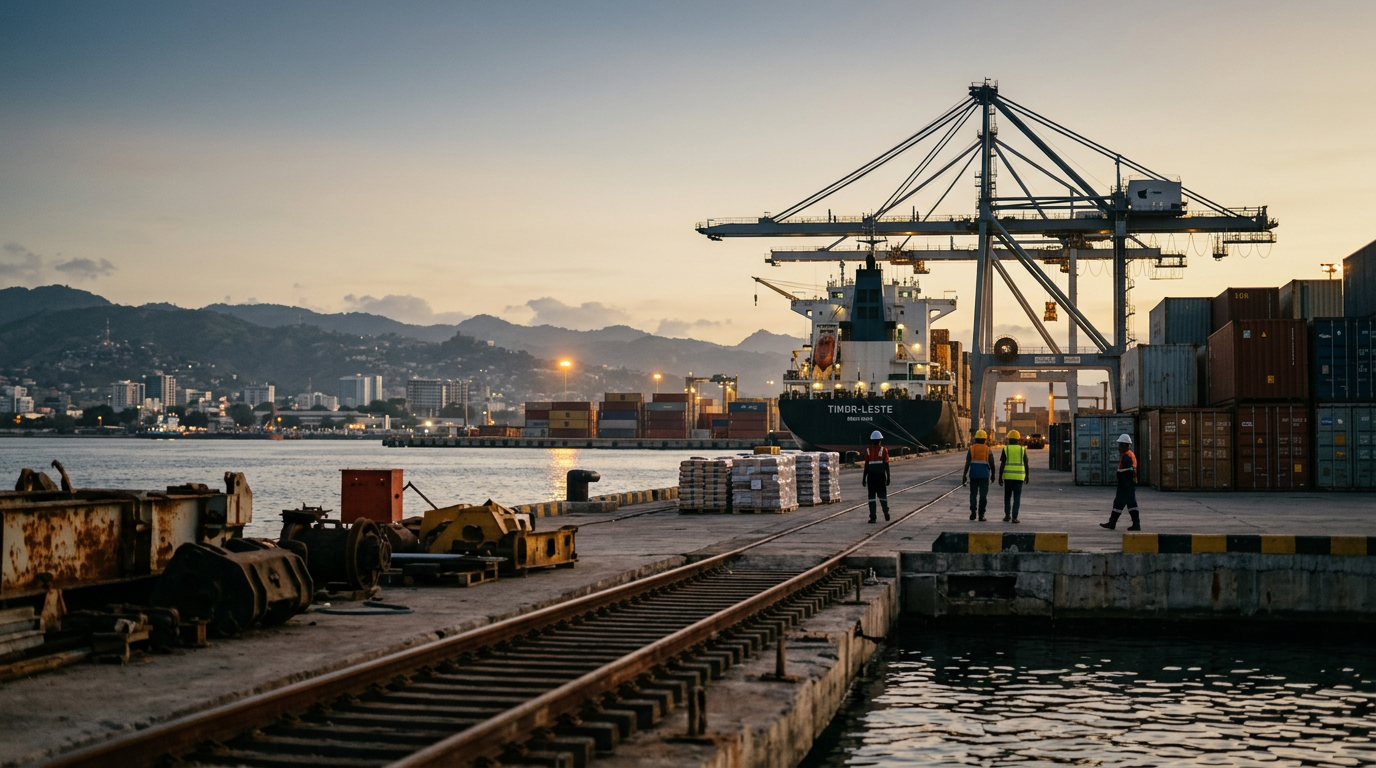
Timor-Leste's journey toward ASEAN membership is fundamentally a process of institutional alignment. Adopting the bloc's extensive framework of treaties, standards, and norms is a formidable undertaking for a young nation. It requires building a professional bureaucracy capable of participating in thousands of annual meetings and implementing a wide array of economic and legal commitments. Simultaneously, the country must address significant infrastructure deficits to connect its economy to the region. The development of ports, roads, and digital connectivity is not just a domestic priority but a prerequisite for meaningful participation in the ASEAN Economic Community. Securing the capital for these projects will require navigating a competitive landscape of international finance, where development banks, private investors, and state-backed initiatives all vie for influence.
Managing Dependency
As Timor-Leste integrates, it will inevitably grapple with the same economic realities that other member states face, particularly the deep, structural trade relationship with China. As the book ASEAN Rising notes, the central issue for governments is "how to manage dependency without losing optionality." For Timor-Leste, the need for investment and trade is acute. China stands as a ready source of capital for infrastructure and a vast market for its future exports. However, this engagement comes with implicit strategic costs. The experiences of other ASEAN members show that an over-reliance on a single partner can narrow a country's foreign policy choices and create economic vulnerabilities. For Dili, the challenge will be to attract Chinese investment in a way that builds national capacity and serves long-term development goals, rather than simply extracting resources or creating unsustainable debt.
The Talent Dimension
Successful integration into ASEAN and the effective management of foreign investment depend heavily on domestic talent. Timor-Leste must cultivate a skilled workforce and a cadre of diplomats, trade negotiators, and economic planners who can advance the country's interests within ASEAN and in negotiations with global partners. This involves investing in education, from vocational training to university programs, to equip its young population with the skills needed for a modern economy. Building this human capital is the most fundamental, long-term investment in the country's future. It is the bedrock upon which institutional capacity is built and strategic autonomy is secured. Without a competent domestic talent base, Timor-Leste will find it difficult to absorb capital productively and manage the intricate demands of ASEAN membership.
What to watch
As Timor-Leste moves closer to full membership, the key indicators of its progress will be the pace of its institutional reforms and its strategy for financing infrastructure development. Observers should monitor the sources of capital it attracts for major projects and the terms of those agreements. The government's ability to balance the urgent need for economic growth with the long-term imperative of maintaining strategic flexibility will define its early years within the ASEAN framework.