Timor-Leste
Timor-Leste's ASEAN Path: A Matter of Institutional Readiness
A recent meeting between ASEAN and Timorese officials highlights that the path to membership is paved not with pronouncements, but with the steady construction of state capacity and institutional trust.

Recent discussions between ASEAN and Timorese officials focused on enhancing cooperation, as reported by ASEAN.org. The meeting between ASEAN's Deputy Secretary-General for the Political-Security Community, Dato' Astanah Abdul Aziz, and Timor-Leste's Chief of Staff to the Minister of Defence, Ana Carla Carrascalão, is a small but indicative step in the country's long journey toward full membership in the regional bloc. While such diplomatic engagements are necessary, they also draw attention to the deeper, more structural aspects of accession: the development of robust state capacity and dependable institutions. The process for joining ASEAN is a methodical one, designed to ensure that a new member can fully integrate into and contribute to the community's three pillars.
The Accession Roadmap
Timor-Leste was granted observer status in 2022, and with it, an objective criteria-based roadmap for full membership was adopted. This is not a political pathway alone; it is a technical and administrative marathon. The country must demonstrate its ability to adhere to the thousands of agreements, standards, and procedures that form the foundation of the ASEAN Community. This involves aligning its domestic laws, regulations, and operational capabilities with those of the existing member states.
The task spans the entire spectrum of governance. On the economic front, it means preparing for the ASEAN Free Trade Area (AFTA), which requires sophisticated customs systems and the capacity to manage rules of origin. In the socio-cultural sphere, it involves aligning educational standards and developing frameworks for the mobility of skilled labor. For the political-security community, the focus of the recent meeting, it means contributing to regional stability through established processes and norms. This is less about grand strategy and more about the granular work of building a government that functions reliably and predictably within a larger, rules-based system.
State Capacity as Advantage
For a prospective ASEAN member, the appearance of dynamism is less important than the evidence of functional competence. As the book ASEAN Rising notes, a state apparatus that is usable and predictable offers a distinct form of comparative advantage in a world where supply chains and investment depend on stability. The ability to execute on plans and commitments is the most valuable signal a government can send to its partners, both public and private. Grand announcements of new projects or policies can generate temporary excitement, but their value is contingent on effective implementation.
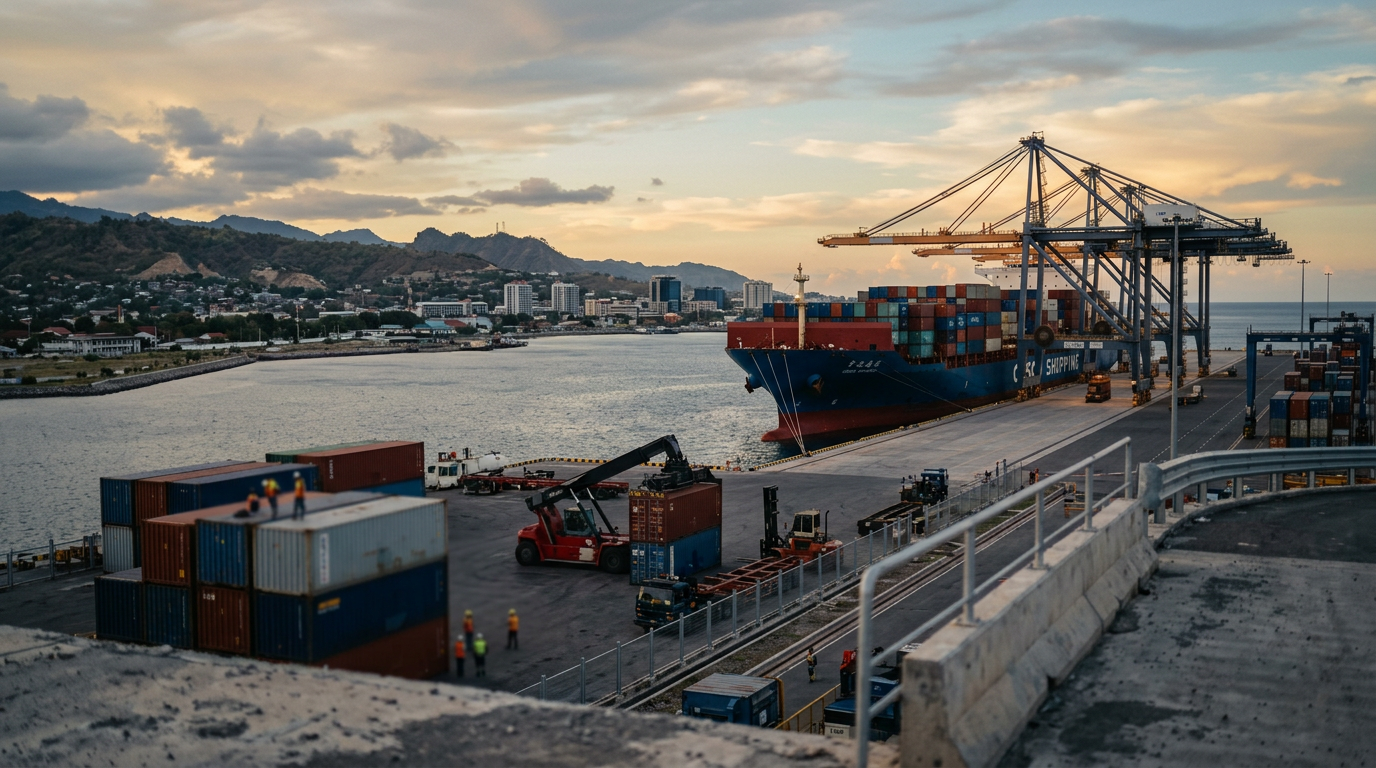
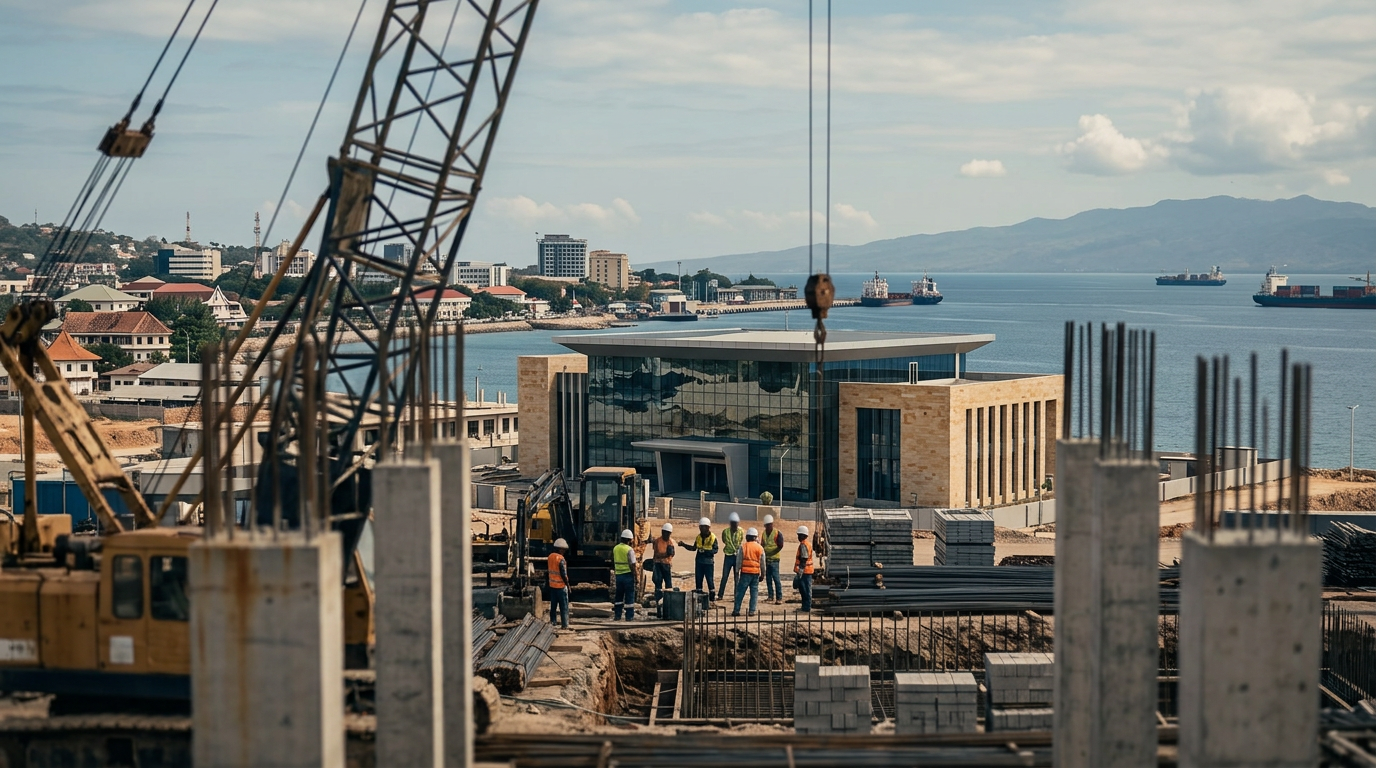
This is particularly true for infrastructure, a sector where a country's institutional quality is made visible. Projects that are completed on budget and on schedule do more than just provide a physical asset; they build trust with capital markets and development partners. The book argues that "infrastructure that arrives on time signals more than infrastructure that is merely announced." This principle extends across all government functions. A reliable legal system, a transparent bidding process for public contracts, and a skilled civil service are the building blocks of a state that can attract and productively absorb investment.
From Dialogue to Execution
The dialogue between the ASEAN secretariat and Timor-Leste's defense ministry is part of the long process of building this institutional trust. These meetings allow for knowledge sharing and technical assistance, helping to identify gaps in capacity and directing resources to address them. The ultimate goal is to ensure that when Timor-Leste does become the eleventh member of ASEAN, its integration is smooth and it can participate as a constructive partner from day one.
This requires a sustained investment in talent. A modern state needs a corps of civil servants, diplomats, lawyers, and technical experts who can navigate the complexities of regional integration. Building this human capital is a generational project. It is the necessary foundation for turning political will into administrative reality. The ongoing cooperation provides a framework for this development, but the primary responsibility for execution rests with Dili.
What to watch
Instead of focusing on timelines for accession or high-level declarations, observers should track the tangible outputs of capacity-building programs. Progress will be best measured by milestones like the modernization of Timor-Leste's customs and quarantine procedures, the adoption of specific ASEAN technical standards into its national law, and the results of joint training exercises. These are the less visible but more meaningful indicators of the country's steady progress toward taking its seat at the ASEAN table.