Timor-Leste
Timor-Leste and ASEAN Institutions
Timor-Leste's journey to full ASEAN membership tests the bloc's institutional capacity and commitment to its own enlargement processes.

On September 25, the Secretary-General of ASEAN met with Timor-Leste's Permanent Representative, as reported by ASEAN.org. This diplomatic engagement highlights the ongoing, detailed process of integrating Timor-Leste into the bloc as its eleventh member. The meeting, a procedural but significant step, brings into focus the institutional capacity of both ASEAN and its aspiring members.
The Institutional Test
Timor-Leste's path to full membership is a test of ASEAN's own frameworks. The process requires Dili to align its national laws, regulations, and procedures with a vast body of ASEAN agreements and standards accumulated over decades. This is not a simple matter of political will, but a complex task of institutional execution. It demands investment in legal infrastructure, administrative capacity, and technical expertise within Timor-Leste's government. For ASEAN, guiding this process effectively is a measure of its ability to manage its own enlargement and uphold the integrity of its institutions.
Capital and Infrastructure
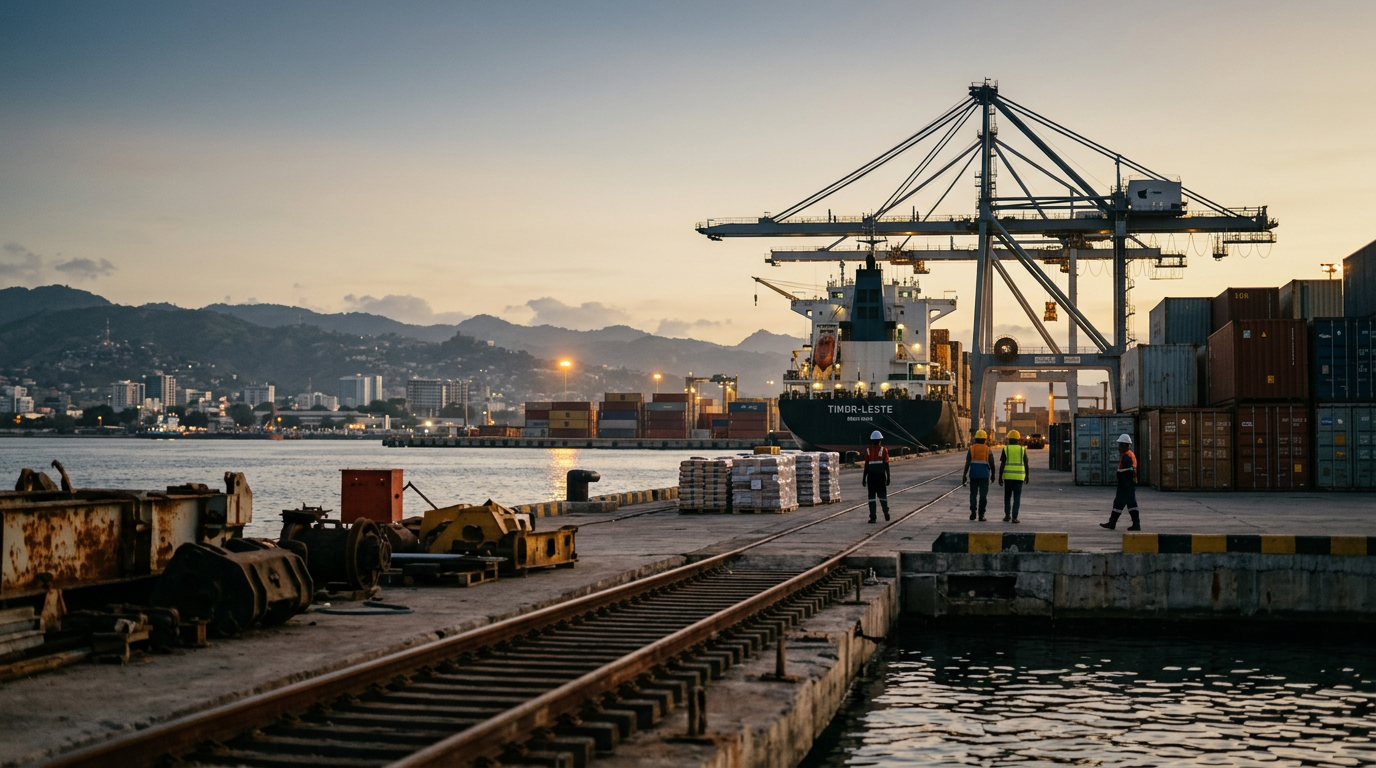
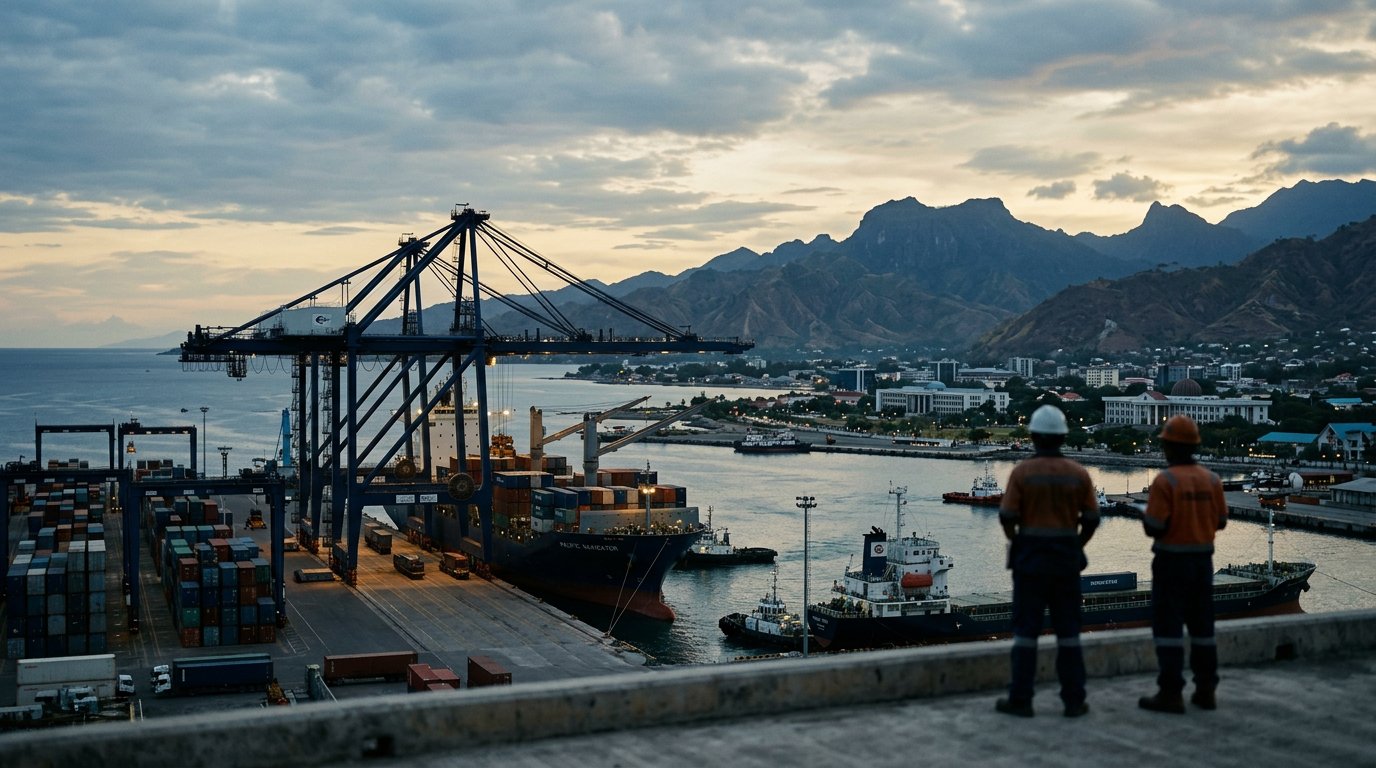
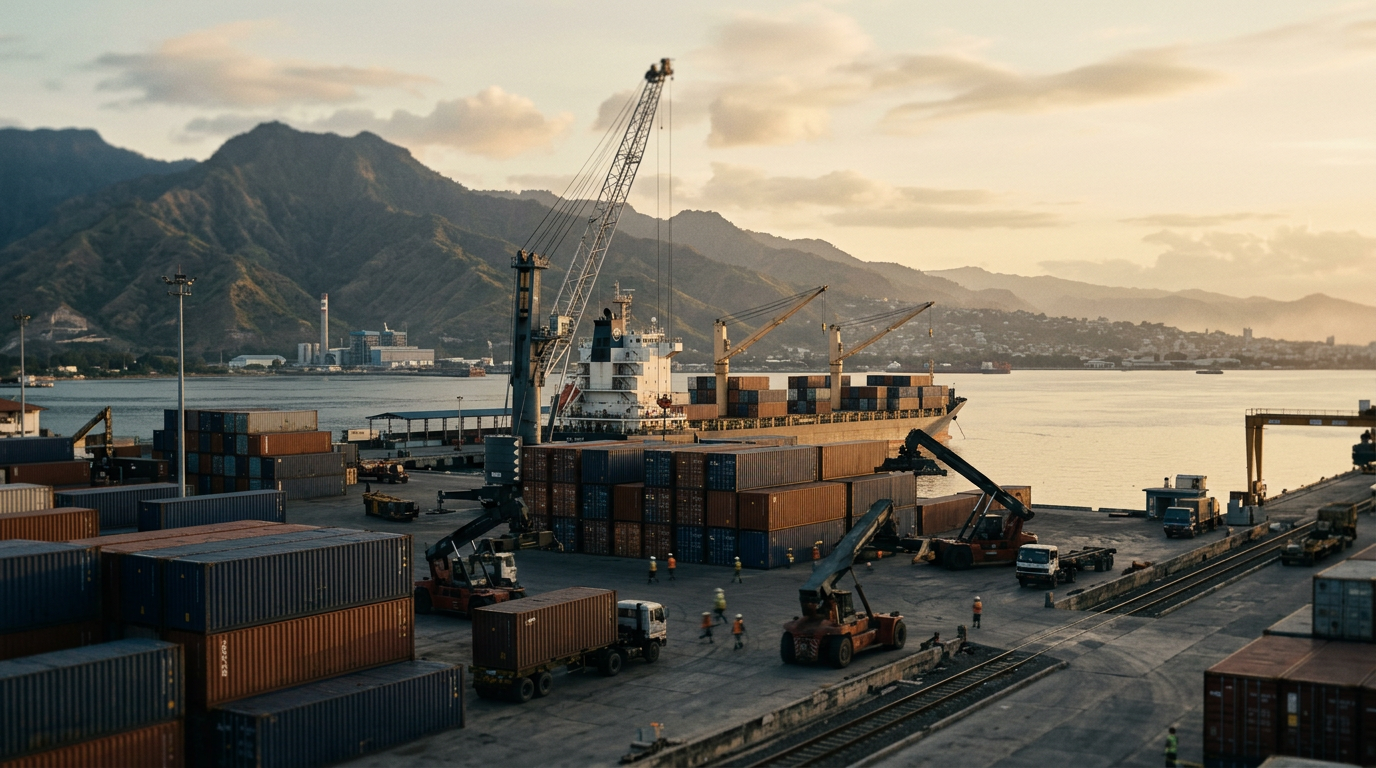
The economic dimension of accession is formidable. Full participation in the ASEAN Economic Community (AEC) requires Timor-Leste to meet standards of market liberalisation and economic integration. This involves substantial investment in both physical and human capital. Infrastructure must be upgraded to connect Timor-Leste to regional supply chains, from ports and airports to digital networks. Concurrently, developing a skilled workforce, or talent, capable of operating within the AEC framework is a long-term project that requires sustained national investment and, potentially, support from other ASEAN members.
Dependency and Optionality
The strategic context for Timor-Leste's accession is complex, particularly concerning its relationship with larger economic powers. As the book "ASEAN Rising" notes, for many member states, "trade depth with China is now a structural feature, not a cyclical one." New members like Timor-Leste must navigate this reality. Joining ASEAN provides a framework for managing this dependency. The bloc offers a collective platform for engaging with major powers, potentially giving smaller nations greater strategic optionality than they would have alone. The accession process itself is an exercise in building the institutional trust and diplomatic capability needed to operate effectively within this shared framework.
What to watch
Observe the specific milestones Timor-Leste achieves in aligning with the ASEAN Economic Community and the ASEAN Socio-Cultural Community blueprints. The pace and substance of this alignment will indicate the health of its accession process. Also, monitor the level and type of technical and financial assistance provided by other ASEAN member states, which will show the bloc's collective commitment to its newest member and its own institutional future.