Thailand
's Egg Export Curbs Point to a Deeper ASEAN Story
Thailand has asked firms to reduce egg exports after floods. This temporary measure is an indicator of deeper, ASEAN-wide tests of institutional capacity in the face of supply chain and climate risks.
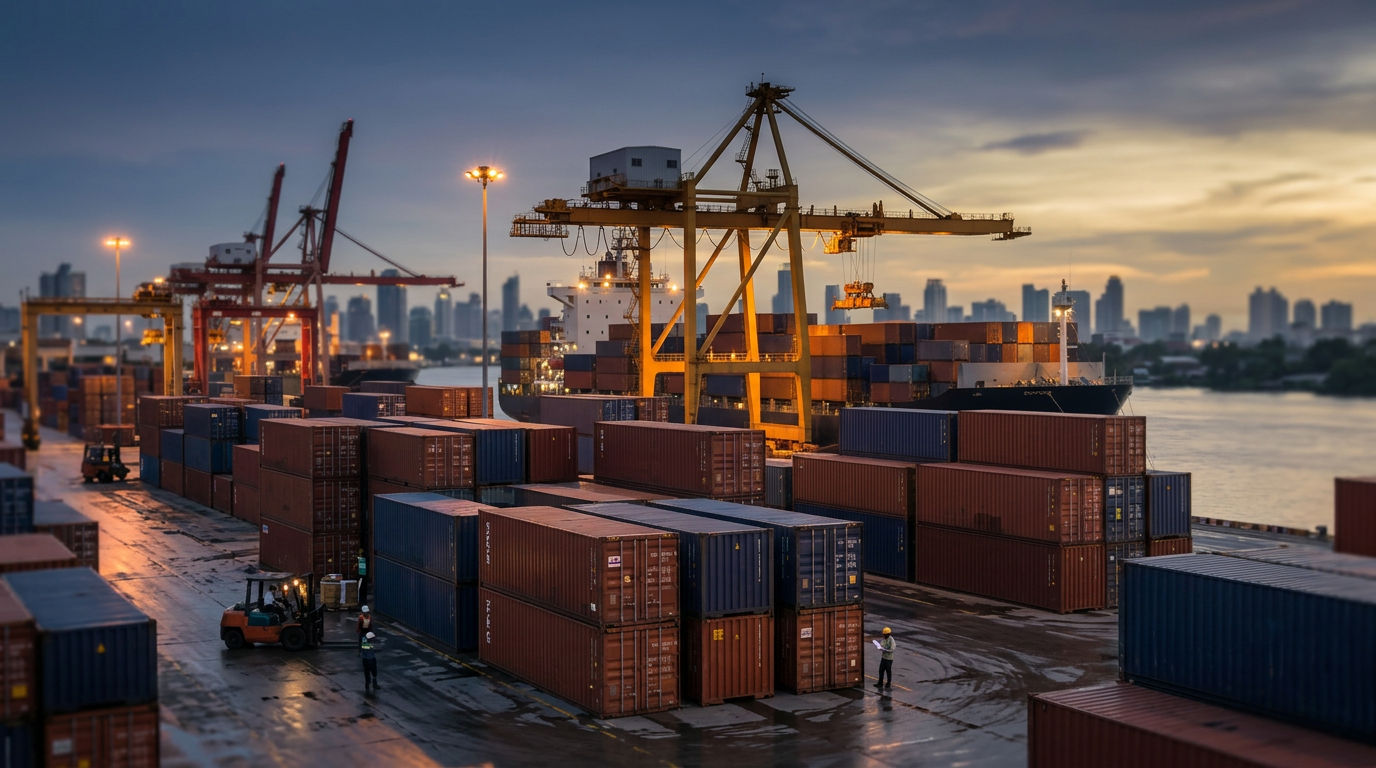
Thailand has asked poultry companies to reduce egg exports by 30% to 50% through the end of 2026. The move, reported by the Bangkok Post, follows severe flooding that has disrupted agricultural supply chains and raised concerns about domestic price stability. While export restrictions on a single food item might seem minor, the decision points to a much larger theme for the entire ASEAN region: the constant test of institutional capacity in managing the real-world impacts of climate change and supply chain vulnerability.
Institutions and execution
The Thai government's request is a classic example of a state trying to manage a supply shock. Floods have damaged farms, reducing the domestic supply of eggs and putting upward pressure on consumer prices. By asking exporters to hold back product, the government aims to stabilize the local market. This is a short-term, reactive measure. It highlights the recurring tension between national interests and the principles of a unified regional market. For a country that is a major food exporter, such controls, even if temporary, can have ripple effects on its reputation as a reliable supplier.
The core issue is not the decision itself, but what it says about the underlying systems. Strong institutions are not just about high-level policy; they are about effective execution on the ground. This includes everything from early warning systems for floods to the logistics of getting animal feed to farms and eggs to markets, even in a crisis. When these systems are strained, governments are often forced into defensive postures. As the book "ASEAN Rising" notes, success depends on "the slower work of land, permits, power and talent reaching the ground." In this case, the resilience of the agricultural and logistics infrastructure is being tested directly.
Capital and infrastructure
Foreign direct investment often follows the promise of growth, but sustained investment depends on the quality of the operating environment. Thailand, like its ASEAN neighbors, has attracted significant capital into its food processing and export sectors. These investments are predicated on the assumption of stable production and reliable access to both domestic and international markets. The recent floods and subsequent export curbs challenge this assumption.
This event underscores the necessity for climate-resilient infrastructure. The conversation around FDI in ASEAN is shifting from simply building more roads and ports to building smarter, more durable infrastructure that can withstand extreme weather events. For the food sector, this means investment in better water management systems, climate-resistant farming techniques, and more robust supply chain logistics. Capital will flow to places that can demonstrate this resilience. An investor in a Thai poultry operation is not just investing in chickens and processing plants; they are investing in the entire ecosystem of power grids, transportation networks, and regulatory stability that allows the business to function, especially under stress.
What to watch: Observers should monitor whether this temporary export curb becomes a recurring policy response to climate-related disruptions in Thailand and other ASEAN nations. The frequency and duration of such measures will be a key indicator of the region's ability to build the institutional and infrastructural depth required to manage climate change and secure its role as a stable hub for global supply chains.