Thailand
: The Limits of Agricultural Scale
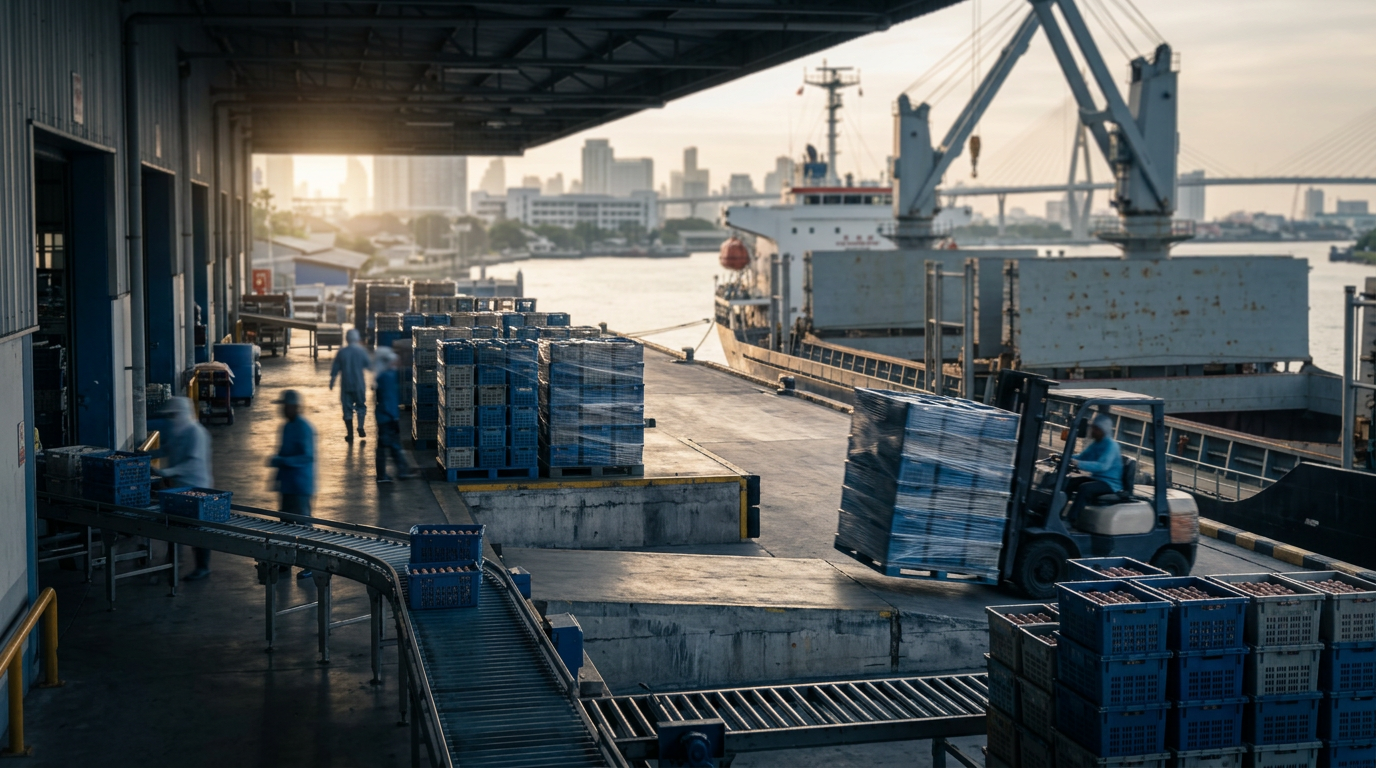
Thailand's recent egg export restrictions highlight a perennial challenge in Southeast Asia: turning agricultural scale into resilient, high-value production.
Thailand has asked egg producers to reduce their exports by 30-50% until December 2026. This measure, reported by the Bangkok Post, is a direct response to domestic supply shortages and price increases following severe floods that have impacted poultry farms. The move aims to stabilise the local market but also puts a spotlight on the vulnerabilities of the country's agricultural infrastructure.
Scale and Resilience
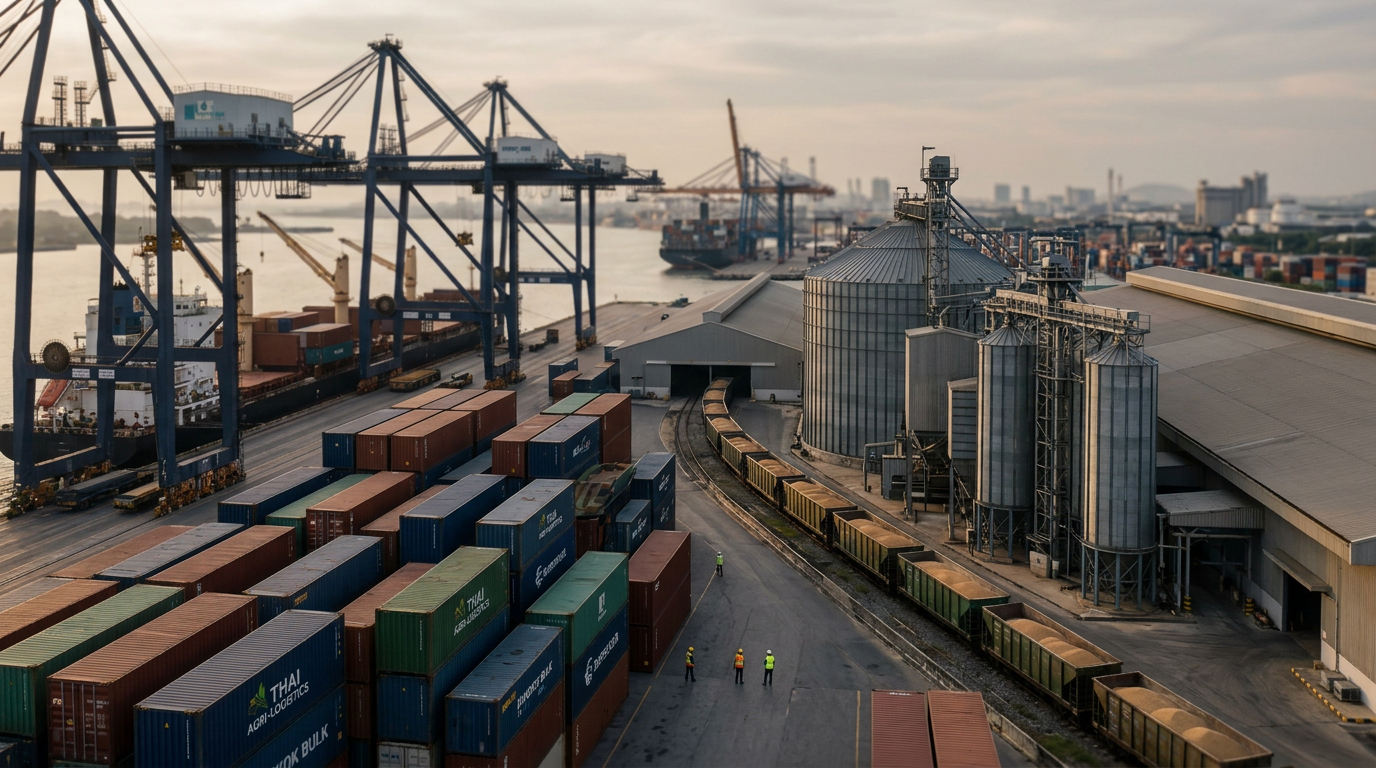
Thailand is a major food producer in Southeast Asia, and its agricultural sector is a significant contributor to the national economy. The kingdom has achieved considerable scale in poultry and other sectors. However, the recent floods and subsequent export controls show how this scale can be fragile. Extreme weather events, which are becoming more frequent and intense due to climate change, pose a recurring threat to agricultural output. The reliance on concentrated farming areas makes the supply chain susceptible to localized disasters.
Effective infrastructure is not just about production capacity but also about resilience. This includes flood management systems, logistics networks that can adapt to disruptions, and power grids that can withstand extreme weather. The current situation in Thailand suggests that while production has scaled, the supporting infrastructure for risk mitigation has not kept pace. This creates a bottleneck, forcing authorities to resort to market controls like export restrictions to manage domestic supply.
Institutions and Investment
This situation illustrates a broader theme discussed in ASEAN Rising: the gap between stated ambition and on-the-ground execution. While the book focuses on Indonesia, the principle that "scale matters only when institutions can turn it into investable depth" applies equally to Thailand's agricultural sector. Foreign direct investment often follows headlines about a country's production capacity, but its long-term success depends on the less glamorous work of building resilient systems.
For Thailand's food sector to attract and retain high-quality investment, it must demonstrate institutional strength. This means robust frameworks for land use that account for flood risk, streamlined permitting for building more resilient farms and processing facilities, and a reliable power supply. The recent export restrictions, while a necessary short-term fix, can deter investors who rely on predictable cross-border trade. It sends a signal that domestic politics can override commercial commitments, introducing a level of risk that may make investors hesitate.
What to watch: The Thai government's response beyond these immediate export controls will be telling. Observers should monitor whether this event prompts a more serious, long-term investment in climate-resilient infrastructure for the agricultural sector. This would include not just physical barriers against floods but also institutional reforms that improve land management, water security, and the overall stability of the food supply chain, making it more attractive for sustained foreign and domestic capital.