Thailand
's Egg Export Curbs Test Economic Resilience
Bangkok's move to restrict egg exports highlights the tension between domestic needs and regional supply chain commitments, a core theme of economic management across ASEAN.
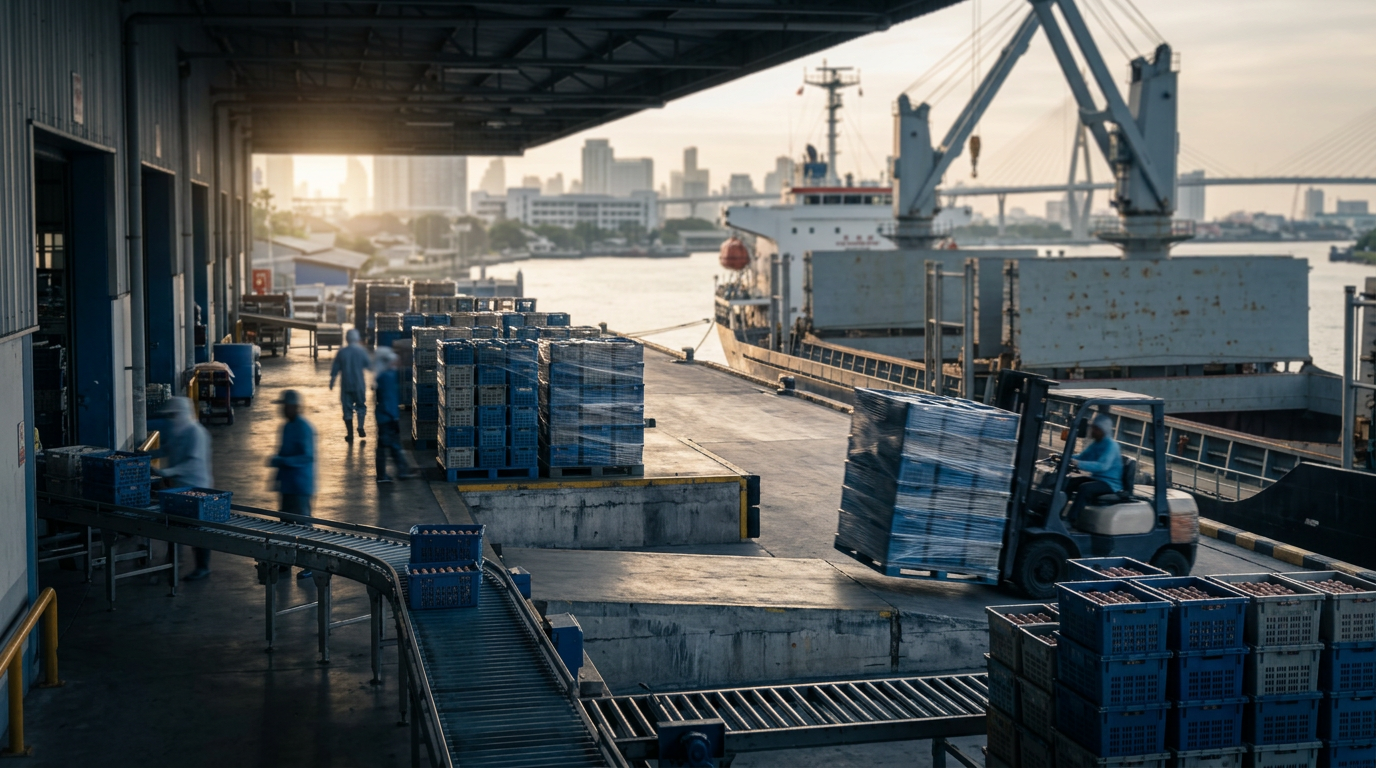
Thailand's recent request for companies to cut egg exports by 30% to 50% shines a light on the delicate balance between national food security and regional trade obligations. As reported by the Bangkok Post, the measure, intended to last until December 2026, is a direct response to domestic supply disruptions caused by severe flooding. While aimed at stabilizing local prices and ensuring availability for Thai consumers, the move sends ripples across a region grappling with supply chain resilience.
Institutions and Market Intervention
Governments across Southeast Asia often face the difficult choice between allowing market forces to operate freely and intervening to protect their populations from price shocks. Bangkok's decision is a classic example of this dilemma. The floods compromised domestic production, creating a supply gap. In response, the government opted for export controls, a direct intervention to manage the domestic market. This action underscores how national institutions prioritize immediate local needs, sometimes at the expense of external trade relationships. It tests the robustness of both domestic regulatory frameworks and regional trade agreements that presume a steady flow of goods.
From Investment Pledges to Production Realities
The situation in Thailand also serves as a practical reminder of the gap between investment and on-the-ground reality. As the book "ASEAN Rising" notes, for any sector to thrive, it requires more than just capital. The core challenge is often execution: ensuring that infrastructure, from flood control to reliable power, is in place to protect production. The current crisis illustrates that "realised flows depend on the slower work of land, permits, power and talent reaching the ground." Foreign direct investment in Thailand's agri-food sector is significant, but its effectiveness is blunted when natural disasters can so easily wipe out productive capacity. This event highlights the necessity for investment in climate-resilient infrastructure as a foundational element for economic stability.
Supply Chains and Regional Trust
For a nation integrated into regional supply chains, unilateral actions can strain relationships. Countries that rely on Thai egg exports must now find alternative sources, potentially at higher prices. Such disruptions erode trust in the stability of regional supply agreements. While Thailand's policy is a temporary measure to address an acute crisis, it demonstrates the fragility of interconnected economies when faced with climate-related shocks. Building a more resilient ASEAN economic community requires not just trade agreements but also coordinated strategies for disaster management and shared food security, ensuring that one nation's crisis does not automatically become a region-wide disruption.
What to watch: Observers should monitor whether Thailand's export restrictions are lifted before the December 2026 target if supply stabilizes sooner. It will also be instructive to see if neighboring countries, as importers, develop new sourcing strategies or invest in their own domestic production to mitigate future supply risks. The Thai government's next steps in reinforcing its agricultural infrastructure against future climate events will be a key indicator of its long-term strategy.