
ASEAN Analysis & Commentary
Every analysis published on ASEAN Rising is sourced, datestamped and signed. We're more interested in being right in 12 months than first in 12 minutes.
Foundation pieces
Start here. The three pieces below set out the lens ASEAN Rising uses to read every story.
ASEAN Rising's core lens. Execution Economics is the study of whether countries, companies and institutions can convert obvious potential into delivered outcomes - and which six pillars decide the answer.
The region has capital, demographics, location and policy ambition. None of that has ever been the binding constraint. The next decade is an execution test, not a potential test - and it is already being scored.
Malaysia is the test case for whether ASEAN's middle powers can turn FDI, semiconductors and data centres into compounding domestic capability. Read the live coverage and execution scorecard.
Analysis tagged #climate change
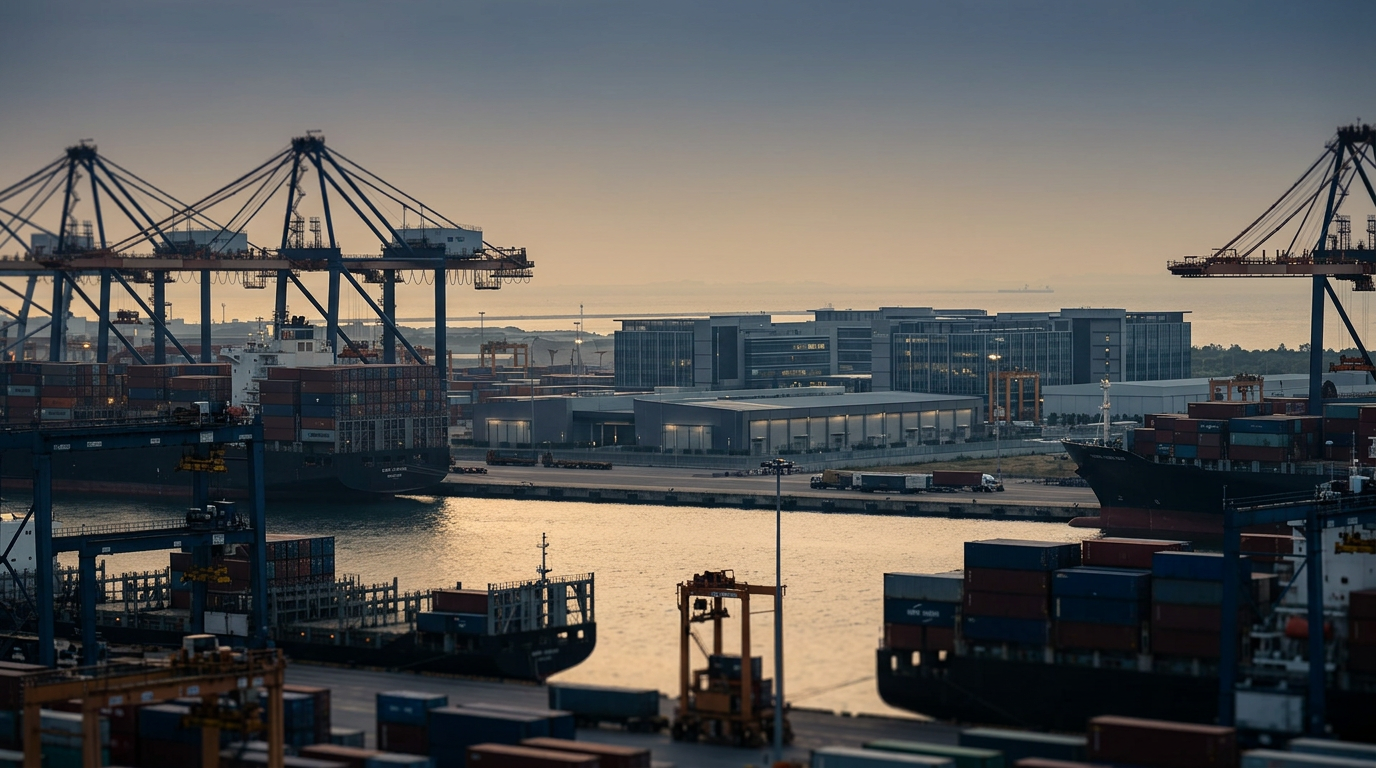
 Thailand
's FDI Challenge: From Food Security to High-Tech Supply Chains
Thailand's recent move to curb egg exports highlights a broader challenge for ASEAN nations: turning foreign direct investment announcements into resilient, on-the-ground reality.
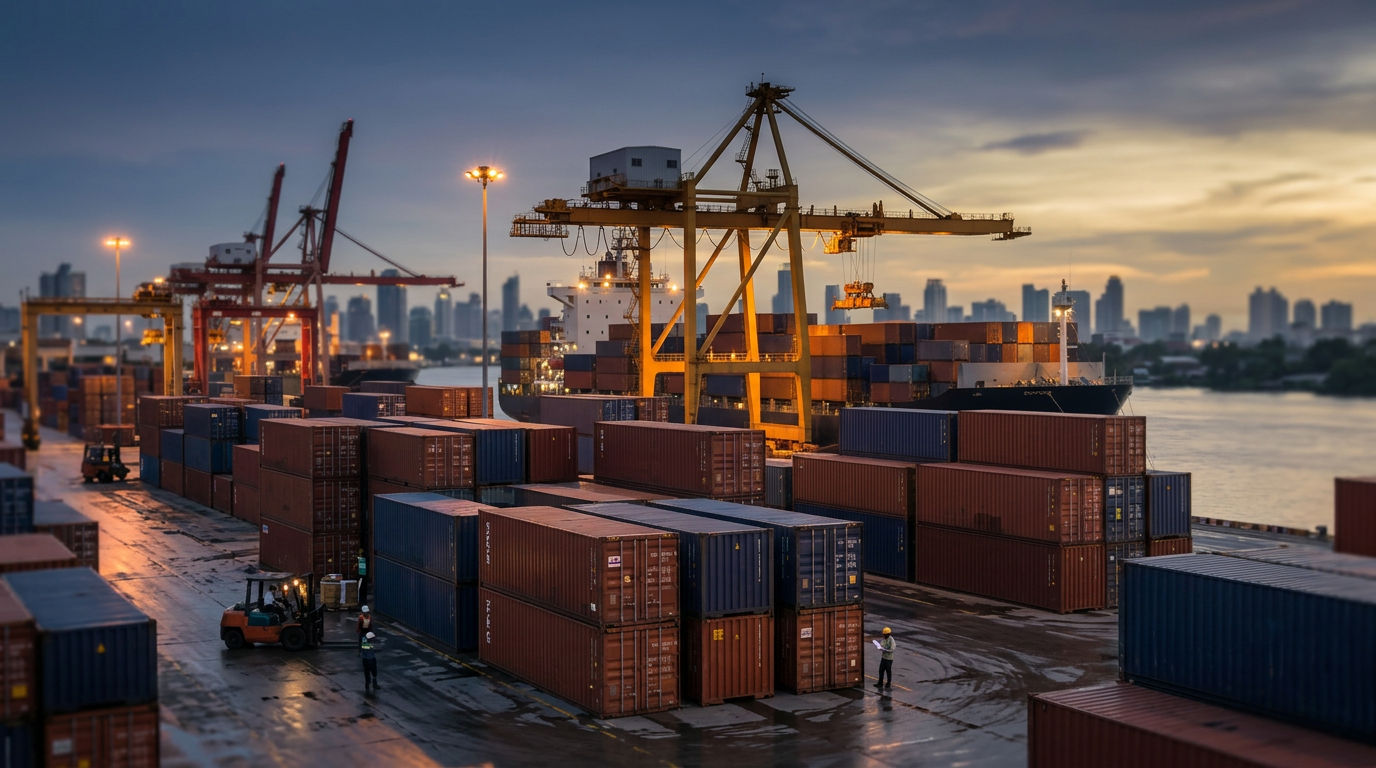 Thailand
's Egg Export Curbs Point to a Deeper ASEAN Story
Thailand has asked firms to reduce egg exports after floods. This temporary measure is an indicator of deeper, ASEAN-wide tests of institutional capacity in the face of supply chain and climate risks.
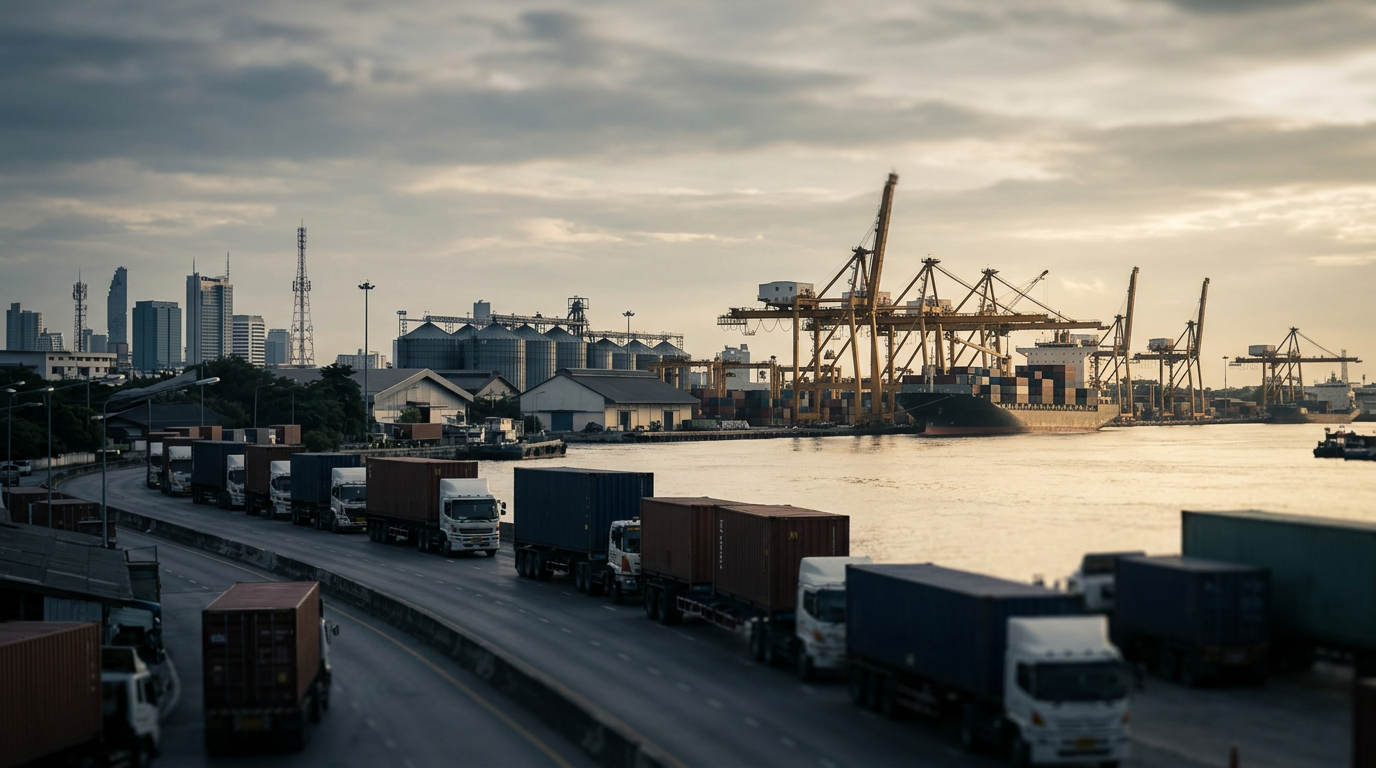 Thailand
's Food Security Stress Test
Extreme weather and export controls in Thailand are a reminder for all of Southeast Asia that domestic resilience depends on the slow work of building institutions, infrastructure, and trust.
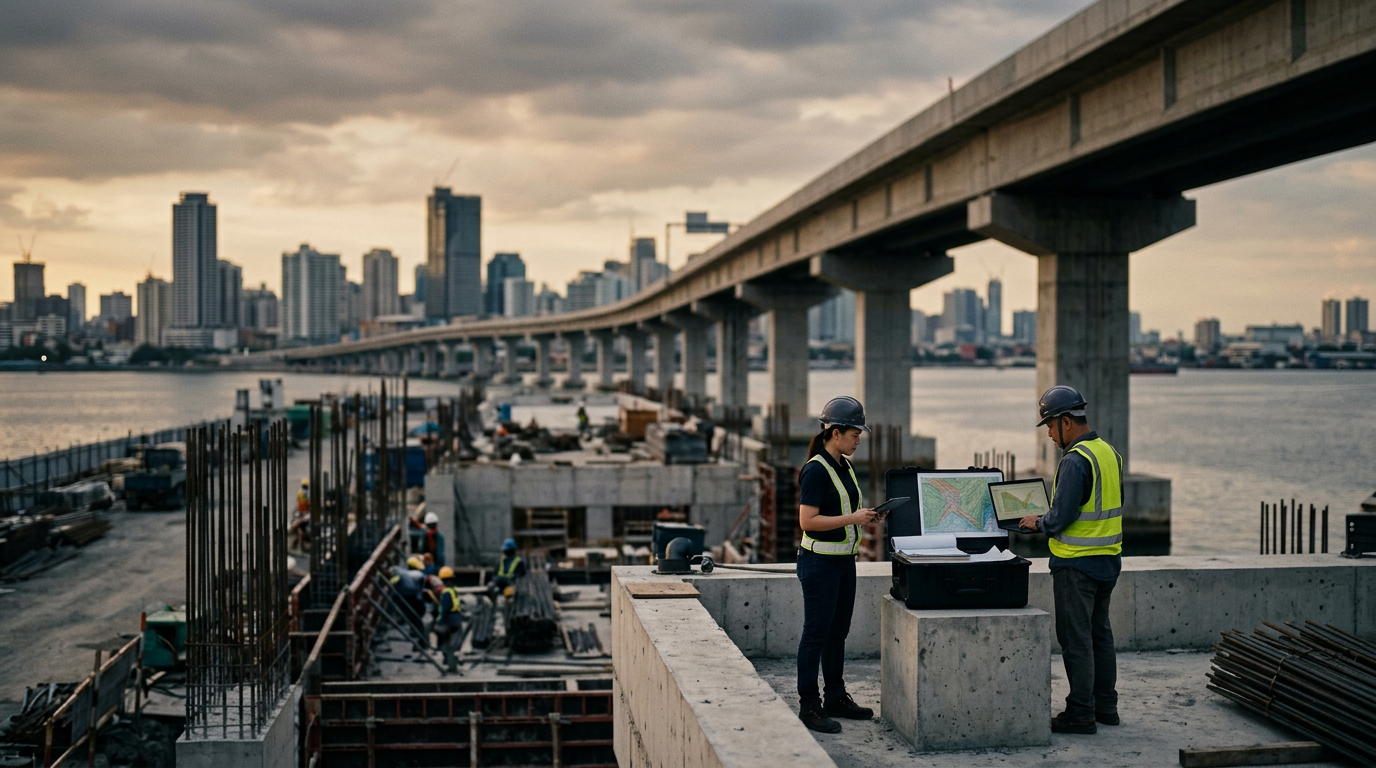
 Philippines
The Price of Predictability in Philippine Infrastructure
The recent P1 billion funding for the Philippines' Project NOAH is a signal of intent. But for climate adaptation infrastructure, arriving on time is more valuable than being announced.
 Myanmar
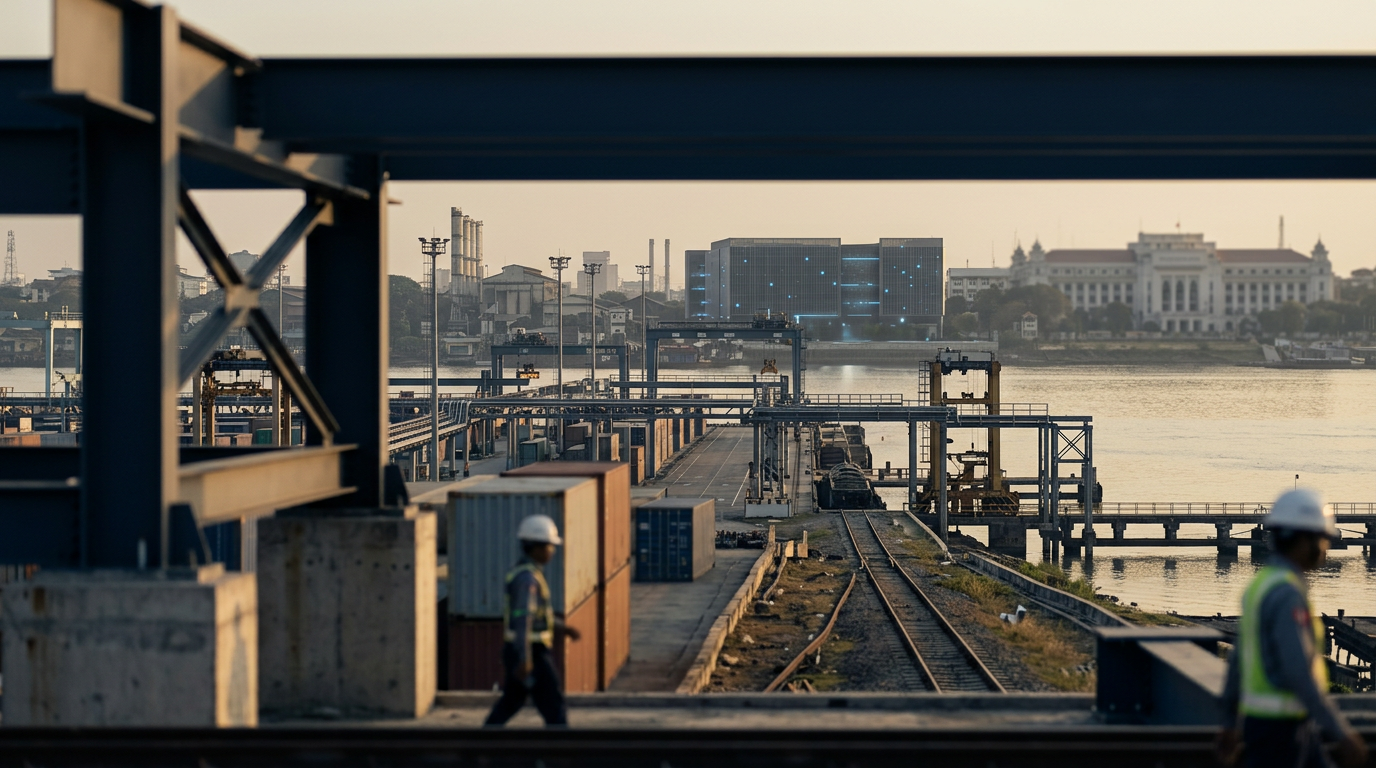
The Usable State: Why Boring is Better for ASEAN-Brazil Ties
A recent ASEAN-Brazil meeting on climate was a textbook case of institutional engagement. For it to translate into material outcomes, ASEAN states must focus on the machinery of government.
 Philippines
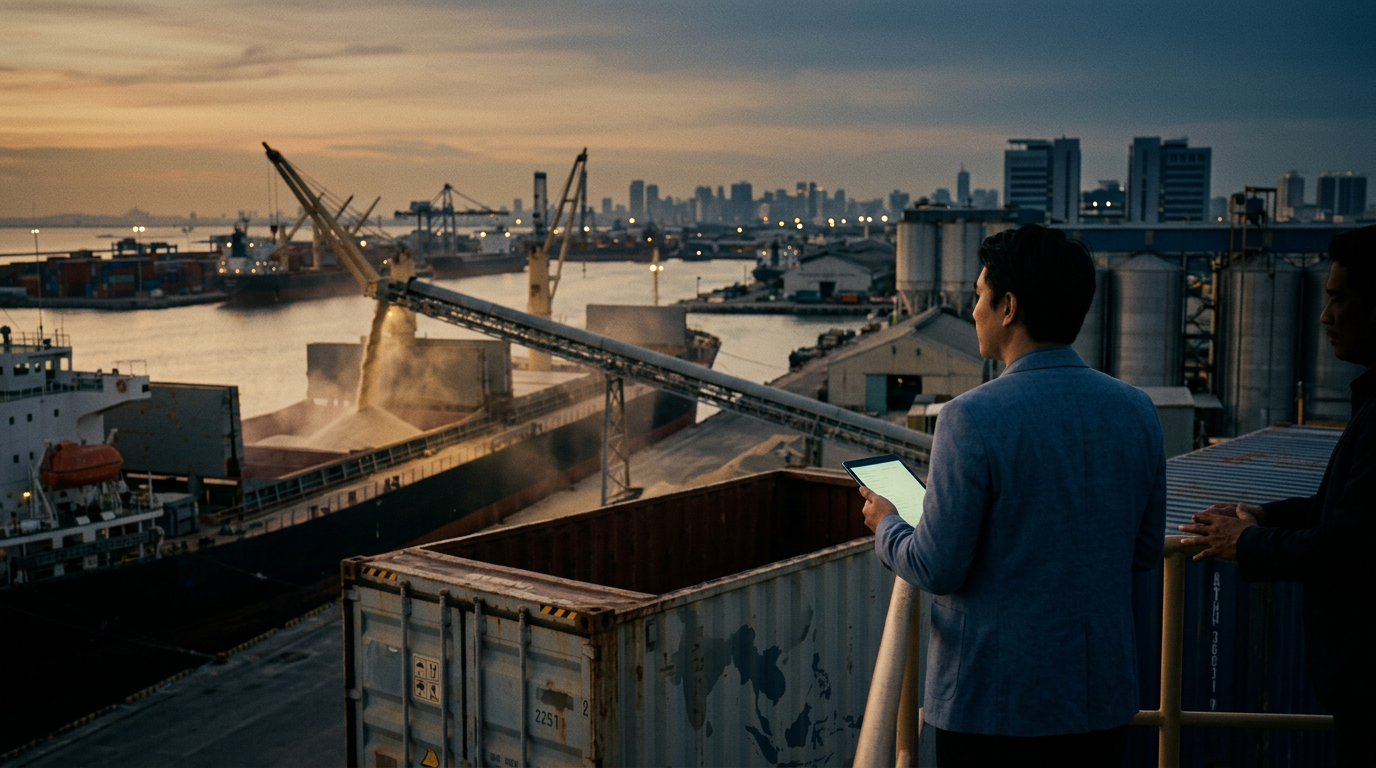
The Philippines Confronts El Niño with Open Trade
The Philippines has signaled its intent to keep rice imports flowing in anticipation of El Niño. This policy choice highlights the tension between institutional capacity and the real-world friction of climate and agricultural cycles.
 Indonesia
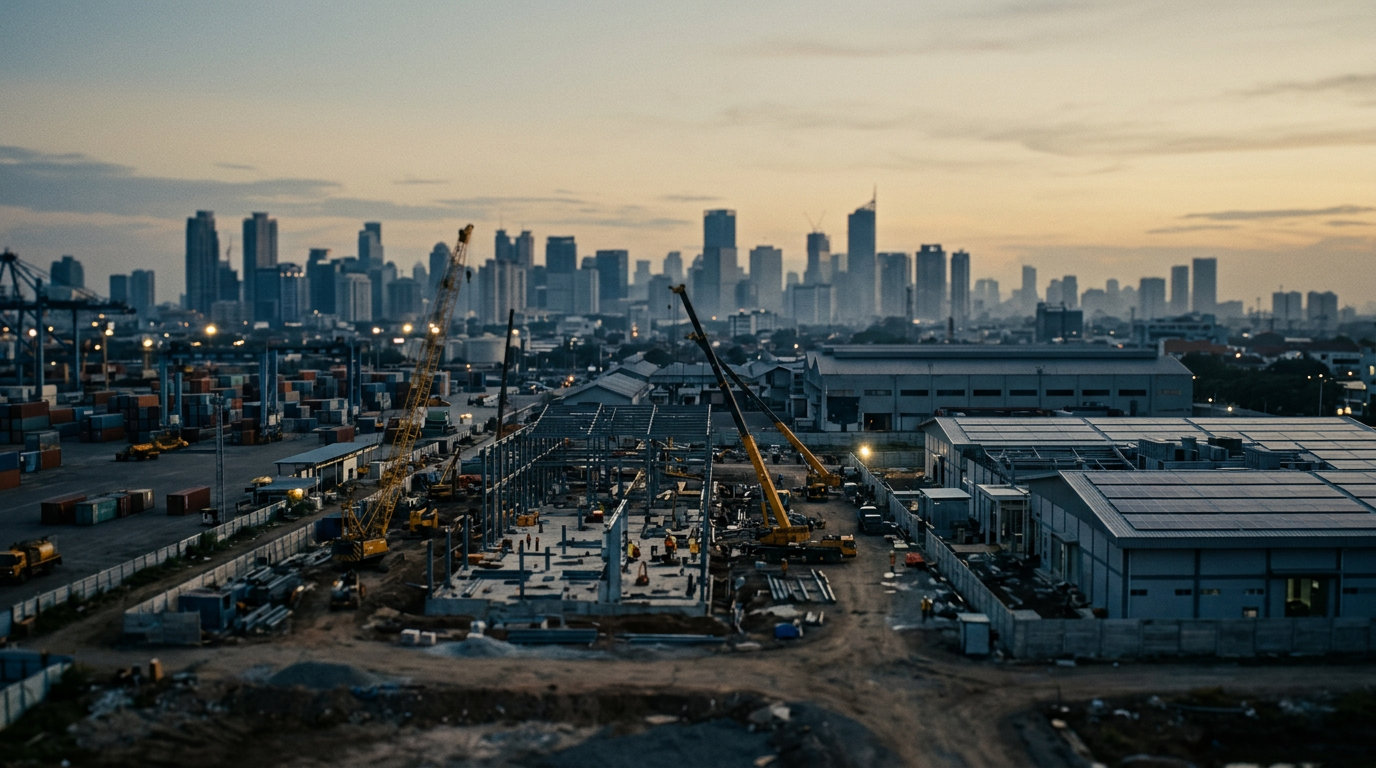
's Climate Ambition Meets the Execution Test
Indonesia's ambition to lead in climate diplomacy and attract green capital requires a sustained focus on the institutional capacity to turn investment pledges into realised projects on the ground.