
ASEAN Analysis & Commentary
Every analysis published on ASEAN Rising is sourced, datestamped and signed. We're more interested in being right in 12 months than first in 12 minutes.
Foundation pieces
Start here. The three pieces below set out the lens ASEAN Rising uses to read every story.
ASEAN Rising's core lens. Execution Economics is the study of whether countries, companies and institutions can convert obvious potential into delivered outcomes - and which six pillars decide the answer.
The region has capital, demographics, location and policy ambition. None of that has ever been the binding constraint. The next decade is an execution test, not a potential test - and it is already being scored.
Malaysia is the test case for whether ASEAN's middle powers can turn FDI, semiconductors and data centres into compounding domestic capability. Read the live coverage and execution scorecard.
Analysis tagged #water
 Philippines
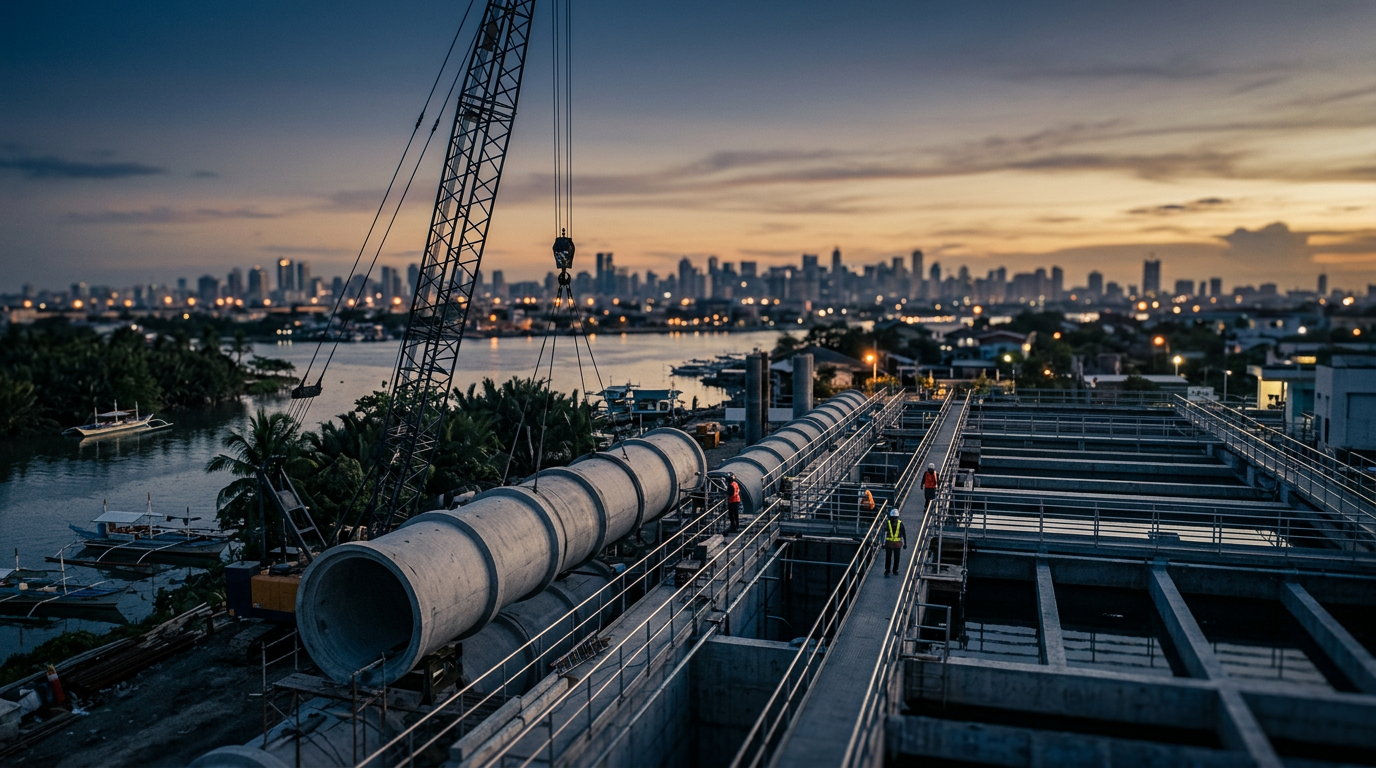
Philippine Water Projects Highlight the Value of Execution
A planned P1.8 billion share offer for water infrastructure in the Philippines shows how reliable state capacity and timely execution are becoming a key part of regional comparative advantage.
 Philippines
The Price of Water in the Philippines
A planned P1.8 billion share offer by Tubig Pilipinas highlights the slow, capital-intensive work of building basic infrastructure. For the Philippines, the capacity to execute matters more than ambitious announcements.
 Philippines
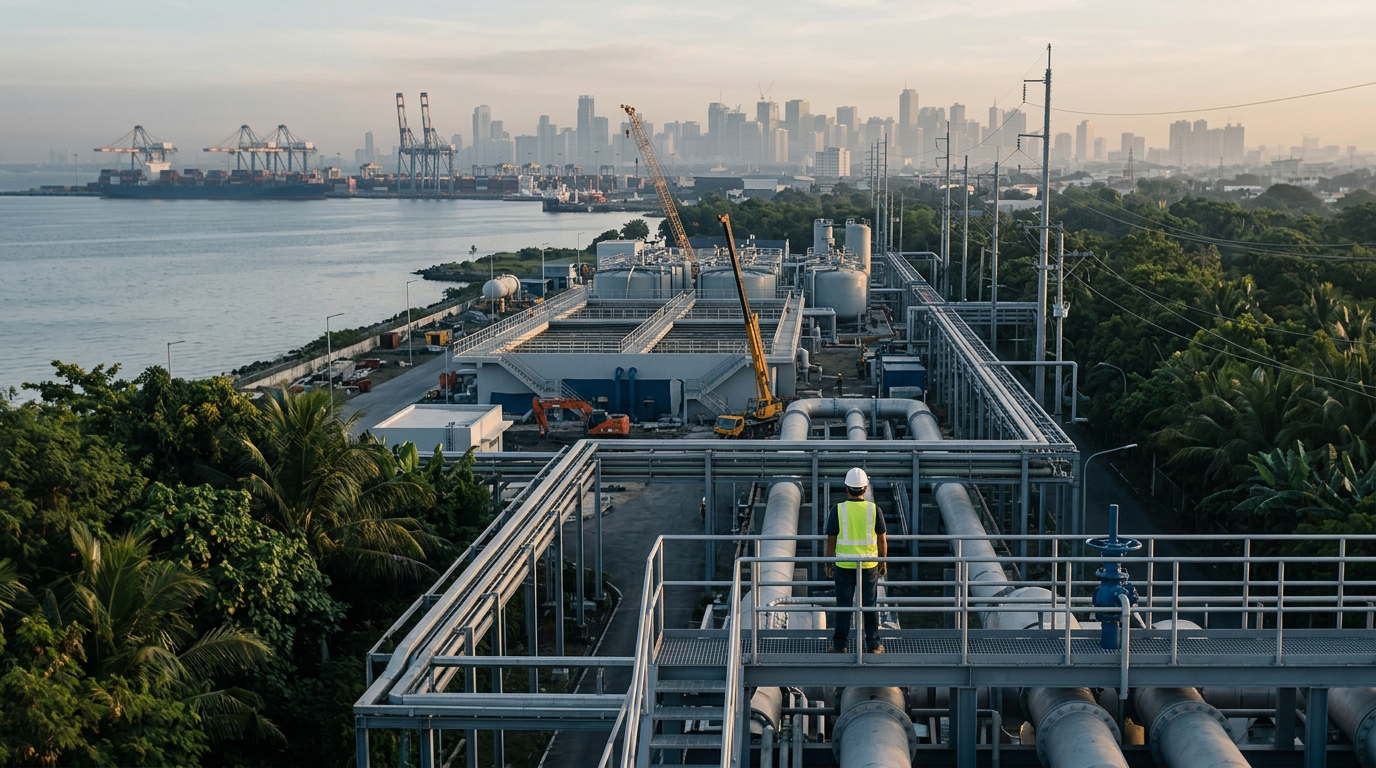
The Price of Water in the Philippines
A planned P1.8 billion share offer by a Philippine water company shows how private capital is filling the country's infrastructure gap, and the risks that come with it.
 Philippines
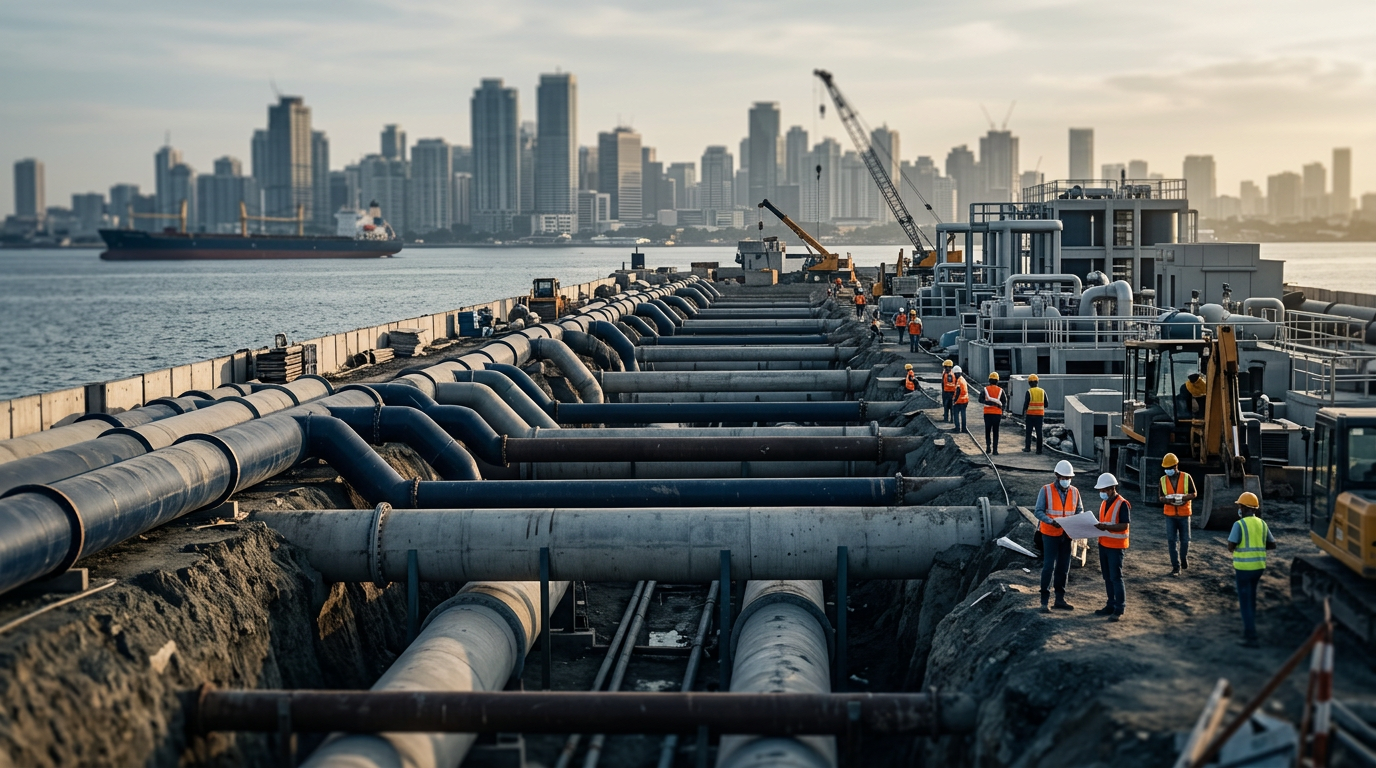
The Philippines Confronts its Water Infrastructure Deficit
A planned P1.8 billion share offer by a Philippine water utility highlights the nation's urgent need to match infrastructure announcements with execution. The gap between stated goals and on-the-ground reality tests state capacity and investor confidence.
 Philippines
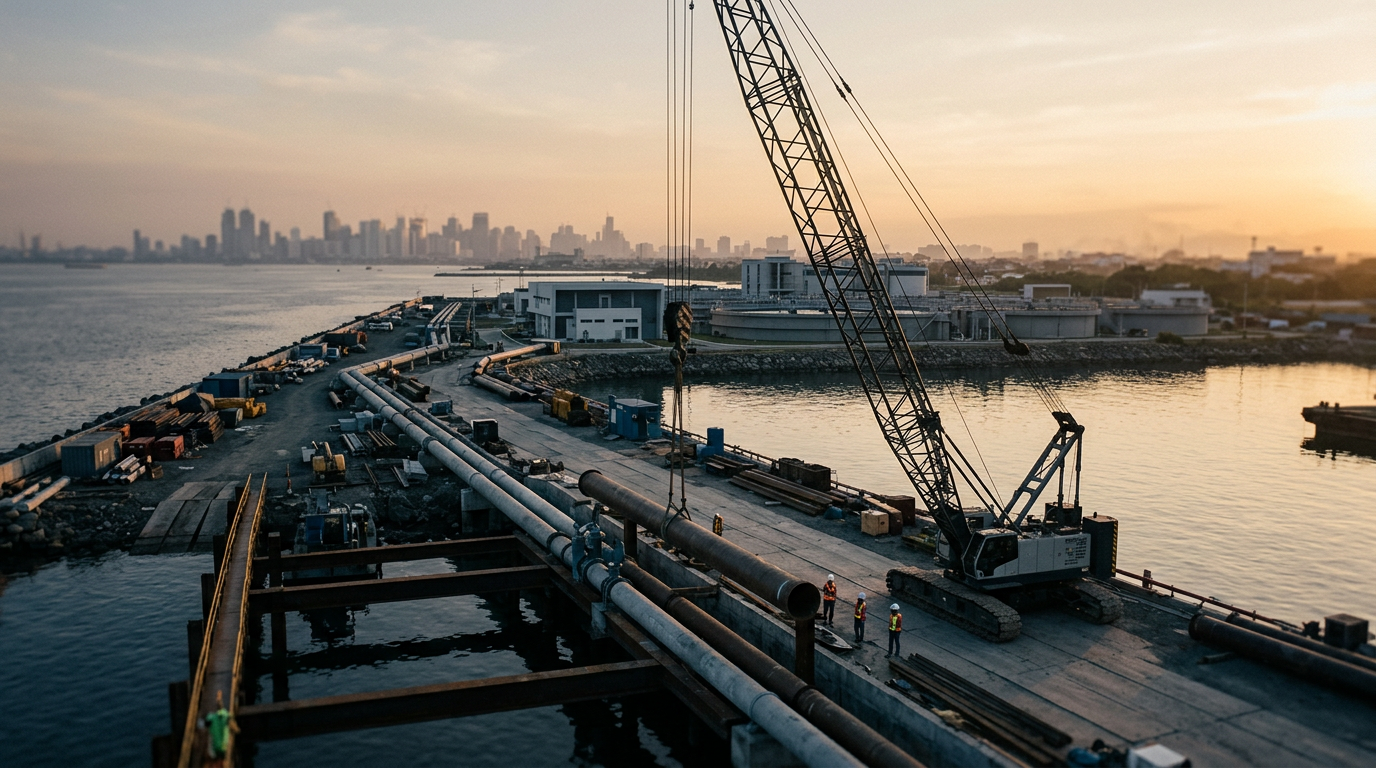
 Water Infrastructure and the Value of a Usable State
A planned P1.8 billion share offer by a Philippine water company highlights the capital-intensive nature of infrastructure development and the value of reliable execution over mere announcements.
 Philippines
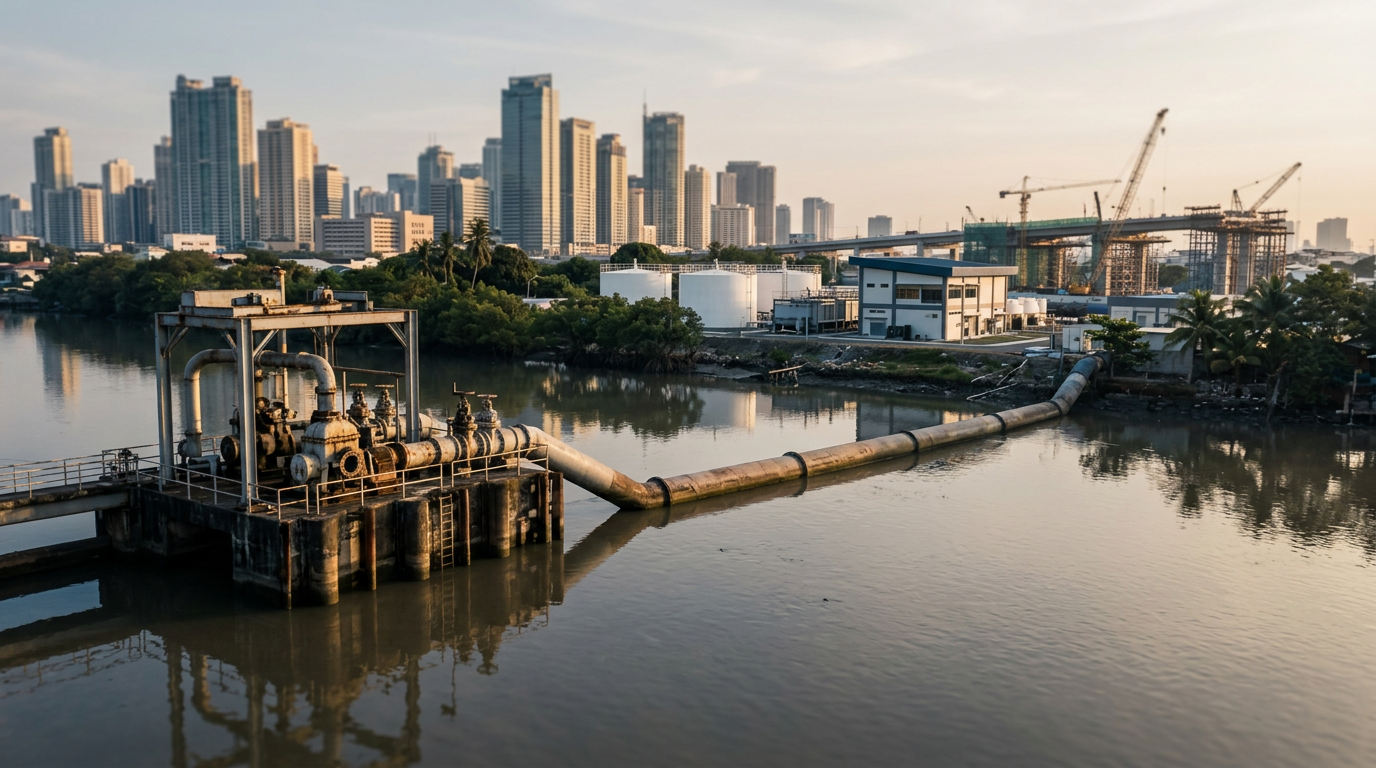
The Price of Water: Capital and State Capacity in the Philippines
A planned P1.8 billion share offer by Tubig Pilipinas highlights the deep connection between private capital and the state's ability to deliver basic infrastructure like clean water.
 Philippines
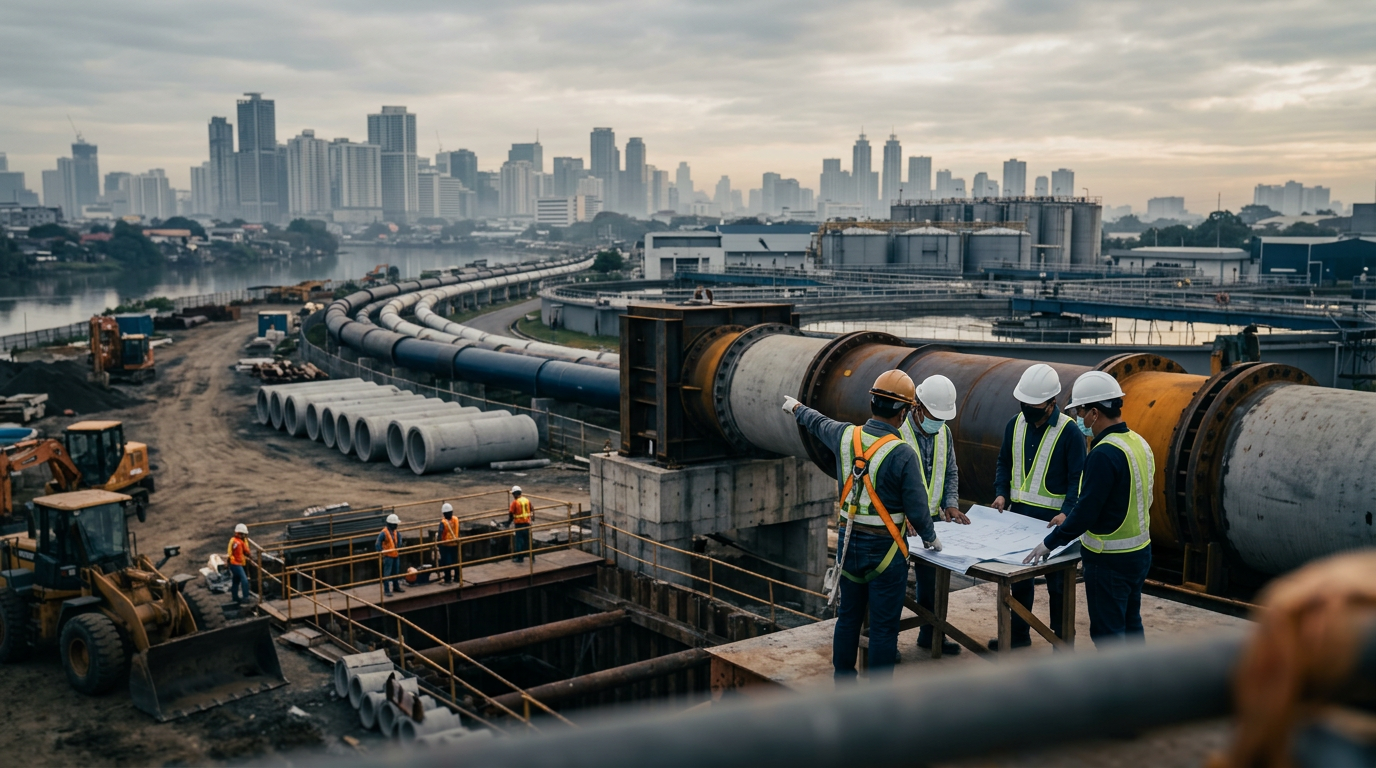
 Water Infrastructure: Capital Meets Capacity
A planned P1.8 billion share offer from a Philippine water utility highlights the connection between private capital and the state's ability to deliver basic services.
 Philippines
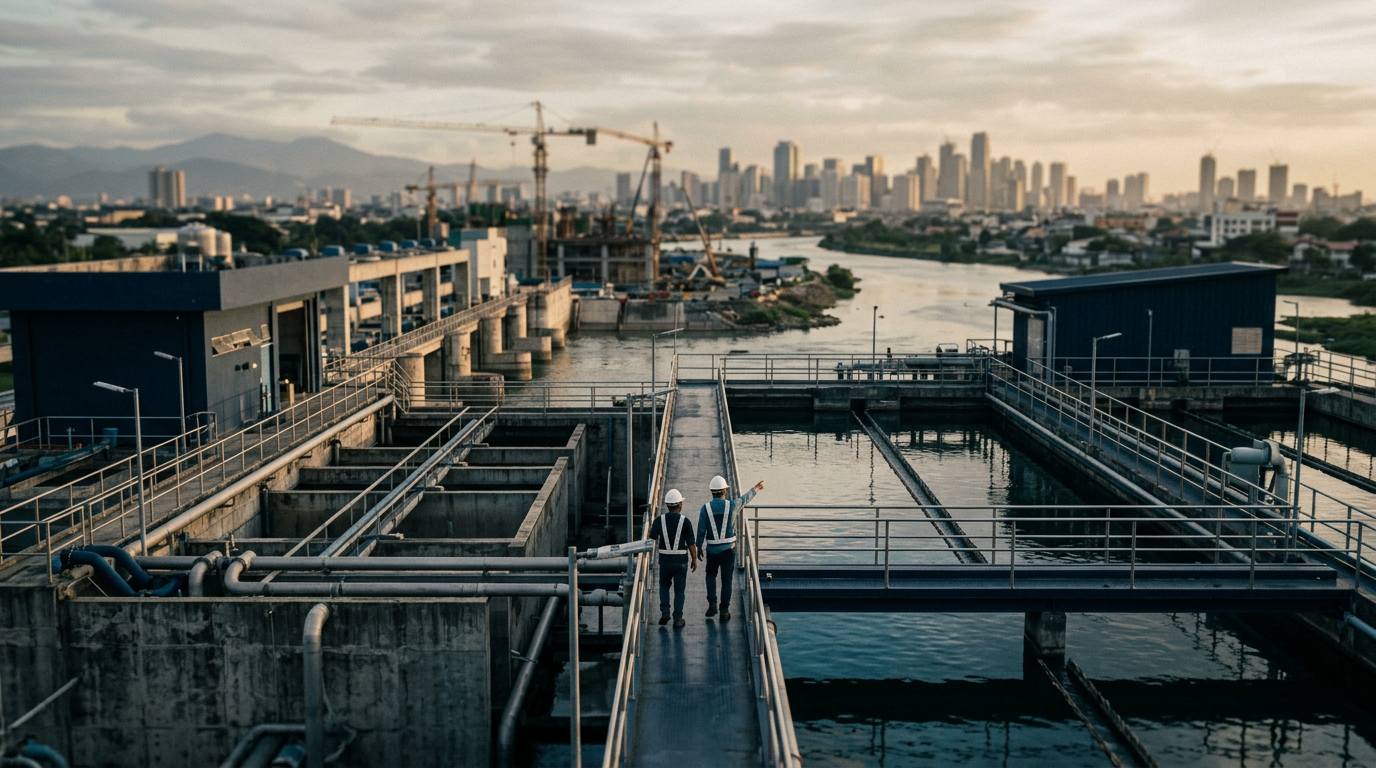
The Quiet Confidence of Philippine Water Infrastructure
A planned P1.8 billion follow-on share offer for a Philippine water utility signals the growing importance of execution over announcement, a key theme in ASEAN's infrastructure development.
 Philippines
The Philippines Confronts Its Water Infrastructure Gap
A plan by a Philippine water utility to raise P1.8 billion is a small but telling indicator of the country's broader infrastructure ambitions and the institutional hurdles it must overcome to achieve them.
 Malaysia
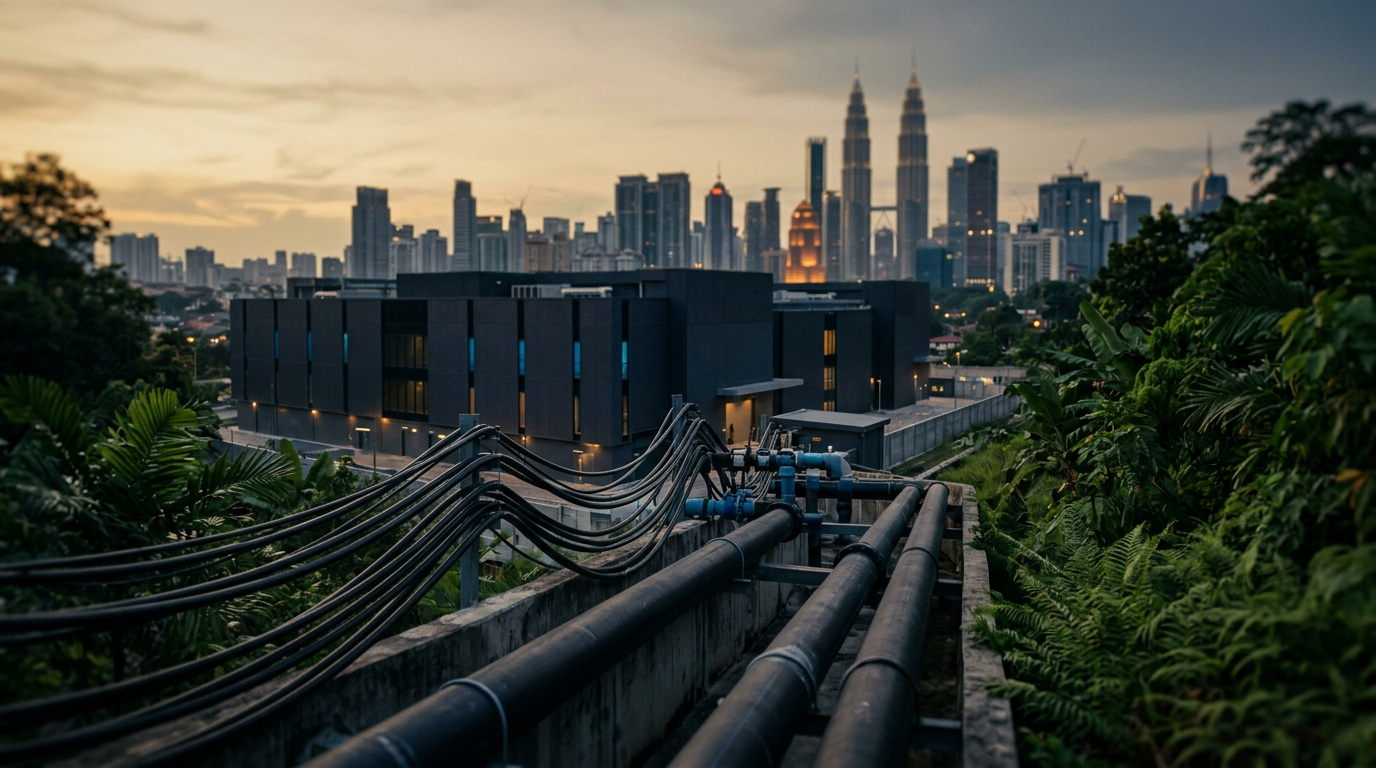
's data center boom tests its infrastructure coordination
The rapid growth of data centers in Malaysia is a significant economic win, but it also presents a serious test of the country's ability to coordinate its infrastructure, particularly water and power resources. Success will depend on more than just attracting investment; it.
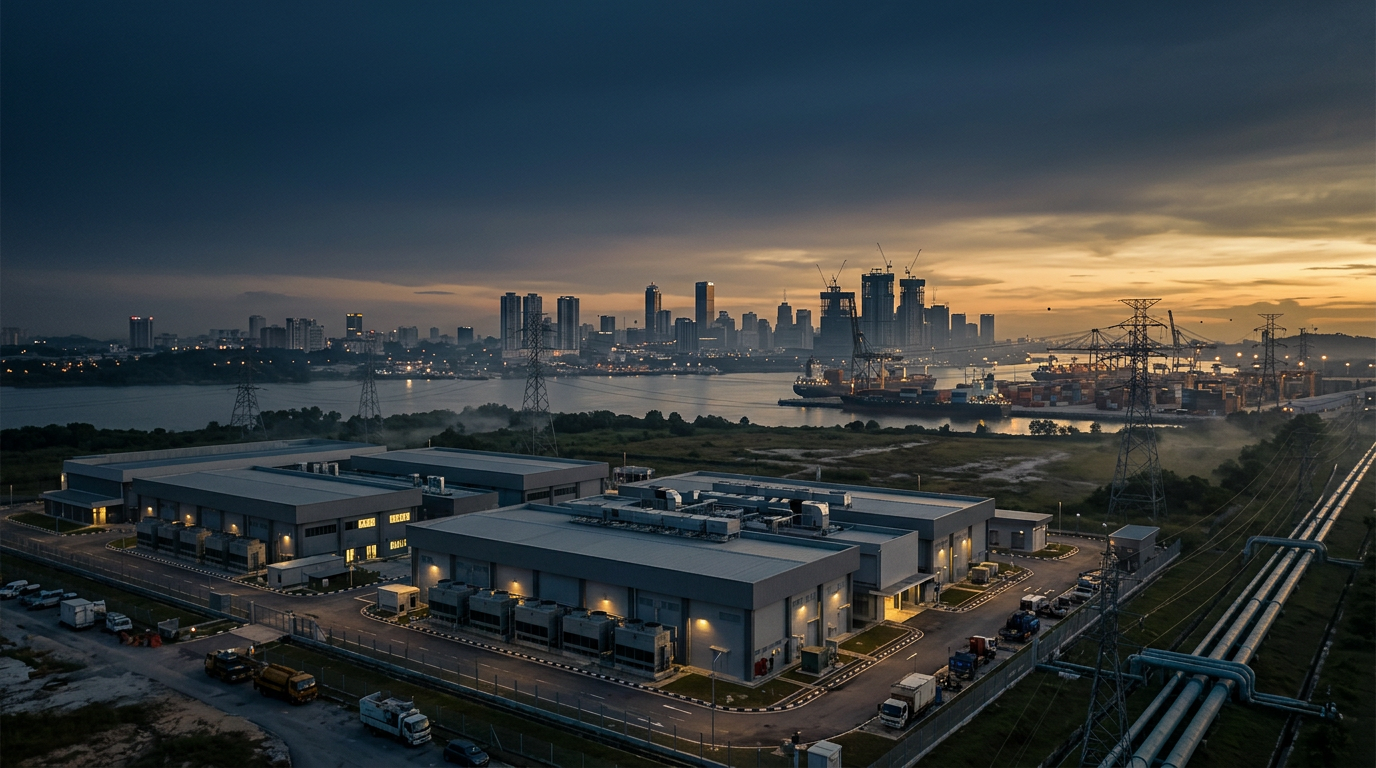 Malaysia
Johor Bahru's Hyperscale Test
The new Bridge Data Centres facility in Johor Bahru highlights the Malaysian state's test: can it coordinate power, water, and fiber capacity at scale?
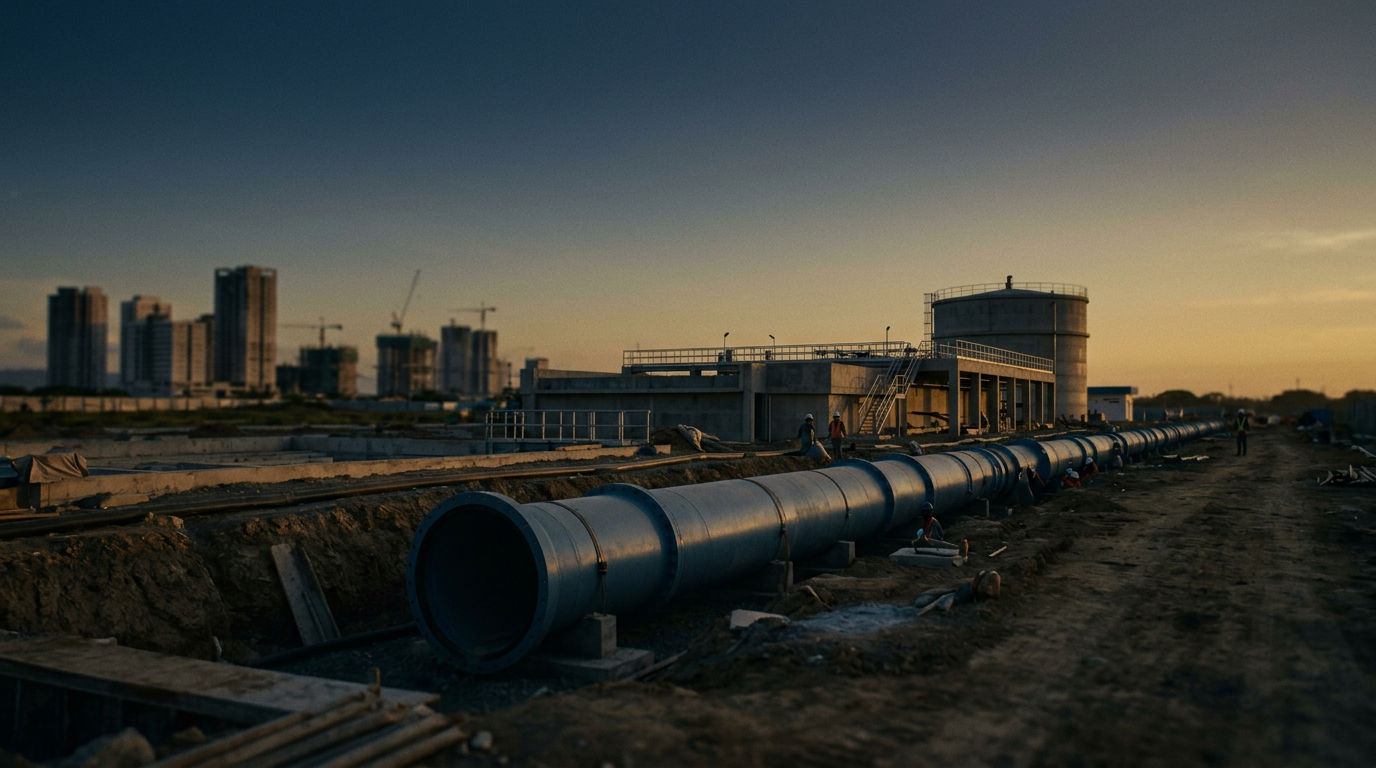 Philippines
From Investment Approval to Water Flow in New Clark City
Maynilad's investment in New Clark City is a positive signal. Now comes the slower, harder work of turning an approved investment into a real-world water and wastewater system.