
ASEAN Analysis & Commentary
Every analysis published on ASEAN Rising is sourced, datestamped and signed. We're more interested in being right in 12 months than first in 12 minutes.
Foundation pieces
Start here. The three pieces below set out the lens ASEAN Rising uses to read every story.
ASEAN Rising's core lens. Execution Economics is the study of whether countries, companies and institutions can convert obvious potential into delivered outcomes - and which six pillars decide the answer.
The region has capital, demographics, location and policy ambition. None of that has ever been the binding constraint. The next decade is an execution test, not a potential test - and it is already being scored.
Malaysia is the test case for whether ASEAN's middle powers can turn FDI, semiconductors and data centres into compounding domestic capability. Read the live coverage and execution scorecard.
Analysis tagged #digital economy

 Thailand
Funding the Foundation of Sovereign AI in ASEAN
Sovereign AI in ASEAN will be tested not by model launches but by who controls the compute, the data layer and the digital identity rails that sit underneath everyday economic life.
 Thailand
's AI Demand and the Sovereign Stack
Thailand's digital industry is seeing a rise in confidence, but the true test for sovereign AI in ASEAN will be about who controls the underlying compute, data, and digital identity infrastructure.

 Philippines
Digital Trust in the Philippines: A Matter of Institutions
The "Di Lahat Dinededma" campaign by Whoscall, a caller ID service, is a private-sector response to a public-sector problem: the erosion of trust in digital communication. This is not just about blocking nuisance calls; it is about rebuilding the reliability of basic services.

 Brunei
The Digital Trust Deficit: A Test for Philippine Institutions
The rise of digital scams in the Philippines, highlighted by a new public awareness campaign, exposes a critical deficit in institutional trust that extends beyond the digital realm.
 Philippines
The Philippines Confronts Digital Scams
The launch of a new anti-scam campaign by a caller ID application in the Philippines highlights the growing need for digital safety and robust institutions to combat online fraud.
 Philippines
The Philippines' Data Center Land Grab Needs More Than Just Power
A new venture between Meralco and PLDT aims to power data centers with renewable energy. The project's success will depend on a level of capital coordination that goes well beyond electricity.
 Malaysia
The Philippines Pursues Hyperscale with Green Energy
A new venture in the Philippines aims to pair renewable energy with data centers, a test of the country's ability to coordinate capital and infrastructure to attract hyperscale investment.
 Thailand
's Floods and the State Capacity Test
The recent social media flood in Bangkok, with over 100 million engagements, highlights a critical challenge for Thailand: the growing gap between digital savvy and physical resilience.
 Philippines
Data Residency and Data Centers in the Philippines
A proposed data residency law in the Philippines aims to attract data center investment. However, attracting hyperscale capacity requires more than just legislative incentives; it depends on the coordinated delivery of power, connectivity, and planning.
 Philippines
Sovereign AI needs more than model launches
ASEAN nations are launching national AI strategies, but the real test is who controls the compute, data, and digital identity rails that power the economy.
Alibaba Cloud and the ASEAN Sovereign AI Stack
Alibaba Cloud's recent infrastructure expansion in ASEAN brings the region's focus back to the foundational layers of sovereign AI: compute, data, and digital identity, not just the models themselves.
Sovereign AI in ASEAN: Beyond the Models
The contest for sovereign AI in ASEAN will be decided not by model launches but by who controls the underlying compute, data, and digital identity infrastructure.
 Malaysia
Philippine Telco Globe Bets on Data Centers
Philippine telco Globe Telecom Inc. is focusing on its digital units, including data centers, to attract investor interest and mitigate a recent profit slowdown. The move highlights a broader regional trend where data center investment is not just about cheap power, but about.
 Philippines
The Infrastructure of Sovereign AI in the Philippines
The recent launch of an AI workspace by a major Philippine telecom highlights the deepening competition over the foundational layers of the digital economy. While such platforms promise to democratize access to AI tools, the underlying questions of data sovereignty.
 Vietnam
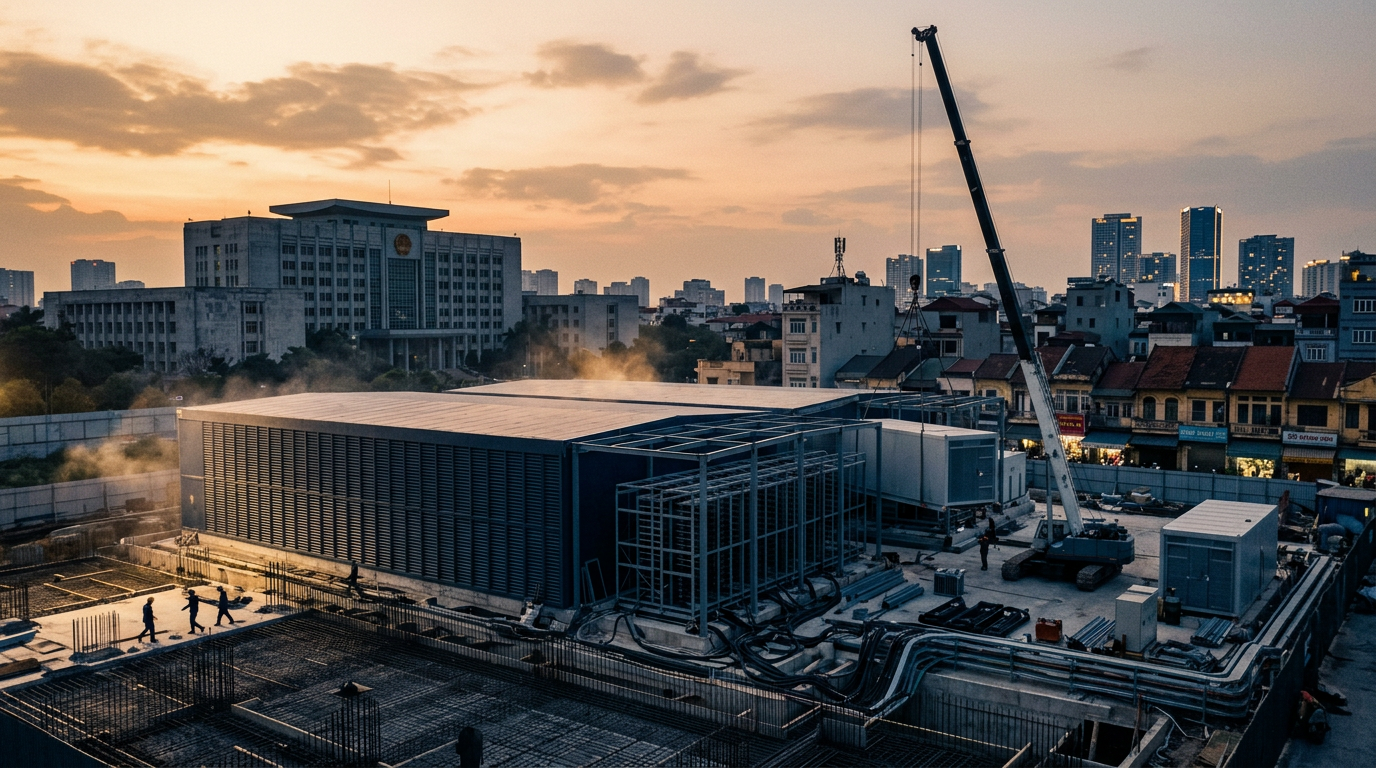
's data center ambitions meet the institutional test
Foreign investors are noticing Vietnam's potential as a data center hub. Turning that interest into reality will require a concerted effort to align institutions, infrastructure, and talent.
 Vietnam
's Data Center Boom: From Ambition to Reality
A development pipeline for hyperscale data centers shows rising demand for digital infrastructure in Vietnam, but turning announcements into operational assets requires institutional focus.
 Vietnam
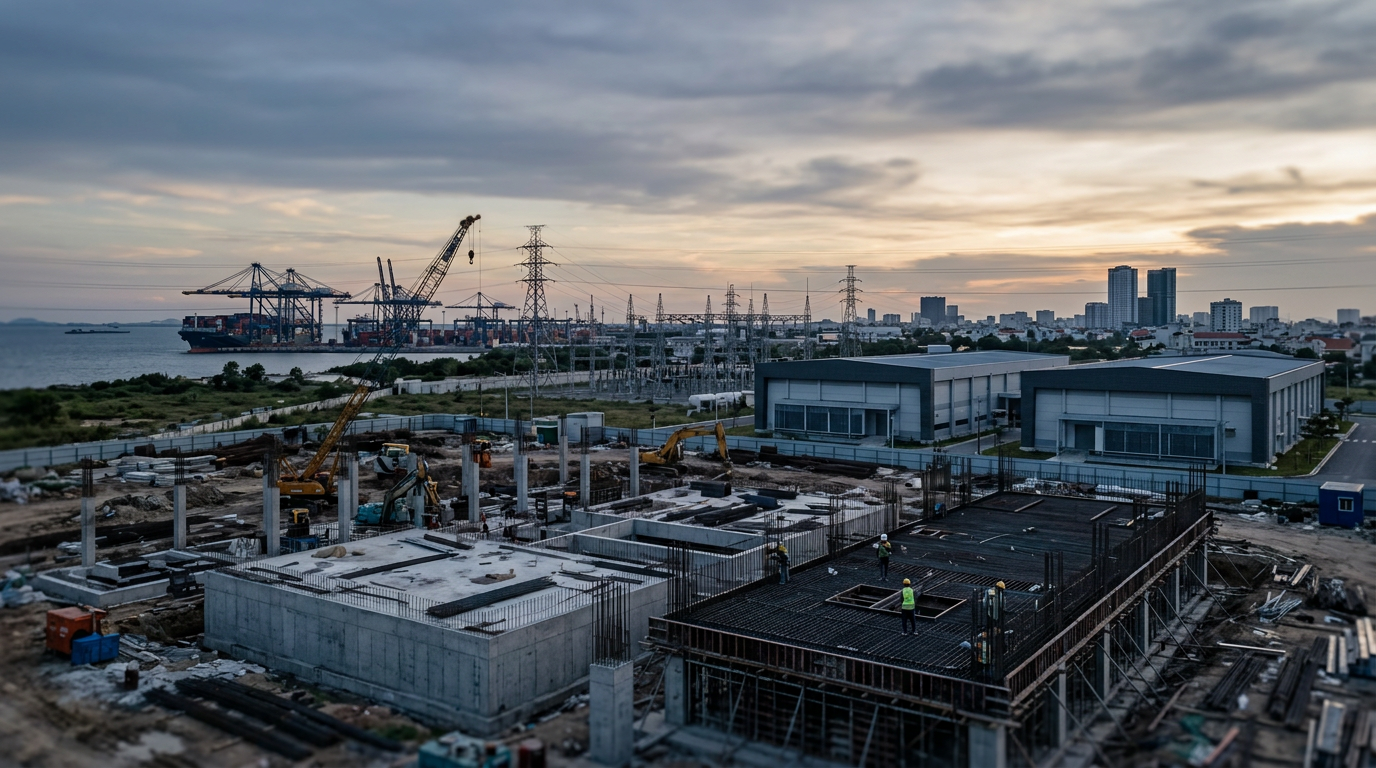
's data center ambitions depend on more than capital
FDI announcements travel quickly. Realised flows depend on the slower work of land, permits, power and talent reaching the ground.
 Vietnam
's data center ambitions depend on execution
Vietnam's pipeline of hyperscale data centers is a test of its institutional capacity. FDI announcements travel quickly. Realised flows depend on the slower work of land, permits, power and talent.
 Vietnam
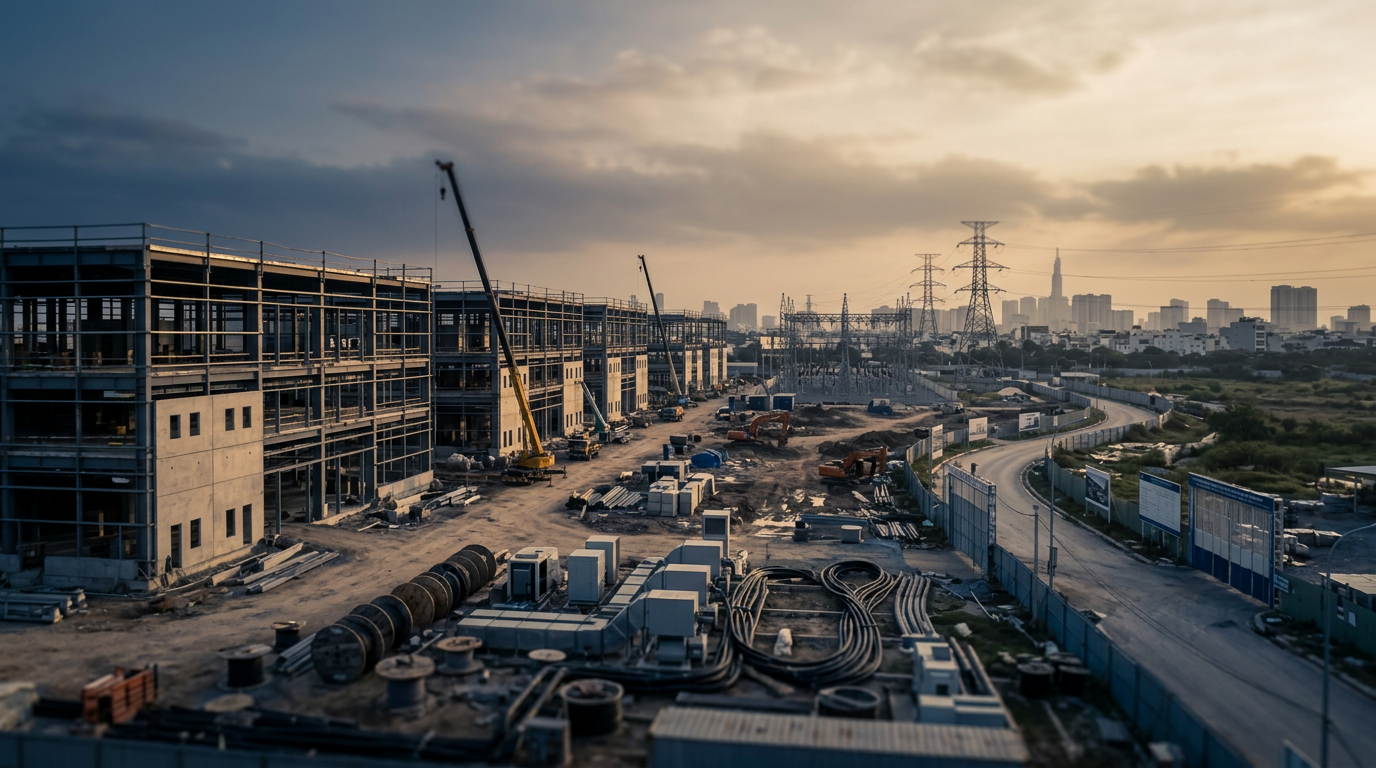
's data center ambitions depend on execution
Vietnam's ambition to become a major data center hub in Southeast Asia is attracting investor attention. Translating that ambition into reality will depend on the slower work of matching digital demand with land, permits, and reliable power.
 Philippines
The Hardware and Headware of Sovereign AI
Sovereign AI in ASEAN will be tested not by model launches but by who controls the compute, the data layer and the digital identity rails that sit underneath everyday economic life.
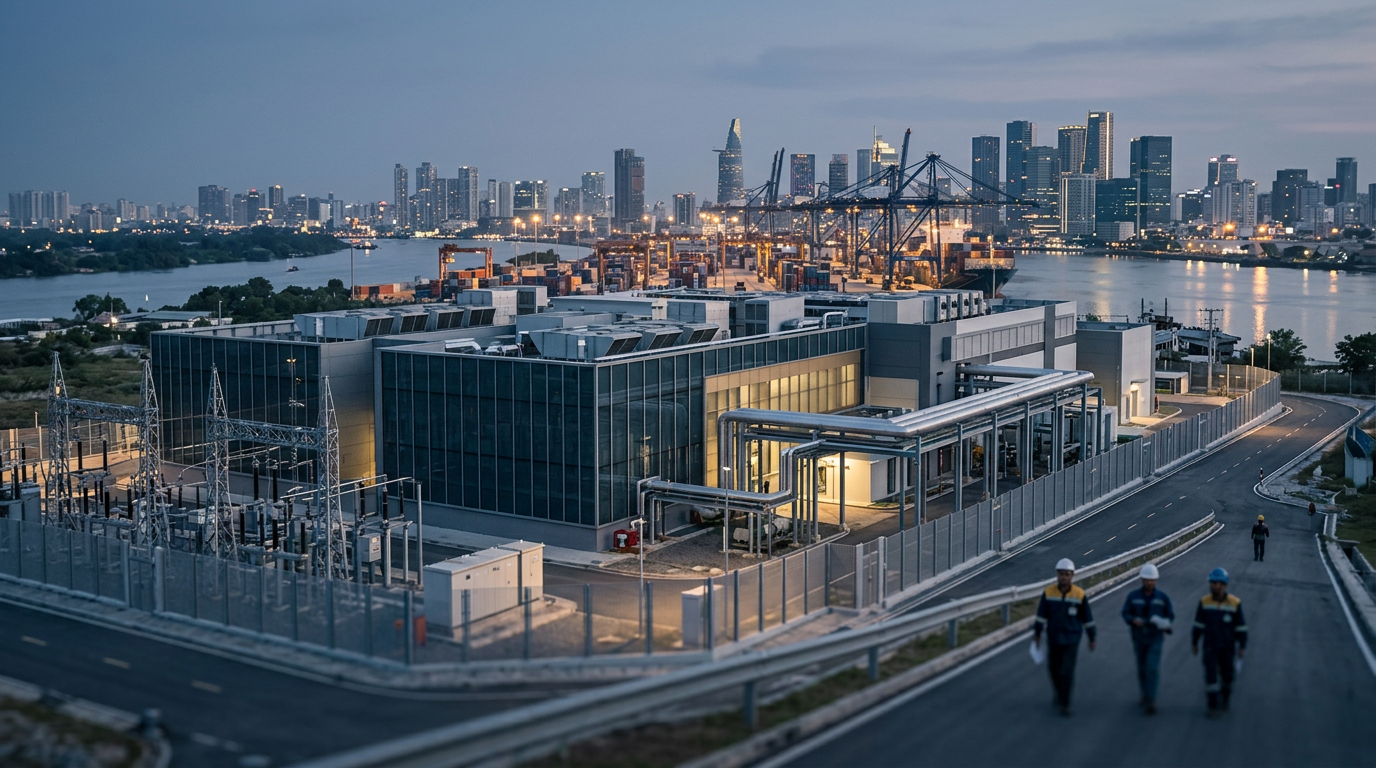
Sovereign AI in ASEAN: More Than Just Models
NVIDIA's latest expansion of AI deployments in Southeast Asia using its Nemotron models highlights the region's push into artificial intelligence. However, true sovereign AI capability will be determined by control over compute, data, and digital identity infrastructure, not.

 Singapore
Sovereign AI in ASEAN is about more than models
The race for sovereign AI in ASEAN will be decided by who controls the compute, the data, and the digital identity systems that underpin the economy.
 Singapore
ASEAN's AI race is not just about models
A new AI-powered recruitment platform from Jobstreet by SEEK is the latest example of how the AI race in ASEAN is not about flashy model launches. The real competition is for the underlying compute, data, and digital identity systems that power the region's economy.
 Singapore
Jobstreet AI Launch Is a Test for Sovereign Data in ASEAN
Sovereign AI in ASEAN will be tested not by model launches but by who controls the compute, the data layer and the digital identity rails that sit underneath everyday economic life.
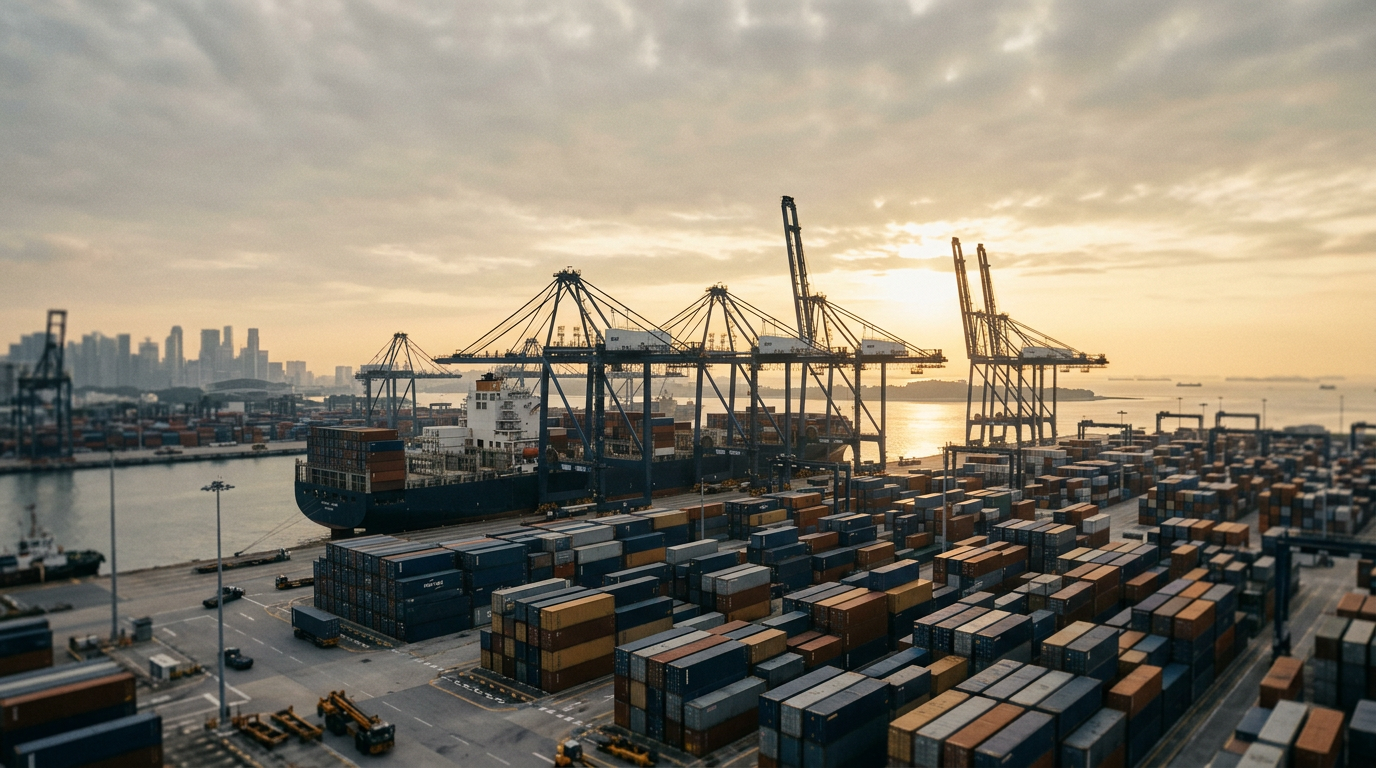 Singapore
Sovereign AI tests in ASEAN are not about models
The recent launch of an AI-powered recruitment engine by Jobstreet in the Philippines is a useful reminder that the real tests of sovereign AI in the region are not about chatbots or model launches. The more substantive, long-term questions are about who controls the underlying.

Alibaba Cloud, AI, and ASEAN Sovereignty
Alibaba Cloud's recent AI and infrastructure expansion in the region is a reminder that sovereign AI is tested by who controls the compute, the data layer, and the digital identity rails of economic life.
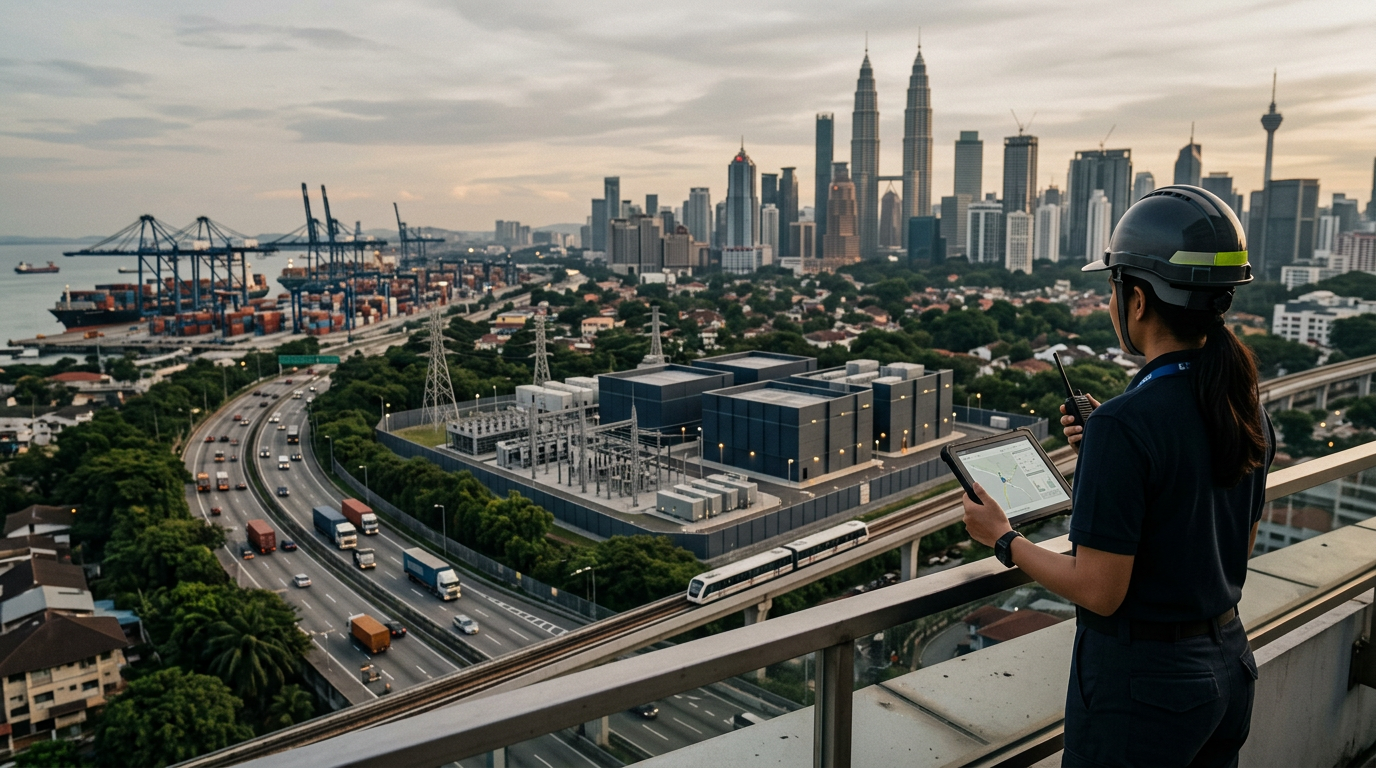 Malaysia
Sovereign AI in ASEAN is a question of infrastructure
The contest for sovereign AI in Southeast Asia will not be won by launching new models, but by controlling the underlying compute, data, and digital identity layers.
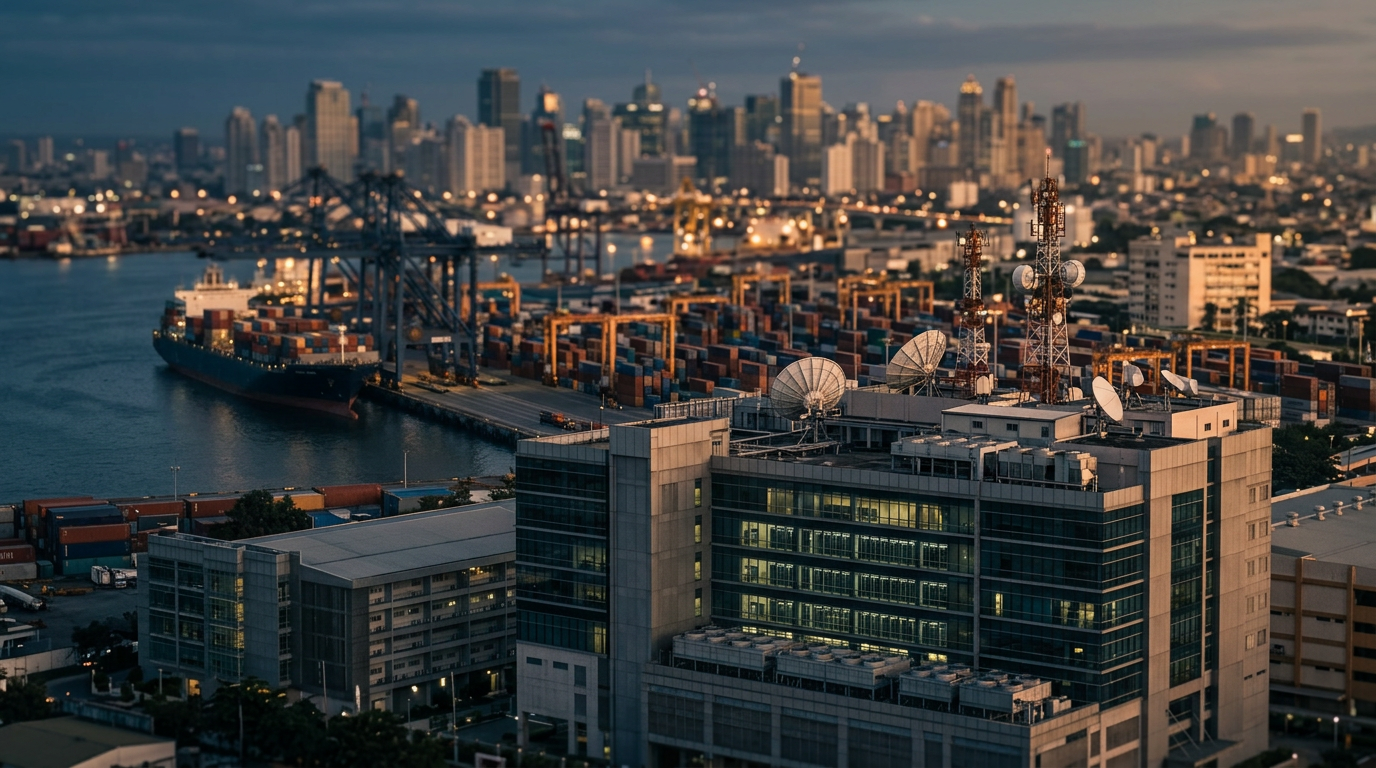 Philippines
 Telco AI Platform Tests Sovereign Infrastructure
A new AI workspace from a Philippine telco is a reminder that sovereign AI in ASEAN will be tested not by model launches but by who controls the compute and data that sit underneath.
 Indonesia
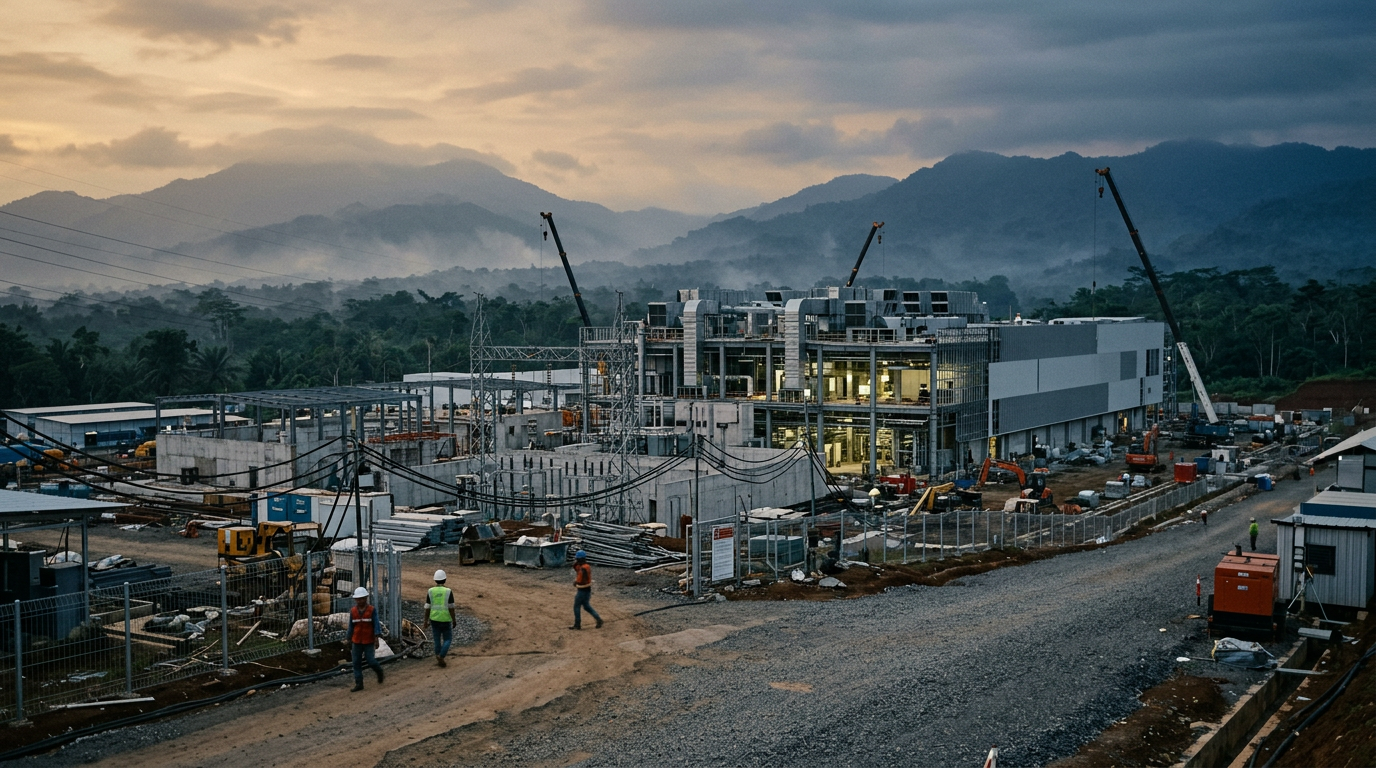
Java's New Data Centre Highlights an ASEAN Execution Gap
A new 640 MW data centre project in West Java is a positive step for Indonesia's digital economy. But the project also shows the persistent gap between Indonesia's infrastructure goals and its execution on the ground.
 Singapore
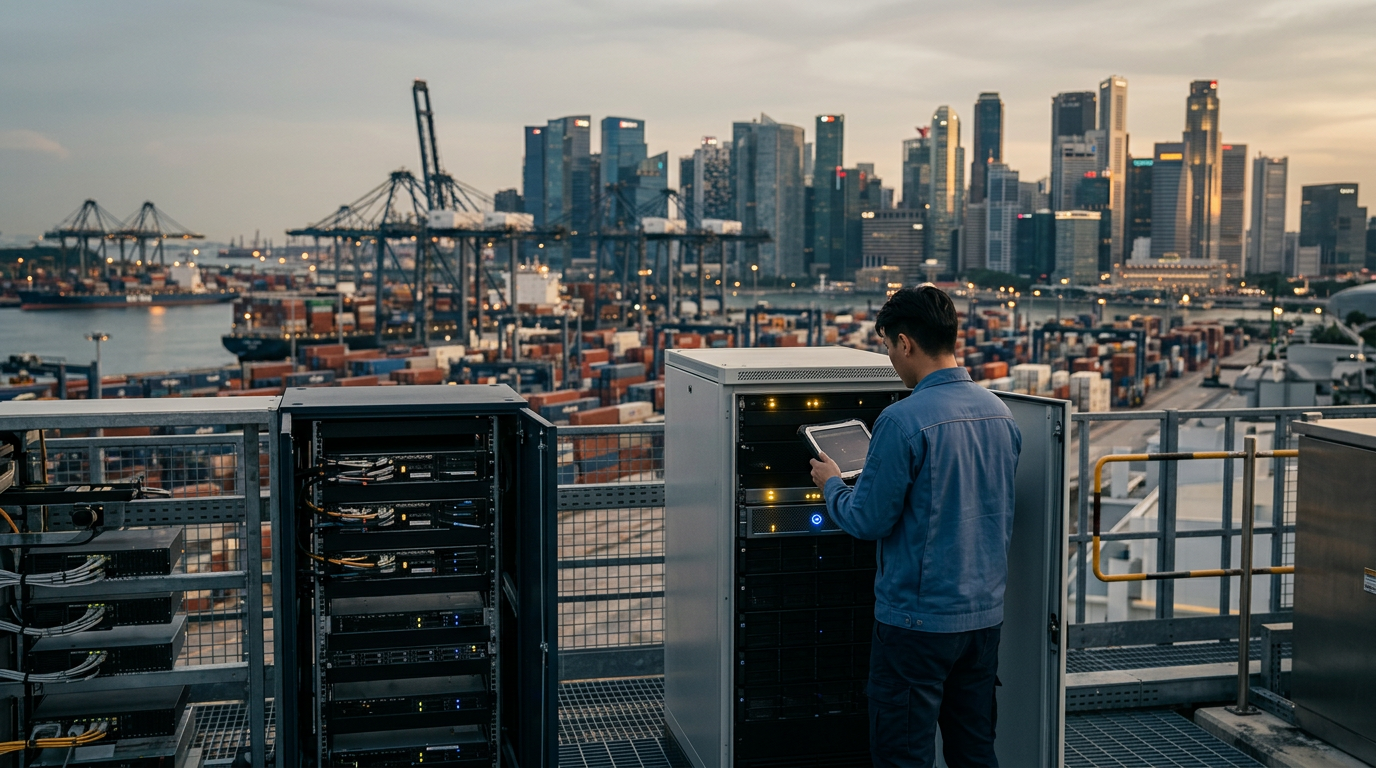
Thailand's AI Playbook and the Sovereign Stack
Sovereign AI in ASEAN will be tested not by model launches but by who controls the compute, the data layer and the digital identity rails that sit underneath everyday economic life.
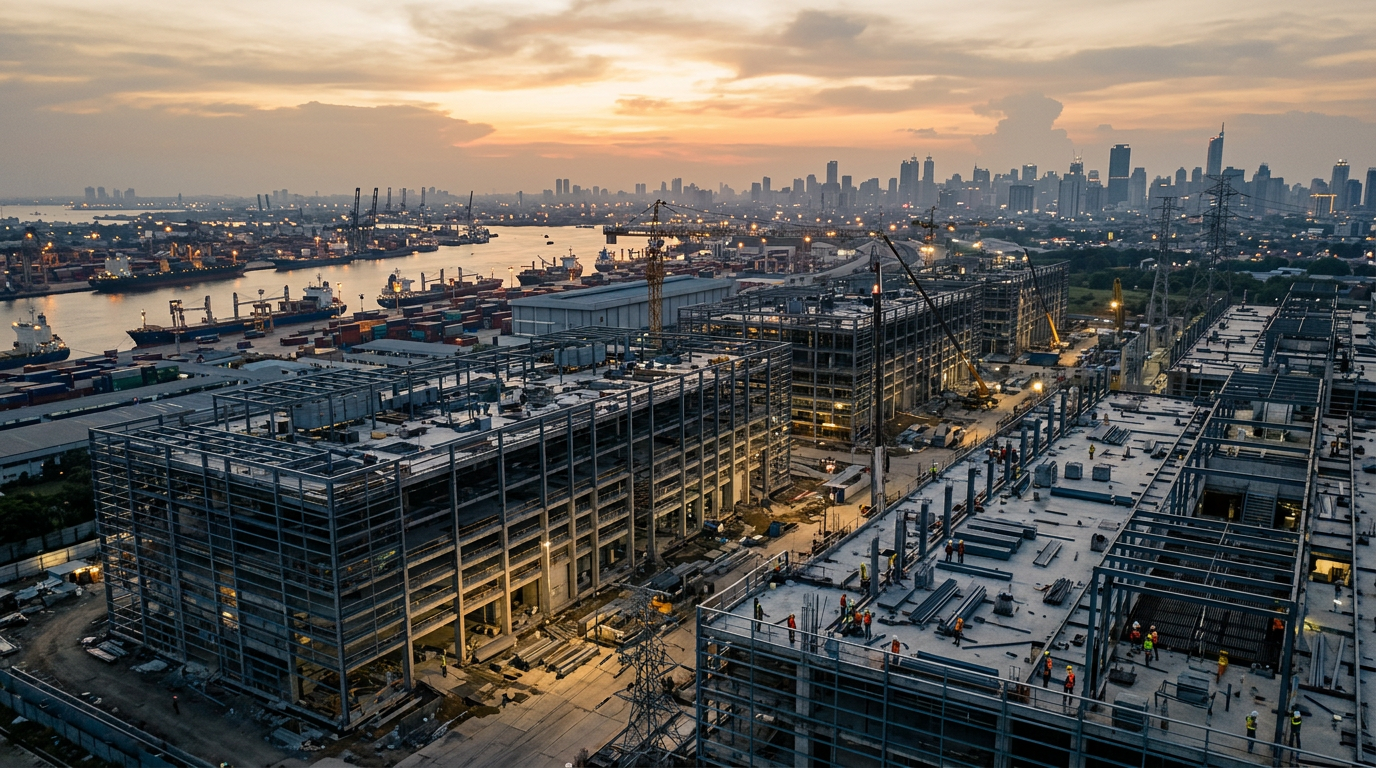
Alibaba's Big Bet on Data Centres Spotlights ASEAN's Infrastructure Test
Alibaba is launching a major international data centre expansion, aiming for over 20 gigawatts of global capacity by 2032. This global push will test ASEAN's ability to coordinate power, connectivity, and planning to attract these hyperscale investments.
 Philippines
The sachet model for AI arrives in the Philippines
The Philippine telco giant Smart Communications is expanding access to artificial intelligence with a new retail product. But who really controls the AI value chain?
 Indonesia
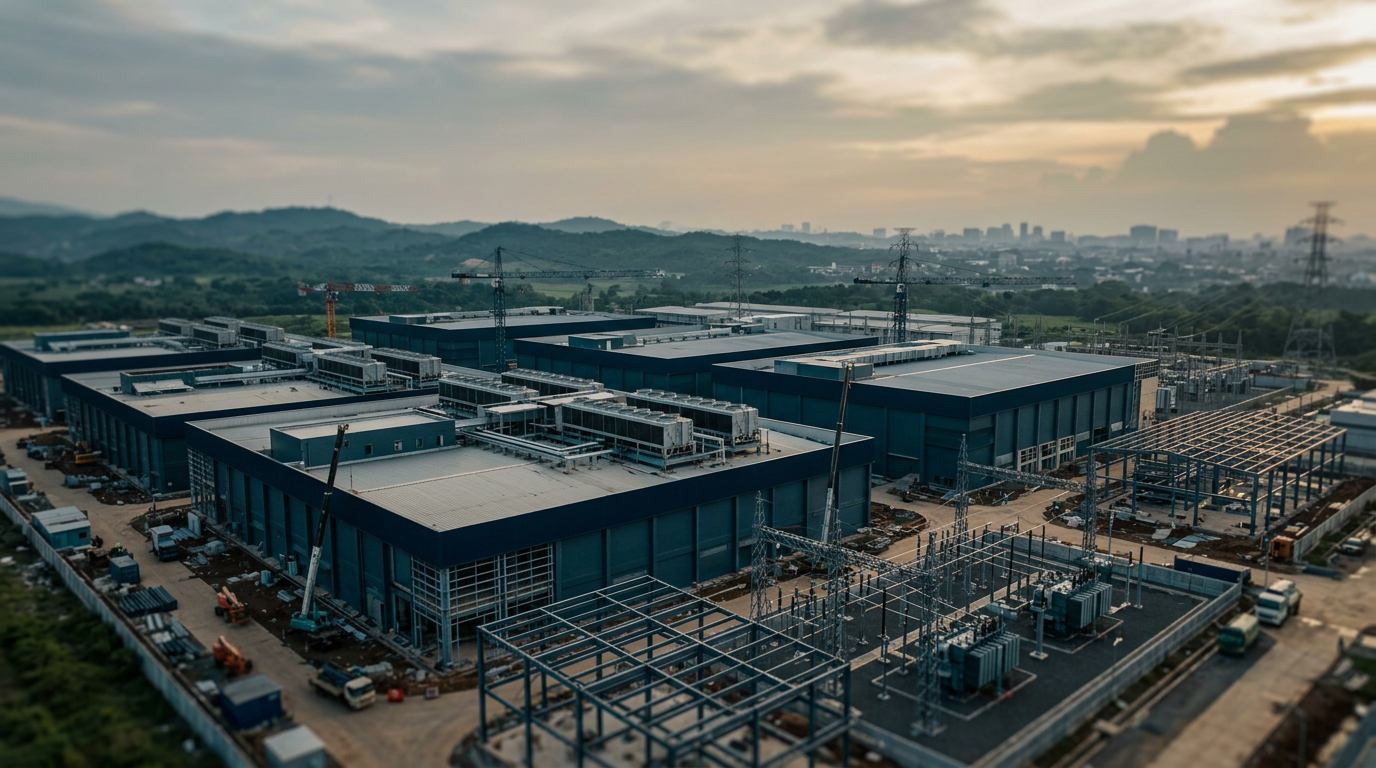
 and the Hyperscale Data Center Buildout
Where utilities, planning and connectivity move together, hyperscale capacity follows. That is the story of a new 640 MW AI data center campus in West Java, Indonesia.
 Thailand
's Data Centre Boom Tests Its Infrastructure
Thailand's ambitions in the digital economy are running up against a familiar challenge: infrastructure. Bangkok's data centre boom is testing the limits of the capital's power and land, pushing new investment into provincial areas.
 Thailand
 Weighs AI Guardrails
Thailand is debating how to manage the risks of artificial intelligence while pursuing AI-driven growth. The real tests will involve control over the foundational layers of compute, data, and digital identity.
 Singapore
Thailand's AI Balancing Act and the Sovereignty Question
Thailand's call for a "balanced" approach to AI in business, as voiced by the Federation of Thai Industries, highlights a deeper issue for all of ASEAN: the governance of the foundational elements of the digital economy.
 Thailand
 Weighs New Rules for Digital Platforms
Thailand's competition watchdog is looking to update its rules for digital platforms. This move reflects a region-wide effort to manage the complexities of the digital economy while maintaining a competitive environment, a theme explored in the book "ASEAN Rising".
 Singapore
 and the Data Governance Gap
Data governance is a critical component of institutional trust. A recent data leak at a national institution in Singapore offers a moment to reflect on the wider ASEAN context.
 Philippines
ASEAN Digital Economy Ambitions Test Institutional Plumbing
The ASEAN digital economy framework is a significant step, but its success will depend on the unglamorous work of building robust institutions and ensuring consistent execution on the ground.

Sovereign AI in ASEAN: From Compute to Control
A recent article in The Diplomat asks whether the region's AI boom will deliver real economic benefits. ASEAN's AI future depends less on data center capacity and more on who governs the data and digital identity layers.

Sovereign AI in ASEAN: More Than Just Models
The contest for AI dominance in Southeast Asia extends beyond algorithms to the foundational layers of compute, data, and digital identity.
 Malaysia
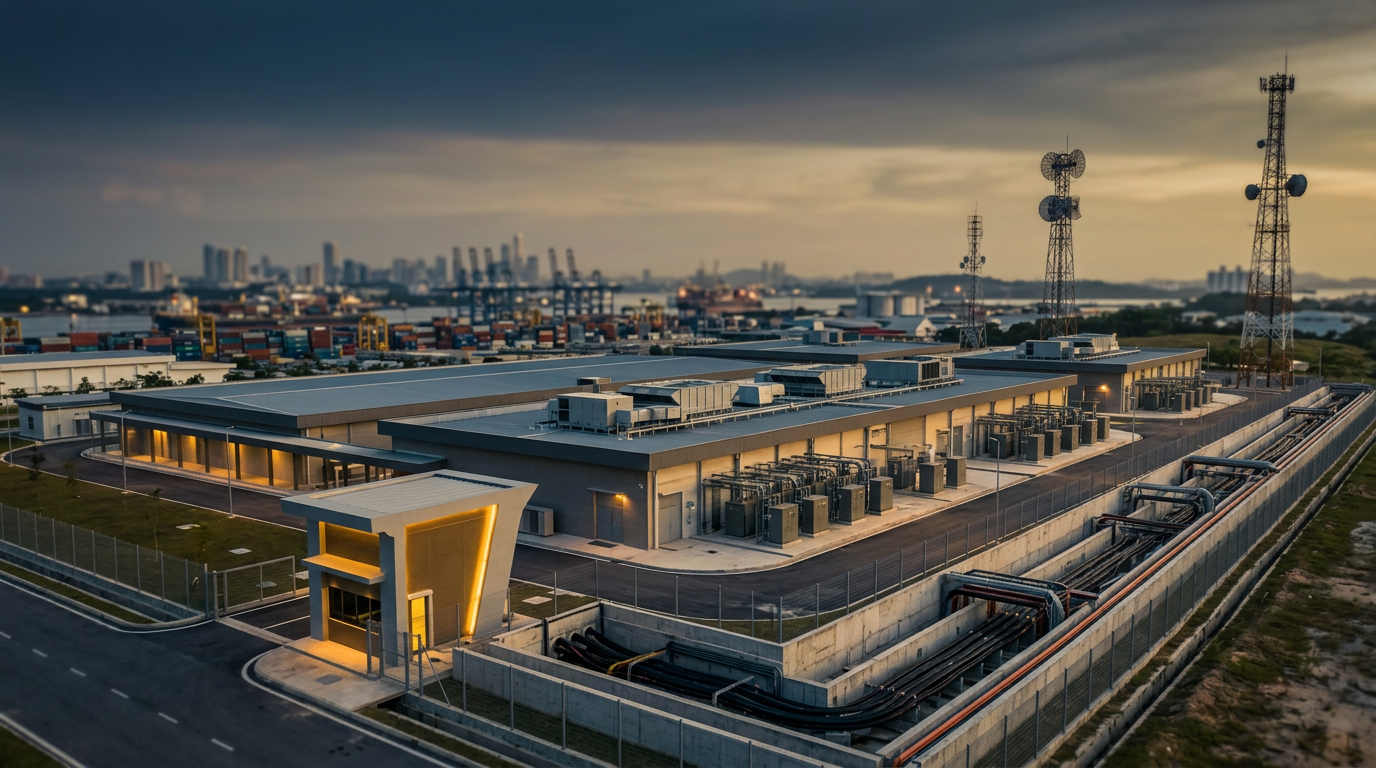
Sovereign AI in ASEAN is a question of control
Alibaba Cloud's new public cloud region in Johor, Malaysia highlights the core challenge for ASEAN nations pursuing sovereign AI: it is not just about national models, but about who controls the underlying infrastructure, data, and digital identity systems.
 Singapore
Sovereign AI in ASEAN: More Than Models
The true test of sovereign AI in ASEAN is not the launch of new models, but control over the underlying compute, data, and digital identity infrastructure that underpins economic activity.
 Malaysia
Alibaba's AI Agent in Thailand and the Test of Sovereign AI
Sovereign AI in ASEAN will be tested not by model launches but by who controls the compute, the data layer and the digital identity rails that sit underneath everyday economic life.
 Indonesia
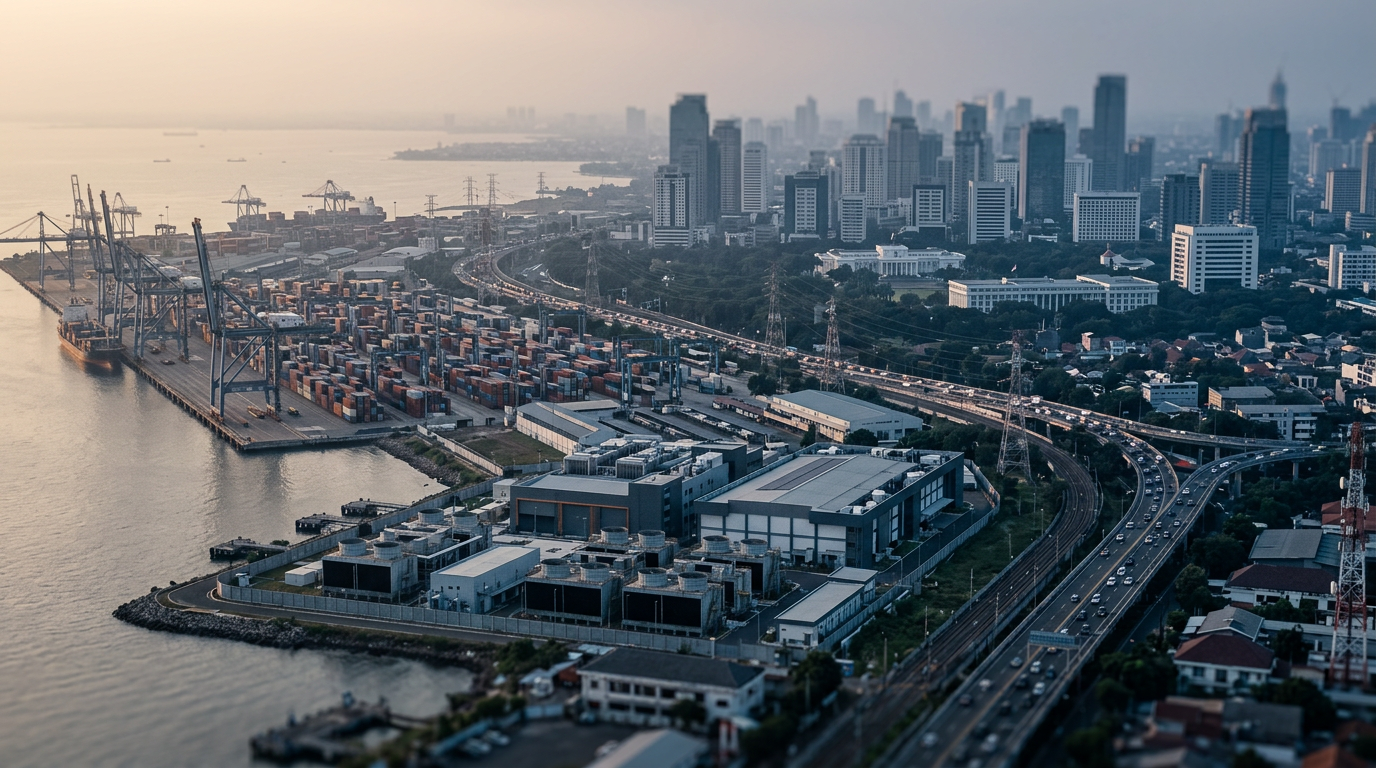
ASEAN's Sovereign AI Ambitions Face an Infrastructure Test
As ASEAN leaders look towards 2045, the region's aspiration for sovereign AI will depend less on model launches and more on who controls the underlying compute, data, and digital identity infrastructure.
 Philippines
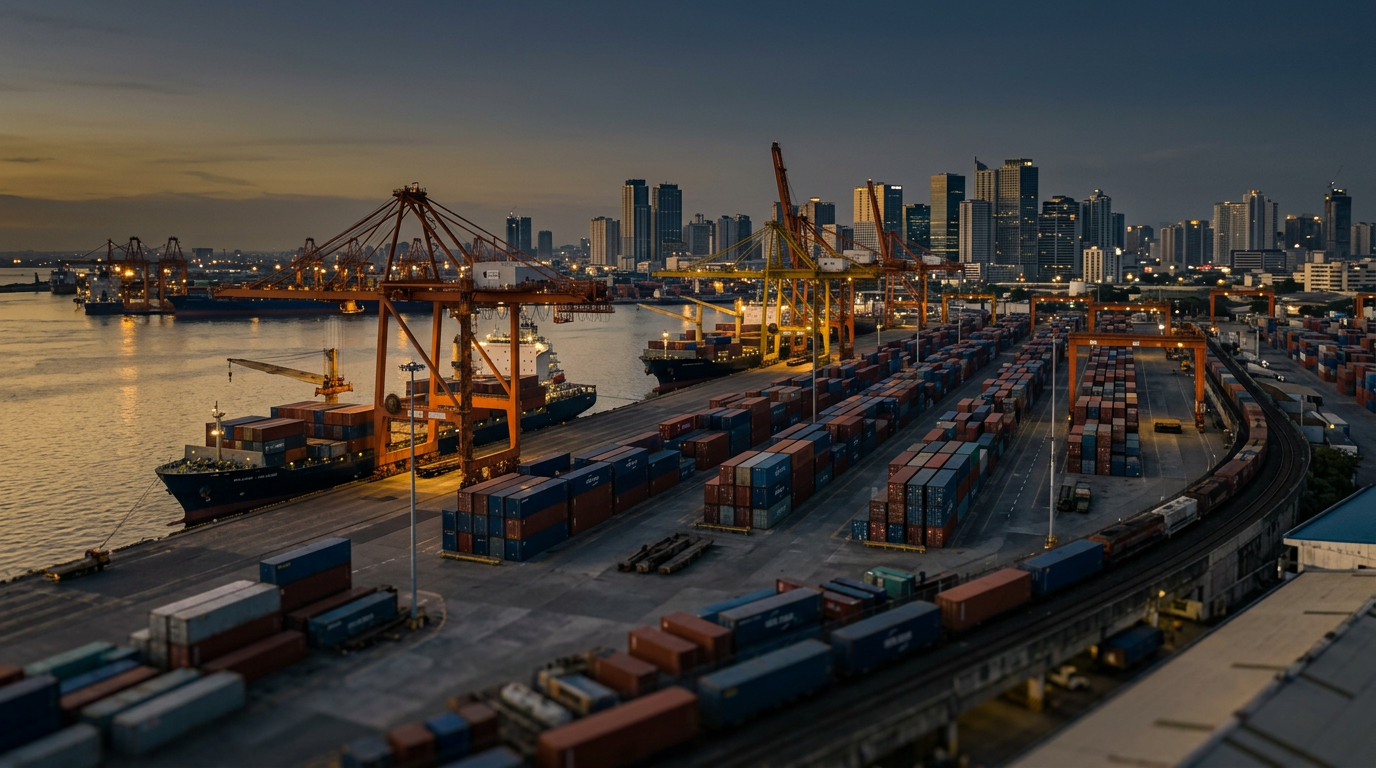
The Philippines Looks to ASEAN for Deeper Ties
The Philippines aims to deepen trade and investment with its ASEAN neighbors, a goal that requires institutional capacity to translate announcements into tangible economic activity.
 Malaysia
's Sovereign AI and the Compute Dilemma
Malaysia is pursuing a sovereign AI strategy, but its choice of technology partners could create friction with its international trade commitments, illustrating the fine line ASEAN nations must walk.
 Singapore
Philippines Central Bank AI Use Case Is a Sovereignty Signal
The Bangko Sentral ng Pilipinas is using AI to track jobs data. This is an early signal of a larger contest over the data layer and digital identity rails that underpin the economy.
 Thailand
's US Subsea Cable: A Test of Managed Dependency
A new subsea cable project between Thailand and the US highlights a critical theme for ASEAN nations: how to manage deep economic ties with China while actively pursuing strategic alternatives and maintaining digital sovereignty.
 Thailand
Digital Friction, State Capacity, and Thailand's Platform Economy
Thailand's digital economy is a powerful engine for growth, but a recent surge in user complaints signals a deeper challenge. Effective state institutions are needed to build trust and sustain the sector.