
ASEAN Analysis & Commentary
Every analysis published on ASEAN Rising is sourced, datestamped and signed. We're more interested in being right in 12 months than first in 12 minutes.
Foundation pieces
Start here. The three pieces below set out the lens ASEAN Rising uses to read every story.
ASEAN Rising's core lens. Execution Economics is the study of whether countries, companies and institutions can convert obvious potential into delivered outcomes - and which six pillars decide the answer.
The region has capital, demographics, location and policy ambition. None of that has ever been the binding constraint. The next decade is an execution test, not a potential test - and it is already being scored.
Malaysia is the test case for whether ASEAN's middle powers can turn FDI, semiconductors and data centres into compounding domestic capability. Read the live coverage and execution scorecard.
Analysis tagged #ai

 Singapore
, AI, and the Value of a Usable State
Singapore has an opportunity to position itself as a critical node in robotics and adjacent industries, preparing for the future of AI and its physical manifestations.

 Thailand
's AI Demand and the Sovereign Stack
Thailand's digital industry is seeing a rise in confidence, but the true test for sovereign AI in ASEAN will be about who controls the underlying compute, data, and digital identity infrastructure.

 Philippines
Sovereign AI needs more than model launches
ASEAN nations are launching national AI strategies, but the real test is who controls the compute, data, and digital identity rails that power the economy.
 Singapore
, AI, and ASEAN's Industrial Future
A jump in Singaporean factory output, driven by AI demand, shows how high-value manufacturing can take root. Yet the wider ASEAN region must still focus on the slower work of building institutional capacity to translate investment announcements into realised flows on the ground.
 Singapore
, AI, and ASEAN's Next Manufacturing Shift
Singapore's industrial surge from AI demand shows its institutional strengths. Can its ASEAN neighbors follow the same playbook?
 Singapore
's AI Bet Highlights ASEAN's Execution Challenge
Singapore's industrial output is surging on AI demand, but this success story is a reminder that across the region, turning foreign investment interest into reality depends on the patient work of improving institutions and infrastructure.
 Singapore
Sovereign AI in ASEAN is about more than models
The race for sovereign AI in ASEAN will be decided by who controls the compute, the data, and the digital identity systems that underpin the economy.
 Singapore
Jobstreet AI Launch Is a Test for Sovereign Data in ASEAN
Sovereign AI in ASEAN will be tested not by model launches but by who controls the compute, the data layer and the digital identity rails that sit underneath everyday economic life.
 Singapore
Thailand's AI Playbook and the Sovereign Stack
Sovereign AI in ASEAN will be tested not by model launches but by who controls the compute, the data layer and the digital identity rails that sit underneath everyday economic life.

 Indonesia
's AI Ambition Meets the Infrastructure Test
Foreign direct investment in data centers is flowing into Indonesia, drawn by the promise of a massive digital market. But turning these announcements into operational assets depends on the slower, harder work of securing land, power, and talent.

Sovereign AI in ASEAN: More Than Just Models
The contest for AI dominance in Southeast Asia extends beyond algorithms to the foundational layers of compute, data, and digital identity.

 Vietnam
's AI Ambition Meets the Sovereignty Test
Vietnam's new $3.5 billion data centre plan shows how its digital economy strategy is evolving, but the project's multinational nature puts the focus on the core challenge of sovereign AI: who controls the infrastructure, data, and identity rails?
 Singapore
Sovereign AI Tests in ASEAN Go Beyond Models
The substance of sovereign AI in ASEAN lies not in the models themselves but in the control over compute, data, and digital identity infrastructure that underpins the region's economic activity.
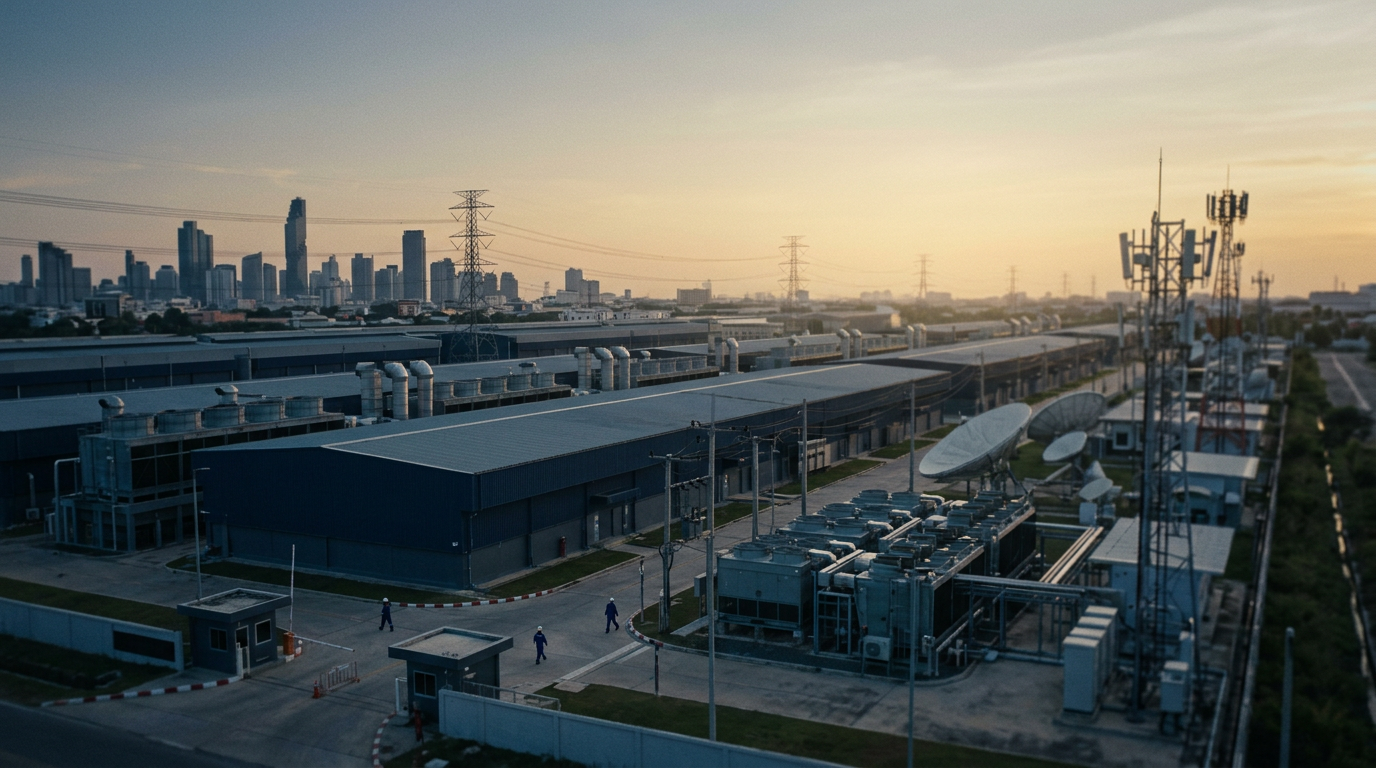 Thailand
's AI Aspirations and the Sovereignty Question
True Corporation's recent affirmation of its AI ethics highlights a deeper challenge for Thailand and ASEAN: the governance of foundational AI infrastructure, including compute, data, and digital identity.
 Thailand
 Charts a Course for Sovereign AI
Thailand's new national AI strategy is an early example of a middle power grappling with the foundational questions of digital sovereignty. The strategy focuses on digital sovereignty, AI governance, talent development, and building a competitive domestic AI industry.

 Malaysia
, Huawei and the Sovereign AI Stack
Sovereign AI in ASEAN will be tested not by model launches but by who controls the compute, the data layer and the digital identity rails that sit underneath everyday economic life.
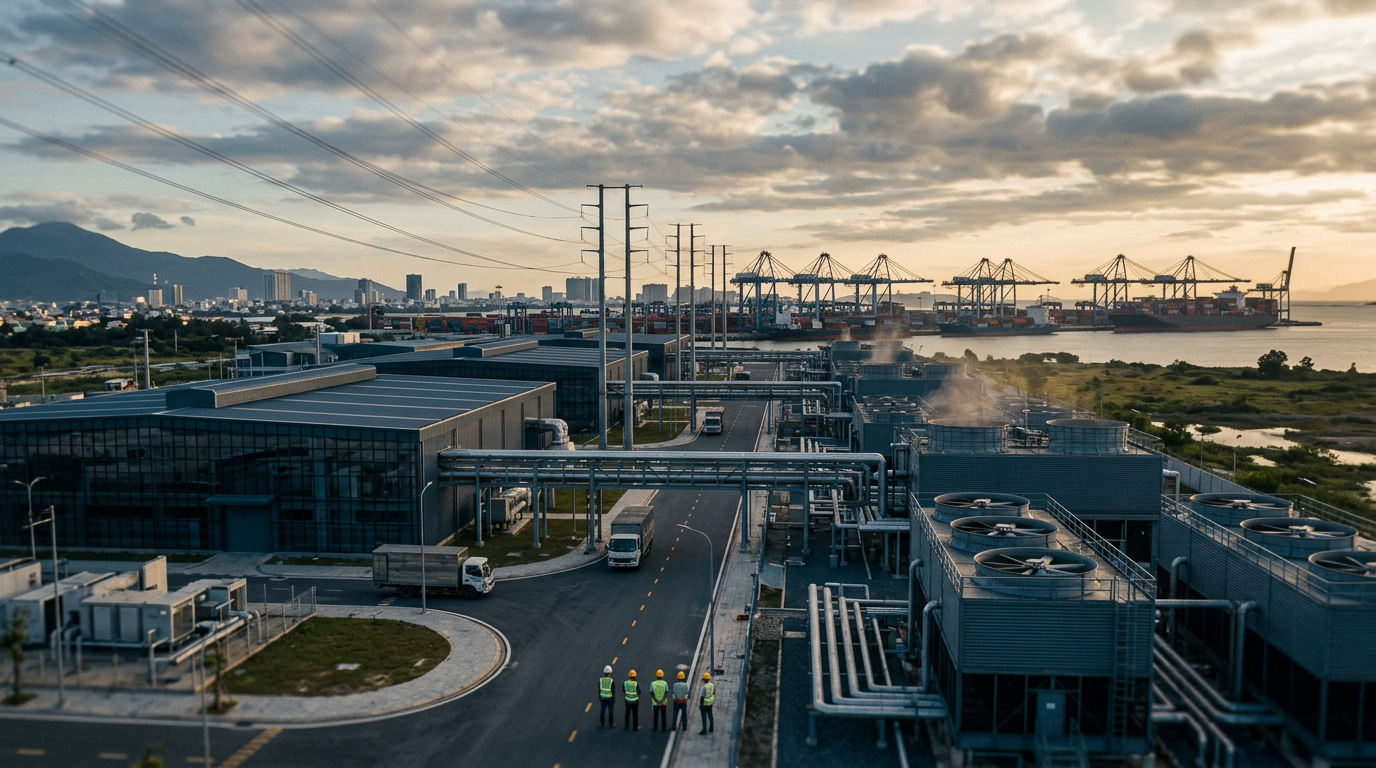 Vietnam
's AI Ambitions and the Hyperscale Test
Vietnam is building its own AI capabilities. Its success will depend on coordinating capital, infrastructure, and institutions to attract hyperscale data centres.
 Singapore
, AI, and the Power of Predictable Rules
Singapore's new AI governance rules are a classic example of its focus on institutional reliability. While other nations chase exciting tech, Singapore is building a usable state for the AI era.
 Vietnam
 Seeks Sovereign AI with NVIDIA Partnership
NVIDIA's proposed cooperation with Vietnam spotlights the core challenge for sovereign AI in ASEAN: controlling the compute, data, and identity layers of the digital economy.
 Singapore
, AI, and the China Question
Singapore's export surge on AI demand highlights a deeper structural question for ASEAN: how to manage economic dependency on China while preserving strategic options.
 Singapore
Roojai, AI, and the Future of ASEAN Insurance
Online insurer Roojai's AI-driven expansion strategy highlights a key theme from ASEAN Rising: sovereign AI will be tested not by model launches but by control over compute, data, and digital identity.

Sovereign AI in ASEAN: The Real Contest is for Control of Compute, Data, and Identity
The competition for AI dominance in Southeast Asia is not just about model launches. The real test for sovereign AI in ASEAN is who controls the compute, the data layer, and the digital identity rails of everyday economic life.
 Thailand
's AI Hesitation and ASEAN's Sovereignty Test
Employee resistance to AI in Thailand highlights a broader challenge for ASEAN: building the talent and trust necessary to underpin a truly sovereign digital economy.
 Thailand
's Digital Trust Signals Deeper Questions on AI Sovereignty
High consumer confidence in AI is a positive indicator for Thailand, but the long-term trajectory for sovereign AI in ASEAN depends on who governs the underlying compute, data, and digital identity infrastructure.
 Vietnam
's AI Law and the Test of Sovereignty
Vietnam's new AI law is a significant institutional step, but the true measure of sovereign AI in ASEAN will depend on control over foundational infrastructure: compute, data, and digital identity.
 Singapore
ASEAN's AI Strategy: Substance Over Spectacle
While AI announcements can be met with skepticism in the West, ASEAN is quietly focused on the foundational layers of sovereign AI: compute, data, and digital identity. This strategy prioritizes long-term economic integration over short-term hype.
 Thailand
AI Infrastructure and ASEAN's Sovereignty
Global spending on AI cloud infrastructure is surging. For ASEAN, the race is not about launching national models, but about securing control over the underlying compute, data, and digital identity systems that will power its future economy.
 Thailand
's AI Ambition and the Execution Test
A Thai telecom's plan to build an AI powerhouse is a common regional ambition, but its success will depend on the nation's institutional capacity to turn vision into reality.

Cybersecurity Lag Threatens ASEAN's Sovereign AI Aspirations
As Southeast Asian nations pursue sovereign AI capabilities, their cybersecurity policies are failing to keep pace. This institutional gap creates vulnerabilities in the very infrastructure that underpins the digital economy.
 Malaysia
AI and Identity Fraud: ASEAN's Digital Infrastructure Test
The rise of AI-driven identity fraud exposes the urgent need for robust digital identity infrastructure across ASEAN, a foundational element for a secure and integrated regional digital economy.
 Thailand
's AI Data Center Debate Tests ASEAN's Investment Foundation
A proposal in Thailand to scrutinise the environmental impact of AI data centres highlights a wider ASEAN challenge: translating investment announcements into sustainable, on-the-ground reality.
 Thailand
's Robotics Ambition and the AI Sovereignty Test
Thailand's goal to become a regional robotics hub highlights a deeper challenge for ASEAN: true AI sovereignty will depend on who controls the underlying data, compute, and digital identity infrastructure.
 Philippines
Philippine Broadband Speeds Are Up. The Real Test Is What Is Built on Top.
News of a local provider topping internet speed rankings in the Philippines is a positive sign for digital infrastructure. But for the next phase of economic development, including sovereign AI, the foundational layers of compute, data, and digital identity will be what matters.
 Thailand
's Tech Bet: Converting FDI Approvals into Assets
Thailand's recent approval of $1.99 billion in high-tech investments is a positive signal, but the true test lies in executing the groundwork of infrastructure, talent, and institutional support required to turn announcements into assets on the ground.
 Malaysia
's AI Push and the Question of Sovereign Capability
Alibaba Cloud's new data center in Johor provides Malaysia with powerful tools for its AI ambitions, but it also brings to the forefront the deeper questions of digital sovereignty and control over the foundational layers of the new economy.
 Singapore
's AI Refresh and the Sovereign Stack
Singapore's updated AI strategy highlights a regional trend: the race for sovereign AI is not about models, but about controlling the underlying infrastructure of compute, data, and digital identity.