Malaysia
Malaysia's AI Push and the Question of Sovereign Capability
Alibaba Cloud's new data center in Johor provides Malaysia with powerful tools for its AI ambitions, but it also brings to the forefront the deeper questions of digital sovereignty and control over the foundational layers of the new economy.

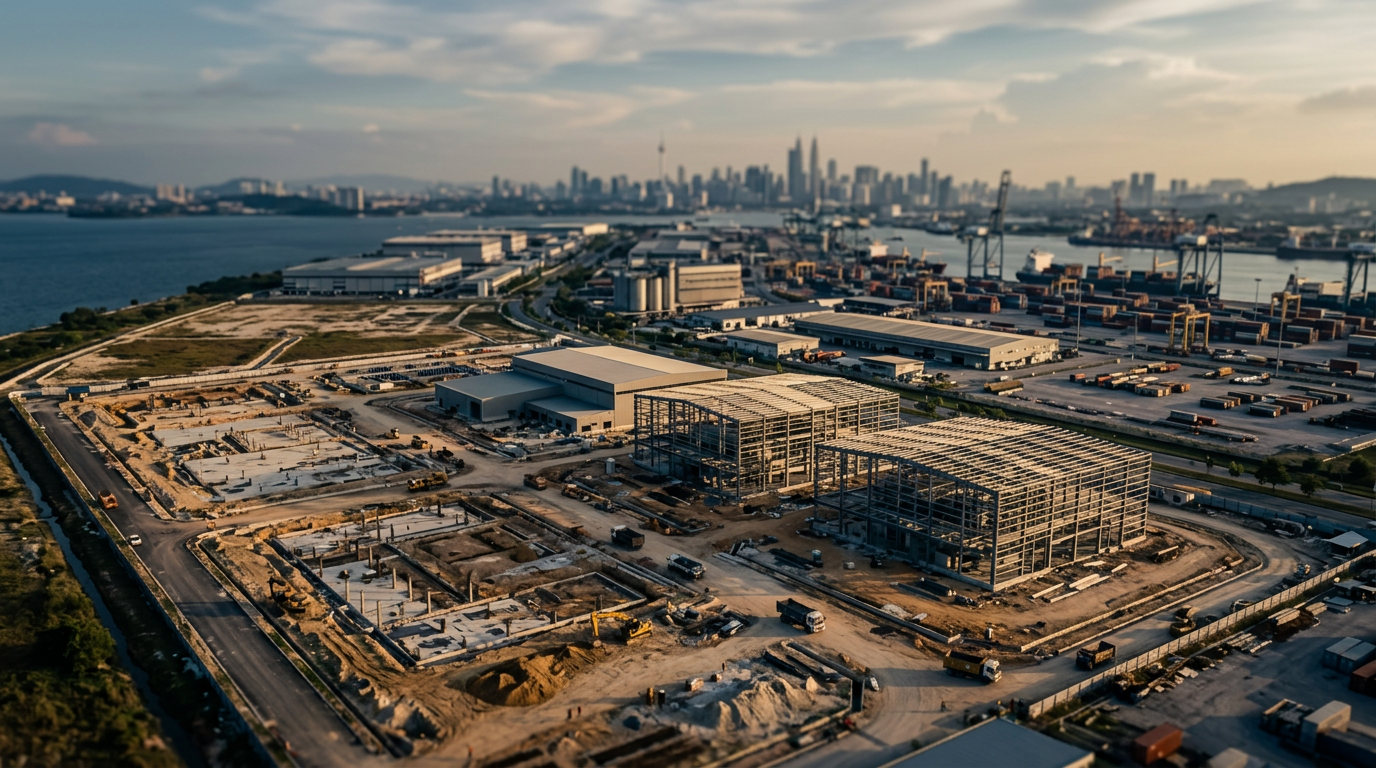
Alibaba Cloud has launched a new cloud region in Johor, a move intended to provide the computing, data, and cybersecurity infrastructure to accelerate Malaysia's development of its digital economy and AI capabilities, as reported by the New Straits Times. This investment by a global technology firm provides a powerful toolkit for Malaysia, but it also focuses attention on the foundational elements of digital sovereignty.
The Infrastructure Layer
A modern digital economy runs on data, and large-scale AI models require immense computational power. The establishment of hyperscale data centers, like the new Alibaba Cloud facility, is a fundamental component of the national infrastructure required to compete. For Malaysia, having this infrastructure on its own soil offers tangible benefits, including lower latency for applications and a straightforward solution for data residency requirements, which are a common feature of national data governance frameworks. This addresses the "compute" element of the digital economy stack. However, the presence of physical servers is only the first step. The real work lies in execution-how government and industry leverage this new capacity. It requires clear institutional strategies for developing talent, promoting adoption among local enterprises, and integrating these new resources into the national economic plan.
Data, Identity, and Control
Beyond raw computing power, the more abstract layers of the digital economy-the data itself and the digital identity systems that manage access and verification-are where long-term economic control resides. As the book ASEAN Rising argues, sovereign capability in the age of AI will be "tested not by model launches but by who controls the compute, the data layer and the digital identity rails that sit underneath everyday economic life." These rails are the plumbing of a modern economy, facilitating everything from financial transactions to access to government services.
Attracting foreign capital to build out this infrastructure is a pragmatic step for many governments in ASEAN . Yet it also necessitates a clear-eyed approach to building trust and ensuring that the frameworks governing data and identity serve the national interest. When a few large international firms provide the core infrastructure, it concentrates immense influence over the flow of economic data. Building durable, trusted domestic institutions and regulatory frameworks to oversee this ecosystem is therefore as important as the physical infrastructure itself.
Balancing Investment and Autonomy
The Johor data center illustrates the path many Southeast Asian nations are taking: welcoming foreign investment and technology to accelerate domestic growth. This injection of capital and advanced technology can help local firms get access to world-class tools without the massive upfront expense. Malaysia, through its various digital economy blueprints, has signaled its intent to use such investments as a catalyst.
The strategic objective must be to convert this access into genuine domestic capability. This involves a sustained effort to cultivate local talent that understands how to build and manage these systems. It also requires fostering a local technology ecosystem that can, in time, develop its own solutions and intellectual property. The long-term goal is to move from being a consumer of foreign technology to a partner and a creator, ensuring that the benefits of the digital economy are broadly shared and that the nation retains autonomy over its economic future.
What to watch
The most significant developments to monitor will be the evolution of national and regional policies on data governance, data localization, and cross-border data flows. Observe how governments in the region choose to regulate the major cloud providers to encourage competition and protect against dependencies. The progress of national digital identity projects across Southeast Asia will also be a key indicator of how governments are asserting control over the foundational elements of their digital economies, even as they embrace foreign investment to build them.