
ASEAN Analysis & Commentary
Every analysis published on ASEAN Rising is sourced, datestamped and signed. We're more interested in being right in 12 months than first in 12 minutes.
Foundation pieces
Start here. The three pieces below set out the lens ASEAN Rising uses to read every story.
ASEAN Rising's core lens. Execution Economics is the study of whether countries, companies and institutions can convert obvious potential into delivered outcomes - and which six pillars decide the answer.
The region has capital, demographics, location and policy ambition. None of that has ever been the binding constraint. The next decade is an execution test, not a potential test - and it is already being scored.
Malaysia is the test case for whether ASEAN's middle powers can turn FDI, semiconductors and data centres into compounding domestic capability. Read the live coverage and execution scorecard.
Analysis tagged #Hong Kong
 Cambodia
Hong Kong's Airport Project and the Power of Predictability
A major project takeover at Hong Kong's airport shows that a usable state is often more valuable than an exciting one.
 Cambodia
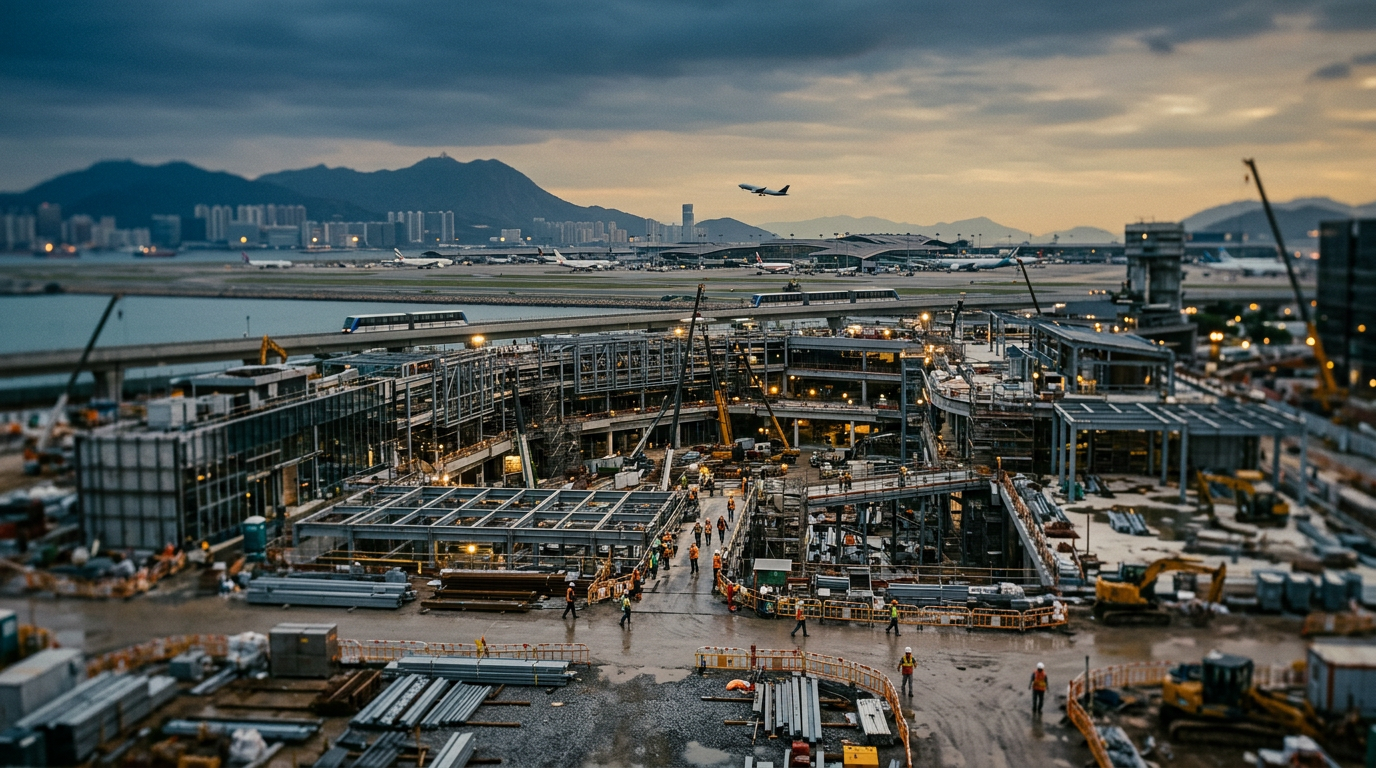
State Capacity on Display at Hong Kong International Airport
Hong Kong's government is taking over the 11 Skies commercial project, aiming to reshape it into a high-end tourism and commercial hub. This move puts the spotlight on the importance of state capacity and reliable execution in delivering complex infrastructure, a theme central.
 Cambodia
Hong Kong Repositions a Landmark Project, Highlighting a Broader ASEAN Theme
A decision by the Hong Kong Airport Authority to take over and reshape a major commercial development offers a contrast to the steady, delivery-focused infrastructure projects that are becoming a hallmark of ASEAN economies.
 Cambodia
State Capacity on Display in Hong Kong Airport Project
Hong Kong's airport authority is taking direct control of a stalled commercial project, an example of institutional capacity being deployed to correct course.
 Cambodia
State Capacity on Display at Hong Kong's Airport
Institutional reliability has become part of comparative advantage. A usable state is often more valuable than an exciting one.
 Cambodia
The Value of a Usable State: Lessons from Hong Kong's Airport Project
Hong Kong's move to take over the 11 Skies commercial project highlights a core theme from ASEAN Rising: institutional reliability is a key part of comparative advantage. A usable state is often more valuable than an exciting one.
 Cambodia
State Capacity on Display as Hong Kong Reworks Airport Project
Hong Kong's move to reshape a major commercial project at its airport is a live test of institutional reliability and state capacity in the face of shifting economic conditions.
 Cambodia
State Capacity on Display at Hong Kong's Airport City
Hong Kong's move to reshape the 11 Skies project is a live test of institutional reliability and the state's capacity to execute complex, large-scale infrastructure projects with efficiency.
 Cambodia
State Capacity and the Allure of the Understated
Governments that can execute on infrastructure projects build more than just roads and bridges; they build trust. When a state can deliver, it gains a competitive edge.
 Cambodia
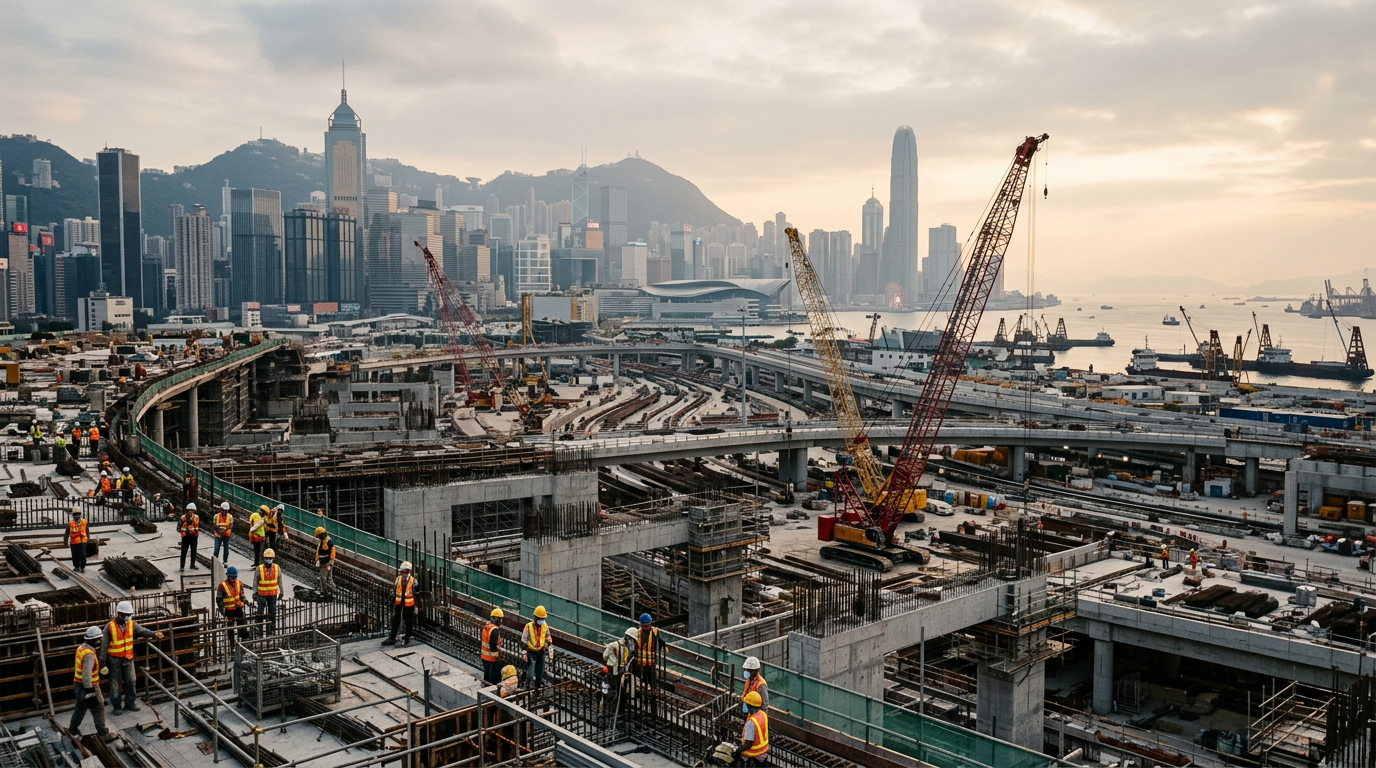
State Capacity on Display at Hong Kong International Airport
Hong Kong's government is taking direct control of a major airport commercial project, betting that state capacity can deliver where the private sector has stumbled.
 Cambodia
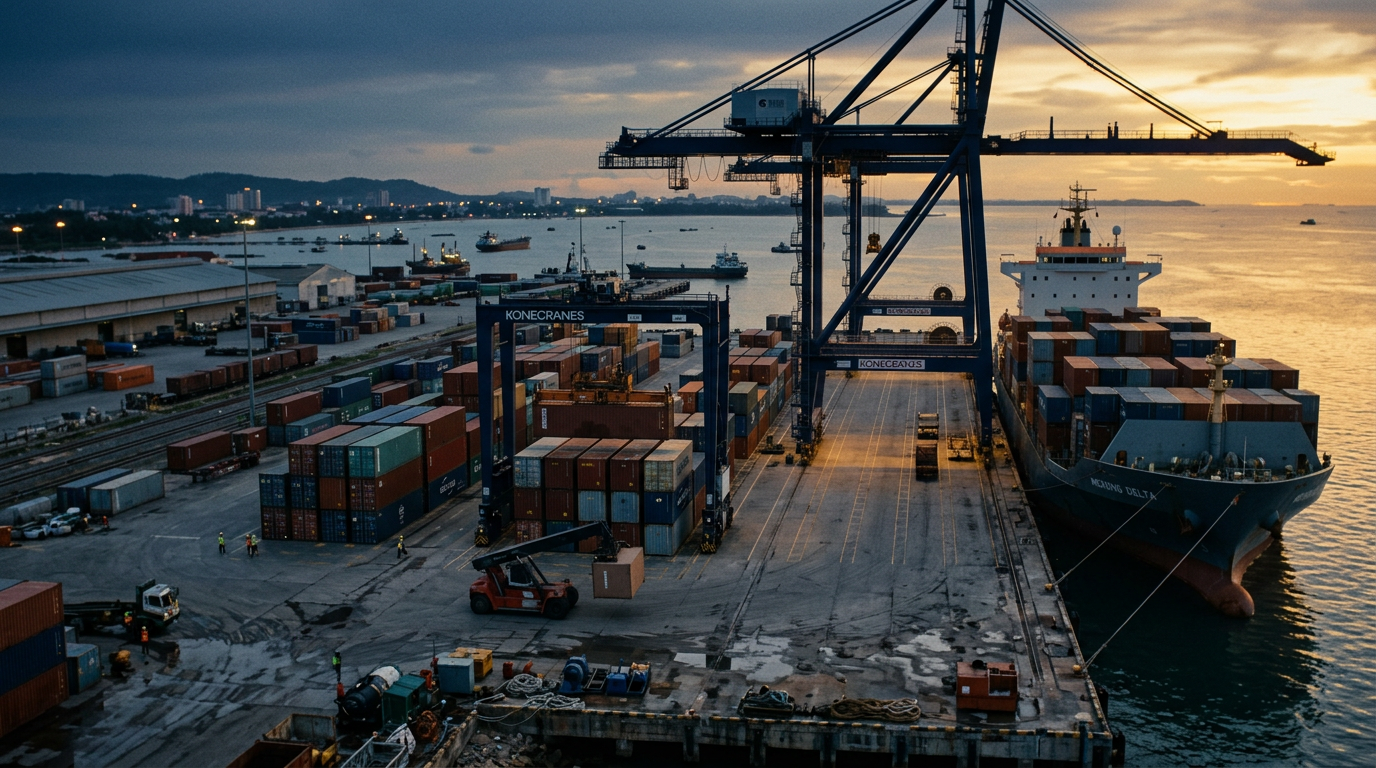
State Capacity and the Signal of Execution
The decision by Hong Kong's Airport Authority to take over the 11 Skies project is a signal that institutional reliability is as important as the initial announcement. For Southeast Asia, the ability to execute large-scale projects is a core part of its value proposition.
 Cambodia
State Capacity and the Price of Inaction
When a major infrastructure project is terminated, it is a stark reminder that institutional reliability is a core component of comparative advantage. A state that can deliver is more valuable than one that just makes announcements.

 Singapore
 Firms Look North: Capital, Institutions, and Hong Kong Real Estate
Singapore real estate group UOL's reported talks to acquire a Hong Kong hotel show how Singapore's institutional strength and deep capital markets are driving its firms to seek scale abroad.
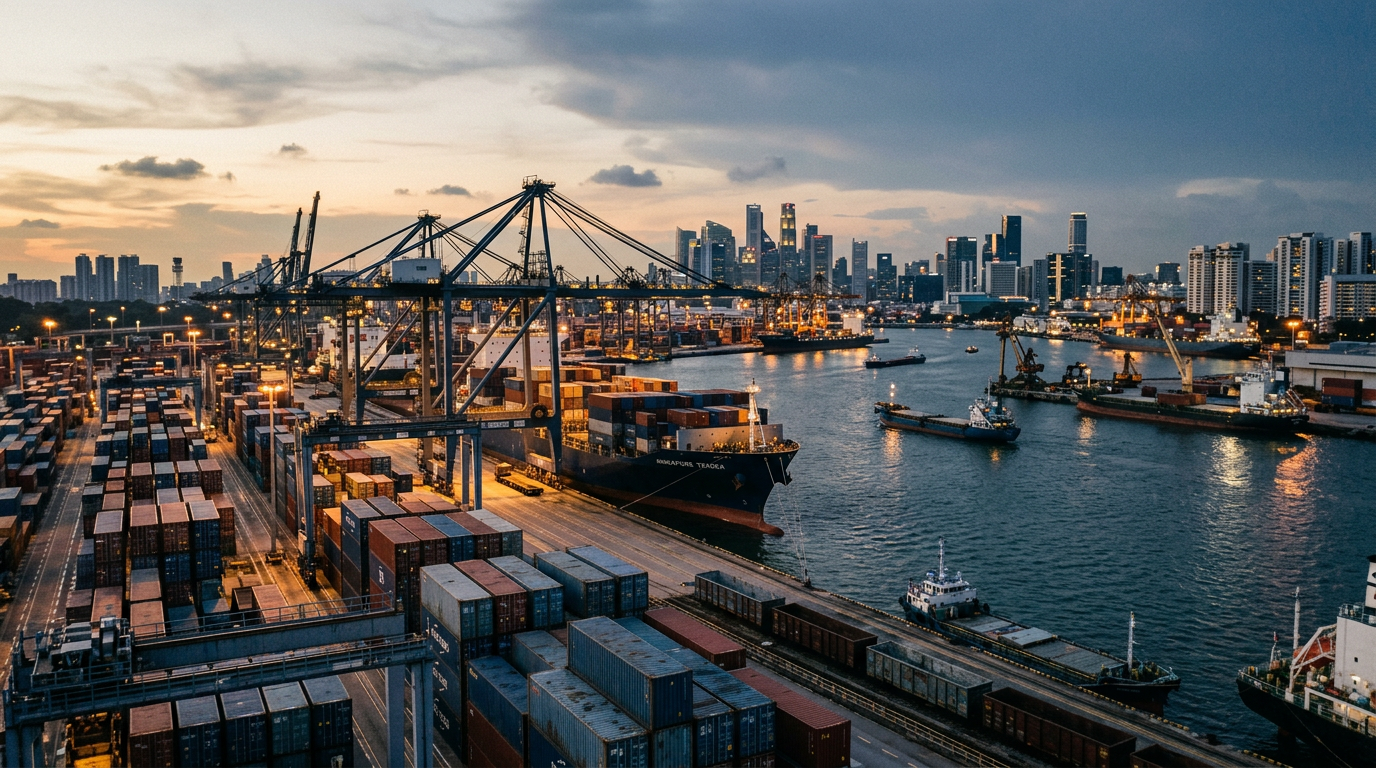
RCEP's Expansion Signals a Widening Trade Network
The likely expansion of RCEP to include Hong Kong and Chile extends the trade pact's reach, but also deepens the economic ties between its members and China, requiring a delicate balance between opportunity and dependency.
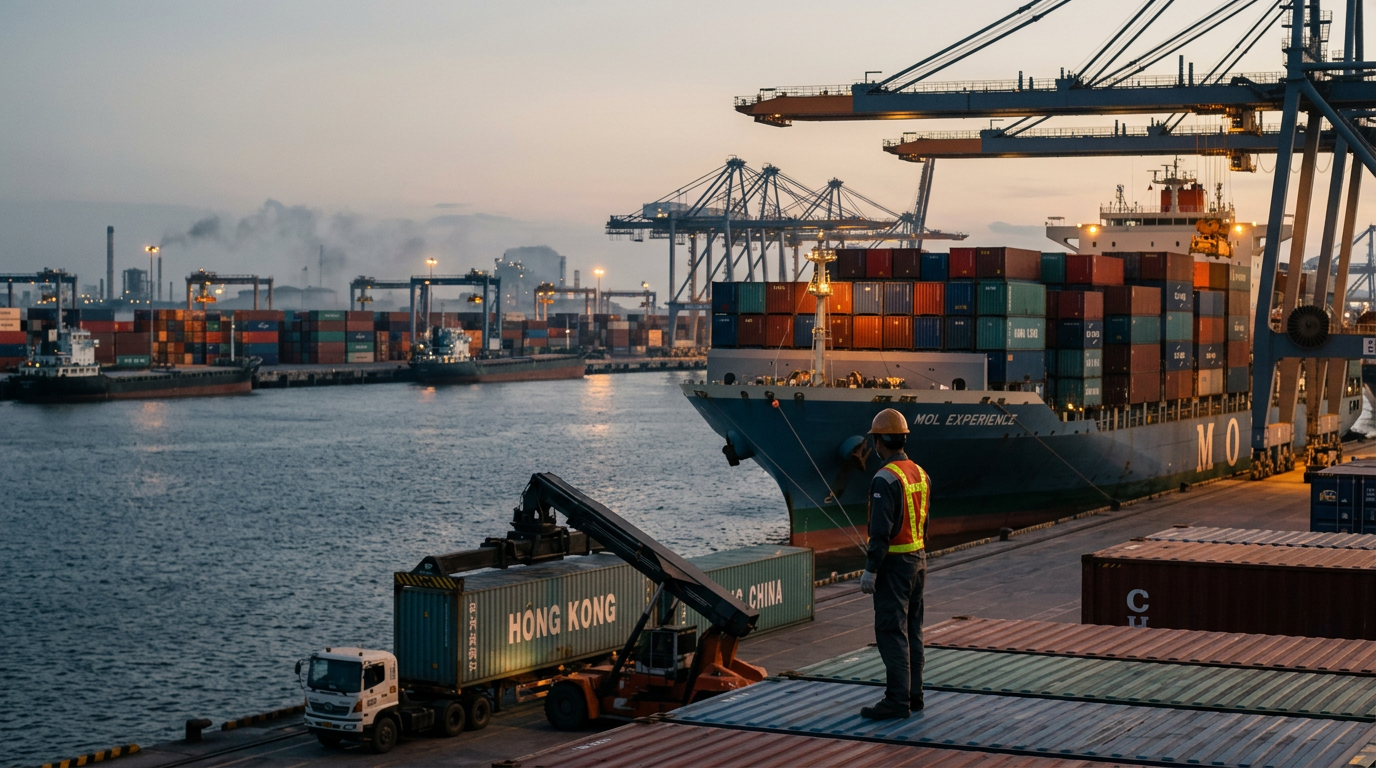
 Vietnam
ASEAN Deepens China Trade Through Hong Kong
The recent ASEAN-Hong Kong consultation adds another layer to an already deep trade relationship with China. For ASEAN, the question is how to manage this deepening dependency without losing strategic options.
From Handshakes to Hard Hats: AHKIA and the Test of Implementation
An amended investment agreement with Hong Kong is a positive step. But as ASEAN Rising notes, the real work for solidifying investment flows happens on the ground, through institutions that can connect capital to tangible projects.
 Singapore
Capital Flows and Execution Risks in ASEAN
The rise of intra-ASEAN investment is a marker of the bloc's maturing economies. Yet, turning this capital into productive assets depends on the unglamorous work of institutional execution.

 Malaysia
ASEAN Deepens China Trade Dialogue in Hong Kong
The ASEAN Secretary-General's visit to a Hong Kong trade forum highlights a core reality: deep economic ties with China are a permanent feature for the bloc, demanding a strategic approach to managing dependency while preserving policy choice.