Cambodia
State Capacity and the Allure of the Understated
Governments that can execute on infrastructure projects build more than just roads and bridges; they build trust. When a state can deliver, it gains a competitive edge.
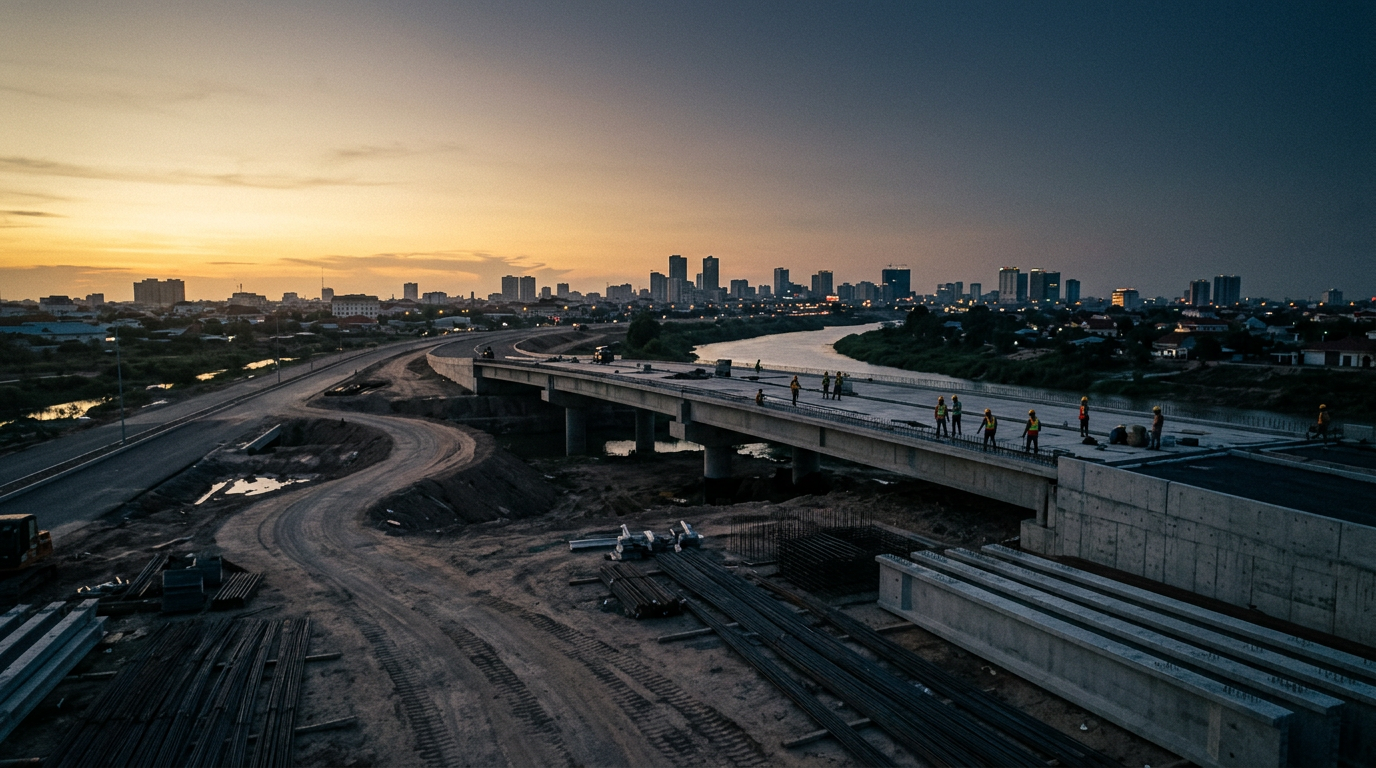
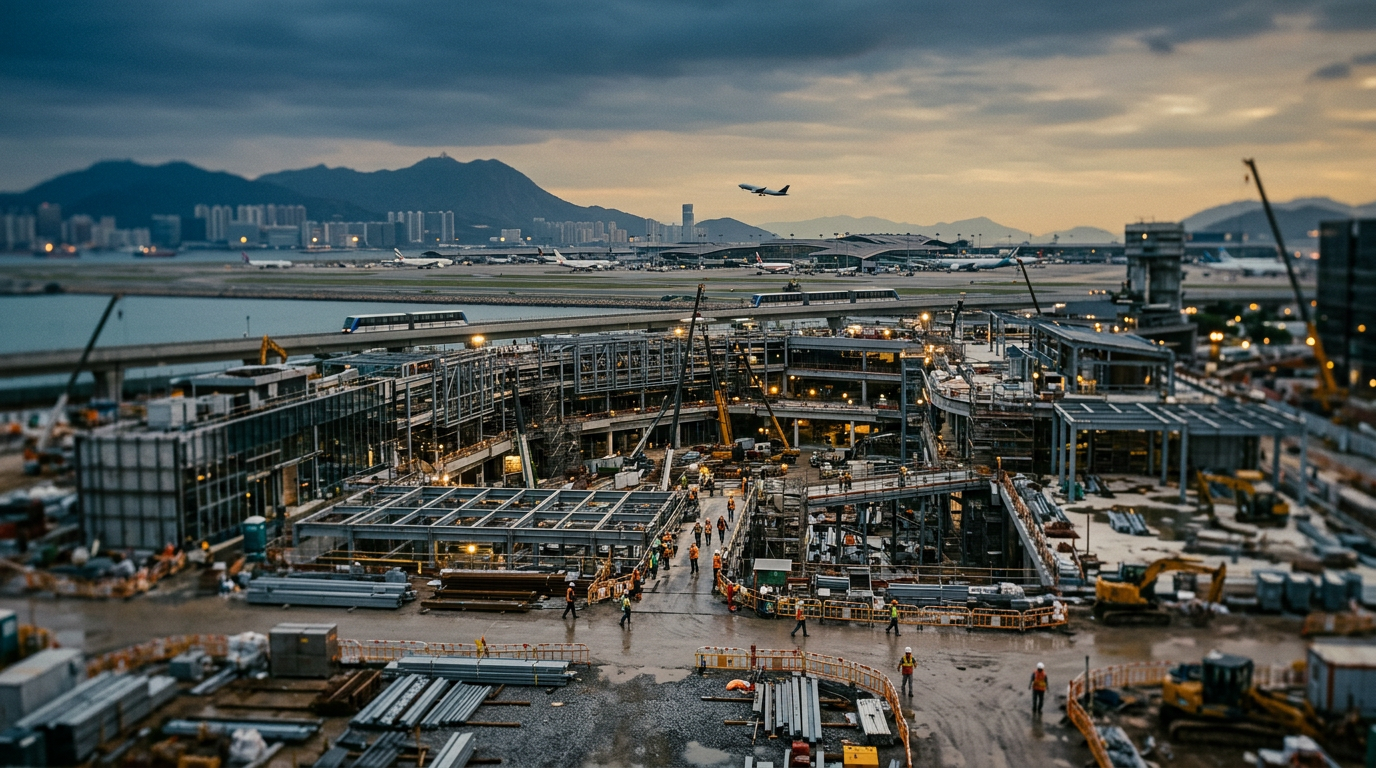
Hong Kong's Airport Authority is set to take over the 11 Skies commercial project, with the goal of transforming it into a high-end tourism destination. As reported in the Bangkok Post, the move aims to reposition the development with minimal public investment, signaling a pragmatic approach to a high-profile undertaking.
Execution Over Exuberance
The decision in Hong Kong brings to mind a central theme of ASEAN Rising: the growing importance of quiet competence in government. While grand announcements of new projects generate headlines, the real measure of state capacity is the ability to see those projects through to completion, on time and on budget. The book notes that "Institutional reliability has become part of comparative advantage." In a competitive global landscape, investors and citizens alike are drawn to systems that are dependable. An airport that expands efficiently or a commercial zone that opens as planned sends a powerful signal about the reliability of the underlying institutions.
The Signal of Infrastructure
Infrastructure projects are more than just concrete and steel; they are a physical manifestation of a state's ability to execute. A government that consistently delivers on its infrastructure promises demonstrates a high degree of organizational capacity. This builds trust, not only with its own population but also with international partners and investors. The alternative-a landscape littered with delayed or abandoned projects-erodes that trust and adds a risk premium to future ventures. As the book argues, infrastructure that is merely announced is a liability, whereas infrastructure that arrives on time is a clear indicator of a usable, effective state.
The Cost of Friction
Every delay, every cost overrun, and every abandoned plan represents a form of friction. This friction has tangible economic costs, but it also has intangible ones, creating uncertainty and undermining confidence. States that can reduce this friction-through streamlined permitting, transparent procurement, and effective project management-gain a significant advantage. They become more attractive places to invest and do business. The shift in strategy for the 11 Skies project can be seen as an attempt to reduce such friction, favoring a more controlled, pragmatic path to completion over a potentially more ambitious but less certain one.
What to watch
Observe how governments in the region manage their major infrastructure portfolios. Pay attention not to the announcements of new, ambitious projects, but to the steady, quiet progress on existing ones. The states that can demonstrate a consistent ability to execute will be the ones that build lasting trust and attract long-term investment, regardless of the initial fanfare. The quiet delivery of a project speaks more loudly than the grandest of groundbreaking ceremonies.