Cambodia
Hong Kong Repositions a Landmark Project, Highlighting a Broader ASEAN Theme
A decision by the Hong Kong Airport Authority to take over and reshape a major commercial development offers a contrast to the steady, delivery-focused infrastructure projects that are becoming a hallmark of ASEAN economies.
Execution over announcements
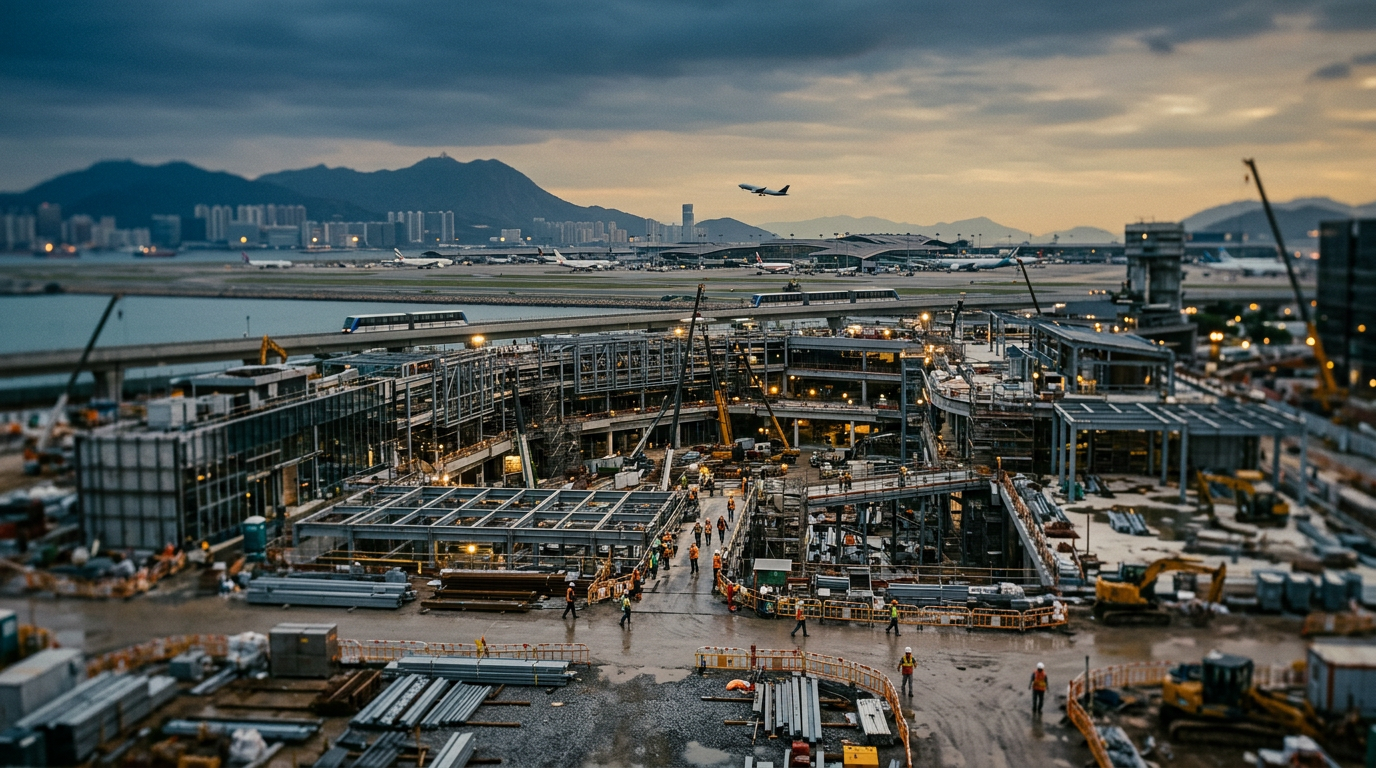
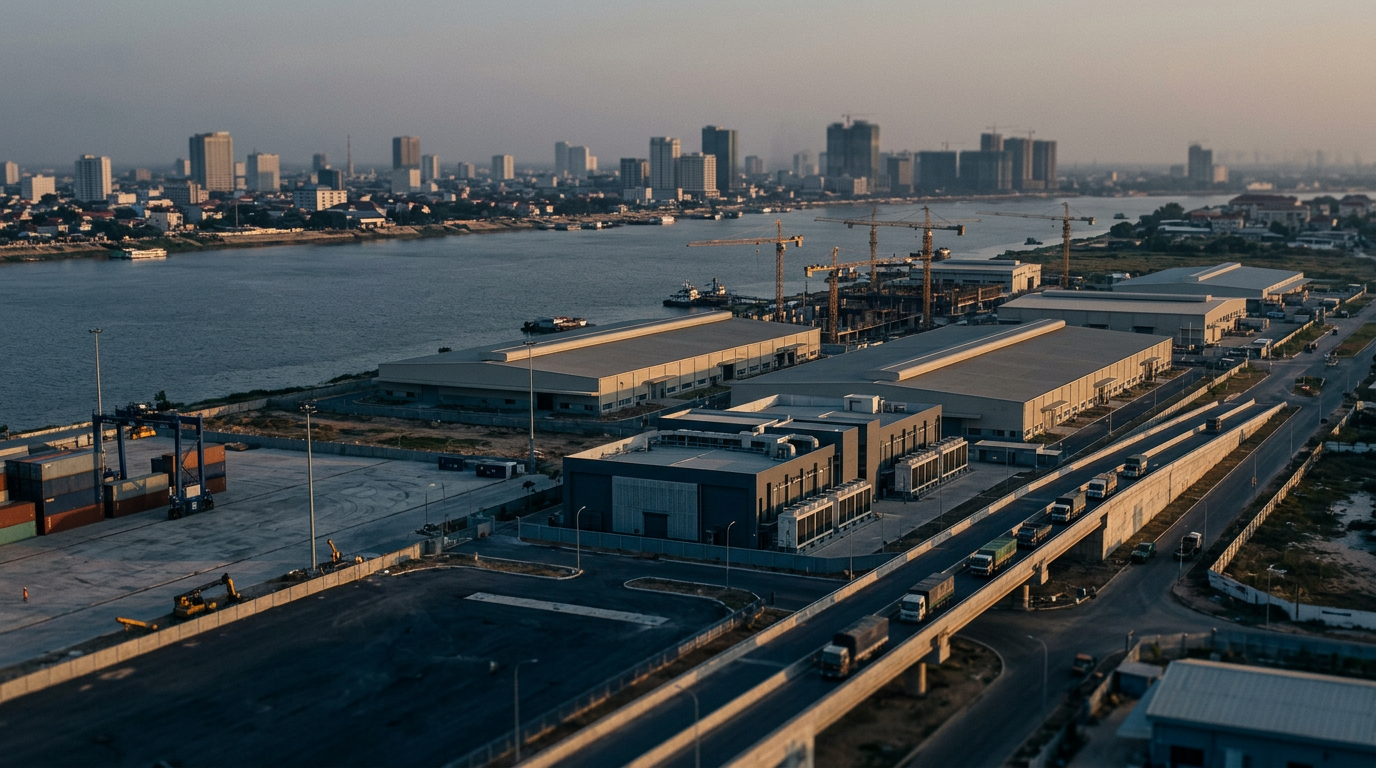
The Hong Kong Airport Authority plans to take over the 11 Skies commercial project, repositioning it as a high-end tourism destination. As reported by the Bangkok Post, the move aims to create a landmark with minimal public investment. This strategic pivot on a high-profile project draws a contrast with an important, if less flashy, trend within ASEAN: a focus on the steady execution of infrastructure rather than just the announcement of ambitious plans.
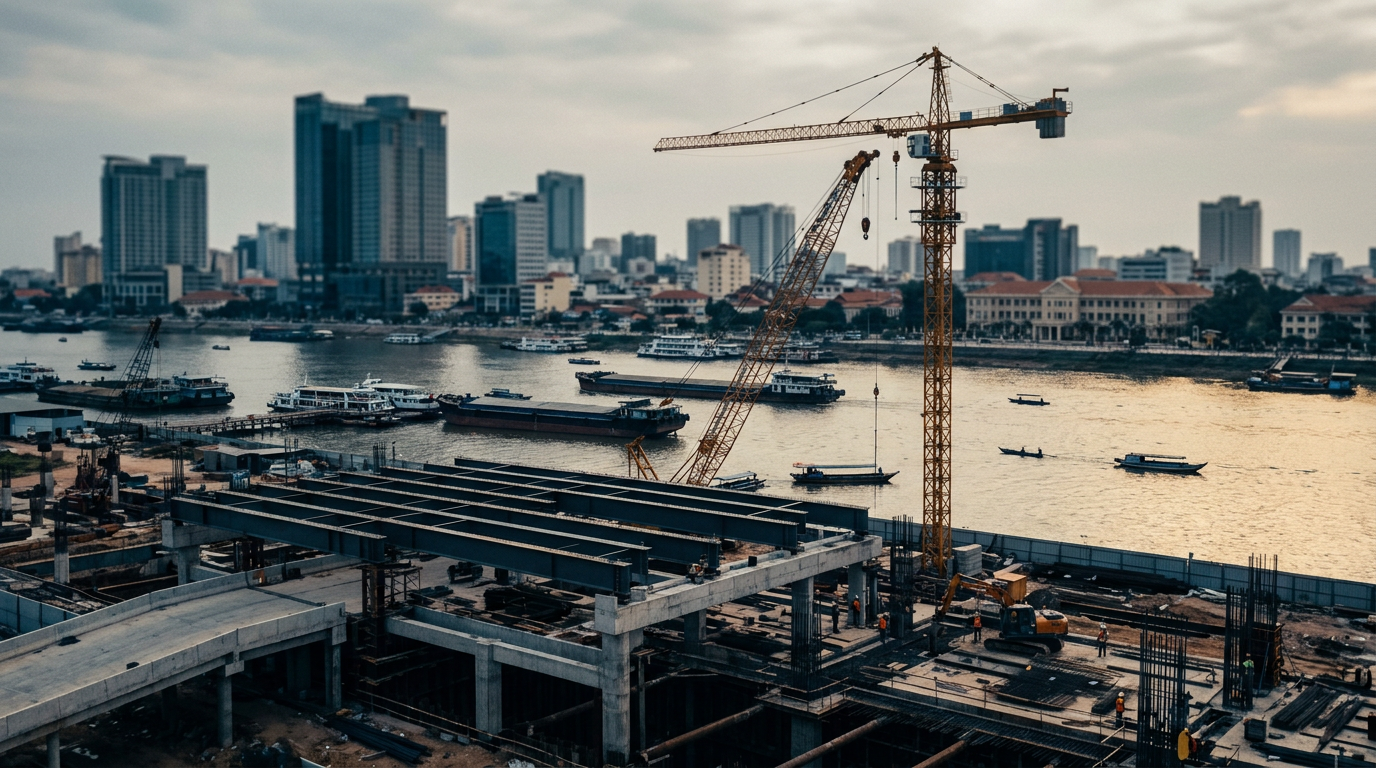
The reliability of project completion is a core element of state capacity. As ASEAN Rising argues, many of the region's governments have internalized the idea that delivering infrastructure on schedule is a powerful signal to investors and the public. "Infrastructure that arrives on time signals more than infrastructure that is merely announced." This capability demonstrates a government's ability to manage complex, long-term initiatives, which in turn builds trust and attracts capital. While Hong Kong adjusts its strategy on a single large-scale development, the quiet, consistent progress on roads, ports, and digital networks across Southeast Asia is building a different kind of reputation-one based on dependability.
The value of a usable state
This emphasis on execution reflects a broader understanding that a "usable state is often more valuable than an exciting one." For businesses looking to invest in the region, predictability is a significant asset. The ability to forecast timelines for construction, logistics, and market entry based on reliable government performance reduces risk and lowers the cost of doing business. The friction caused by delays, regulatory shifts, and abandoned projects can be a substantial hidden tax on investment.
ASEAN member states are increasingly competing not just on the basis of labor costs or market size, but on the quality and reliability of their institutions. A government that can consistently deliver on its infrastructure promises provides a stable platform for private sector growth. This institutional reliability has, in effect, become a new form of comparative advantage. It assures investors that the foundational systems needed to run a business are not only present but are also improving in a predictable manner. The Hong Kong 11 Skies example is a case of a single, large project being reimagined, whereas the trend in ASEAN is toward systemic, broad-based improvements in project delivery that create a more attractive environment for long-term capital commitments.
What to watch
What to watch is whether the steady, incremental build-out of functional infrastructure across ASEAN continues to attract more diverse and higher-value foreign direct investment than one-off, high-profile projects. The region's bet is that the cumulative impact of many completed projects will create a more resilient and attractive economic bloc than a landscape dotted with a few spectacular, but potentially isolated, landmarks. The focus will remain on how effectively governments can translate plans into tangible assets that lower friction for business.