Cambodia
State Capacity on Display at Hong Kong International Airport
Hong Kong's government is taking direct control of a major airport commercial project, betting that state capacity can deliver where the private sector has stumbled.
The state steps in
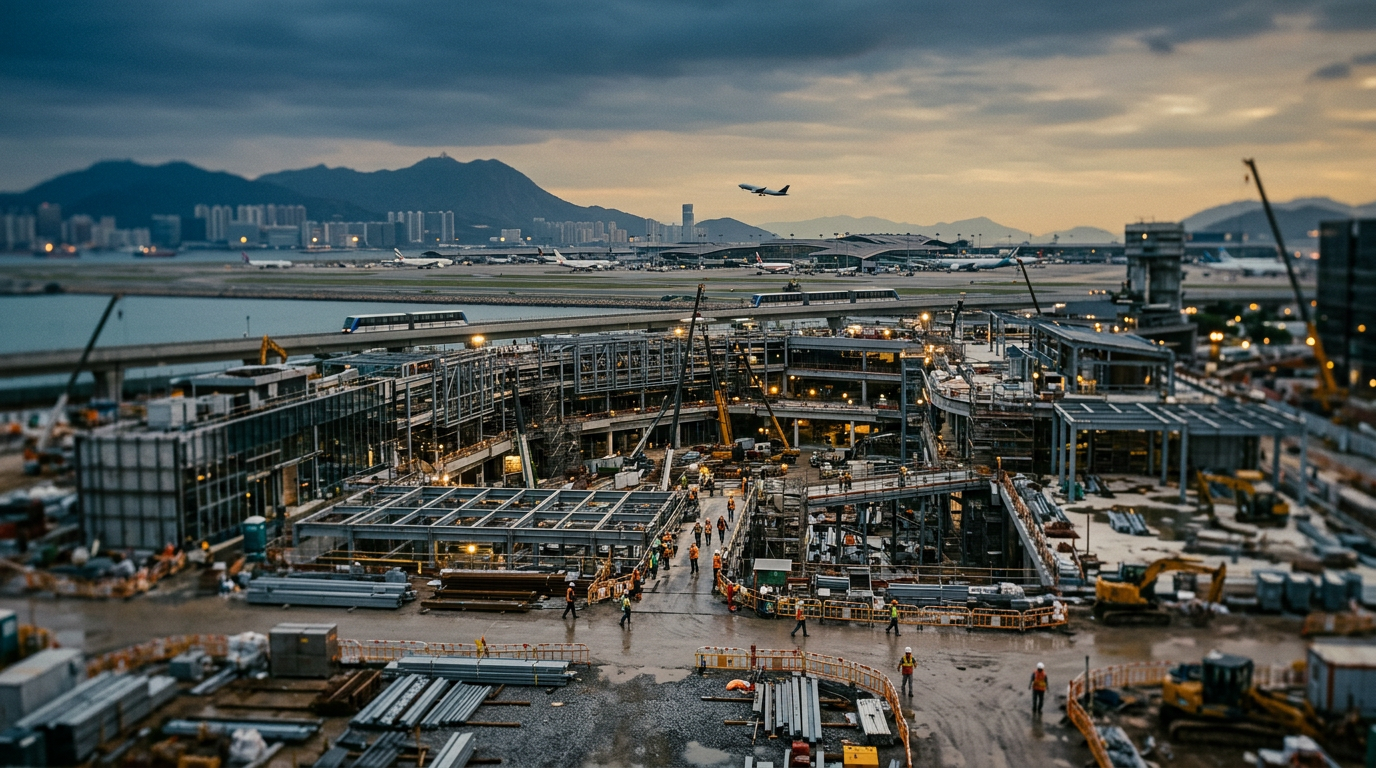
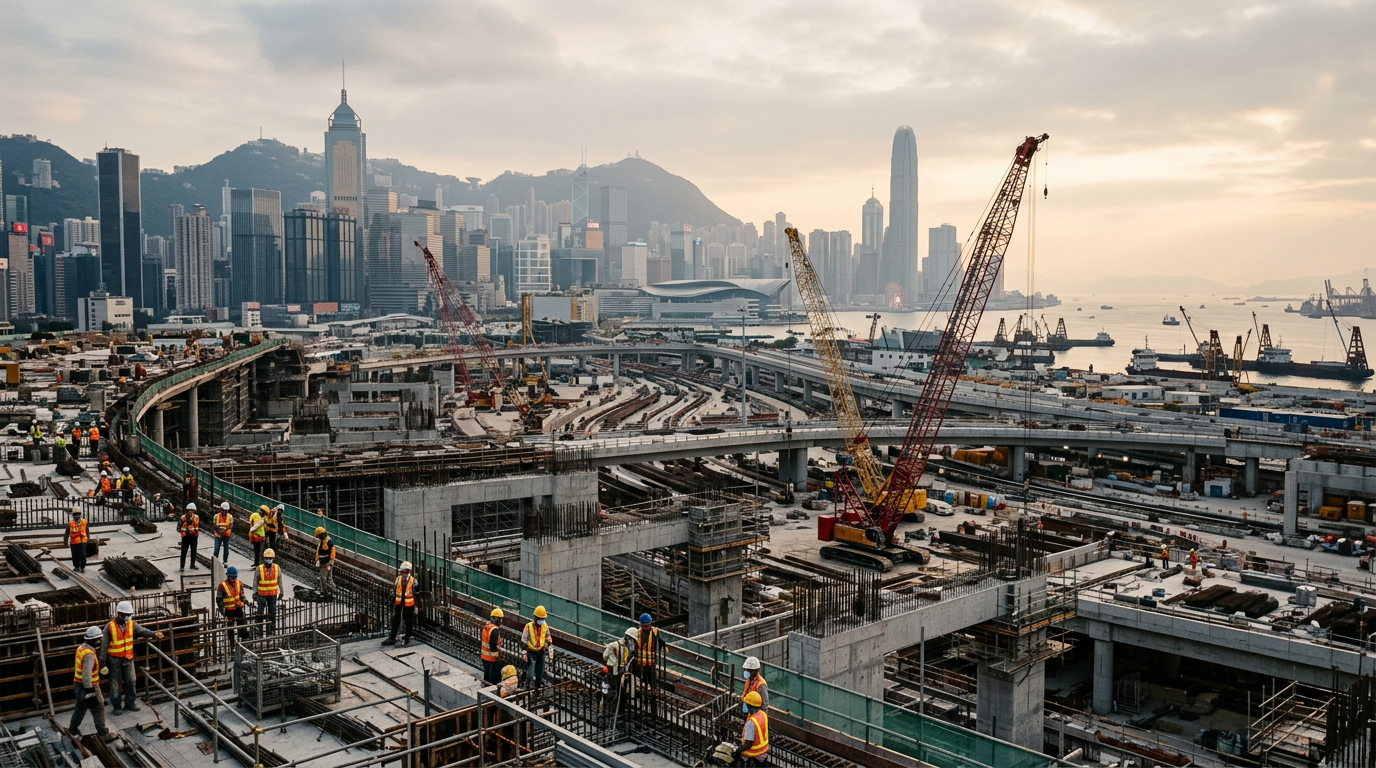
A major commercial development at Hong Kong International Airport, 11 Skies, is being repositioned after its original private backer faced financial difficulties. As reported by the Bangkok Post, the Hong Kong Airport Authority will take over the project in April and transform it into a high-end tourism destination. The move is a direct intervention by a state-affiliated entity to ensure a strategic infrastructure project does not fail, aiming for completion with minimal new public investment.
This decision puts the concept of state capacity into sharp focus. Rather than allowing a high-profile project to languish due to private-sector troubles, the government, through the Airport Authority, is stepping in to manage the execution risk. This is a bet that the reliability of a state-backed institution can succeed where a private developer could not. As detailed in ASEAN Rising, such reliability is not merely a bureaucratic virtue; it is a core component of a jurisdiction's competitive offering to global markets and investors. Hong Kong is making a calculated choice to deploy its institutional strength to protect and enhance a key economic asset.
Infrastructure as signal
The 11 Skies project is more than a collection of shops and entertainment venues; it is a component of the airport's broader "Airport City" strategy. This vision aims to integrate the airport with the Hong Kong-Zhuhai-Macau Bridge and the Greater Bay Area, creating a hub for commerce, tourism, and logistics. The success or failure of such a visible project sends a powerful signal to international partners, investors, and travelers about Hong Kong's ability to execute complex, long-term plans.
The intervention by the Airport Authority is an attempt to control this signal. By taking over the project, the government is working to ensure the development is completed in a way that aligns with its larger strategic goals for the region. The ability to deliver on ambitious infrastructure promises is a key differentiator in a competitive global environment. A finished and functional 11 Skies project would serve as tangible proof of Hong Kong's institutional capacity to manage large-scale developments, reinforcing its reputation as a stable place to do business. "Infrastructure that arrives on time signals more than infrastructure that is merely announced," demonstrating a government's ability to follow through on its commitments.
The value of a usable state
The decision to directly manage the 11 Skies project underscores a broader theme: the economic value of effective government. A state that can reliably deliver services, enforce contracts, and execute on its infrastructure plans creates a predictable environment for business. This predictability, or what might be called a "usable state," reduces friction and lowers the risk for private capital. While grand announcements and exciting plans can generate headlines, it is the quiet competence of institutions that often provides a more solid foundation for sustained economic activity.
In this case, the Hong Kong government is not just salvaging a real estate project; it is reinforcing its claim to be a highly usable and reliable partner for global business. By ensuring the project's completion, the Airport Authority aims to demonstrate that its institutional framework is robust enough to overcome private-sector stumbles and deliver on strategic objectives. This action is a practical application of the idea that institutional reliability itself has become a form of comparative advantage in the global competition for capital and talent. What to watch
The focus now shifts to execution. Observers will be watching to see if the Hong Kong Airport Authority can complete the 11 Skies project on schedule and within its revised budget. The project's final mix of tenants and its successful integration into the broader Airport City concept will be indicators of the government's ability to not only manage construction but also to deliver a commercially successful landmark. The outcome will influence perceptions of Hong Kong's state capacity and its attractiveness as a premier hub for business and tourism in the Greater Bay Area.