
A weekly intelligence brief on Southeast Asia.
Business, capital, technology, trade, policy and execution economics - distilled for investors, boards, founders and policy leaders. 5 regional signals. 1 boardroom implication. No noise.
- → Automatically delivered every Monday morning.
- → Every claim is sourced. No rewrites of yesterday's wires.
- → One-click unsubscribe in every email.
Recent analysis from ASEAN Rising
 Singapore
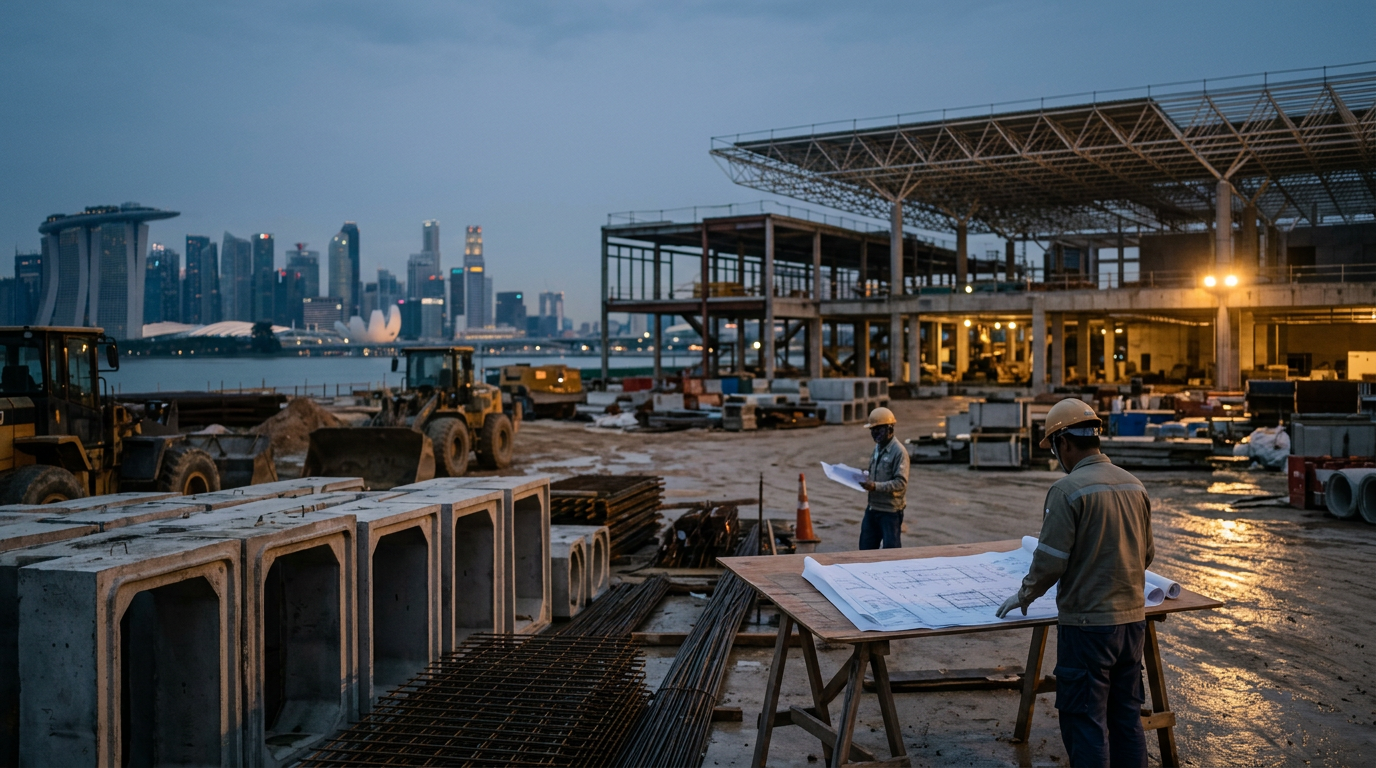
The Hard Work of Airport Investment
Foreign direct investment announcements travel quickly. Realised flows depend on the slower work of land, permits, power, and talent.
 Indonesia
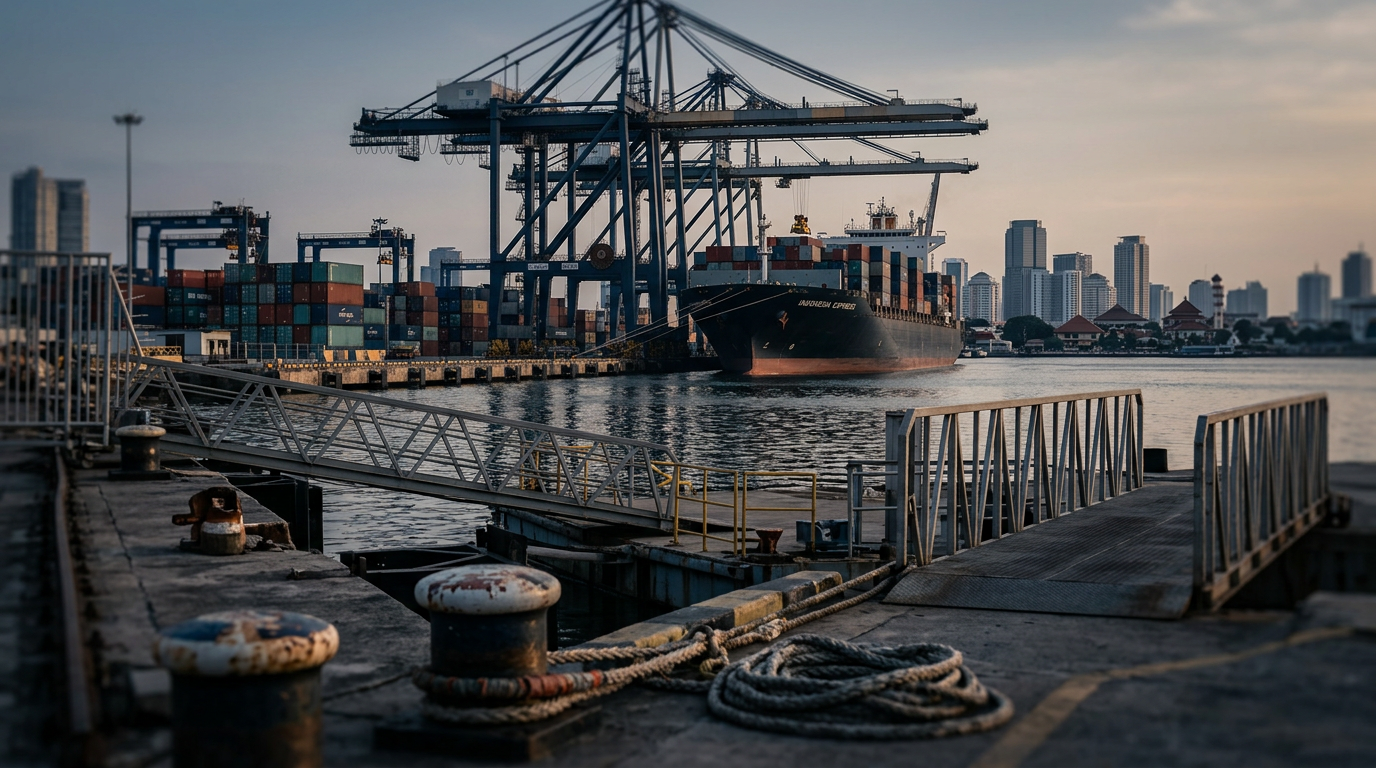
Indonesia Rethinks Its Investment Climate
Recent news of significant offshore investment by a prominent Indonesian family highlights the institutional challenges that can limit the country's ability to absorb domestic and foreign capital.
 Thailand
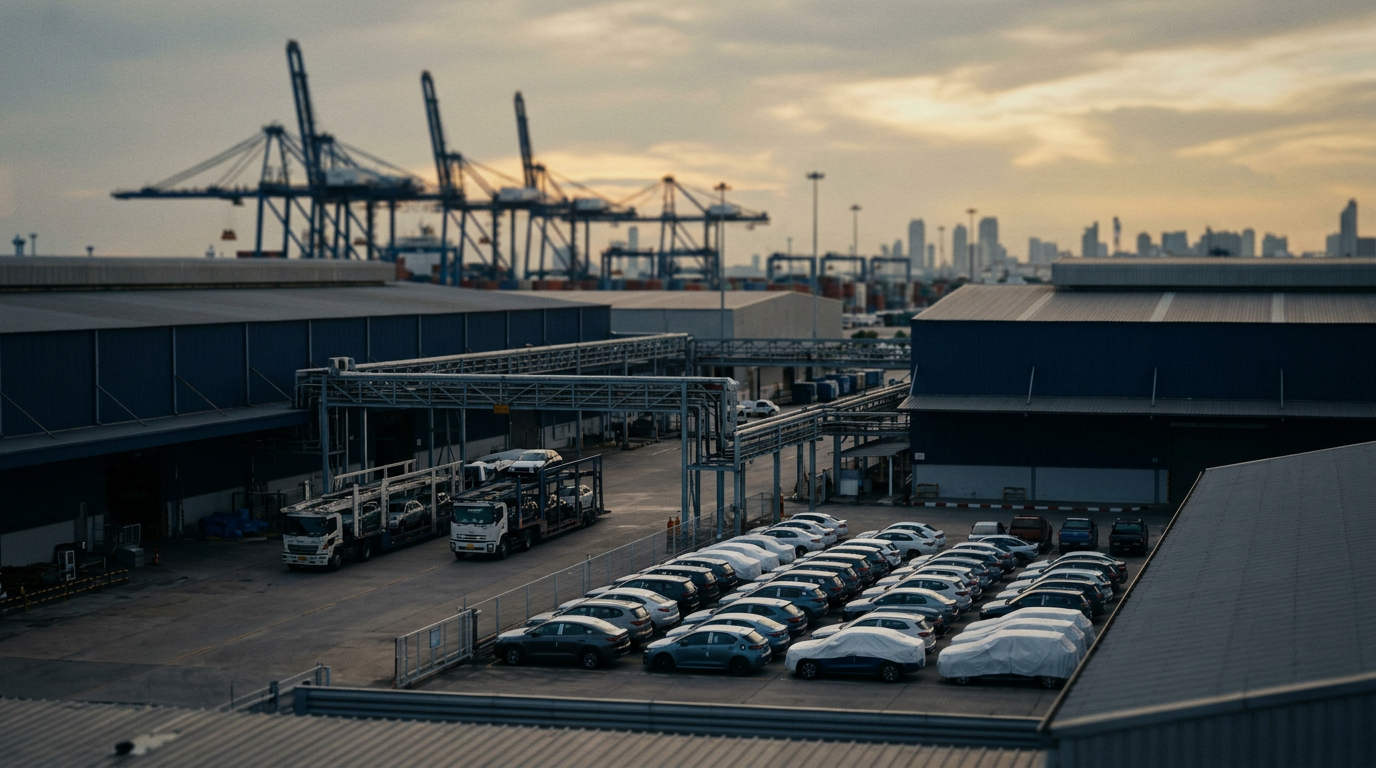
Thailand's EV Tax Shift: A Test of Institutional Execution
Thailand's auto sector is calling for clarity on a revised EV tax policy. The debate shows how a nation's industrial policy framework can determine whether announced foreign investment becomes realised economic value.
 Singapore
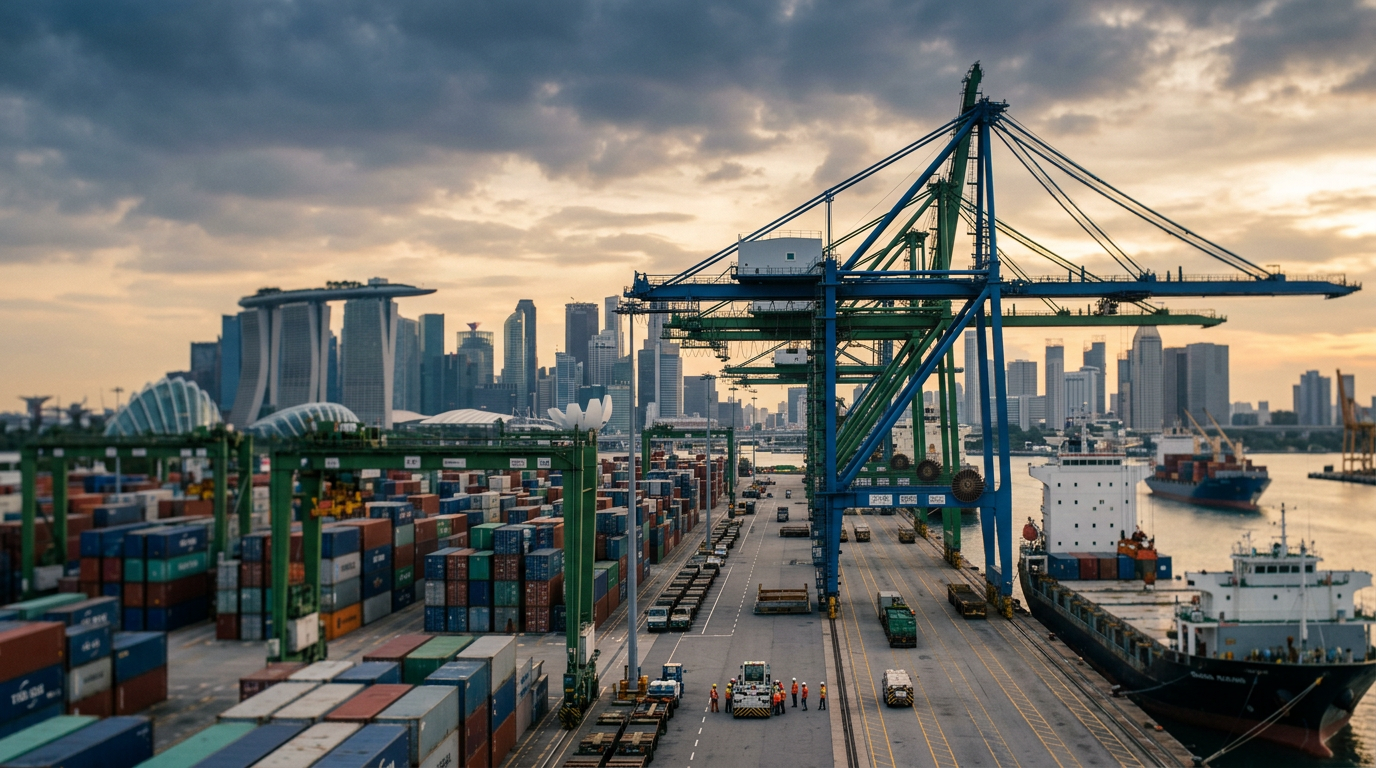
The Infrastructure Layer of Sovereign AI in ASEAN
Sovereign AI in ASEAN will be tested not by model launches but by who controls the compute, the data layer and the digital identity rails that sit underneath everyday economic life.
 Vietnam
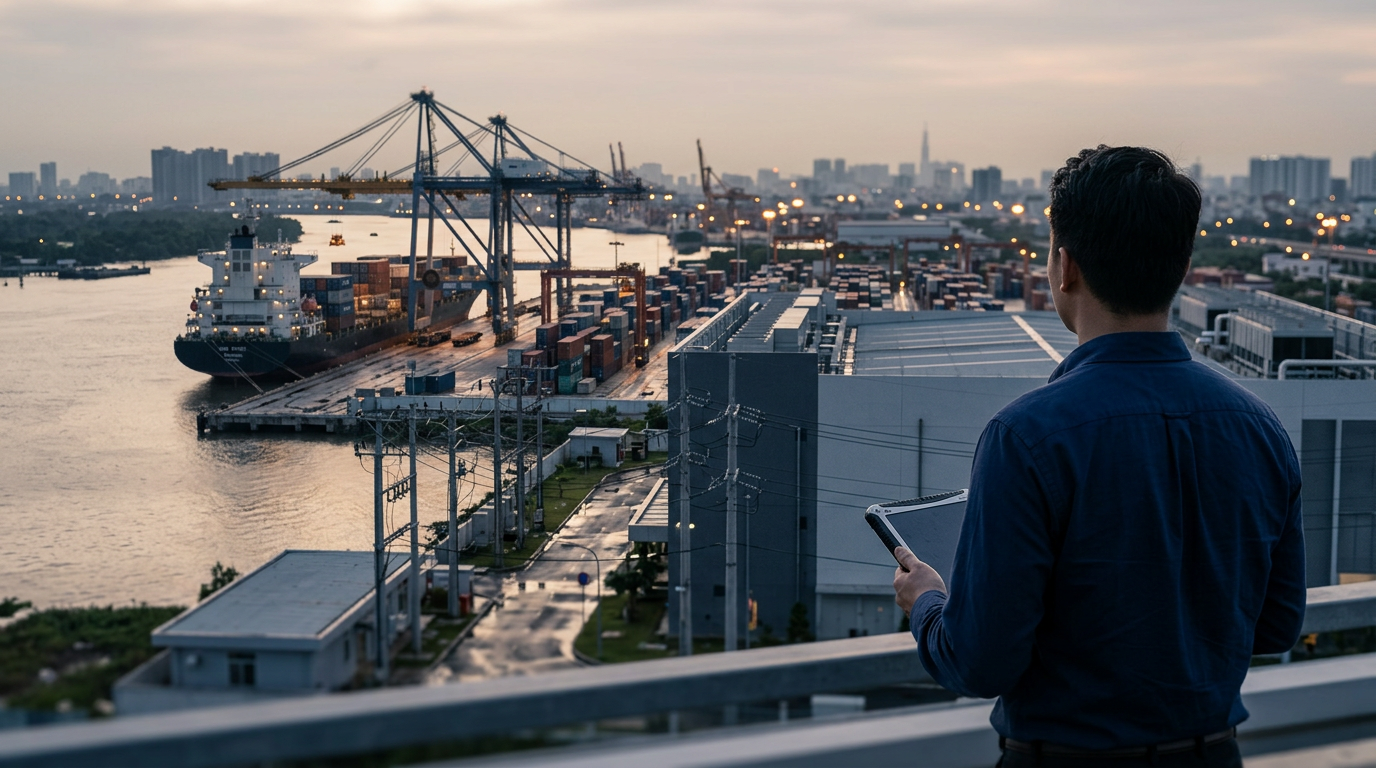
Vietnam's AI Ambition Meets the Sovereignty Test
Vietnam's new $3.5 billion data centre plan shows how its digital economy strategy is evolving, but the project's multinational nature puts the focus on the core challenge of sovereign AI: who controls the infrastructure, data, and identity rails?

 Malaysia
Sovereign AI in ASEAN is about more than models
Sovereign AI in ASEAN will be tested not by model launches but by who controls the compute, the data layer and the digital identity rails that sit underneath everyday economic life.

 Philippines
Visa's Philippine Expansion Signals More Than Growth
When a global firm like Visa expands its footprint in the Philippines, it reflects a broader narrative about the country's improving business environment and institutional reliability.
 Malaysia
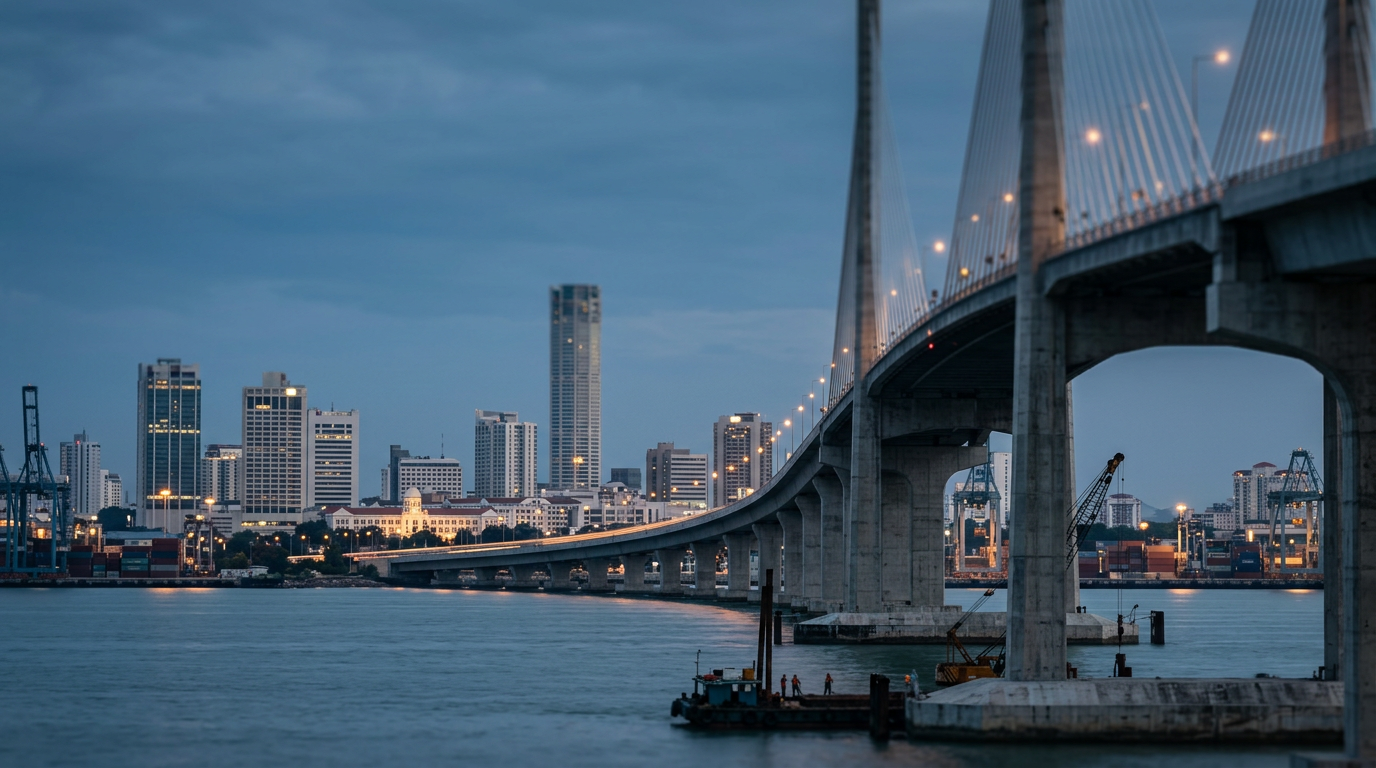
Penang Delivers the Mutiara Line
As Penang prepares for a 21-day road closure to facilitate the construction of the LRT Mutiara Line, the project highlights the connection between state capacity and economic progress. Infrastructure that gets built offers a clearer signal of a state's intentions than ambitious.
 Thailand
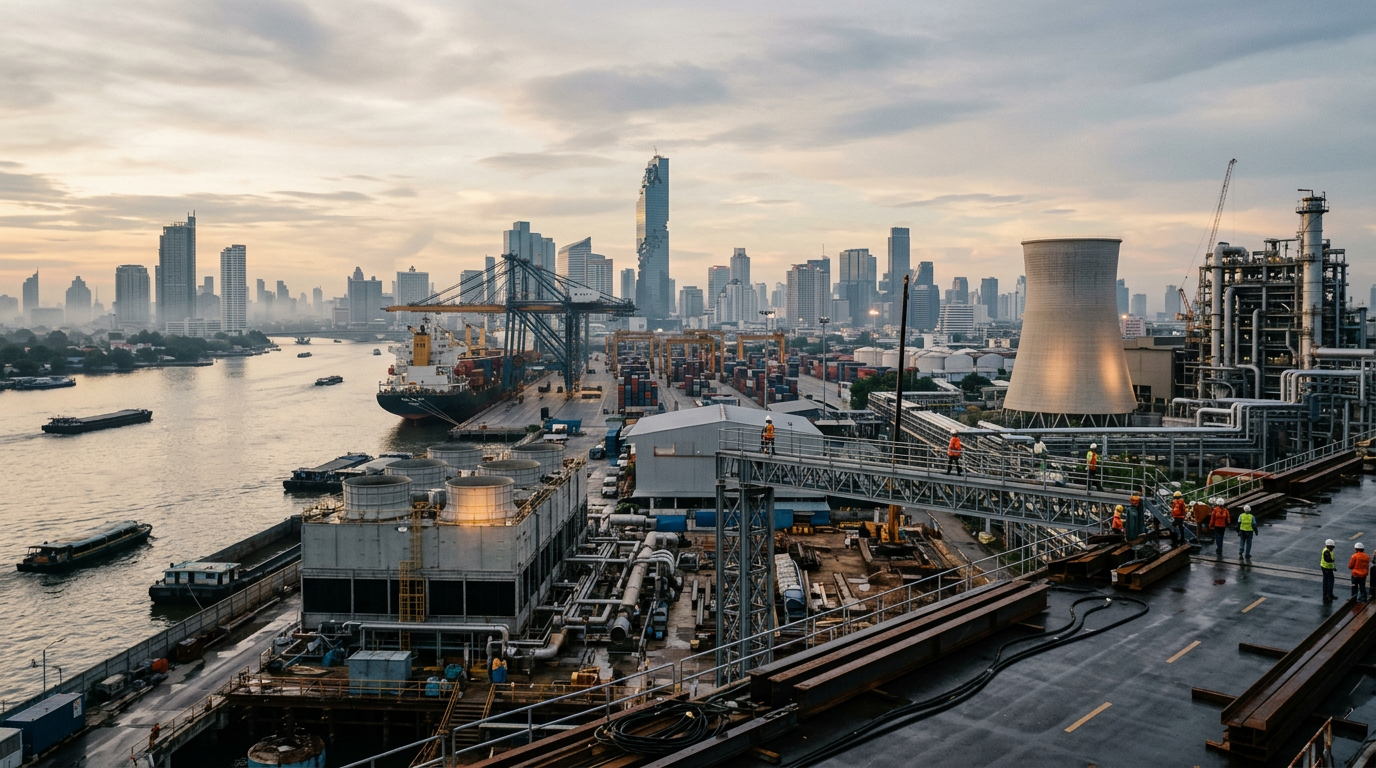
Thailand's Nuclear Ambition Tests State Capacity
Thailand's plan for a small modular reactor by 2037 is a significant test of its institutional capacity. The project's success hinges not just on technology but on the ability of the state to execute a complex, long-term infrastructure project.
 Vietnam
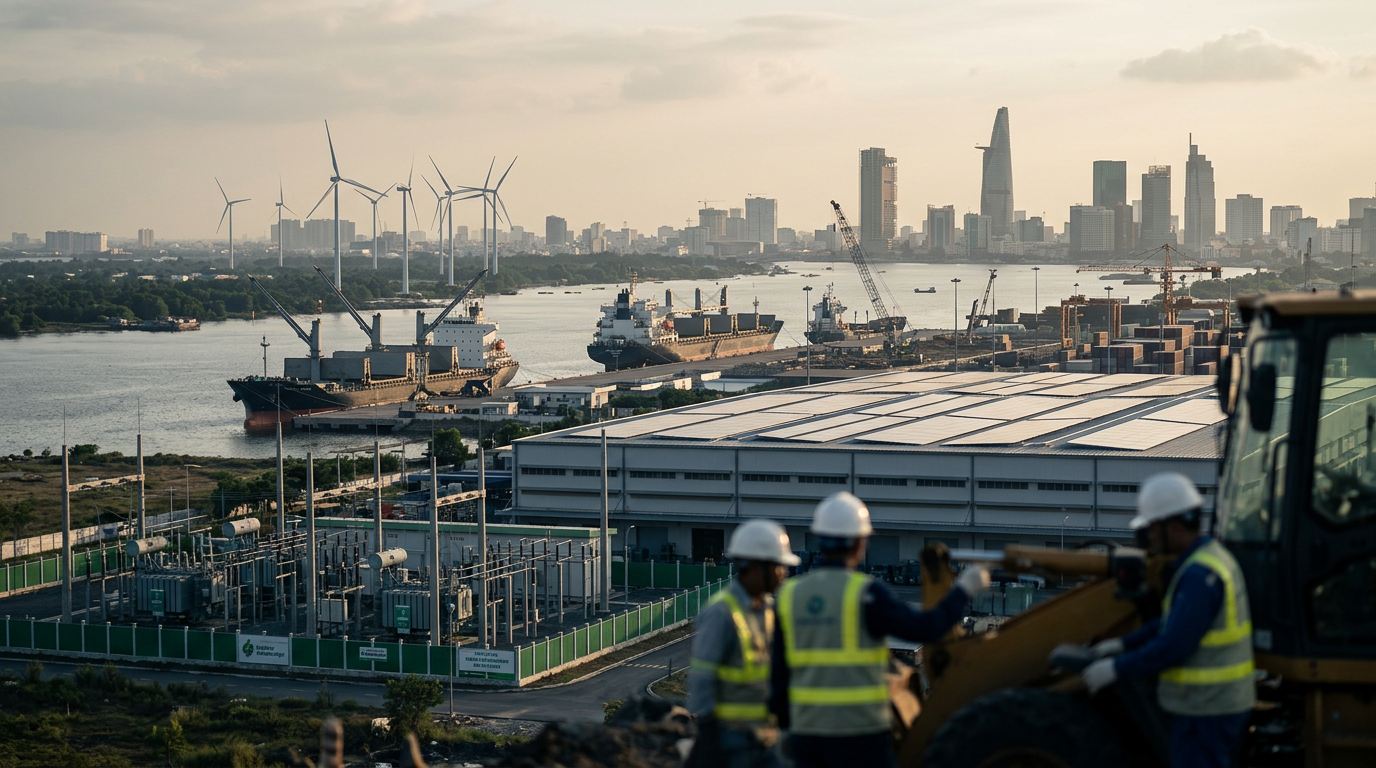
Vietnam's Green Finance Move Highlights the Value of Usable States
A recent US$30 million credit facility for Vietnam's Nam A Bank from Proparco to expand green lending shows how institutional reliability is becoming a key part of comparative advantage in Southeast Asia.
 Malaysia
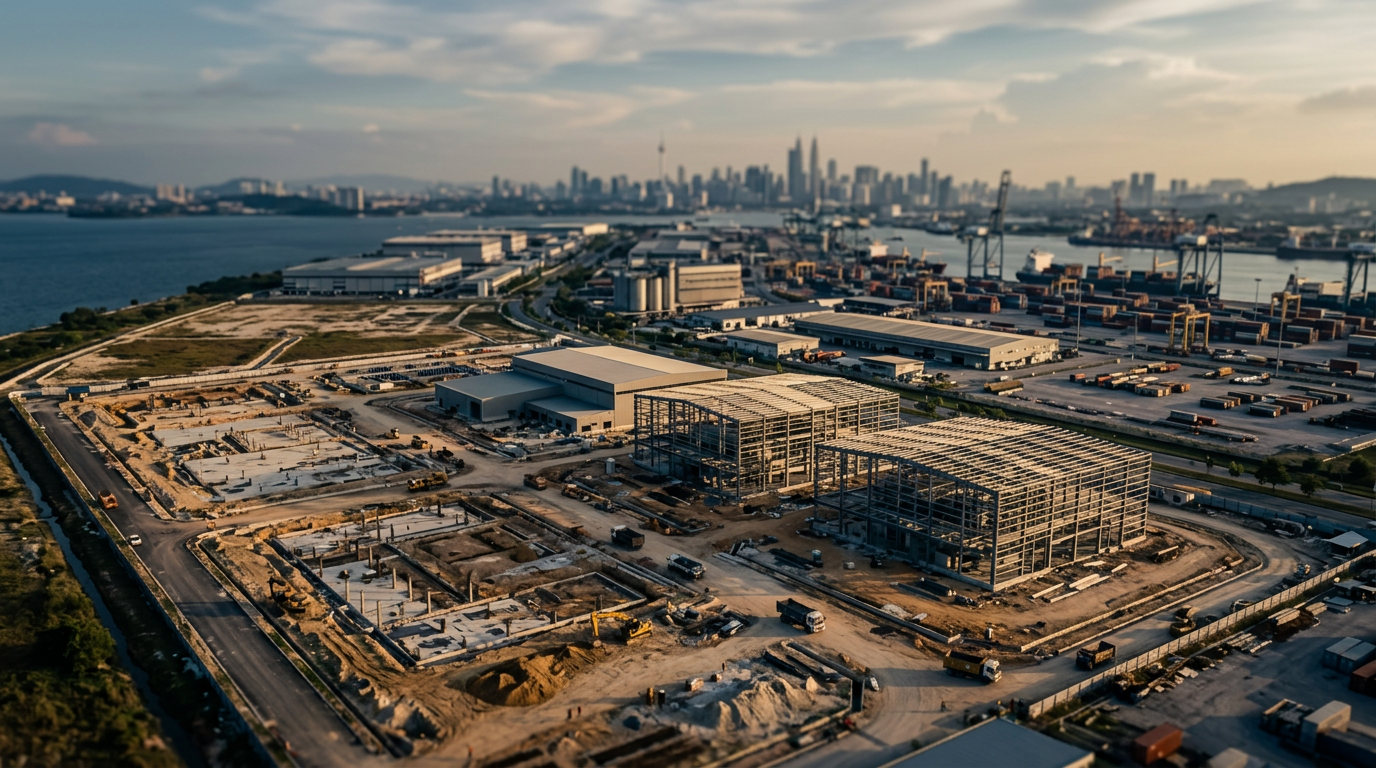
Malaysia's FDI Ambition is About More than Announcements
FDI announcements travel quickly. Realised flows depend on the slower work of land, permits, power and talent reaching the ground.
 Thailand
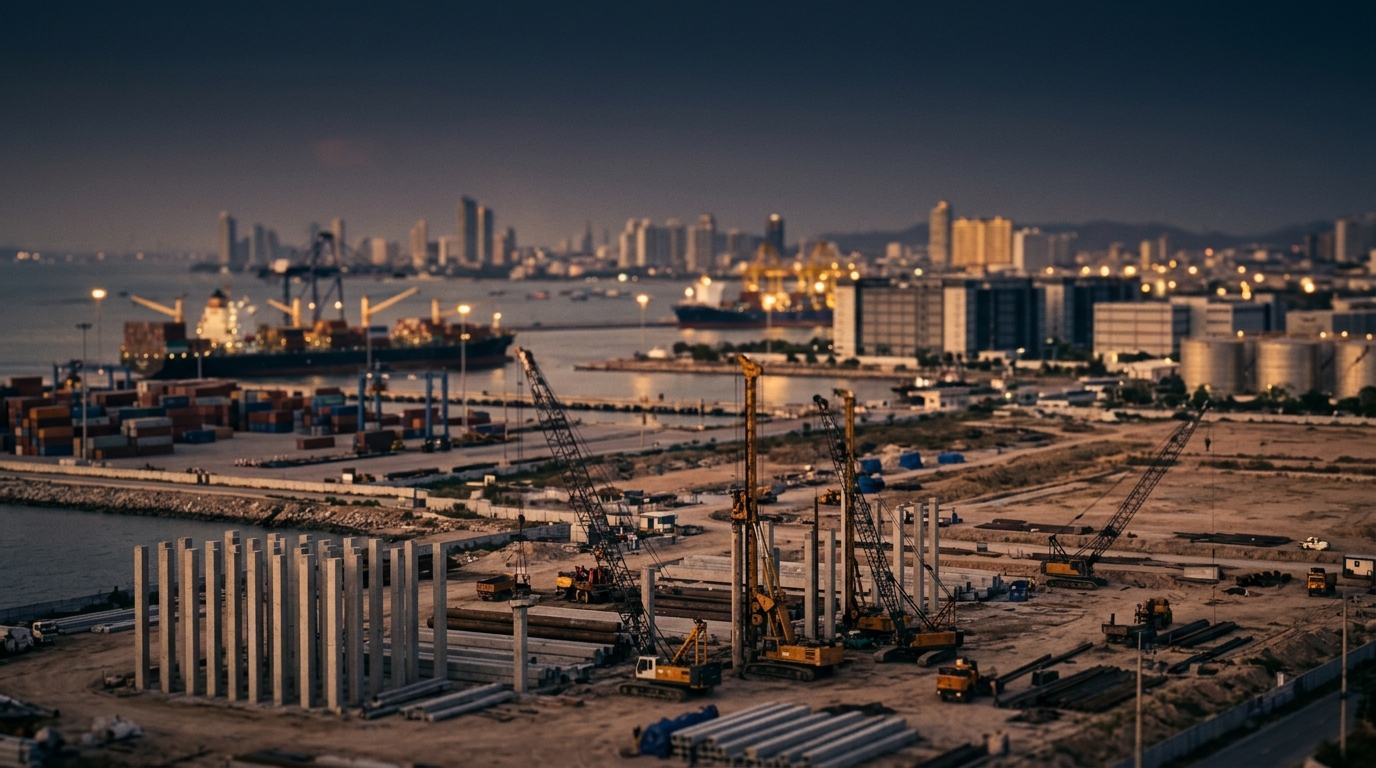
From Ambition to Execution in Thailand
Thailand is making substantive moves to deepen its capital markets. Success will depend on the slow work of turning plans into projects.