Thailand
's Egg Export Curbs Test Food Security Institutions
Thailand has asked companies to reduce egg exports in a bid to stabilize domestic supply after flood losses. The move puts the country's food security institutions in the spotlight, testing their ability to balance market intervention with long-term investment signals.
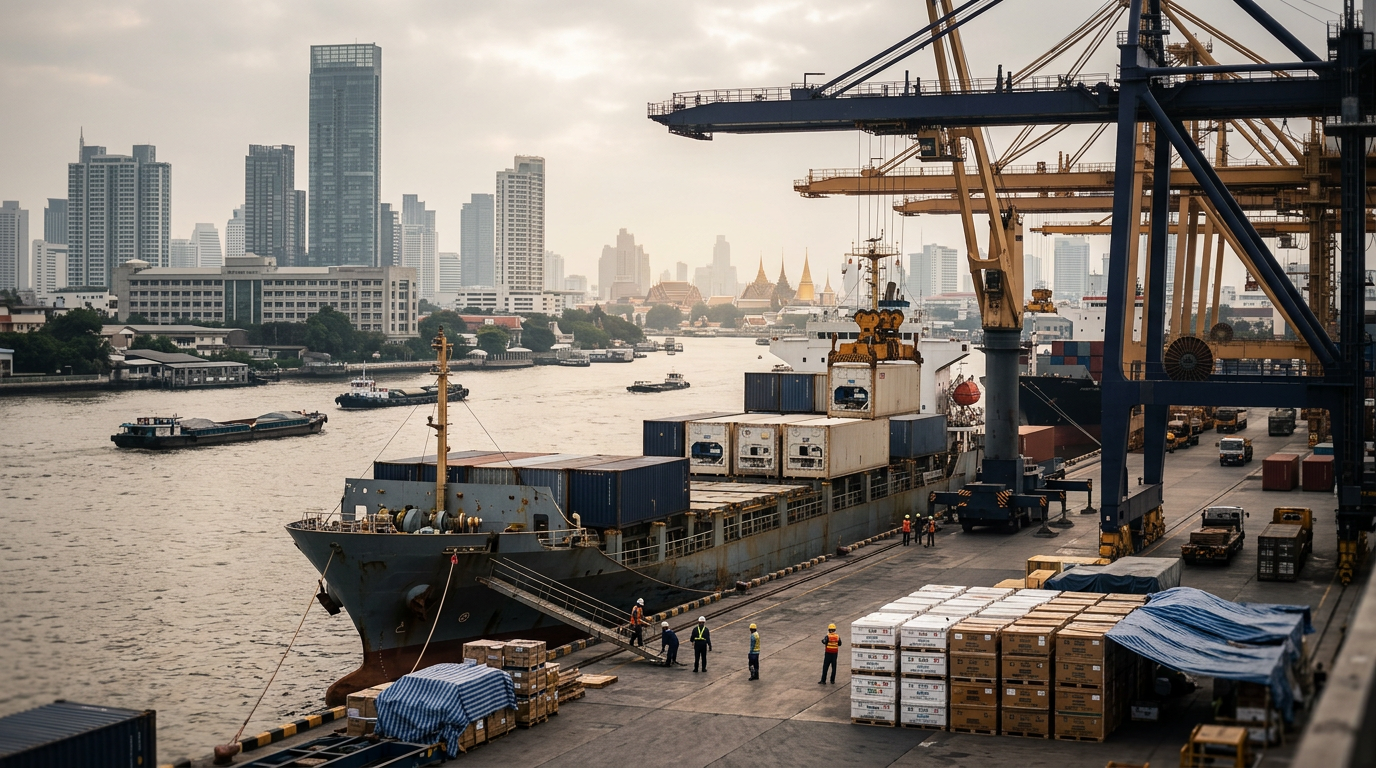
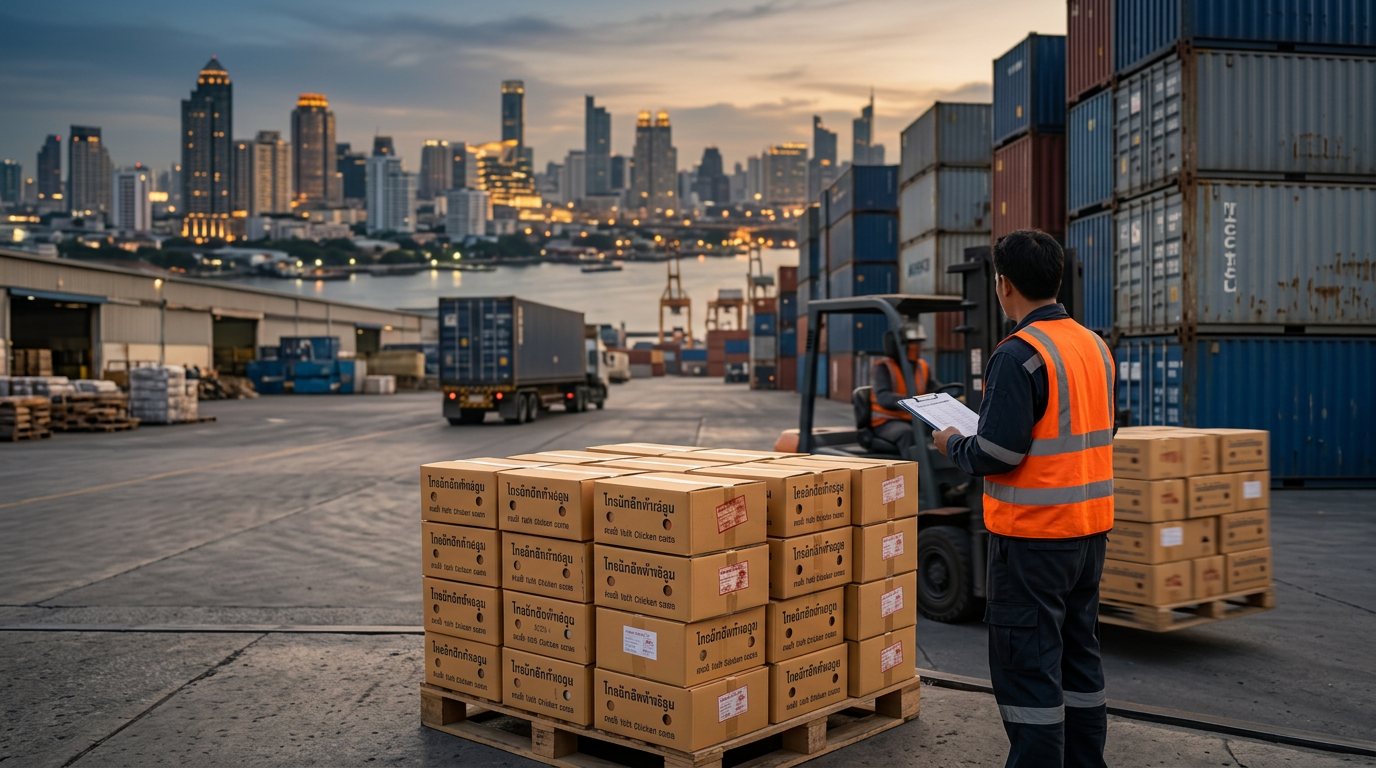
Thailand has asked poultry farms and egg producers to reduce exports by 30% to 50% until December, a measure aimed at stabilizing domestic supply and prices following recent flood-related losses. According to a report from the Bangkok Post, the request from the Livestock Development Department is a direct response to a supply shock that has put pressure on the domestic market.
While the measure is temporary, it highlights a recurring theme in regional agricultural policy: the tension between ensuring domestic food security and maintaining a predictable environment for investment and trade. The decision tests the institutions that govern Thailand's agricultural sector, a major contributor to its economy and a cornerstone of its export strategy.
Institutions Under Pressure
Thailand's intervention in the egg market is a classic example of a government managing a supply-side shock. Flooding has evidently impacted production, and authorities are acting to prevent a sharp rise in consumer prices by keeping more of the available supply at home. This is a legitimate and common policy response aimed at protecting consumers and maintaining social stability.
However, such measures, even when temporary, can have unintended consequences. They introduce a level of uncertainty for producers who have built their business models around accessing both domestic and export markets. For an industry that relies on long-term capital investment in facilities and livestock, sudden shifts in government policy can deter future expansion. It raises questions for investors about the reliability of export channels when domestic pressures mount.
From Ambition to Execution
The situation illustrates a core challenge discussed in ASEAN Rising: translating national scale and production capacity into reliable, investable sectors. The book notes that "Scale matters only when institutions can turn it into investable depth." In the context of Thai agriculture, the country possesses significant scale. Yet, the true measure of its institutional strength is its ability to manage crises without undermining the confidence of the producers and investors who drive the sector's growth.
The effectiveness of this export-curbing measure depends on its execution. Is it a transparent, well-communicated temporary fix, or does it signal a more erratic approach to market regulation? The long-term health of Thailand's agri-food industry depends on the government's ability to balance short-term crisis management with the long-term need for a stable and predictable policy framework. The slower work of building resilient infrastructure and supply chains is as important as the immediate response to a flood.
What to watch
Observe whether this intervention remains a short-term, targeted measure or if it becomes a more frequent tool in managing agricultural markets in Thailand. The government's ability to phase out these controls as supply normalizes, and the response from producers and investors, will provide a clear indication of the institutional maturity of Thailand's food sector. How the country supports its producers to become more resilient to climate-related shocks like flooding will be a key determinant of the sector's long-term competitiveness and its attractiveness for investment.