
ASEAN Analysis & Commentary
Every analysis published on ASEAN Rising is sourced, datestamped and signed. We're more interested in being right in 12 months than first in 12 minutes.
Foundation pieces
Start here. The three pieces below set out the lens ASEAN Rising uses to read every story.
ASEAN Rising's core lens. Execution Economics is the study of whether countries, companies and institutions can convert obvious potential into delivered outcomes - and which six pillars decide the answer.
The region has capital, demographics, location and policy ambition. None of that has ever been the binding constraint. The next decade is an execution test, not a potential test - and it is already being scored.
Malaysia is the test case for whether ASEAN's middle powers can turn FDI, semiconductors and data centres into compounding domestic capability. Read the live coverage and execution scorecard.
Analysis tagged #property
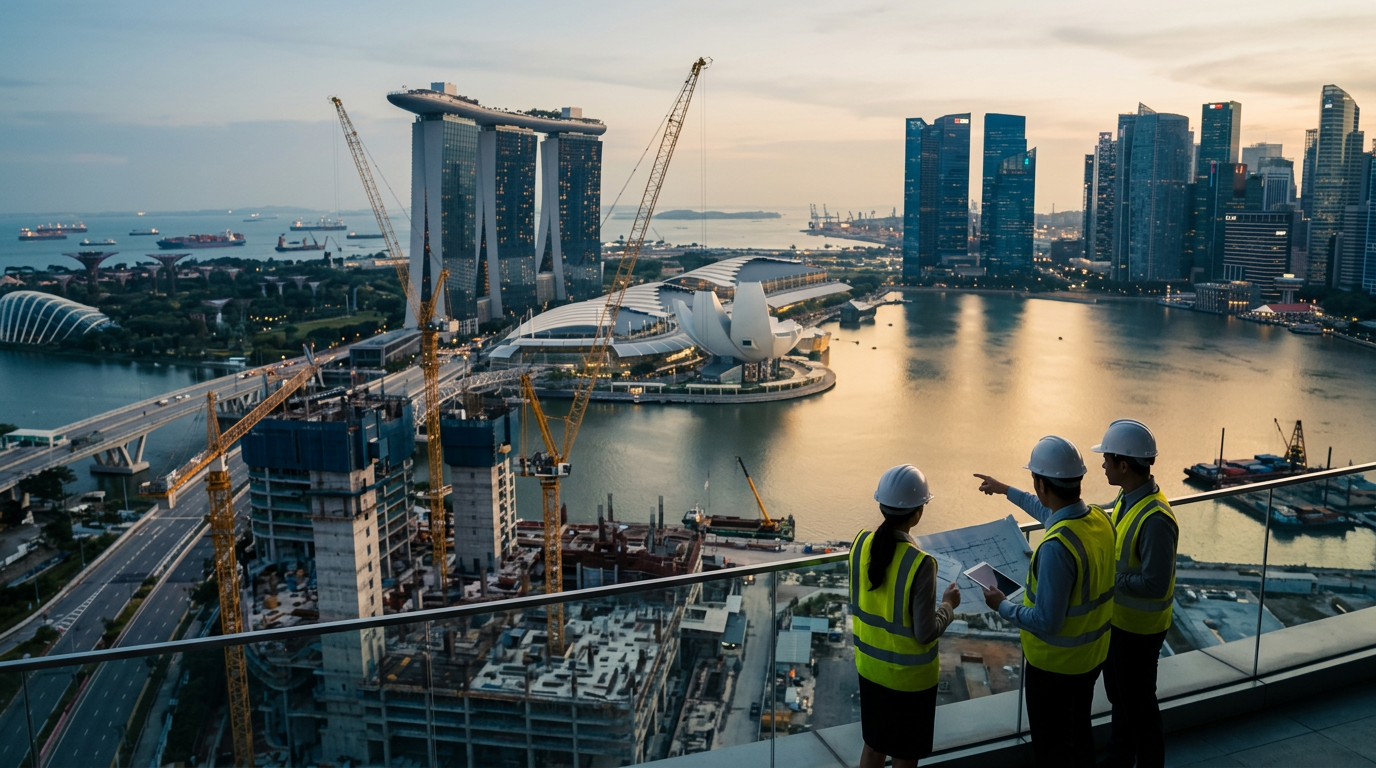
 Singapore
 Draws Thai Capital for Waterfront Development
A high-profile real estate investment from a Thai billionaire highlights Singapore's durable appeal, but also shows the institutional strengths required to absorb and realise large-scale foreign direct investment.
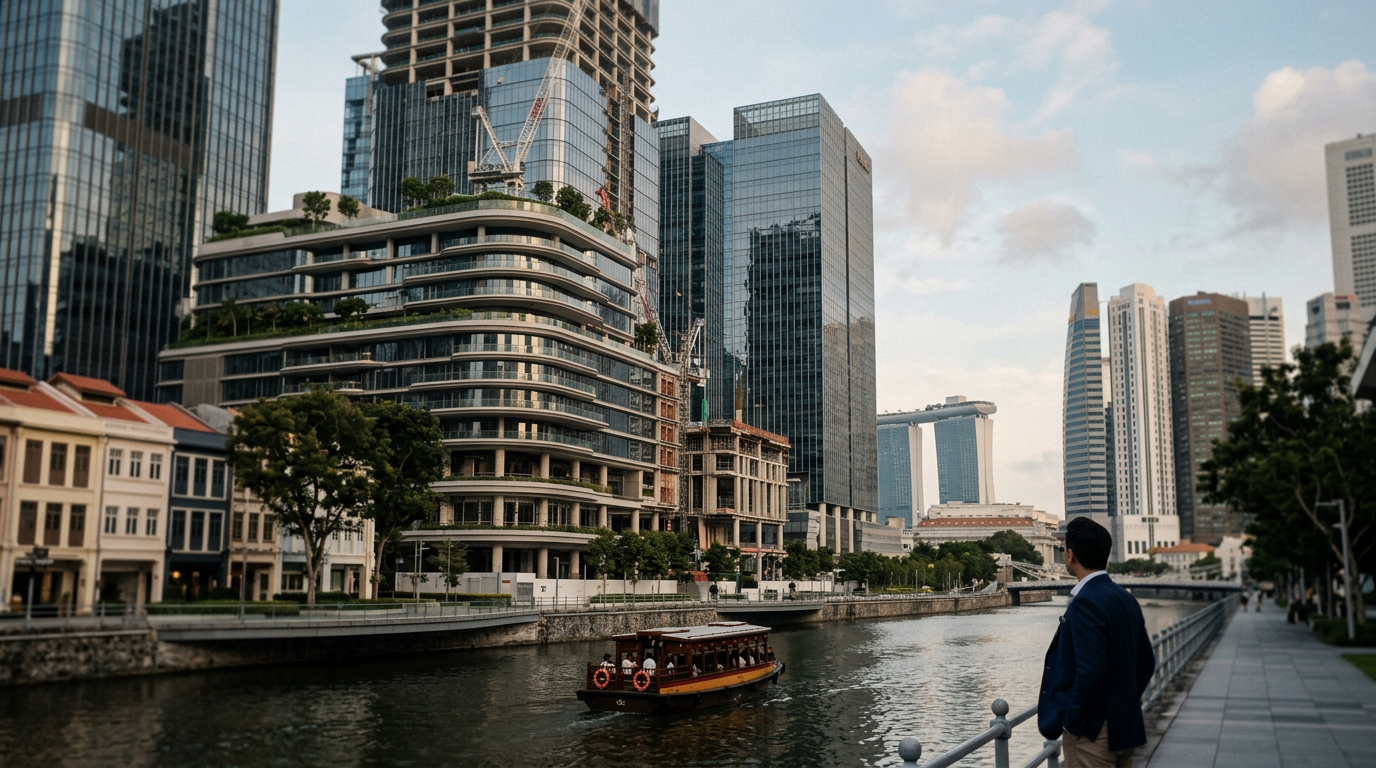 Singapore
's Riverfront Bet On Regional Capital
A high-profile Singapore real estate project bankrolled by a Thai billionaire shows how regional capital is reshaping ASEAN's urban landscapes, but Singapore's high costs demand execution to match.
 Singapore
, the Enduring Hub for ASEAN Capital
Foreign investment announcements travel fast. Realised projects depend on the slower work of execution. A new luxury development on the Singapore River shows how the city-state still leads the region in turning plans into reality.
 Singapore
 Draws Thai Capital for Waterfront Development
A high-profile Singaporean property development backed by Thai capital is a reminder that successful FDI is about more than just announcements; it requires a deep foundation of reliable institutions and tangible assets.
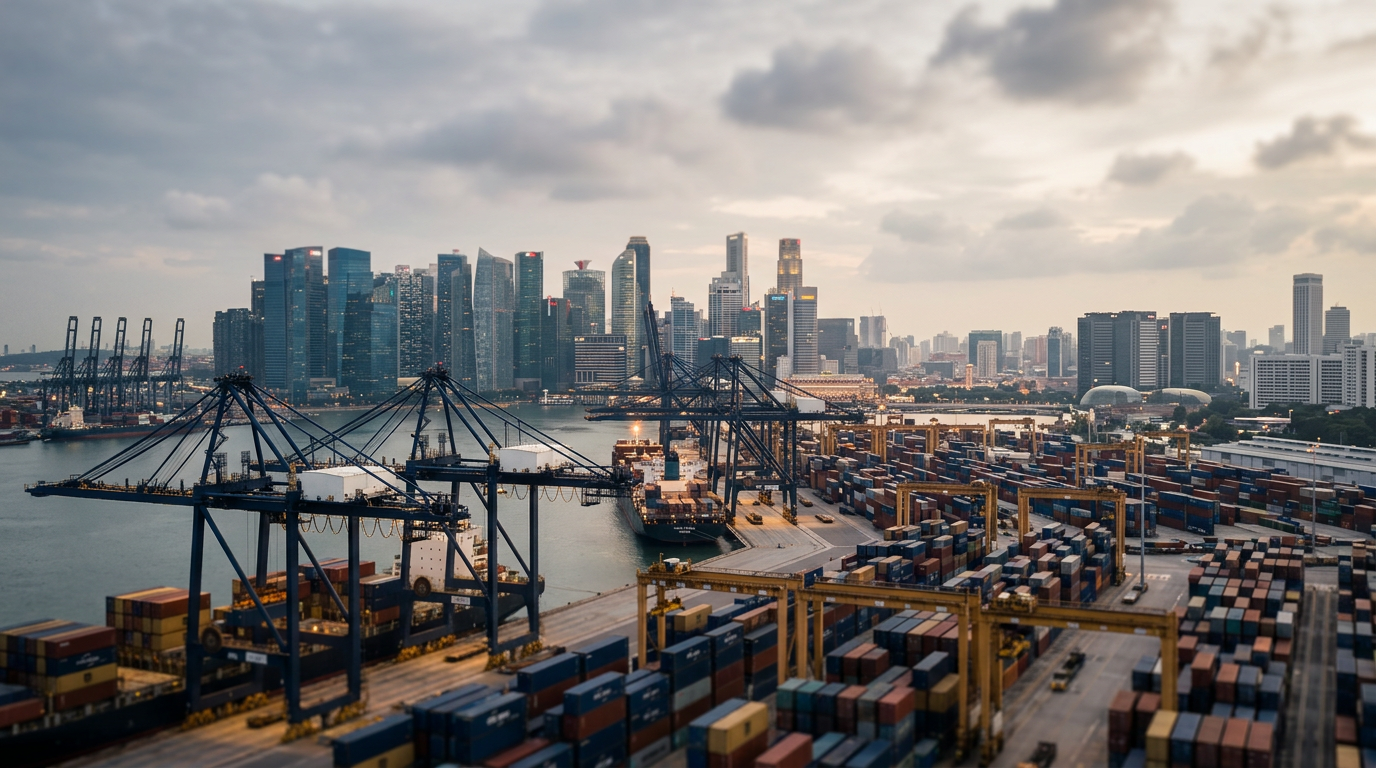 Singapore
, not scale, is still the model for ASEAN FDI
FDI announcements travel quickly. Realised flows depend on the slower work of land, permits, power and talent reaching the ground.
 Singapore
: Execution Over Scale
A major property investment by a Thai billionaire in Singapore is a reminder that successful FDI is about more than just market size. Execution, institutions, and trust are what turn announcements into assets.
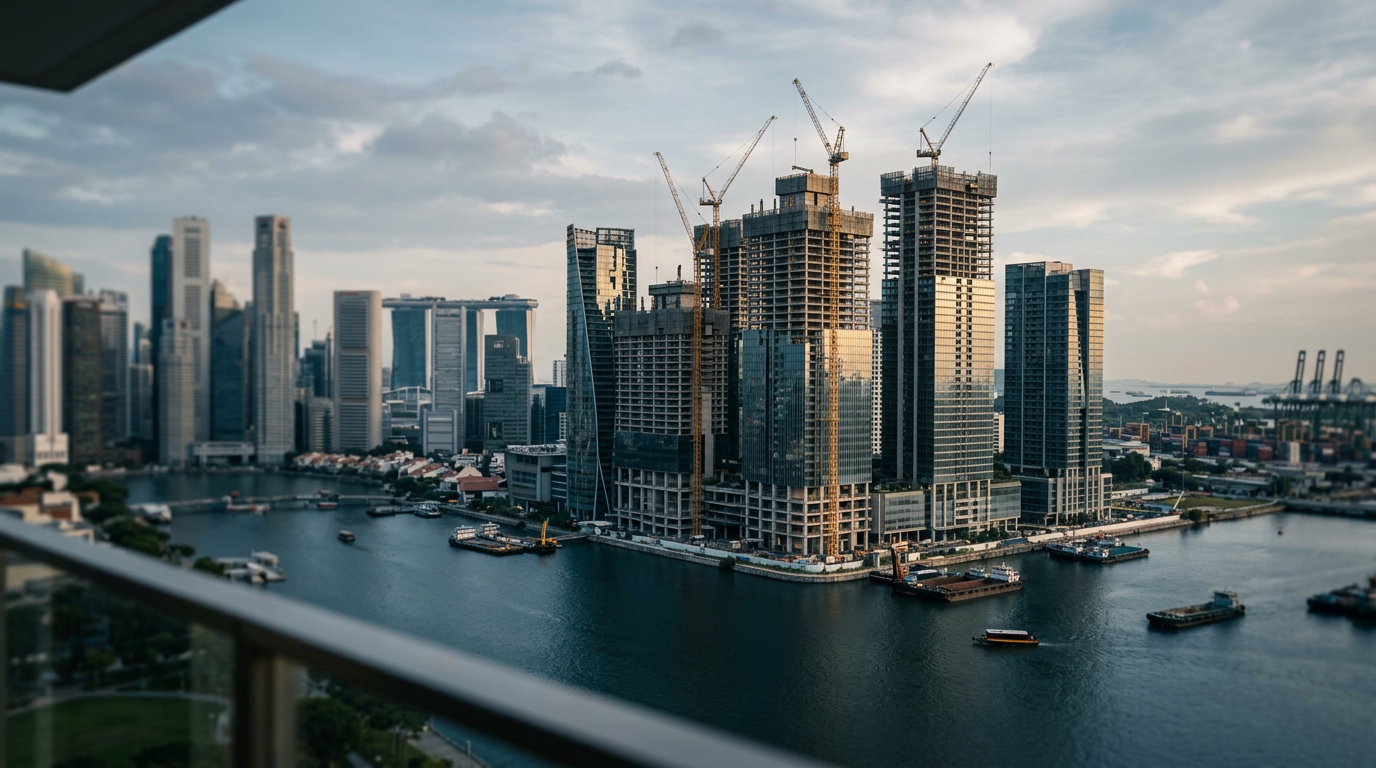 Singapore
, Thailand, and the Power of Predictability
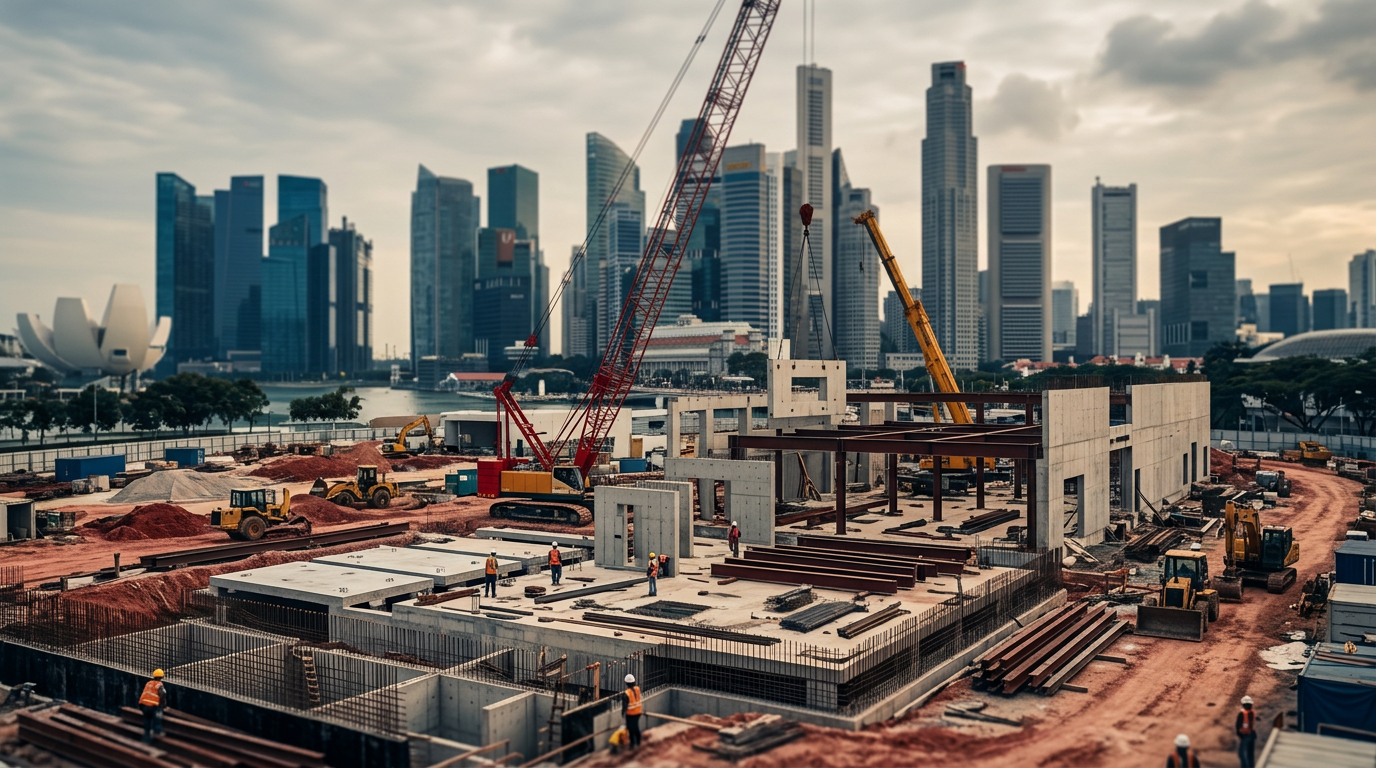
The launch of a luxury mixed-use project in Singapore, backed by a prominent Thai billionaire, illustrates a core ASEAN theme: the quiet power of reliable institutions to attract and deploy long-term capital.
 Singapore
Beyond the Deal: Capital Flows and Execution in ASEAN
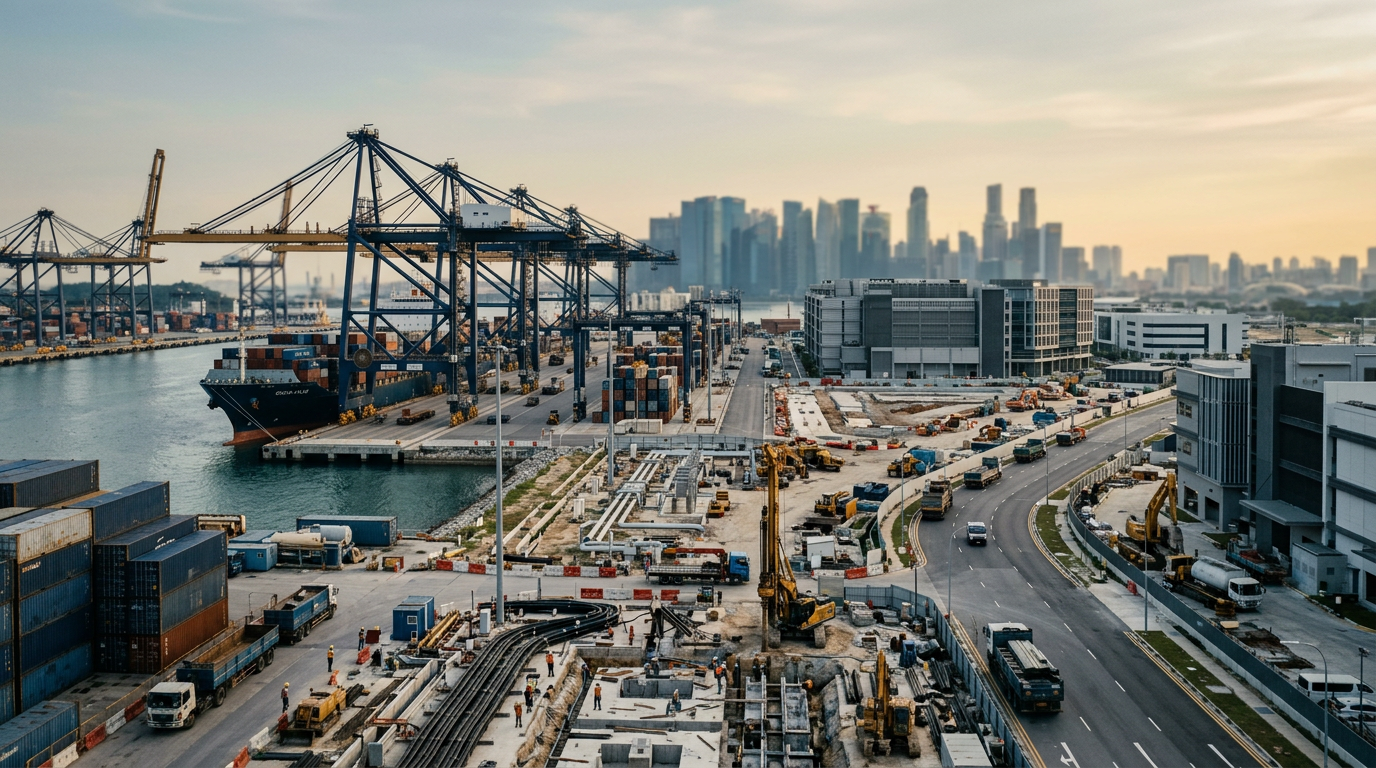
FDI announcements travel quickly. Realised flows depend on the slower work of land, permits, power and talent reaching the ground. Singapore and Thailand show the way.
 Singapore
, Not Just a Safe Harbour
FDI announcements travel quickly. Realised flows depend on the slower work of land, permits, power and talent reaching the ground.
 Singapore
's Open FDI Stance Attracts Thai Capital
A high-profile real estate investment from a Thai conglomerate into Singapore highlights the city-state's durable appeal, which is built on institutional quality and a predictable, open business environment.
 Singapore
 Draws Thai Capital for Waterfront Development
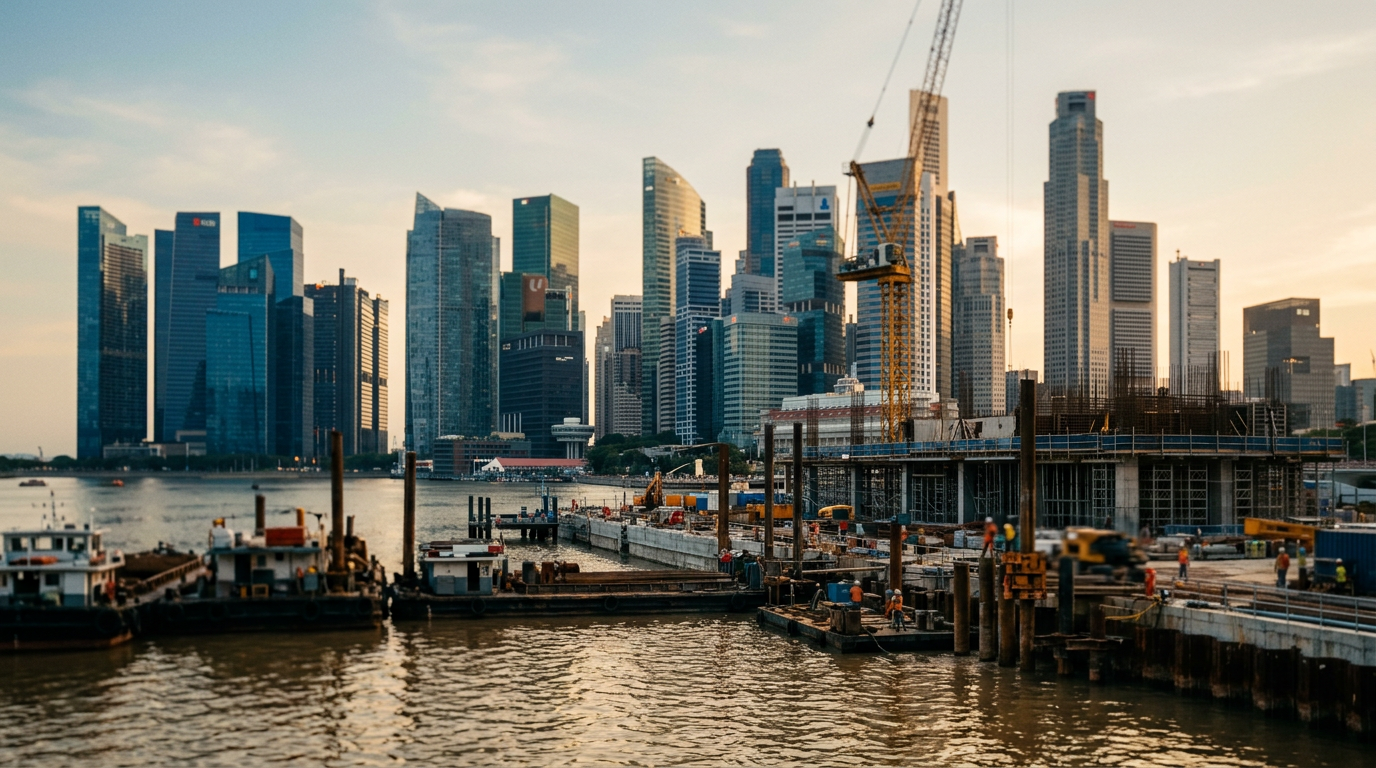
A new luxury mixed-use project on the Singapore River, backed by a prominent Thai investor, shows how the city-state's institutional quality continues to attract foreign capital.

 Philippines
Philippine Real Estate and the Value of a Usable State
The expansion of Arthaland's sustainable project portfolio is a small-scale test of whether the Philippines has the institutional capacity to deliver infrastructure on schedule.
 Singapore
's Property Investment Boom Highlights an ASEAN Divide
Singapore's high-value investment environment is a function of its institutional strength, not just its location. Other ASEAN members must do the slow work of reform to compete.
 Singapore
's Property Investment Boom Highlights the Power of Institutions
Singapore's leading position in global commercial property investment shows how stable institutions and clear rules can attract and retain capital, a lesson for all of ASEAN.
 Singapore
's Property Market: A Tale of Two Realities
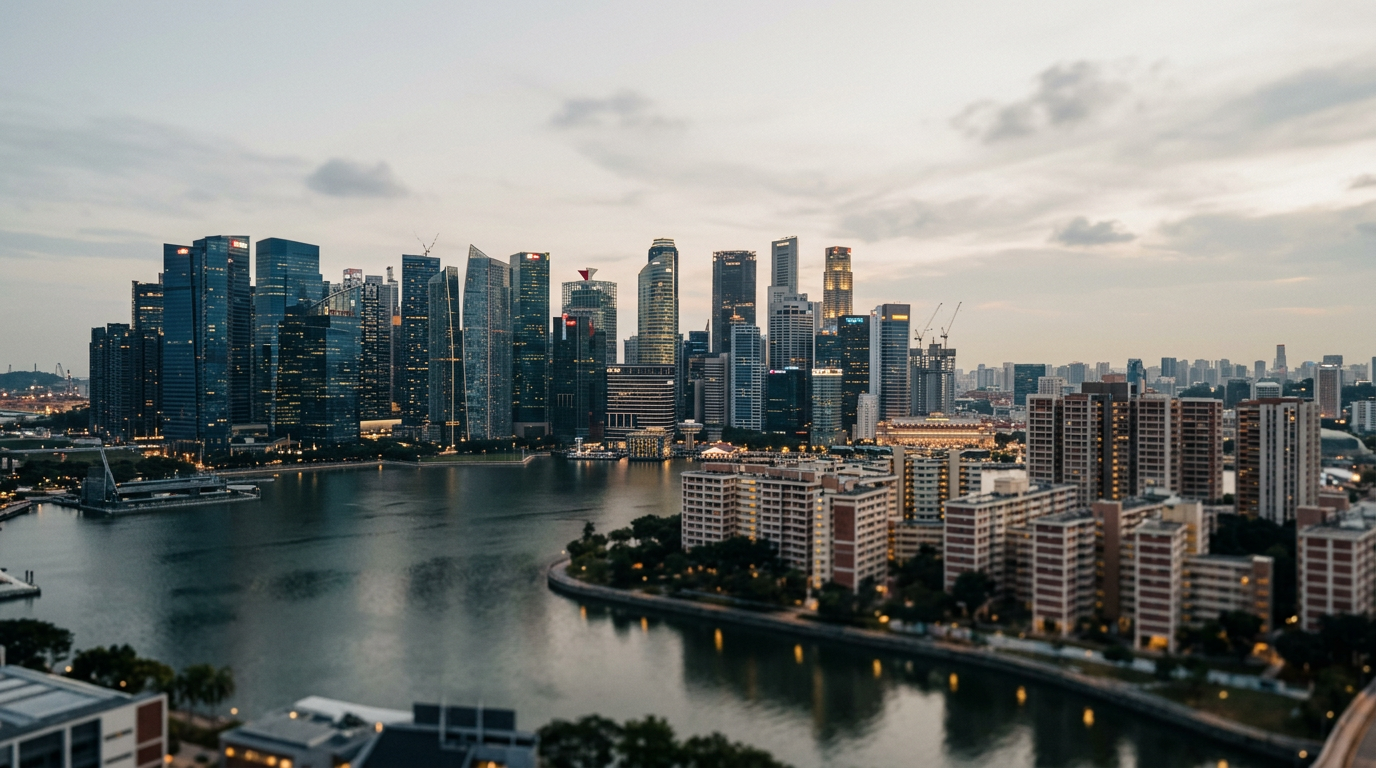
A new luxury apartment launch in Singapore highlights the city-state's property market resilience. Yet, it also raises questions about affordability and the long-term sustainability of its value proposition as a regional hub.
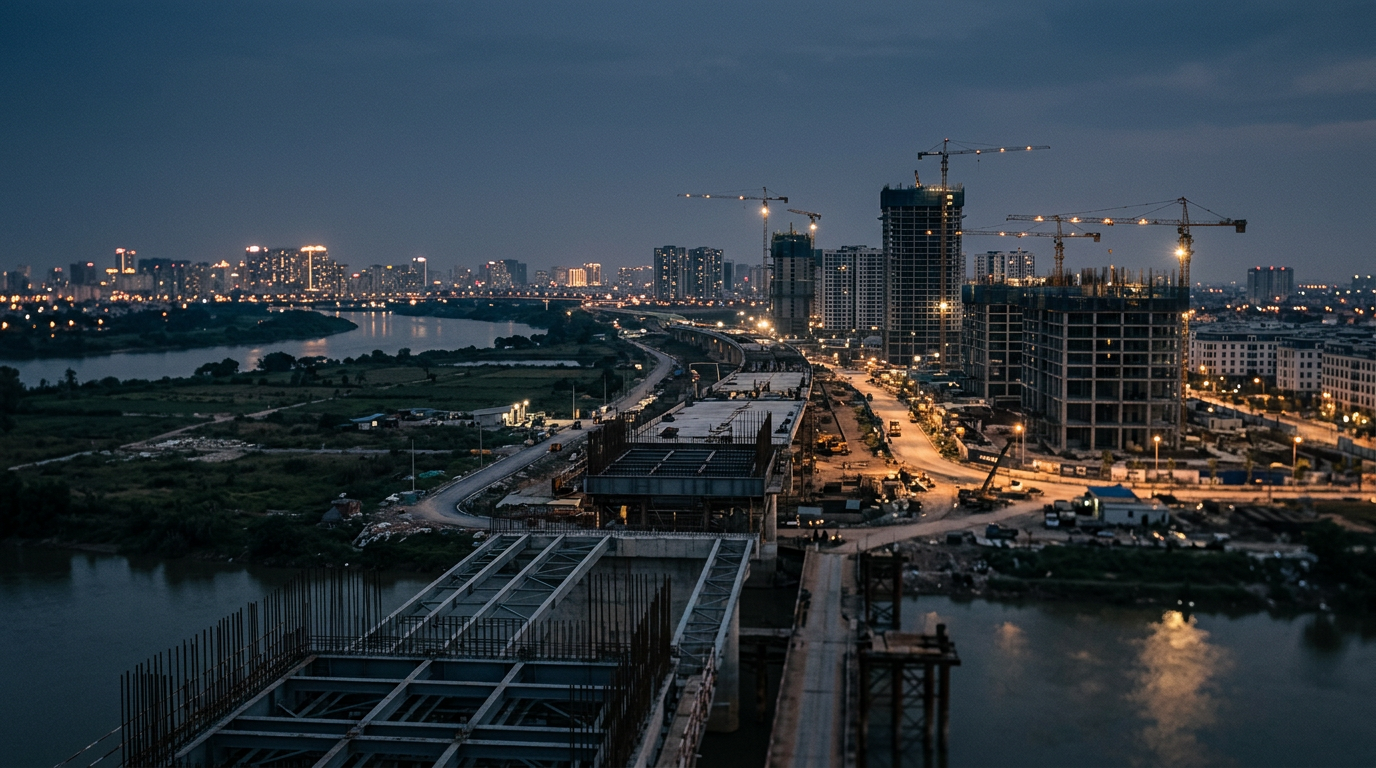
 Vietnam
A major urban development north of Hanoi illustrates the institutional capacity required to translate investment announcements into tangible assets on the ground.
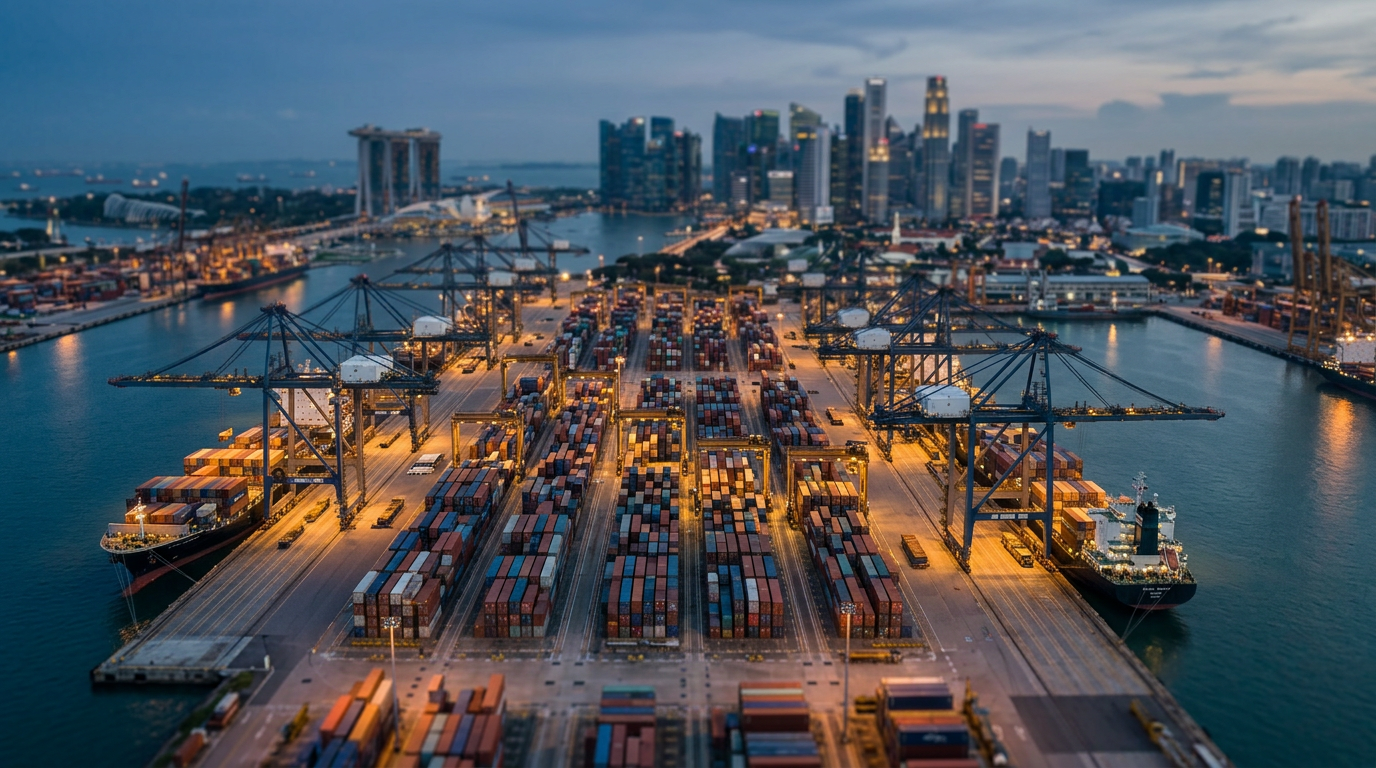 Singapore
's Property Market: A Case Study in Institutional Reliability
PropNex's 2026 forecast for the Singapore property market highlights the value of institutional reliability, where predictable policy and infrastructure delivery create a stable investment environment.
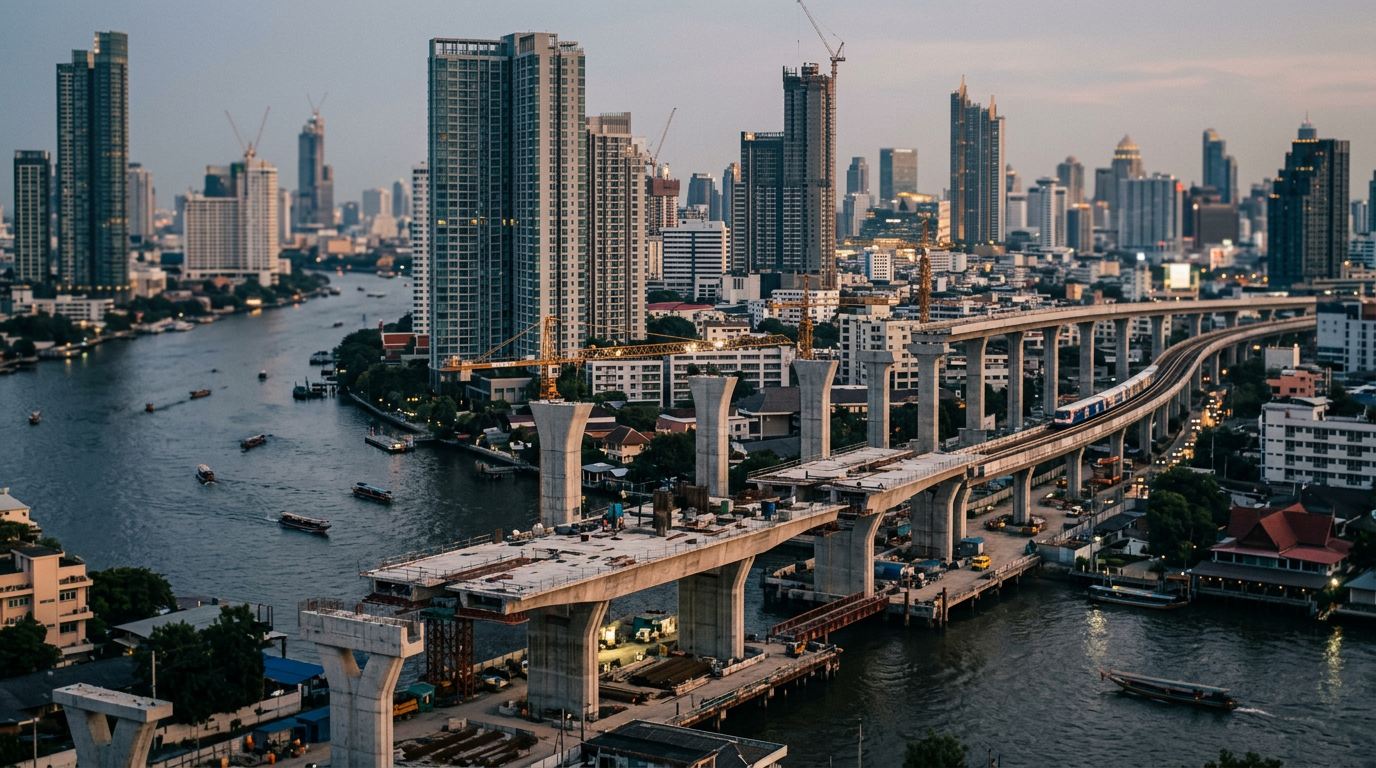
 Thailand
's Property Boom Tests Institutional Depth
A foreign-led property boom in Thailand's resort islands highlights the persistent gap between investment announcements and the harder work of building institutional capacity and infrastructure to support them.